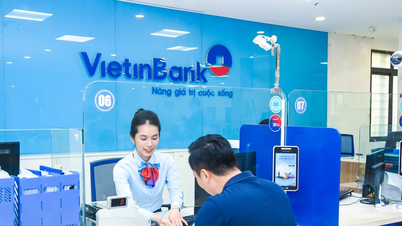
In Lao Cai province, there are currently 31 first-level branches, including: 1 Cooperative Bank, 1 branch of the Social Policy Bank, 1 branch of the Development Bank, and 28 branches of commercial banks.
According to Nguyen Quang Dat, Deputy Director of the State Bank of Vietnam, Region 4 Branch: Banks in the province have focused on investing in technological infrastructure; proactively implemented many solutions to enhance their capacity to access Industry 4.0 technology; and actively deployed programs to waive or reduce payment service fees, payroll fees through accounts, transaction fees on electronic banking channels for customers registering for online payments, and fees for cashless payments through digital banking applications.
The State Bank of Vietnam's Regional Branch 4 has directed credit institutions in the area to strictly comply with current legal regulations; regulations and guidelines of the State Bank of Vietnam and each system regarding cashless payments; review and invest in upgrading infrastructure, equipment, technology to ensure cybersecurity and system safety in electronic payments and transactions and in banking operations in the area.

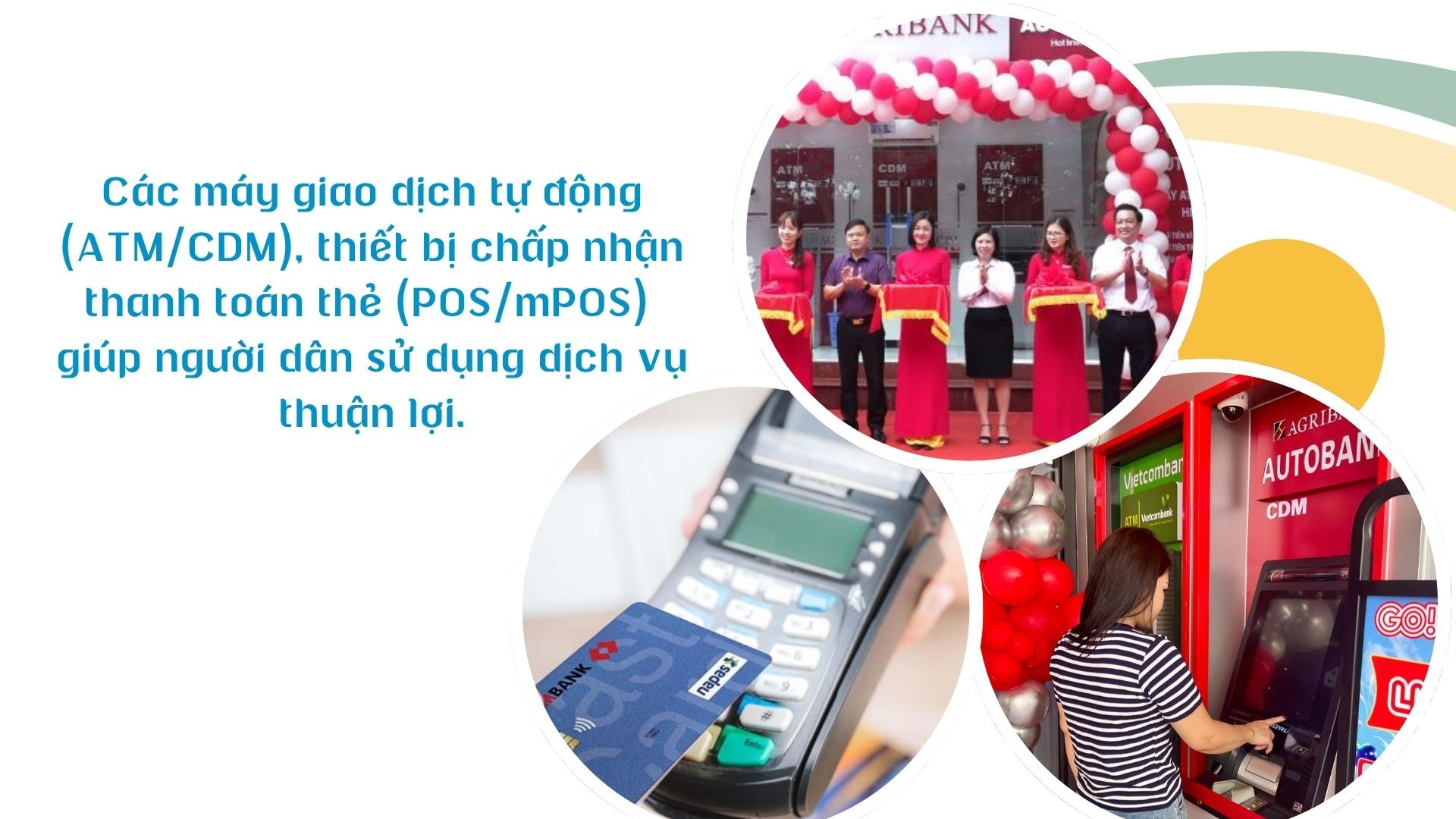
Over the past period, the branches have also regularly researched and proposed solutions to the head office to expand and rationally arrange the network of transaction points in the province; especially automated teller machines (ATM/CDM), card payment acceptance devices (POS/mPOS), mobile payment acceptance points (QR-Pay), and widely publicize this network so that people are aware of it and can conveniently access and use the services.
As a result, to date, within the area managed by the State Bank of Vietnam's Branch 4, the total number of customers using cashless payment services is 6,695,192; the number of payment accounts is 7,199,131. Of these, 4,708,320 accounts are held by people aged 15 and above, reaching 85%.
Currently, nearly 100% of businesses pay taxes electronically, and fees, charges for electricity, water, and other expenses are also processed through the banking system. The total number of POS terminals is 3,893; ATMs are 808. Nine automated teller machines (ATMs) are also in operation in the area, along with the Onebank digital ecosystem.



Furthermore, the banking system in the area continues to develop both in terms of quantity and quality of services, especially cashless payment services, which have contributed to building awareness and habits among people in using convenient services in payment transactions. Many banking services are now performed directly on smartphones, computers, etc., with internet connection, providing convenience for customers.
Mr. Tran Van Minh from Au Lau ward shared: "Now, with just a smartphone connected to the internet, I can transfer money within and outside the banking system; pay for phone, electricity, water, internet, tuition fees... I can even buy plane, train, and bus tickets, pay for taxis, movie tickets, book hotel rooms, order flowers with many discounts... Everything is quick and convenient."
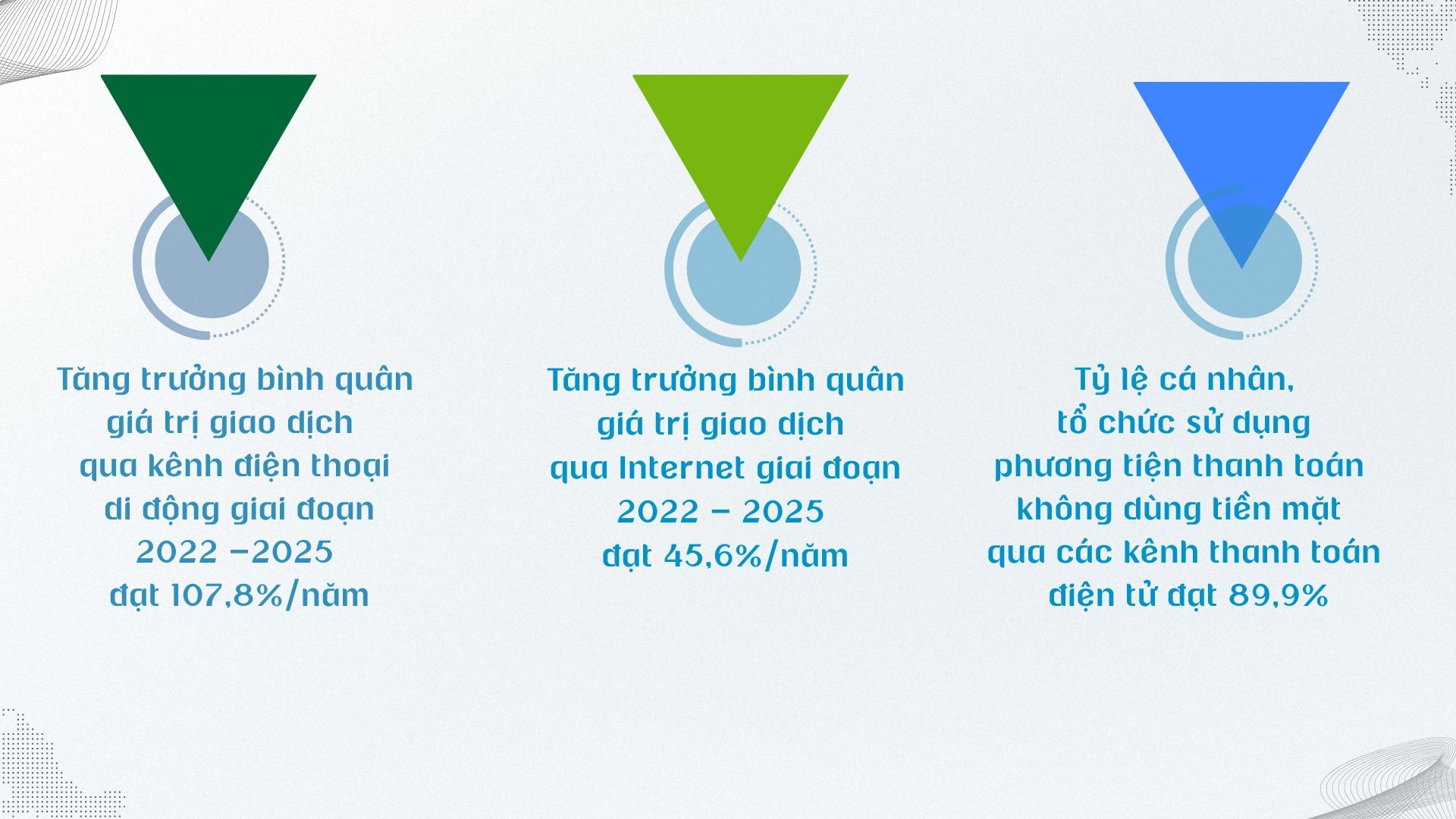
Thanks to people like Mr. Minh who "don't need to carry a wallet when going out," the average growth rate of mobile phone transaction value in the province during the 2022-2025 period reached 107.8% per year; the average growth rate of internet transaction value during the 2022-2025 period reached 45.6% per year; and the percentage of individuals and organizations using cashless payment methods through electronic payment channels reached 89.9%.
However, one of the challenges facing the banking industry is technological risk, especially as cyberattacks and high-tech criminal tactics become increasingly sophisticated. This necessitates the banking industry to enhance its information security capabilities and apply advanced technologies.
Therefore, the State Bank of Vietnam, Regional Branch 4, directed credit institutions to strengthen risk management measures in opening and using payment accounts, and to review, reorganize, and adjust payment service locations to ensure safety, suitability, and efficiency. Many measures have been implemented to enhance security and safety in payment operations.
Banks also regularly update and inform their employees about new methods and tactics used by high-tech criminals to enhance vigilance and promptly detect and identify criminals who exploit high technology to defraud people into transferring money through the banking system. At the same time, the issuance of domestic chip cards to replace magnetic stripe cards has improved convenience and security for users.



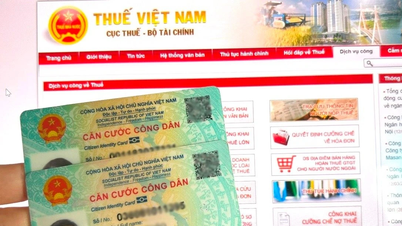
Banking systems are implementing connections and utilizing population information from the National Population Database, chip-embedded citizen identity cards, and electronic identification accounts as prescribed by law to serve public services, credit information operations, and anti-money laundering; preventing and deterring the use of bank cards and payment accounts not registered in the owner's name for illegal activities.
Entering 2026, the banking system in Lao Cai province will continue to promote digital transformation and cashless payment activities, meeting the requirements for new business models and products/services based on digital banking and digital payments.
Source: https://baolaocai.vn/day-manh-tang-truong-kinh-te-so-post891424.html