 |
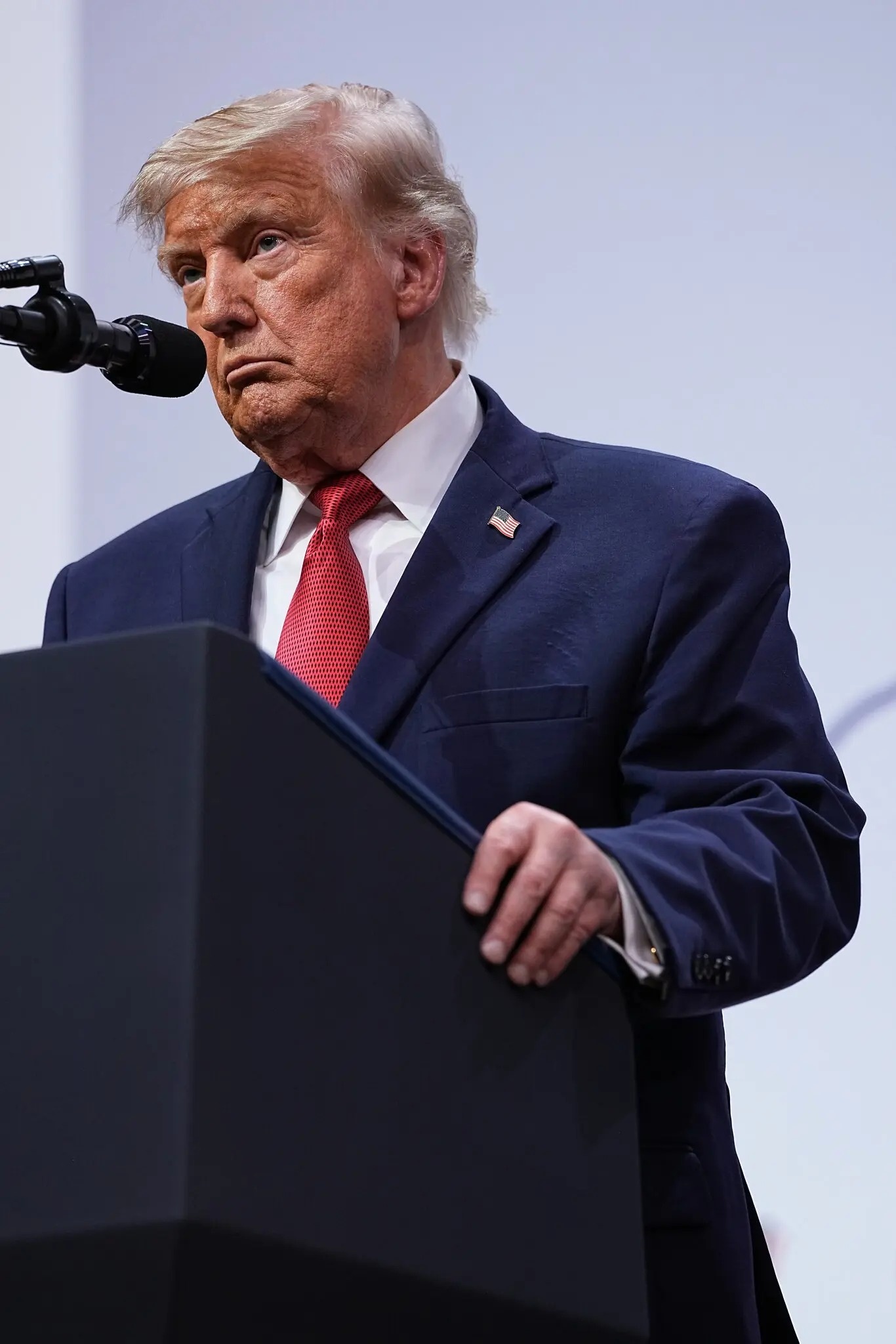
Just 15 weeks ago, when the conflict with Iran entered its most tense phase, US President Donald Trump declared emphatically that there would be no deal with Iran other than Tehran's "unconditional surrender."
However, when the contents of the memorandum aimed at de-escalating the conflict were released on June 18, the document did not resemble a declaration of surrender. On the contrary, despite suffering heavy losses after 40 consecutive days of airstrikes and confrontations with the world's most powerful military, Iran emerged from the war with many things to affirm that it had not been subdued.
Unexpected terms
Under the agreement, Iran will be allowed to resume oil exports, generating billions of dollars in revenue and easing pressure on an economy already battered by years of sanctions.
This is seen as the beginning of the next phase of negotiations on a larger-scale agreement concerning Tehran's nuclear program. President Trump insists the final document must guarantee that Iran cannot develop nuclear weapons within the next 15-20 years.
However, for a leader who always emphasizes "leverage" in negotiations like Trump, accepting a deal that allows Iran to quickly restore its oil revenue is seen as a paradox, according to the New York Times.
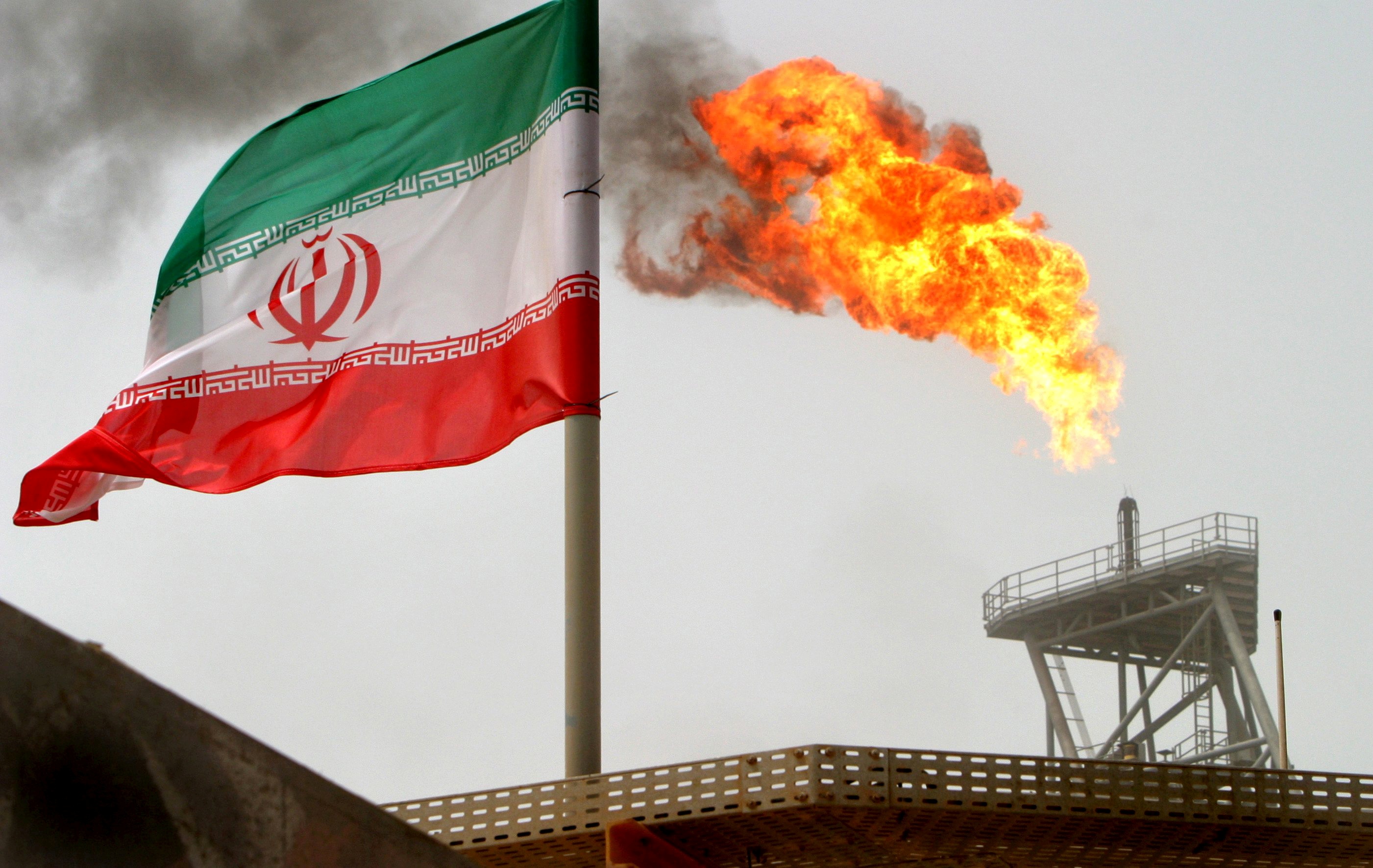 |
The provision allowing Iran to resume oil exports was seen as an unexpected concession. Photo: Reuters. |
The memorandum also opens the possibility that Iran could in the future negotiate a long-term mechanism to enforce control over the Strait of Hormuz – a strategic shipping lane through which approximately 20% of the world's oil consumption passes. This seems to contradict earlier statements by US Secretary of State Marco Rubio that any restrictions on freedom of navigation in Hormuz are "unacceptable."
In addition, Tehran has access to billions of dollars in assets frozen for years. Trump asserted that this money would only be released if Iran "behaved properly."
However, this is also a similar concession that the administration of former President Barack Obama made in the 2015 nuclear agreement – something that Trump has repeatedly criticized for years.
The White House emphasized that the U.S. had achieved numerous military successes in the war. U.S. forces destroyed much of Iran's navy, wiped out Tehran's small air force, inflicted serious damage on its defense industry, and destroyed many of its missile launchers.
However, those achievements were not the initial goals that Trump set out. When launching the military campaign, he declared his intention to completely destroy Iran's nuclear and missile programs, bring down the Tehran regime, and later even suggested the possibility of the US controlling the country's oil industry.
Therefore, as the terms of the agreement are scrutinized more closely in the coming days, the White House is likely to face increasing criticism.
Not only Democrats, but also many hardline Republicans have expressed disappointment. In Israel, discontent is widespread as Tel Aviv is excluded from negotiations and fears it is being pressured by Trump to accept a ceasefire with Hezbollah, thereby limiting its ability to continue its military campaign against the group.
Historians may need years to fully assess the conflict that cost the U.S. tens of billions of dollars and resulted in the deaths of 13 American citizens and more than 3,000 Iranians.

Why did Trump sign the Islamabad Memorandum?
According to Trump himself, the most important factor driving him to quickly seek an end to the war was the risk of a global economic crisis.
He said he did not want to be compared to Herbert Hoover, the 31st President of the United States, who is associated with the 1929 stock market crash and the Great Depression.
"I don't want to see an economic catastrophe," Trump said, warning that if the war dragged on, the world could face the risk of depleting its oil reserves.
This was precisely the leverage that Iran identified from the beginning of the war. Tehran understood that it could hardly confront the US military power directly, but could exert pressure by disrupting vital energy routes.
By closing the Strait of Hormuz and launching attacks on petrochemical facilities, desalination plants, hotels, and military bases in the Persian Gulf region, Iran has created a shockwave in global energy markets. According to Trump's own admission, this strategy has been effective.
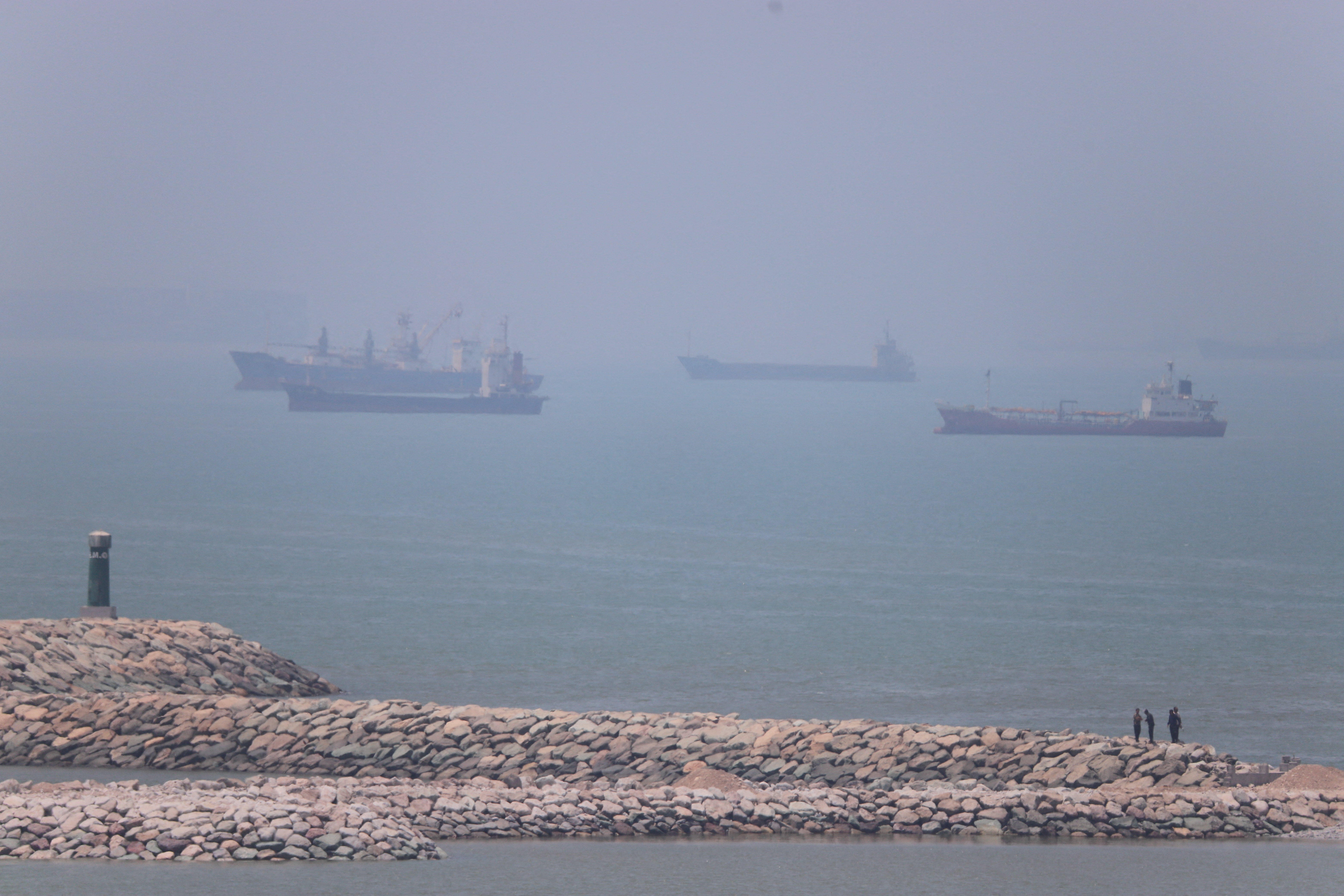 |
The Strait of Hormuz remains a crucial bargaining chip for Iran, prompting Trump to gradually back down. Photo: Reuters. |
If the first phase of Iran's strategy was to use economic pressure, the next phase will most likely be to prolong negotiations.
History shows that Iranian negotiators are very adept at arguing every word, adding new conditions regarding international inspections or reinterpreting concepts related to nuclear research in order to maintain some uranium enrichment activities.
One of the most experienced figures in this tactic is Iranian Foreign Minister Abbas Araghchi, who has participated in numerous previous rounds of nuclear negotiations.
Meanwhile, Mr. Trump appeared to be preparing for a protracted negotiation process. He acknowledged that the 60-day deadline set in the memorandum might not be enough for the two sides to reach a final agreement.
The nuclear gamble remains open.
It is still too early to conclude whether Trump has won or lost the Iran gamble. If, in subsequent negotiations, Washington forces Tehran to remove its entire stockpile of enriched uranium from its territory and cease uranium enrichment activities that have been ongoing for nearly two decades, Trump could declare a historic victory.
However, initial developments suggest otherwise. The new government in Tehran, believed to be led by the new Supreme Leader Mojtaba Khamenei – the son of the late leader Ali Khamenei – appears to be consolidating power after the war.
Iran's Islamic Revolutionary Guard Corps (IRGC), the organization that controlled the nuclear program for many years, remains central to the country's power structure.
Many officials who served under President Barack Obama were also quick to criticize the new agreement. Former Secretary of State Antony Blinken stated that the "only achievement" of the ceasefire was the reopening of the Strait of Hormuz – a route that had been operational before the war broke out.
According to Blinken, the war has shown that Iran possesses the ability to disrupt or slow the flow of oil, natural gas, fertilizers, and many other essential commodities that the world depends on.
One of the biggest questions after the war was whether Tehran would change its nuclear strategy.



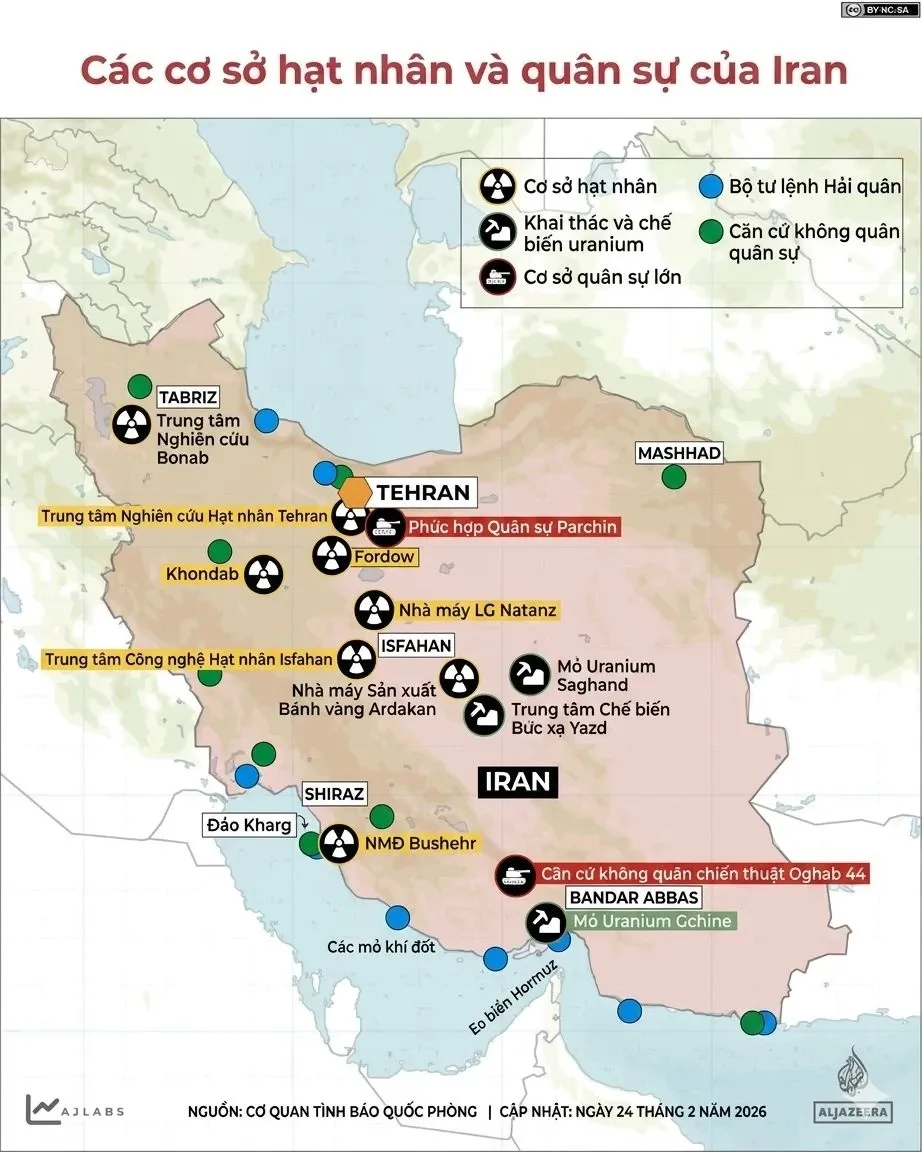 |
For more than two decades, Iran has maintained its status as a “nuclear threshold state”—very close to developing an atomic bomb but not crossing the final line. This strategy has allowed Tehran to both maintain its position in the Nuclear Non-Proliferation Treaty and possess a potential deterrent capability.
However, the prospect of Iran being attacked by the US and Israel in 2025 and 2026 could lead its leaders to question whether the "standing on the nuclear threshold" strategy remains effective.
When asked whether Iran might choose the same path as North Korea, Trump did not answer directly. Instead, he asserted that the new agreement would prevent Tehran from acquiring nuclear weapons and suggested that Israeli Prime Minister Benjamin Netanyahu should thank him for helping Israel avoid the threat of annihilation by an atomic-armed Iran.
"Whatever is necessary, we will do," Trump declared, emphasizing that in the 47 years since the Iranian Islamic Revolution of 1979, no leader has solved this problem.
Source: https://znews.vn/dieu-bat-ngo-trong-thoa-thuan-my-iran-post1661022.html

![[Photo] Strengthening character and expertise: Intense training for artillery soldiers.](https://vphoto.vietnam.vn/thumb/1200x675/vietnam/resource/IMAGE/2026/06/30/1782815602541_lu-368-1875-4571-jpg.webp)