

 |
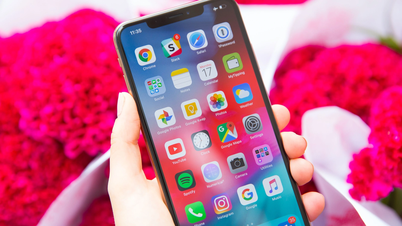
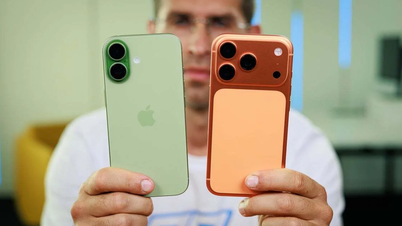
The design of the iPhone Air. Photo: Bloomberg . |
According to industry sources, disappointing sales of the iPhone Air have led many Chinese smartphone manufacturers to pause or cancel plans to develop ultra-thin devices.
According to Sina Finance and Jiemian.com , Xiaomi, Oppo, Vivo, and several other manufacturers have canceled or adjusted their plans to develop ultra-thin smartphones. The eSIM technology intended for these products will be repurposed for other models.
Xiaomi had planned to develop a "truly ultra-thin" device to compete with the iPhone Air, while Vivo was also expected to launch an ultra-thin model in its mid-range S series. These projects are reportedly no longer progressing.
The shift by Chinese brands is seen as a reaction to numerous reports suggesting that iPhone Air sales were not meeting expectations. This led Apple's suppliers to cut production of the device.
The Information reports that iPhone Air sales have fallen short of expectations since its launch. Apple's key partners are said to have dismantled most production lines, leaving only "about 1.5 lines operational."
The entire iPhone Air production process is expected to end by the end of November. Prior to that, partner Luxshare Precision reportedly stopped producing the iPhone Air at the end of October. During the same period, Nikkei reported that there was "almost no demand" for the iPhone Air among consumers.
According to analyst Ming-Chi Kuo, the poor sales of the iPhone Air suggest that the iPhone 17 and 17 Pro models have largely met the needs of high-end users, leaving little room for a new market segment.
Samsung, Apple's biggest rival, also faced a similar situation with the Galaxy S25 Edge. The South Korean company reportedly canceled plans to launch the Galaxy S26 Edge and stopped production of the S25 Edge due to poor sales.
When it launched in September, the iPhone Air attracted attention thanks to its ultra-thin design. This was the first time the iPhone had a new design since 2017. However, to achieve a thickness of 5.6 mm, the device only had a single rear camera and a low battery capacity.
The price is also a drawback for the iPhone Air. The starting price of $1,000 is considered too high compared to its actual value. The device is only $100 cheaper than the iPhone 17 Pro, the high-end model with three rear cameras and better battery life.
Developing smartphones thinner than 6 mm places limitations on component placement. To achieve the desired thinness, manufacturers often compromise on two crucial factors: camera quality and battery life, impacting the user experience.
According to DigiTimes , Huawei is one of the rare companies still launching ultra-thin smartphones. On November 6th, the company opened pre-orders for the Mate 70 Air, which is 6.6 mm thick, has a 6,500 mAh battery, and runs HarmonyOS 5.1.
Source: https://znews.vn/doi-thu-cua-apple-doi-ke-hoach-vi-iphone-air-post1606796.html











































































Comment (0)