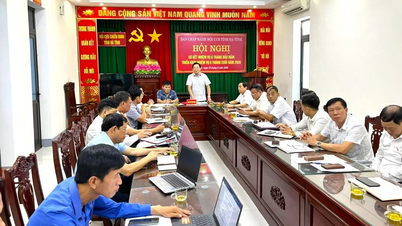
Lao Cai enters the new year with a proactive, confident, and hopeful attitude. After years of persistent preparation of infrastructure, resources, and mechanisms, the province is gradually creating favorable conditions to accelerate investment attraction, especially for large-scale, high-tech projects. The province's strategy of "clearing the nest to welcome the eagles" is being implemented systematically, with a focus on key areas, aiming to create new momentum for stable and sustainable economic development.

Over the years, the planning and development of industrial spaces, investment in infrastructure, improvement of mechanisms and policies, and enhancement of the investment environment have been implemented synchronously. This is a persistent but crucial preparatory process, laying the groundwork for Lao Cai to gradually welcome a new wave of investment in the future.
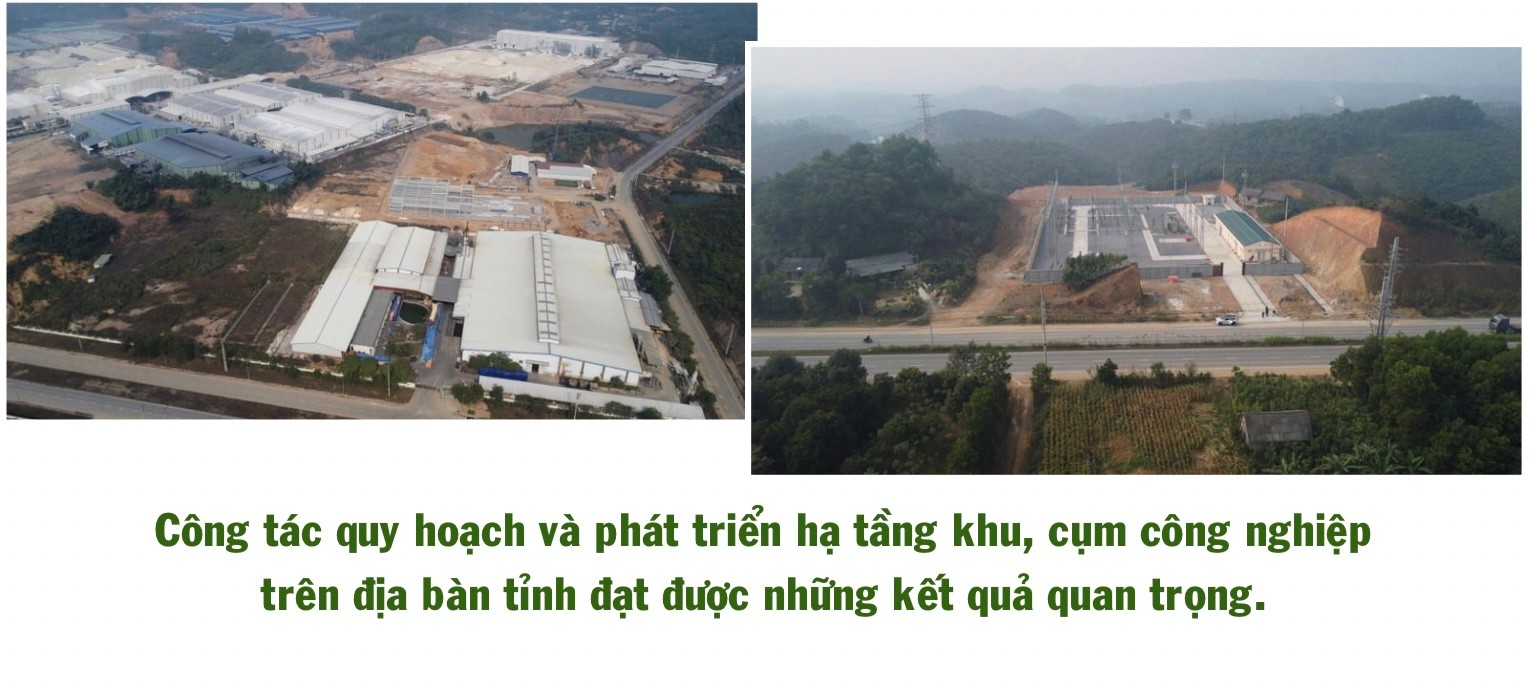
During the period 2021-2025, despite facing numerous unfavorable factors, the planning and development of industrial park and cluster infrastructure in the province achieved significant results. The system of industrial parks and clusters is gradually being formed in a concentrated manner, creating stable production spaces and limiting the situation of scattered production interspersed within residential areas. To date, the province has 7 industrial parks with a total planned area of over 2,140 hectares and 22 industrial clusters with a total area of approximately 860 hectares. This network not only facilitates state management and environmental control but also serves as an important condition for attracting large-scale, technologically advanced, and high-value-added investment projects.
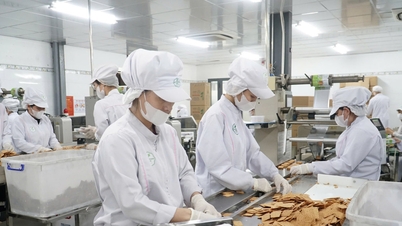
Production and business activities in industrial zones and clusters are increasingly stable, making a positive contribution to the province's overall growth. The total registered investment capital in industrial zones reached over 37,000 billion VND. Of this, more than 970 billion VND of state budget capital was allocated to investing in essential infrastructure projects. There are 230 investment projects in industrial zones, with 175 projects already in operation, contributing to improved efficiency in industrial land use and creating jobs for tens of thousands of workers.
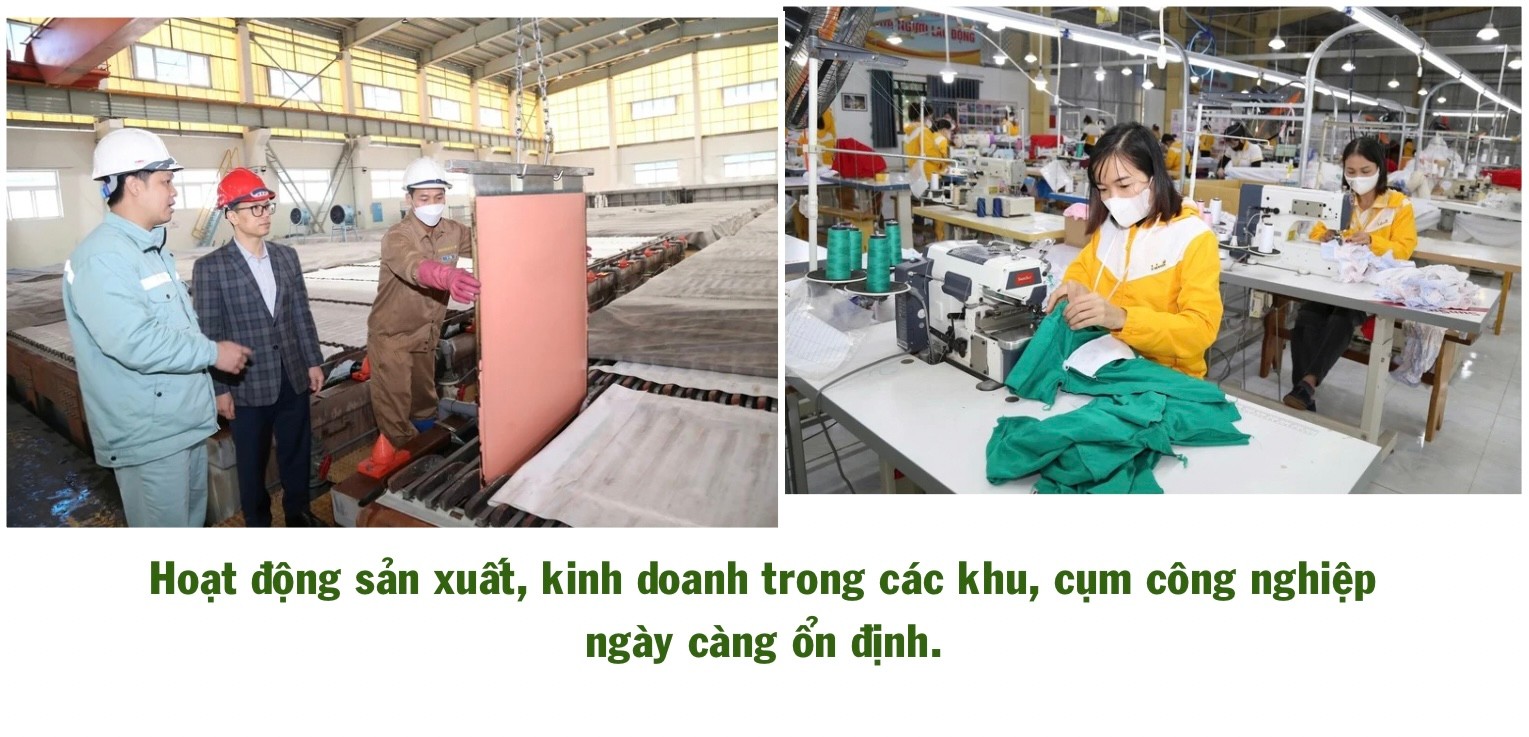
Notably, the Tang Loong Industrial Park stands out as a key industrial zone, playing a pivotal role in the province's industrial development. With a relatively comprehensive technical infrastructure, Tang Loong has become a large-scale center for specialized metallurgical and chemical industries, accounting for over 70% of the total industrial production value of all industrial parks in the province. This area has also been chosen by the province to gradually implement an eco-industrial park model, linking economic development with environmental protection.
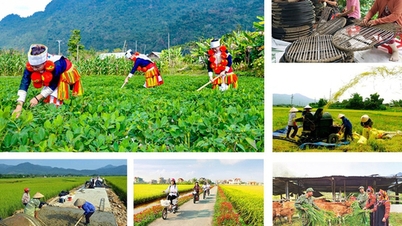
Along with industrial zones, the system of industrial clusters continues to play an important role in the development of industry, handicrafts, and traditional craft villages in the locality. To date, 233 projects have been implemented in these clusters, of which 198 are operational. In reality, the industrial cluster model is well-suited to the conditions of Lao Cai , contributing to job creation and increased income for the people, especially in rural areas and ethnic minority regions.


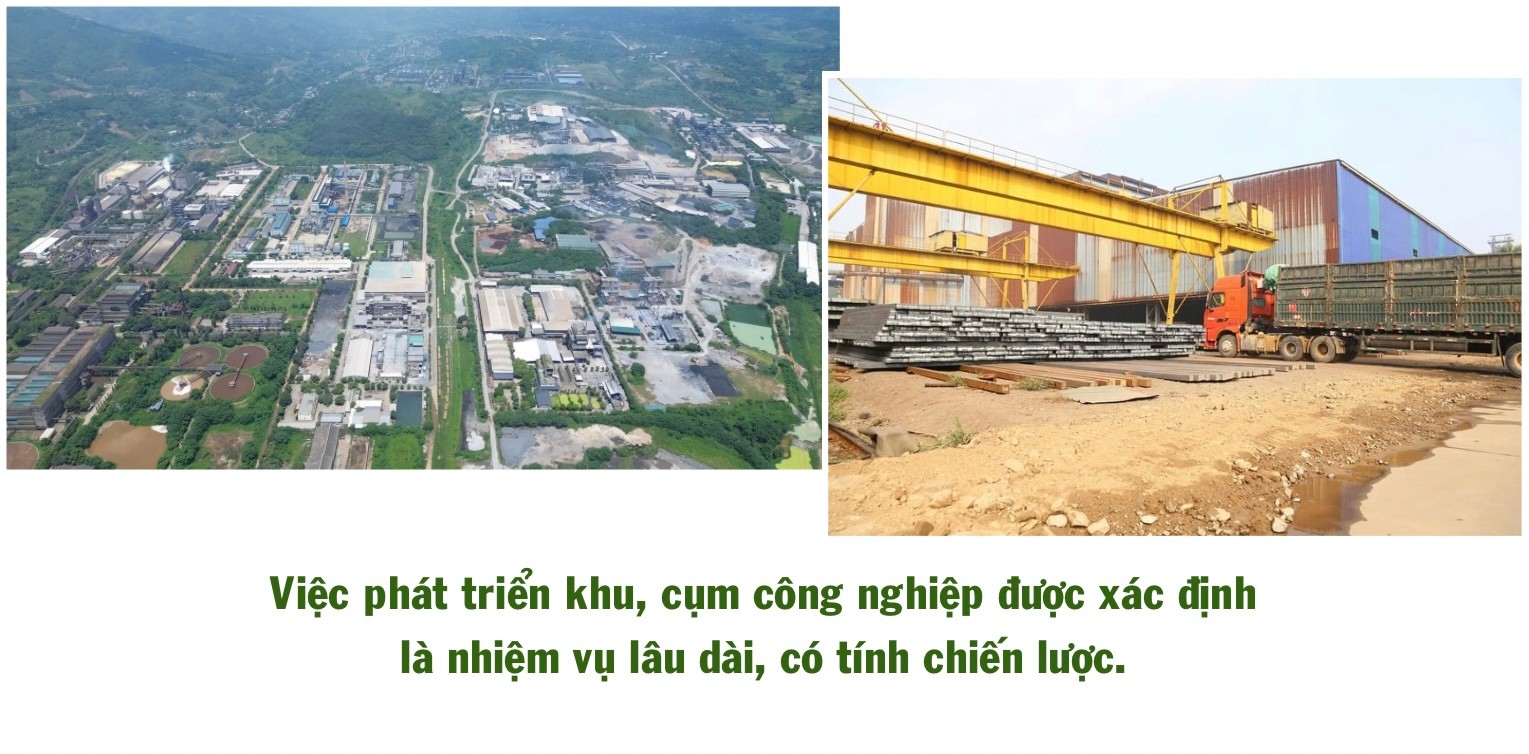
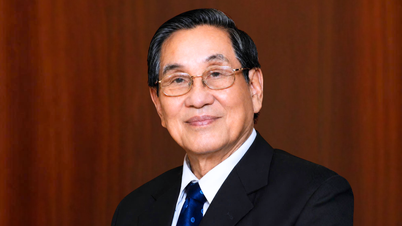
The development of industrial zones and clusters is identified as a long-term, strategic task. Mr. Hoang Chi Hien, Director of the Department of Industry and Trade of Lao Cai province, stated: “Lao Cai does not develop industry at all costs, but focuses on selecting industries that suit the local strengths, are linked to environmental protection requirements, and promote sustainable development. The planned industrial zones and clusters aim to gradually form value chains, increase the added value of products, and create stable jobs for workers.”
This perspective will be further concretized in the coming period, as the province focuses on creating clean land funds, ensuring readiness for investment projects. By 2026, Lao Cai aims to create at least 500 hectares of clean industrial land. This is a key task to anticipate the new wave of investment and enhance the competitiveness of the investment environment.

Alongside the development of industrial infrastructure, attracting foreign direct investment (FDI) has been identified by Lao Cai as one of the key drivers for economic restructuring. Currently, the province has 67 active FDI projects with a total registered capital of over US$1.08 billion. These projects focus on the industrial, commercial, service, and tourism sectors, gradually creating high value-added products.
By 2025, FDI enterprises in the province are expected to generate over $100 million in revenue, contribute approximately $22.6 million to the state budget, and create jobs for around 7,700 workers. Although the scale of FDI is not yet large compared to its potential, this sector is gradually asserting its role in supplementing resources for economic development, improving management skills, and promoting technology transfer.
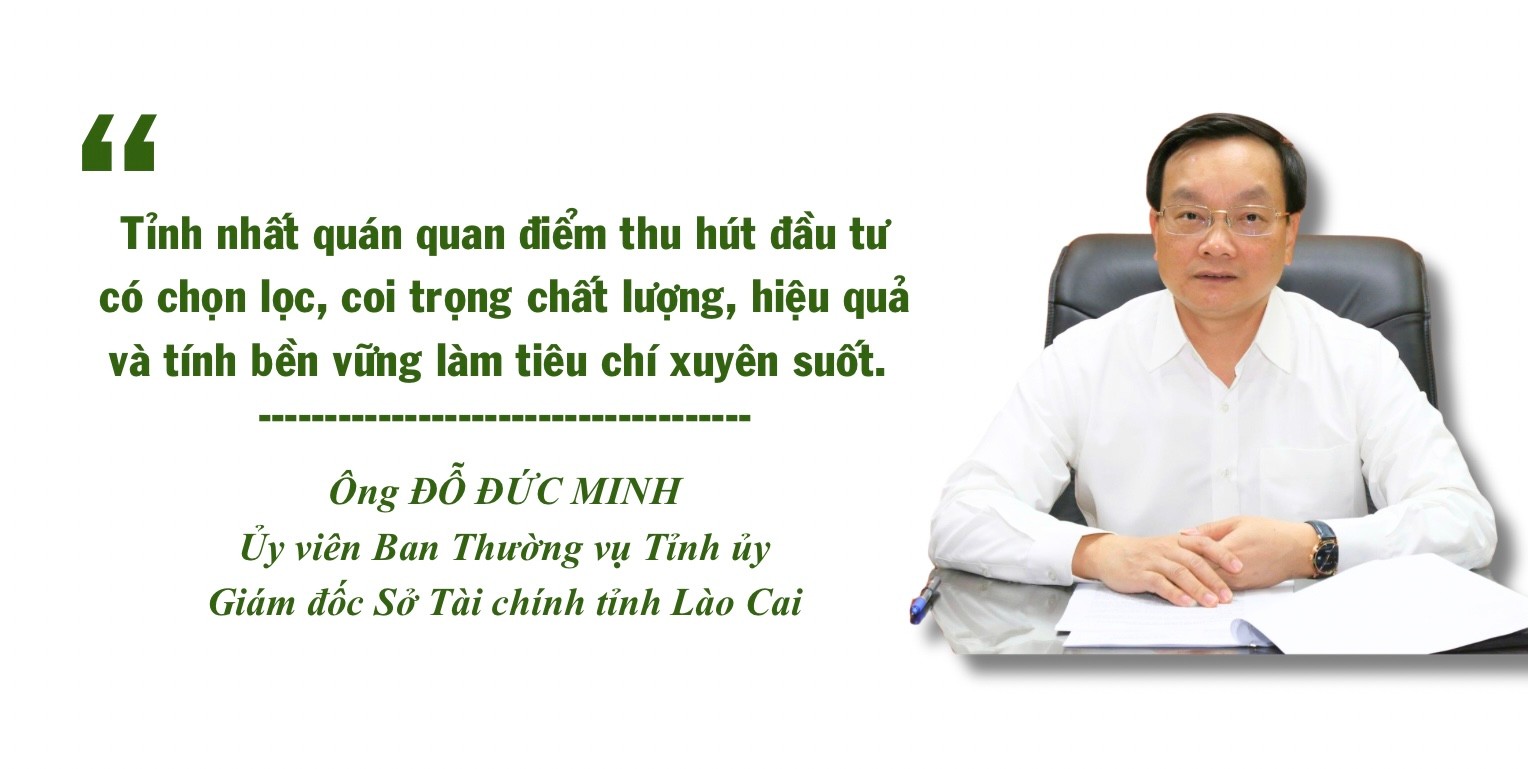
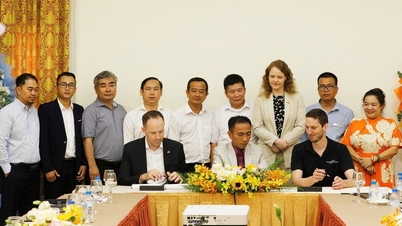
Sharing his views on investment attraction strategies, Mr. Do Duc Minh, Member of the Provincial Party Standing Committee and Director of the Department of Finance, stated that the province consistently adheres to a selective approach to attracting investment, prioritizing quality, efficiency, and sustainability as overarching criteria. According to Mr. Do Duc Minh, the work of advising on and developing financial mechanisms and policies is carried out in a transparent, stable, and legally compliant manner. This contributes to creating a favorable investment environment for businesses. This is an important foundation for investors to confidently choose Lao Cai as a long-term and sustainable destination.
Over the years, the province's budget management and public investment allocation have been focused and prioritized, giving priority to transportation infrastructure projects, industrial parks, and land development. In 2025 alone, the province's total public investment reached over 15,000 billion VND with a high disbursement rate. This resource contributes to creating production space, reducing input costs, and shortening project implementation time for investors.
Besides attracting investment, the province also focuses on the appraisal, monitoring, and evaluation of the effectiveness of FDI projects. Projects that are behind schedule, use outdated technology, or pose a potential risk of environmental pollution are reviewed and handled according to regulations, in order to ensure the efficient use of land resources and the preservation of the ecological environment.



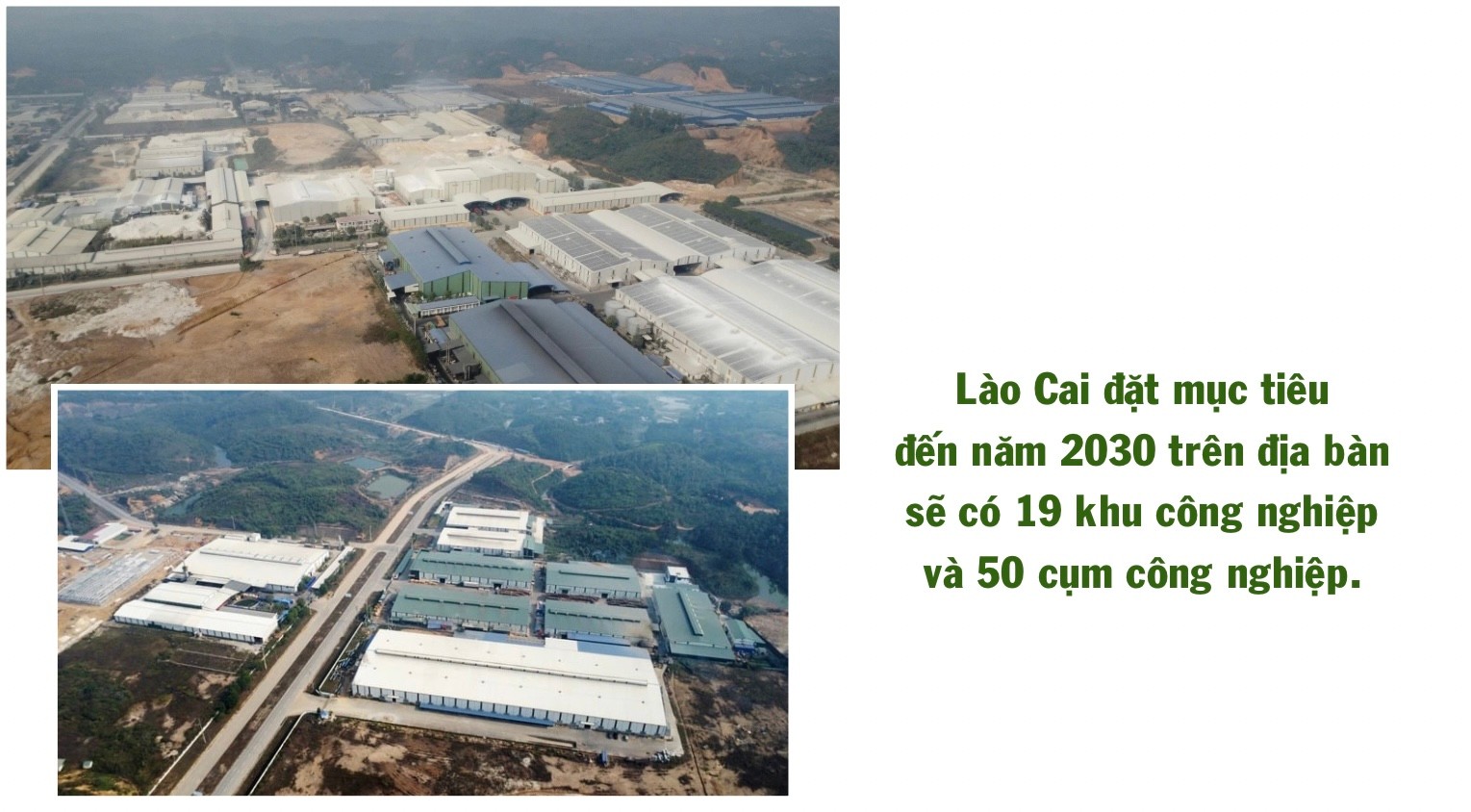
Lao Cai aims to have 19 industrial parks covering approximately 5,798 hectares and 50 industrial clusters covering nearly 2,648 hectares by 2030. The goal is to ensure 100% of industrial parks are equipped with standardized centralized wastewater treatment systems, while gradually developing eco-friendly industrial park models to meet the requirements of sustainable economic development. Simultaneously, many strategic transportation infrastructure projects are being implemented, such as the expansion of the Noi Bai - Lao Cai expressway, the Lao Cai - Hanoi - Hai Phong railway line, the development of the aviation system, and the completion of cross-border cooperation zones, smart border gates, and logistics... Once these projects are operational, Lao Cai will have favorable conditions to strengthen regional connectivity, reduce transportation costs, and enhance the competitiveness of the local economy, while also aiming to build Lao Cai into a growth pole and a center for international economic trade.
The well-prepared conditions for development, from infrastructure and mechanisms to human resources, are the foundation for Lao Cai to continue attracting investors with strong potential, advanced technology, and a long-term vision. Looking ahead, the strategy of "clearing the green nest to welcome the eagles" is not just a guideline, but is gradually being realized, contributing to bringing Lao Cai into a new phase of development.
Source: https://baolaocai.vn/don-o-xanh-don-dai-bang-post893839.html
![[Photo] General Secretary and President To Lam works with the Party Committee of the Government on the work of preventing and combating storms, floods, extreme natural disasters and climate change.](https://vphoto.vietnam.vn/thumb/1200x675/vietnam/resource/IMAGE/2026/06/29/1782729441945_a1-bnd-0385-9454-jpg.webp)



![[Image] A look back at the capital's preparations for the century-long master plan.](https://vphoto.vietnam.vn/thumb/1200x675/vietnam/resource/IMAGE/2026/06/29/1782750453122_quy-hoach-100-nam-minh-duy-1-2118-jpg.webp)