

Editor's Note : On the afternoon of March 25, 2026, at the Party Central Headquarters, General Secretary To Lam delivered the closing speech at the 2nd Plenum of the 14th Central Committee, conveying a message of strong action, strategic vision, and high political determination in leading the country into a new stage of development. Based on the "Four Firm Principles" of politics and ideology, the goal of "double-digit" growth is set along with the requirement to ensure quality, sustainability, and social equity, while promoting strong reforms of the local government model towards a streamlined, effective, and efficient model. The speech not only established development principles but also demonstrated a very clear political determination: to shift from a growth-oriented goal to a disciplined, limited, and responsible approach to future growth. VietNamNet is pleased to present articles in response to this speech. |
In his closing remarks at the 2nd Plenum of the 14th Central Committee, General Secretary To Lam concluded the entire spirit of the conference with a motto for action rich in political will and profound humanistic values: "Strategic autonomy - Steadfast adherence to the two strategic goals for the next 100 years - Working together, united in purpose, determined and resolute for the prosperous and happy life of the people."
More than just a call to action, it's a grand vision for national development in this new era: every policy decision, every reform, every growth effort must ultimately be directed towards the people, towards the real lives of the people.
In the political life of a nation, some statements remain mere slogans, while others contain a philosophy of action. The words that General Secretary To Lam emphasized at the end of his closing speech at the 2nd Plenum of the 14th Central Committee belong to the latter. Because in it, we see not only a spirit of determination, but also a clear order of priorities for the country in this new phase: from strategic autonomy and unwavering commitment to the century-long goal, to the strength of social consensus, and ultimately, the prosperous and happy life of the people.
It is noteworthy that this motto does not end with grand concepts such as growth, institutions, or national power, but concludes with two very familiar words: the People. This is what gives the message its intellectual depth and cultural weight.
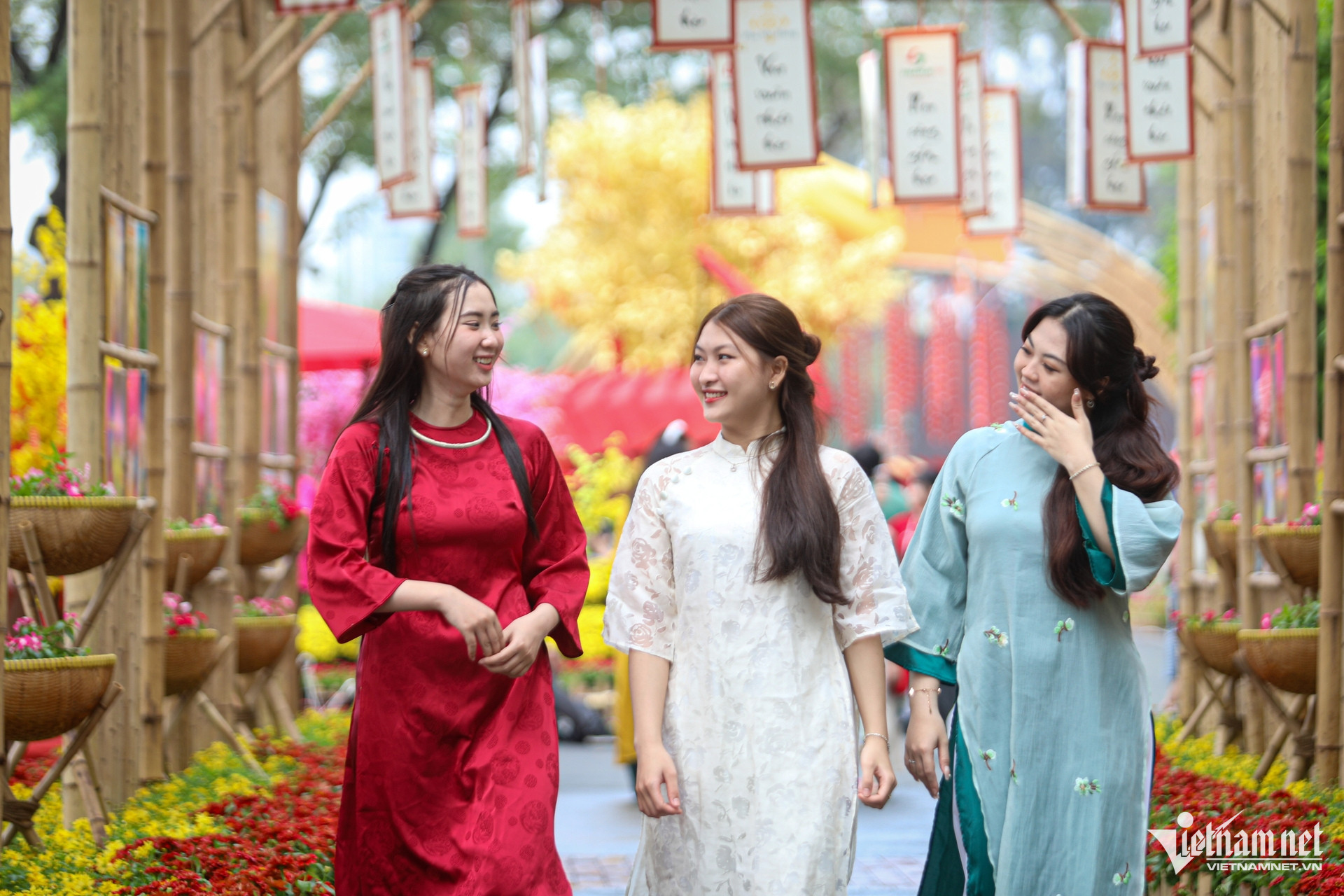

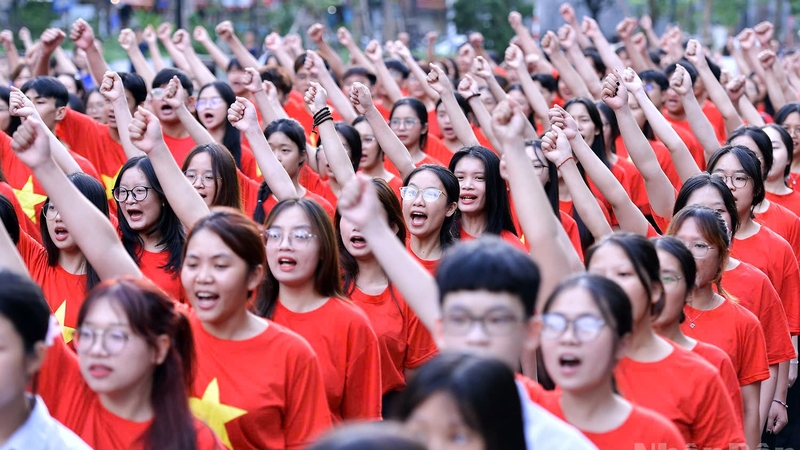
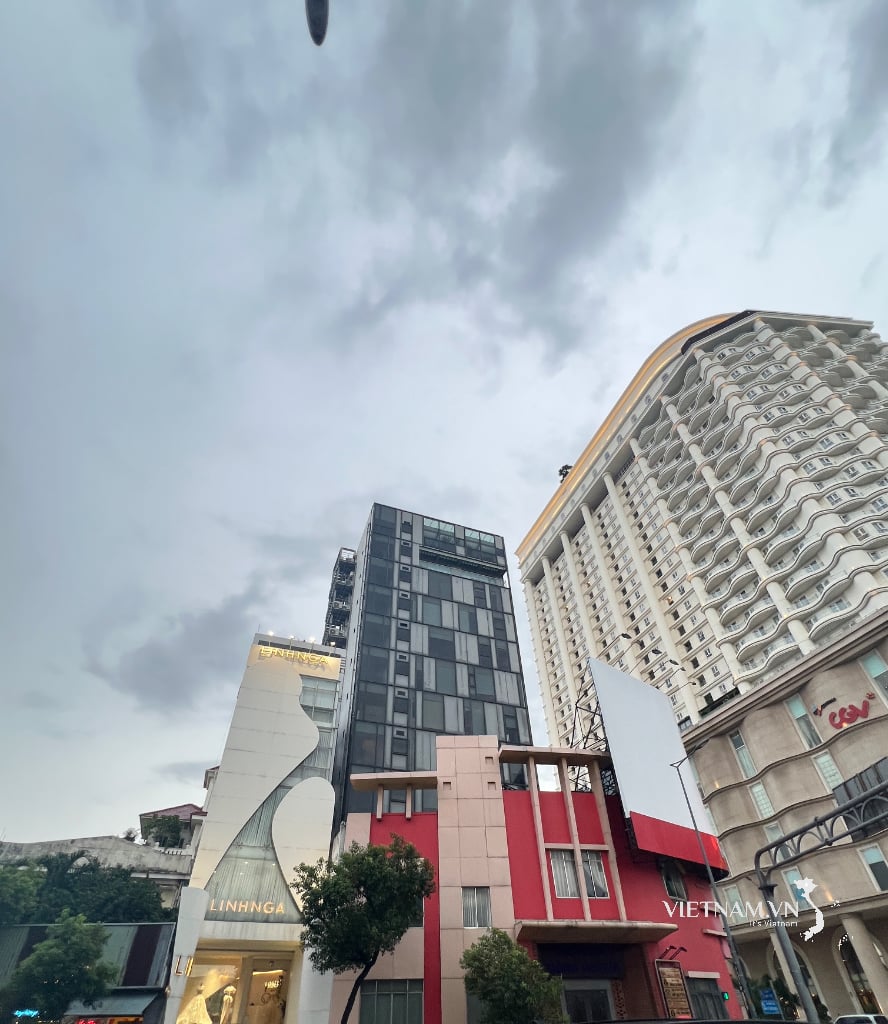
Happiness is not only the result of growth, but also the result of good governance, a healthy culture, and a society that values its people. Photo: Nguyen Hue
A country that wants to progress cannot rely solely on economic indicators, much less on administrative orders. A country that desires sustainable development must know how to unleash the power of its people, unite their hearts and minds, strengthen social trust, and make its citizens feel truly at the center of all policies.
When General Secretary To Lam spoke of "working together, united in purpose, determined and resolute," it was not only a call for the entire political system to act more forcefully, but also a reminder that no sustainable success can be achieved without social consensus, without the active participation of the people, and without trust between the Party, the State, and the people.
In his speech, General Secretary To Lam repeatedly emphasized the quality of development, the requirement for high but sustainable and substantive growth, and especially the need to improve the material and spiritual lives of the people and ensure social justice. This shows an increasingly clear understanding: development is not simply a race for numbers.
The ultimate goal is human development.
Growth, ultimately, is not the ultimate goal. The ultimate goal of development is people. An economy may experience impressive growth, but if people remain insecure, if the development gap continues to widen, and if many people have not yet felt the benefits of innovation in their daily lives, then that development cannot be considered complete.
Therefore, when General Secretary To Lam affirmed the principle that "high economic growth must ensure that it serves the interests and improves the material and spiritual lives of the people and social justice," it was not just an economic principle, but a declaration of the essence of the regime: All efforts must be for the people.
Here, it's important to understand that "well-being and happiness" is not a general statement. Well-being refers to the necessary material conditions for people to live stably, have income, employment, and access to education, healthcare, housing, and social welfare. But happiness is much broader. Happiness is when people feel respected, listened to, and better served; when they don't have to endure unnecessary inconvenience; when they believe their efforts are recognized and their legitimate rights are protected; when they live in a safe, fair social environment with faith, opportunity, and hope.
In other words, happiness is not just the result of growth, but also the result of good governance, a healthy culture, and a society that values its people.
Therefore, the phrase "working together in unity" in the action motto put forth by General Secretary To Lam has a very profound meaning. It is a requirement for the entire Party, the entire people, and the entire army to look in the same direction, to place the common good above local interests, and to transform the aspiration for development into concrete actions in each field, at each level, and in each sector.
But more profoundly, it is also an affirmation of the strength of national unity – Vietnam's greatest resource throughout its history. We overcame war with that strength. We overcame poverty, blockades, and embargoes with that same strength. And today, if we want to enter a new stage of development that is faster, more sustainable, and more comprehensive, we must still rely on that strength.
But true unity cannot be achieved through mere appeals. Unity must be built on trust. And trust can only be nurtured by the practical effectiveness of policies, by the integrity and strength of the system, by the spirit of service to the people of the officials, and by resolutely and continuously fighting corruption, waste, and negative practices without exception.
In his speech, General Secretary To Lam placed the work of inspecting, supervising, and controlling power, as well as preventing and combating corruption, waste, and negative practices, in direct relation to the requirements of rapid and sustainable development. This is a very correct perspective. Because if power is not controlled, if group interests overshadow the common good, and if waste erodes national resources, then not only will the economy be harmed, but social trust will also be eroded. And once trust declines, "unity of purpose" will only remain a wish, not a reality.
Another noteworthy point in General Secretary To Lam's speech was the requirement to use the satisfaction of citizens and businesses as a genuine measure, the ultimate criterion for evaluating the success of the two-tiered local government model. This is a very clear indicator of modern and humane governance thinking.
The state cannot judge itself solely by the number of procedures processed, the number of departments streamlined, or the number of documents issued. The state must be judged by the people's perceptions in real life: are they less inconvenienced, are they served faster, are their problems resolved on the spot, and do they feel the government is closer to the people and more effective? Using people's satisfaction as a measure means truly putting people at the center, not just in words.
From a cultural perspective, this is even more significant. Because development requires not only good institutions but also a good culture of implementation. A correct policy, if implemented by an indifferent, irresponsible, bureaucratic, and rigid system, will have its effectiveness greatly diminished. Conversely, a policy implemented with dedication, a culture of service, and respect for the people will create a very positive ripple effect.
Therefore, "determination and decisiveness" is not only a requirement for speed of action, but also a requirement for quality of implementation, for public service ethics, and for the sense of responsibility of each official and Party member towards the people.
Development linked to social justice.
Beneath the depth of the motto outlined by General Secretary To Lam, we also see a very humane message: development must be linked to social justice. This is especially important in the context of the country aiming for high growth. The history of many nations shows that if we only focus on the growth rate without paying attention to the equitable sharing of the fruits of development, inequality will increase, society will easily become stratified, conflicts of interest will arise, and stability will be threatened from within.
General Secretary To Lam emphasized that all policies, projects, and investment resources must be aimed at creating real value for the people, increasing income, contributing to poverty reduction, narrowing the development gap, improving social welfare, and ensuring the legitimate rights and interests of all strata of the people. This is a very clear way of framing the issue of fairness in development.
Ultimately, a strong nation is not just one with a large economy, but also one where its people feel their lives are meaningful, secure, and have a future. A powerful nation is not measured solely by the scale of investment or growth rate, but also by the reliability of its institutions, the quality of its cultural life, the strength of its social bonds, and the people's faith in the path their country is taking.
Therefore, the phrase "for the prosperous and happy life of the people" at the end of the motto is not just a social goal. It is a standard for reflecting all development efforts. It is a measure to assess the true value of all reforms. And it is also a reminder that the ruling Party is not here to rule, but to serve.
In the journey towards achieving our 100-year strategic goals, the country will undoubtedly face many difficulties and challenges. But if we maintain strategic autonomy, remain steadfast in our objectives, unite the strength of social consensus, and place the interests and happiness of the people at the center, then we have reason to believe that all great aspirations can be realized. The important thing is not just to move quickly, but to move in the right direction; not just to achieve high growth, but to ensure that every citizen feels they are living in a more developed, equitable, decent, and livable country.
"Working together, united in purpose, determined and resolute for the prosperous and happy life of the people" is therefore not just the concluding words of a speech. It is a call to action. But more profoundly, it is a political promise, a moral commitment, and a cultural orientation for a new phase of national development.
And in that very depth, we see more clearly than ever: The greatest strength of a nation lies not only in its resources, capital, or technology, but in the hearts of its people, in their faith, and in its ability to truly make its people happy on the path of national development.
Source: https://vietnamnet.vn/dong-long-vi-hanh-phuc-nhan-dan-2501135.html




![[Photo] Close-up of an Australian warship visiting Tien Sa port, Da Nang](https://vphoto.vietnam.vn/thumb/1200x675/vietnam/resource/IMAGE/2026/03/28/1774675489416_tau-5-jpg.)
























































Comment (0)