

Shifting from small-scale production to a collaborative mindset.
Over the past period, the Provincial Party Committee has clearly defined the direction of agricultural and forestry development along the value chain, applying high technology, and ensuring products meet standards in terms of quality, economic efficiency, and environmental protection. This policy has gradually been put into practice, creating significant changes in the production structure and the mindset of farmers.
Agricultural, forestry, and fisheries production has undergone positive changes towards specialization, closely linked to market demand. The average growth rate of agricultural, forestry, and fisheries production value during the 2020-2025 period has been quite high; food security is firmly ensured. Many key products and specialties such as Yellow cattle, mint honey, Bong fish, Shan Tuyet tea, high-quality specialty rice, oranges, pomelos, etc., are gradually improving in quality and building brands.
 |
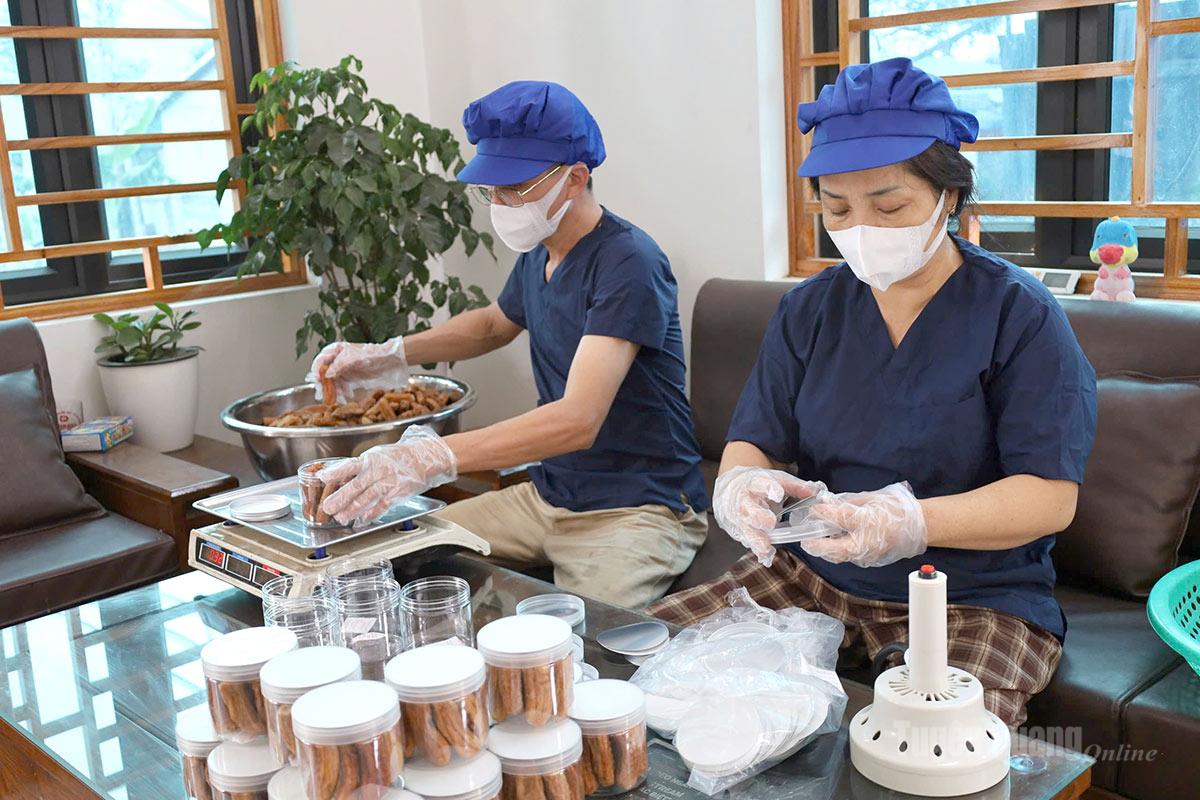
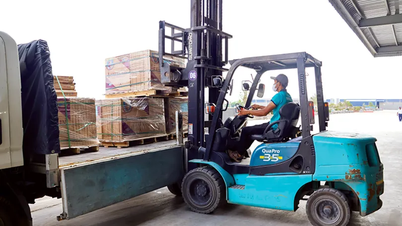
| Packaging products at Chieu Yen Clean Banana Cooperative. |
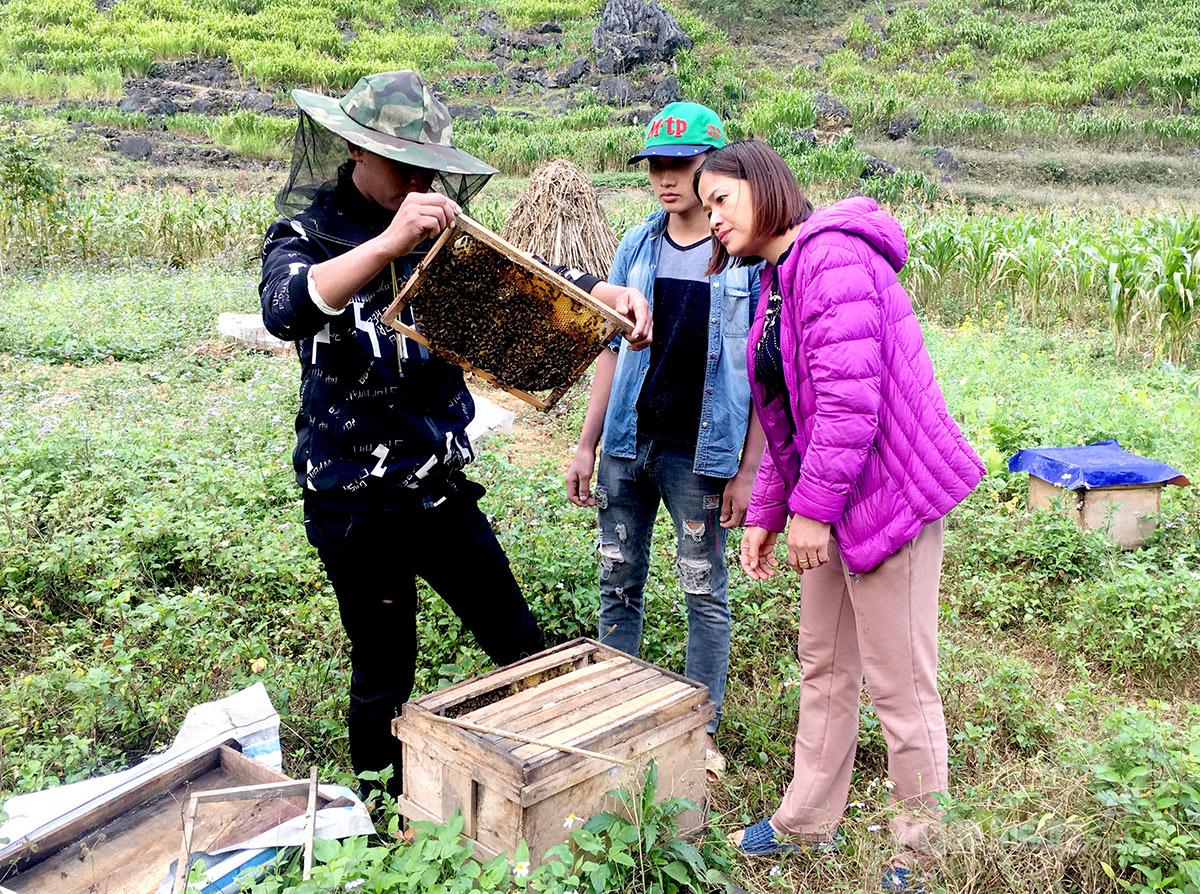
Tuan Dung Cooperative (Meo Vac commune) is one of the leading units in building the peppermint honey value chain in the rocky plateau region. Mr. Then Van Hai, Director of the Cooperative, said: The unit collaborates with hundreds of households, creating jobs for hundreds of seasonal workers and maintaining approximately 5,000 bee colonies annually. The production, processing, and consumption of honey reaches about 30,000 liters per year. The unit continuously invests in production lines, improves product designs, and gradually meets the increasingly stringent requirements of the market.
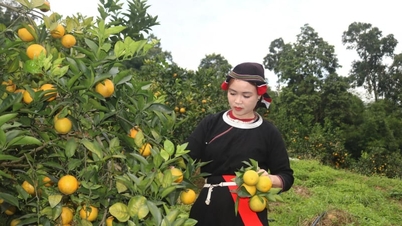
In the agricultural sector, the province has promoted the application of advanced techniques in seeds and science and technology. The total area planted with agricultural crops annually reaches over 207,000 hectares; the total food production reaches over 780,000 tons, ensuring food security. Specifically, the area for improving and enhancing the quality of mandarin oranges has reached over 685 hectares, with a total investment loan of over 40 billion VND. The orchards, invested according to proper technical procedures, yield an average of 115 quintals/hectare, an increase of 5-10.5 quintals/hectare, and a profit increase of 22 million VND/hectare/year compared to areas without investment loans.
Simultaneously, the province has guided organizations and individuals to maintain production according to VietGAP and organic standards, with over 5,130 hectares of crops certified. This includes over 3,152 hectares VietGAP; over 2,111 hectares according to Rainforest, EU, and Thai standards; over 364 hectares according to organic standards; and 8 hectares according to GlobalGAP standards. Characteristic agricultural products such as pomelo, oranges, tea, temperate fruit trees, and medicinal plants are gradually forming value chains, aiming for export.
The Chieu Yen Clean Banana Cooperative (Luc Hanh commune) is gradually establishing its position in both domestic and international markets, with its products achieving OCOP 3-star provincial certification and being exported to the United Kingdom. Mr. Nguyen The Hai, Director of the Cooperative, shared: "Exporting not only brings income but also pride to farmers, affirming the potential of local agricultural products when appropriate strategies are taken."
In the livestock sector, concentrated commercial livestock farming areas following the farm and family farm model continue to be formed. The province has 51 establishments certified VietGAP, and 14 establishments certified as disease-free. Two products have been granted geographical indication certificates: Ha Giang beef and Ha Giang Bong fish; simultaneously, the application for geographical indication protection for Chiem Hoa buffalo meat has been completed. The buffalo and cattle insurance program has been actively implemented with 4,039 participating households, insuring 5,287 animals, contributing to risk reduction and production stability.
Affirming the value of agriculture and forestry.
Taking advantage of its water resources, the province's fisheries sector has developed towards intensive, semi-intensive, bio-secure, and VietGAP-compliant farming. The entire province has established concentrated fisheries production areas with a total area of 18,601 hectares; the average yield is approximately 2 tons/ha. Coldwater fish farming, with a tank volume of 33,726 m2, yields about 260 tons; specialty fish farming, with 1,364 cages, produces 2,874 tons, bringing high economic value.
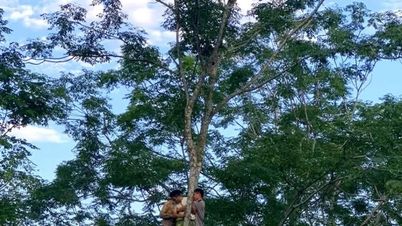
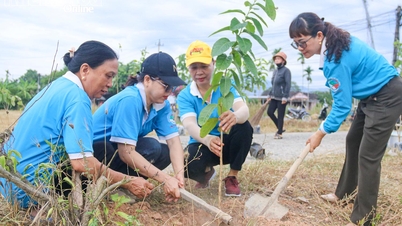
Forestry continues to be a pillar of the rural economy. The area of natural forests is protected stably, with a forest cover rate of 62.2%. The area of planted forests certified under the FSC sustainable forest management system has reached over 89,094 hectares, ranking first nationwide. Payments for forest environmental services, totaling over 691 billion VND, have contributed to increasing income and creating sustainable livelihoods for people participating in forest protection.
 |
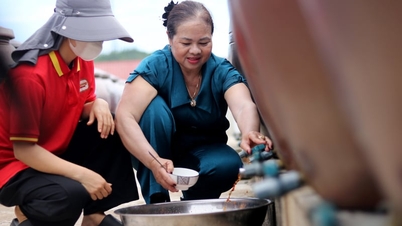
| Workers at Tuan Dung Cooperative (Meo Vac) inspect bee colonies during the mint flowering season. |
Notably, the province promptly issued policies to concretize the development of production in the implementation of national target programs. The entire province approved 2,494 projects, with a total disbursed state budget of over 940 billion VND; including 179 projects developing production linked along the value chain. As a result, many households have gained additional stable income, rising out of poverty; the multidimensional poverty rate decreased by an average of 4.86% per year.
Comrade Nguyen Anh Duc, Secretary of the Party Committee of Bang Lang commune, said: Agricultural programs are always closely linked to the construction of new rural areas. The synchronized investment in infrastructure better meets the living, learning, and healthcare needs of the people. At the same time, agricultural projects and models have awakened a spirit of initiative and consensus within the community, with people actively participating in production development, increasing income, and preserving the environment.
In addition, the management of quality and food safety in agriculture, forestry, and fisheries has been strengthened; 100% of establishments managed at the provincial level and 96% of establishments managed at the commune level have been granted food safety certificates. The entire province maintains 50 safe food supply chains; 457 OCOP products have achieved 3 stars or higher, including 2 5-star products.
According to Mr. Trinh Van Binh, Deputy Director of the Department of Agriculture and Environment, despite remaining difficulties in supply chain linkages, deep processing, highly skilled technical personnel, and investment resources, the province is gradually shaping a path of sustainable agricultural development, aiming towards green, circular agriculture and comprehensive rural development by 2030, based on practical lessons learned.
From today's fields, farms, and forests, an ecological agriculture, a modern rural environment, and civilized farmers are gradually emerging, becoming an important driving force for the province's sustainable development in the future.
Text and photos: Hai Dang
Source: https://baotuyenquang.com.vn/kinh-te/202602/dong-luc-ben-vung-cho-nong-thon-dfd2713/


















































































Comment (0)