Since the Kremlin launched its special military operation in Ukraine last February, the European Union (EU) has imposed extensive and unprecedented sanctions on Russia, including targeted restrictions (sanctions against individuals), economic sanctions, and visa restrictions.
To date, 11 packages of sanctions against Russia have been issued and implemented, with nearly 1,800 individuals and organizations on the "blacklist," while a 12th package of sanctions was just announced by the European Commission (EC) on November 15.
The EU's aim in imposing economic sanctions is to make Russia pay a high price for the war in Ukraine, while also limiting the flow of funds into the Kremlin's "war chest."
According to the official website of the Council of Europe, as of October 12, 2023, €21.5 billion of Russian assets were frozen in the EU, €300 billion of assets from the Central Bank of Russia (CBR) were frozen in the EU and G7 countries, €43.9 billion worth of exports to Russia were sanctioned, and €91.2 billion of imports from Russia were blocked from entering the EU.
The EU has partnered with the Price Ceiling Alliance, which includes the G7 and Australia, to limit prices on seaborne crude oil, petroleum products, and bituminous mineral oils originating from or exported from Russia.
Another package of sanctions
The main focus of the new round of restrictions proposed by the EC last week is to further crack down on the Kremlin's ability to circumvent sanctions, particularly targeting the "shadow fleet" of Russian oil tankers that do not adhere to price caps.
The proposal, currently under discussion at the EU ministerial level, includes banning the sale of oil tankers to Russia and requiring third-party buyers to include a clause prohibiting the tankers from being resold to Russia or used to transport oil originating from Russia at a price above the ceiling.
EU officials have dodged the question of why they delayed the latest EU sanctions package against Russia, despite a public announcement by European Commission President Ursula von der Leyen in Kyiv two weeks earlier.
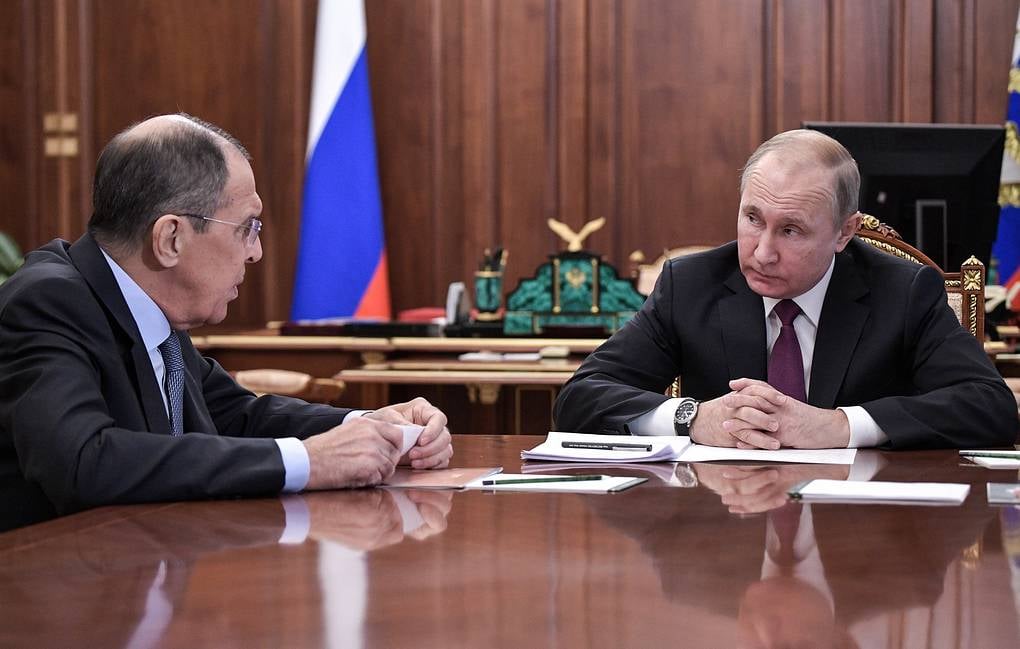
Russian Foreign Minister Sergey Lavrov and President Vladimir Putin are among 1,800 individuals sanctioned by the EU over the war in Ukraine. The EC plans to target 120 more individuals and organizations in its 12th round of sanctions against Russia. Photo: TASS
Additionally, the 12th round of sanctions also includes Russian diamonds, after the EU overcame opposition from Belgium, home to the diamond capital Antwerp. The ban targets imports of natural and synthetic non-industrial diamonds from Russia, as well as diamond jewelry originating from Russia, starting in early 2024.


The import, sale, and transfer of diamonds transiting through Russia, and Russian diamonds cut and polished in third countries such as India, will also be prohibited, but this will be implemented in stages.
"The gradual implementation of these indirect import bans is aimed at deploying a suitable traceability mechanism that allows for effective enforcement and minimizes disruption to market participants," the proposal document accessed by Euractiv states.
The new sanctions package also targets exports of machine tools and machine parts that Russia uses to manufacture weapons and ammunition.
Furthermore, the EU plans to impose economic sanctions on third countries if they fail to comply with Western sanctions or cannot explain a sudden increase in the trade of "contraband."
Shift from enforcement to compliance
But behind this new package of sanctions, a crucial question arises: How much sanctions is enough when there are still things related to Russia that the EU cannot touch?
The arduous process of developing a proposal for a new sanctions package, which began to be discussed by EU ambassadors on November 17, shows that the effects of sanctions in Brussels are slowing down.
Despite pressure from hawkish member states – such as Lithuania and Poland – on sanctions against Russia, it is increasingly unlikely that other member states will vote for maximumist sanctions proposals, including those targeting Russia's nuclear sector, liquefied petroleum gas (LPG), liquefied natural gas (LNG), and steel.
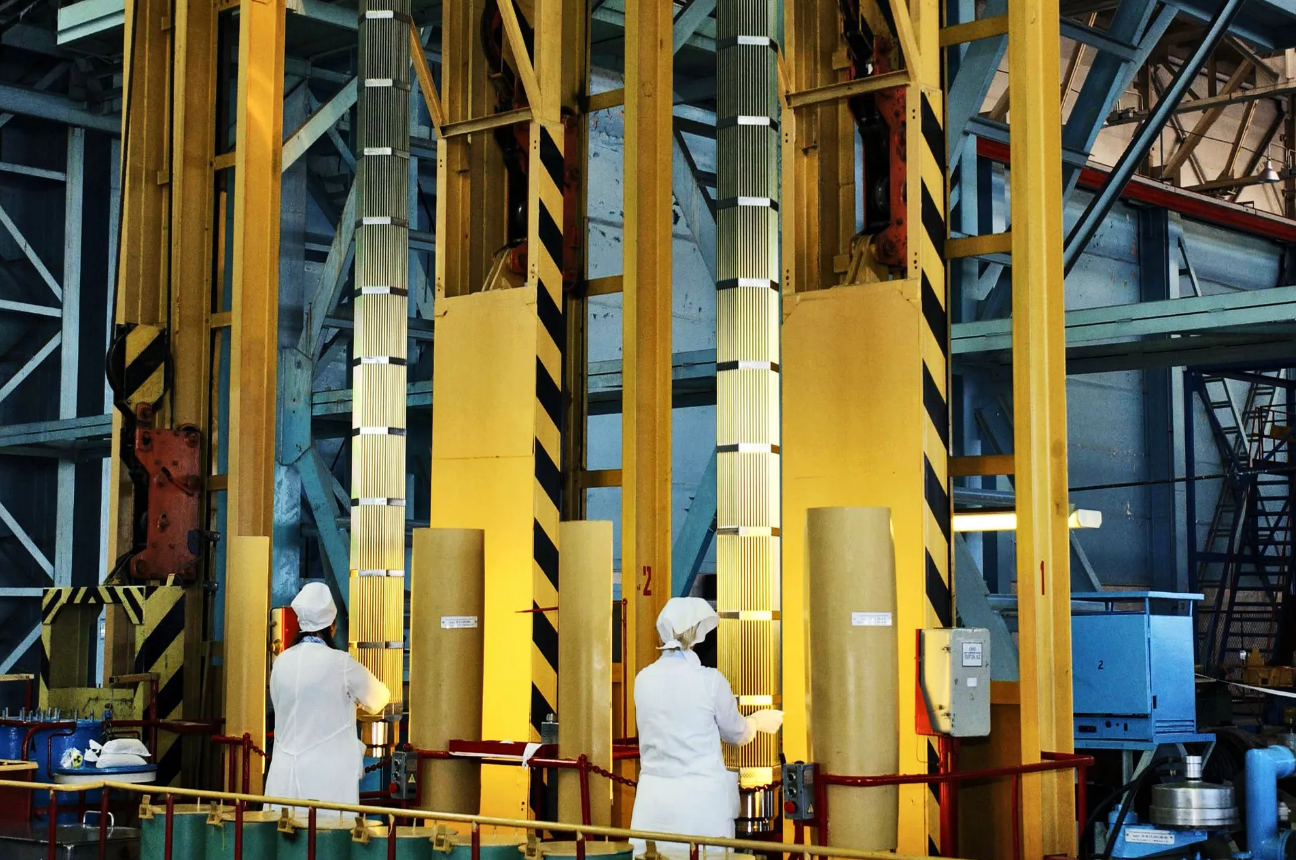
Workers inspect fuel bundles of the VVER-100 water-cooled and regulated reactor at Russia's Novosbirsk chemical concentrate plant. Photo: TASS
On November 18, Slovak Foreign Minister Juraj Blanar stated that the condition for the country, which shares an eastern border with Ukraine, not to veto the latest sanctions package is that it must not include restrictions on importing nuclear fuel from Russia, calling it a "red line" for Bratislava.
Furthermore, EU officials and diplomats have questioned whether labeling future measures as "sanctions packages" remains justifiable in the long term. But ultimately, the biggest headache remains the effectiveness of these restrictive measures.



Indeed, on November 18, Mr. Blanar also questioned the effectiveness of the entire sanctions policy that the EU has pursued since the beginning of the conflict between Moscow and Kyiv. The top Slovak diplomat said: "Eleven packages of sanctions have not stopped Russia, while the EU economy is heading towards recession."
It is also becoming increasingly common for countries and businesses to circumvent Western sanctions against Russia.
EU envoy David O'Sullivan was appointed to ensure European sanctions were enforced, but despite traveling to third countries, he lacked the leverage to persuade them to comply with the bloc's policies.
EU sanctions experts are pointing to the need to shift from enforcement to compliance with sanctions .
Minh Duc (According to Euractiv, RT, European Council website)
Source

![[Photo] Strengthening character and expertise: Intense training for artillery soldiers.](https://vphoto.vietnam.vn/thumb/1200x675/vietnam/resource/IMAGE/2026/06/30/1782815602541_lu-368-1875-4571-jpg.webp)