

According to MXV, Arabica coffee prices increased by 3.23% and Robusta coffee prices were 2.62% higher than the reference price, supported by the decline in the USD/BRL exchange rate.
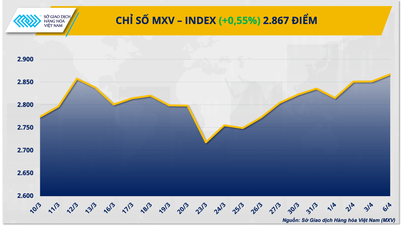
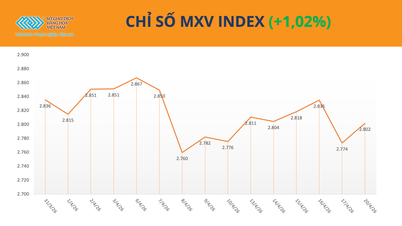
According to the Vietnam Commodity Exchange (MXV), the global raw materials market showed mixed performance yesterday (December 5th). However, buying pressure prevailed, pushing the MXV-Index up 0.46% to 2,188 points. Notably, the prices of both Arabica and Robusta coffee extended their gains for the second consecutive session. Simultaneously, the agricultural sector also saw price increases across the board, with 6 out of 7 commodities rising simultaneously.
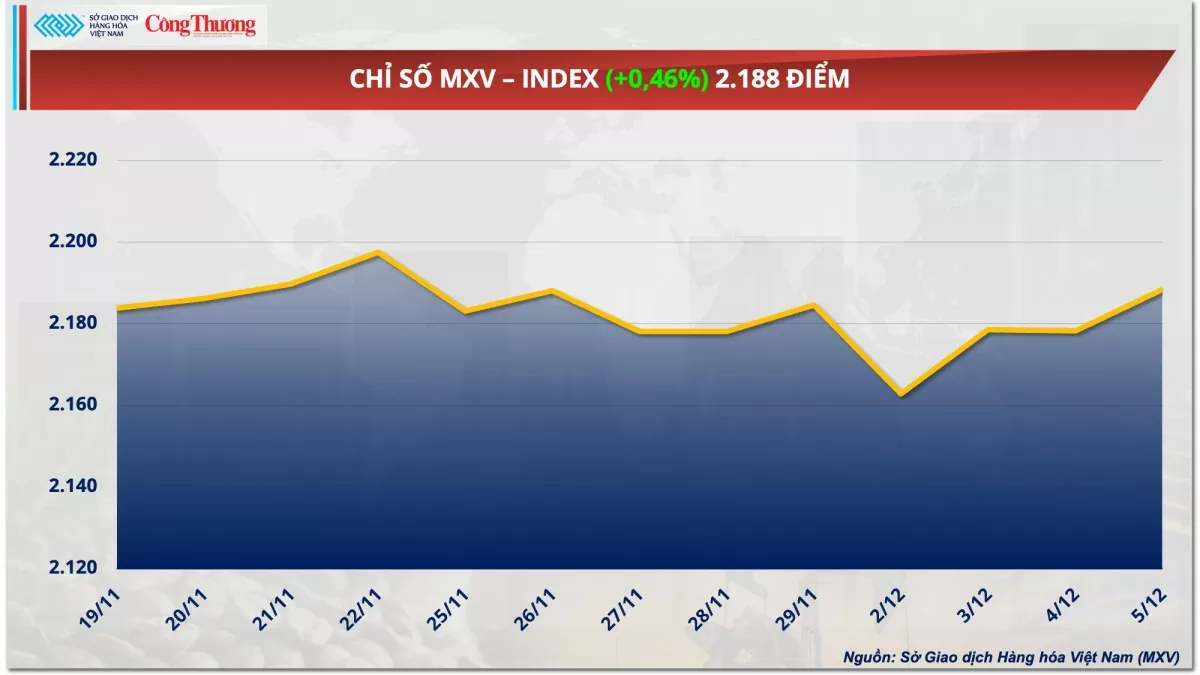 |
| MXV-Index |
Coffee prices rose for two consecutive sessions.
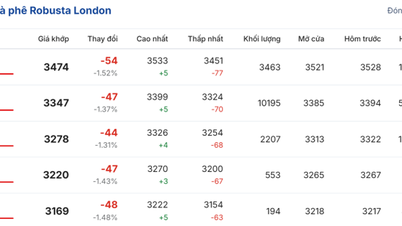
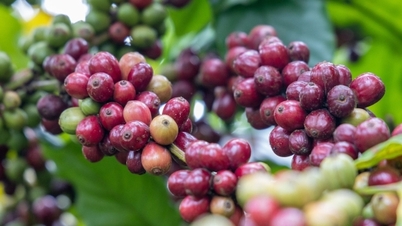
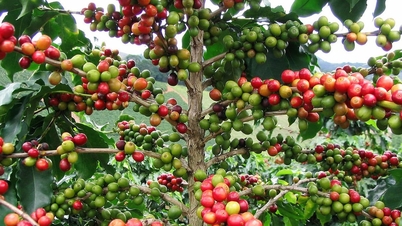
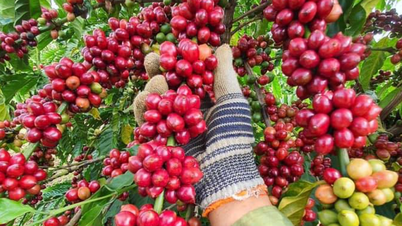
At the close of yesterday's trading session, green dominated the price charts for industrial raw materials. In particular, the prices of both coffee commodities increased sharply. Specifically, Arabica coffee prices rose 3.23% and Robusta coffee prices were 2.62% higher than the reference price, supported by the decline in the USD/BRL exchange rate.
Yesterday, the Dollar Index fell 0.57%, resulting in a 0.49% lower USD exchange rate compared to the previous day. This narrowing of the exchange rate has discouraged Brazilian farmers from increasing coffee sales due to the reduced benefits from the currency difference. Meanwhile, this has encouraged speculators to continue buying.
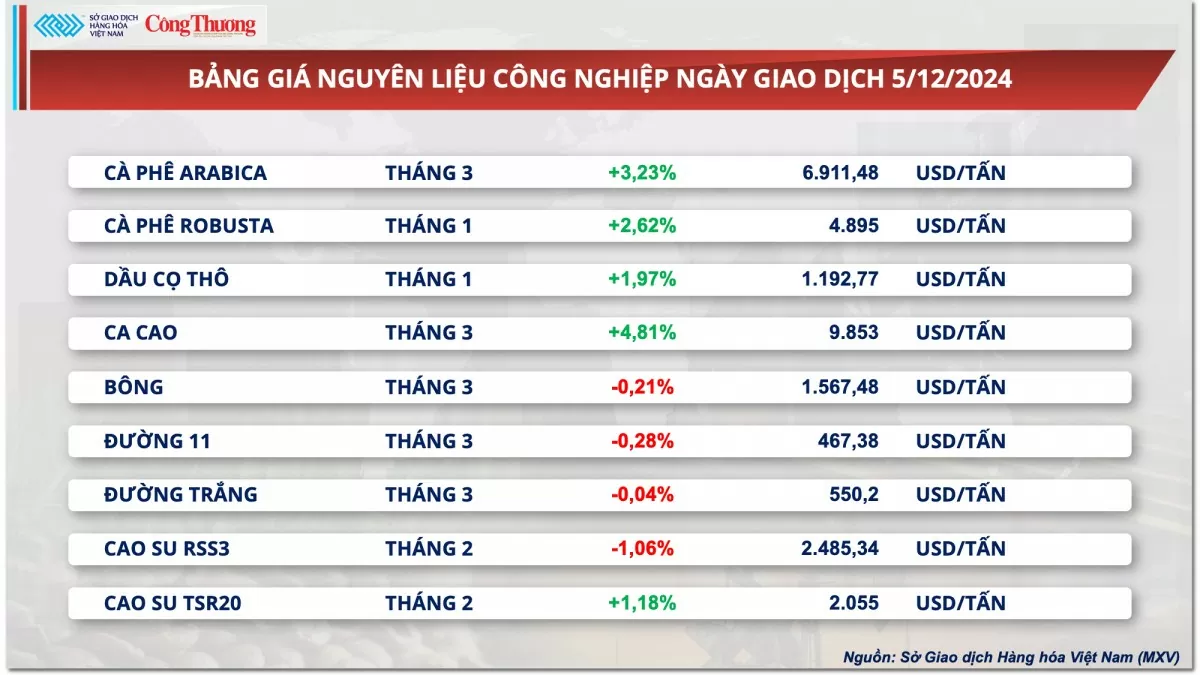 |
| Industrial raw material price list |
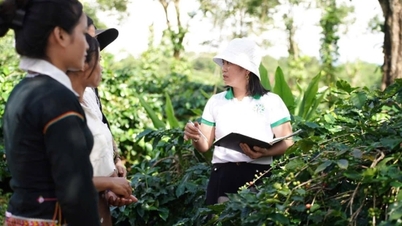
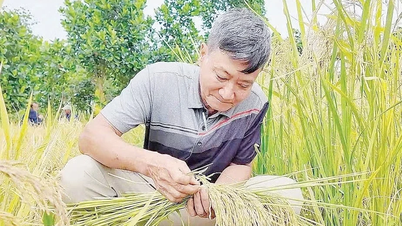
Additionally, according to Barchart, rain is hindering coffee harvesting in Vietnam. This is also one of the important factors that continued to support prices in yesterday's session.
However, yesterday, the market continued to receive positive signals regarding coffee supply in Colombia. This information also helped to limit a sharp increase in coffee prices. The Colombian Coffee Federation (FNC) estimates the country's 2024 coffee production at 13.6 million 60kg bags, a 20% increase compared to 2023 and 600,000 bags higher than previous forecasts thanks to disease control and adaptation to climate change. At the same time, the FNC also reported that in November, the country produced 1.76 million 60kg bags of washed Arabica coffee, a 37% increase compared to the same period in 2023. Along with that, coffee exports in November increased by 8% compared to the same period last year, reaching 1.19 million bags.
In the domestic market, coffee prices in the Central Highlands and Southeast regions this morning (December 6th) were recorded at 116,000 - 117,200 VND/kg, an increase of 3,000 VND/kg compared to December 5th. However, compared to the same period last year, coffee prices have now doubled.
Another notable development on the industrial raw materials price chart is cocoa prices reaching a near six-month high after rising 4.81% yesterday. The increasingly negative outlook for cocoa supply in Ivory Coast fueled continued buying pressure in the market. Cooperatives, buyers, and intermediaries indicated that most of the main harvest was completed in November, and shortages are expected to continue into February or March. Meanwhile, multinational exporters are concerned about the risk of contract defaults as they anticipate reduced supplies from farmers in the coming months following adverse weather conditions affecting crops.
Furthermore, analysts also assess that the 34% increase in cocoa arrivals at Ivory Coast ports from October 1st to December 1st is not unreasonable, given that this growth is based on the very low figures of 2023 when production and exports declined significantly. Meanwhile, analysts point out that compared to normal years like 2022, the cocoa arrivals during this period showed a decrease of up to 15%.
Soybean prices rose amid positive demand prospects.
According to MXV, soybean prices closed yesterday's trading session up 1%, following the general trend of most agricultural commodities. Besides expectations of high demand, the prospect of lower exports from Brazil also helped support prices.
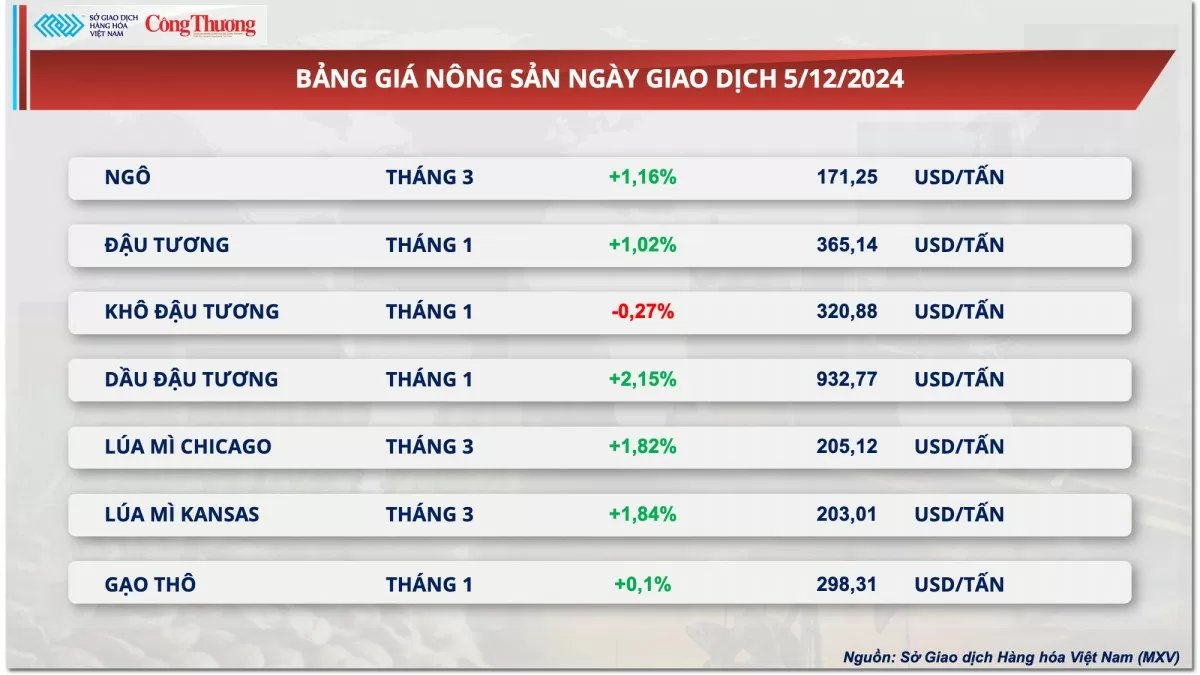 |
| Agricultural product price list |
In its weekly Export Sales report, the U.S. Department of Agriculture (USDA) reported soybean sales of 2.3 million tons, a slight decrease from the previous week but a 17% increase over the four-week average. The report also announced the sale of a 136,000-ton order of soybeans for the 2024-2025 crop year to China. This indicates relatively strong demand for U.S. soybeans, boosting market buying activity.
Furthermore, according to data released by the National Association of Grain Exporters (ANEC), Brazil is expected to export only 1.24 million tons of soybeans in December, significantly lower than the 3.79 million tons exported in the same period of 2023. Total soybean exports for 2024 are projected at 97.1 million tons, down from the 98 million tons forecast earlier in November. If this figure is confirmed, Brazil's soybean exports would be down 4% from the record 101.3 million tons achieved in 2023. Lower exports from Brazil indicate decreasing competitive pressure on US soybeans, contributing to price support.
Soybean meal prices edged lower due to pressure from rising soybean oil prices. ANEC reported that Brazil's soybean meal exports in December are projected at 1.44 million tons, down more than 500,000 tons from the same period last year. Despite this, thanks to large shipments throughout the year, total Brazilian soybean meal exports in 2024 are expected to reach a record 22.4 million tons, slightly higher than the previous record of 22.35 million tons in 2023. Loosening supply from Brazil is also a factor putting pressure on prices.
On the domestic market, as of December 4th, the price of South American soybean meal offered to the South continued its downward trend. The price for January 2025 delivery was $55/ton, while the February 2025 delivery ranged from $52 to $54/ton. In the North, the asking price was approximately $5/ton higher than in the South.
Prices of some other goods
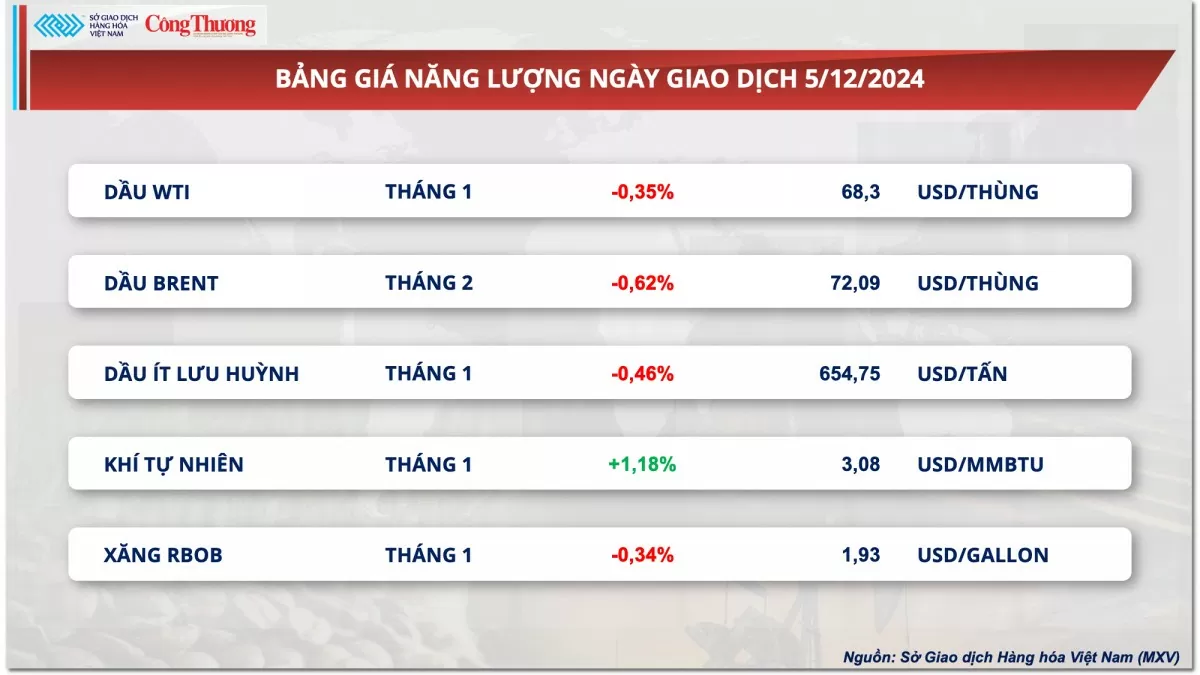 |
| Energy price list |
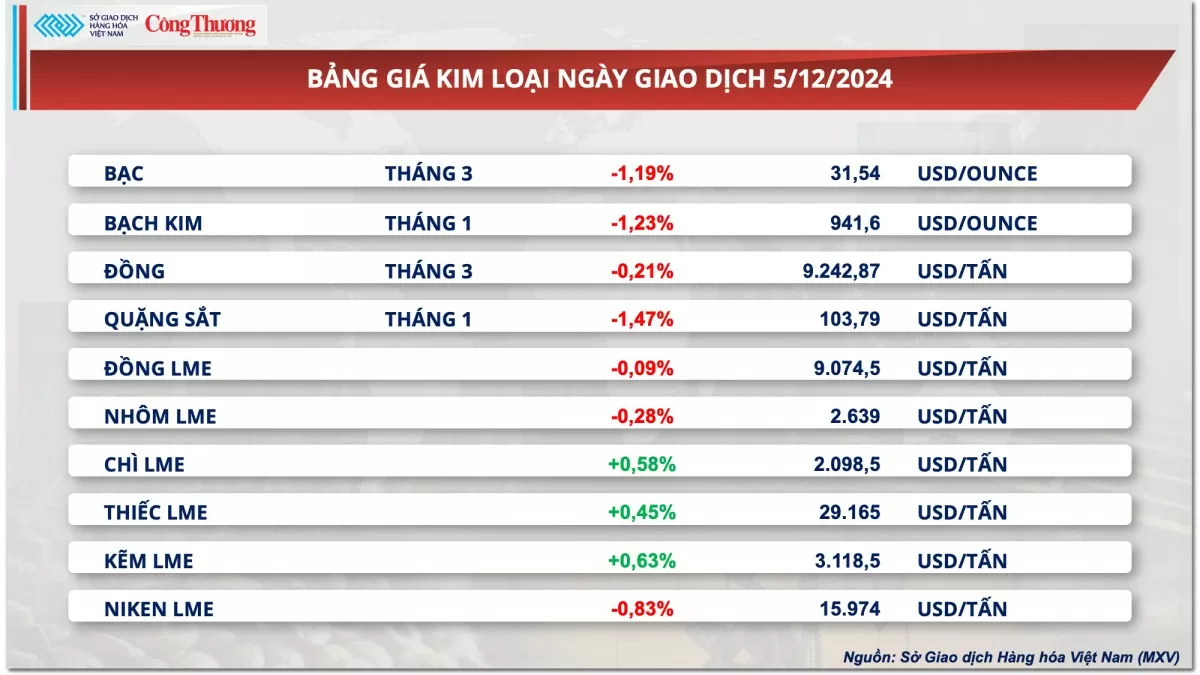 |
| Metal price list |
Source: https://congthuong.vn/thi-truong-hang-hoa-hom-nay-612-gia-ca-phe-tang-hai-phien-lien-tiep-362798.html

![[Image] National Assembly discusses the implementation of the socio-economic development plan.](https://vphoto.vietnam.vn/thumb/1200x675/vietnam/resource/IMAGE/2026/04/20/1776696707422_ndo_br_img-20260420-185419-jpg.webp)

![[Photo] General Secretary and President To Lam meets with National Assembly delegates from ethnic minorities.](https://vphoto.vietnam.vn/thumb/1200x675/vietnam/resource/IMAGE/2026/04/20/1776696701056_a1-bnd-8331-3342-jpg.webp)






































































Comment (0)