

- When the "shrimp capital" sets sail for the open sea - Part 2: Raising clean shrimp, conquering demanding markets.
- Aiming for 1,000 hectares of clean shrimp farming across the province.
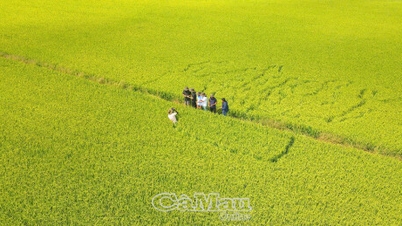
- Hung My is strongly developing its high-tech shrimp farming area.
A breakthrough from the circular technology model.
In 2023, a pilot project on "Commercial whiteleg shrimp farming using a 3-stage system with low water exchange and biosafety" was launched in Rau Dua hamlet (Hung My commune), Ca Mau province. The project was led by the Department of Science and Technology (DST), in collaboration with SAEN Company, Dr. Nguyen Nhut (Research Institute for Aquaculture II), and the CIRAD organization (France).
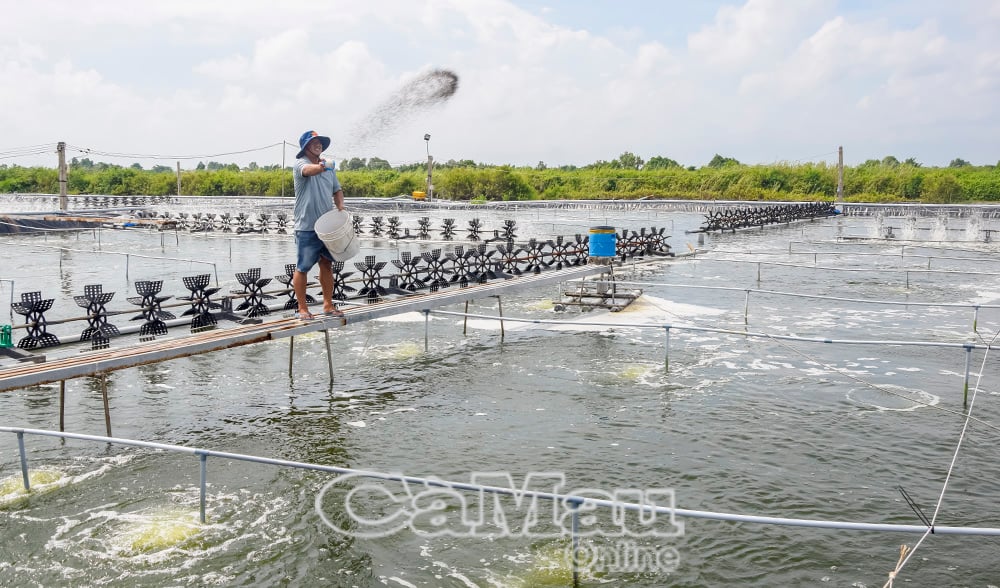
The model achieves a success rate of over 80% per crop, with significantly reduced costs. Recirculating aquaculture systems (RAS) do not require large new investments; farmers only need to adjust the water supply system and rearrange the functional areas. More importantly, the model does not discharge waste into the environment, aligning with the trend of green growth and the circular economy . “This is a breakthrough technology both domestically and internationally, with low investment costs , easy accessibility, and suitability for many stakeholders,” Dr. Nhut affirmed.
Based on the initial results, in early 2025, the Provincial People's Committee assigned the Department of Science and Technology to implement a project to expand the circular aquaculture model by 2030. Phase 1 (2025–2026) aimed for 100 hectares, but after only a few months, people had registered for the full area, exceeding the schedule by more than 17 months.
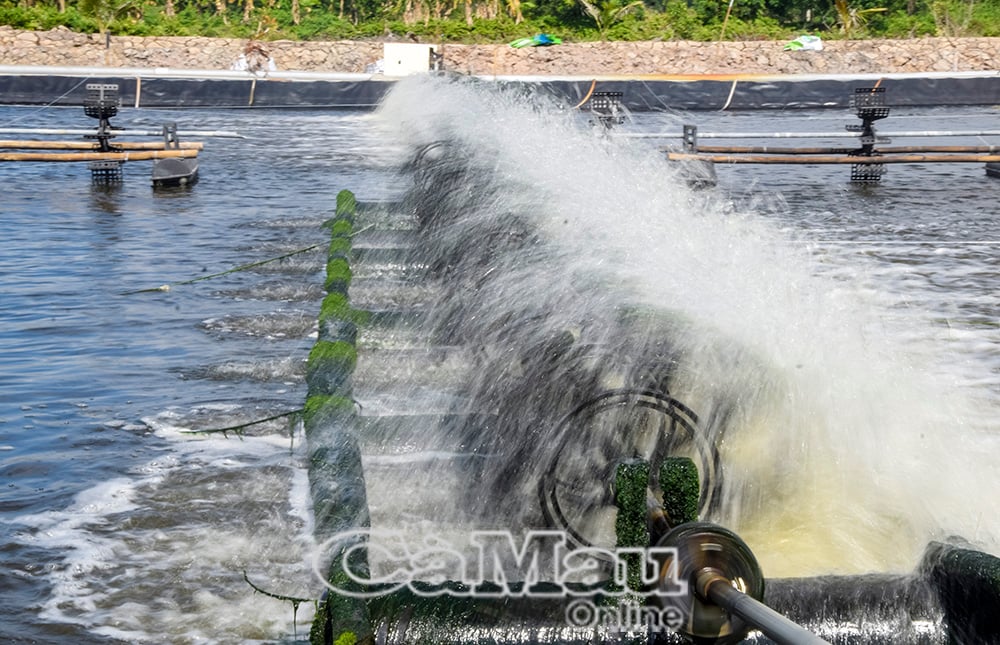
Mr. Doan Minh Trung (Dat Moi commune), one of the first participating households, said: "Previously, shrimp farming often failed. Since switching to this model, the shrimp are healthy, free from disease, and profits are high." Compared to the old farming method, the farming time is shortened by 15 days, saving electricity, feed, and environmental treatment costs, and efficiency is increased thanks to disease control.
In Luong The Tran commune, Mr. Bui Chi Thuong's household is also preparing to switch. He shared: "I am particularly concerned about the environment, so I am very impressed with this model." Similarly, Mr. Ngo Van Lai (Phu Tan commune) – who has been involved in industrial shrimp farming for nearly 20 years – affirmed: "I have tried many farming methods, but this is the most effective model I have ever seen."
Environmentally friendly, sustainable benefits
This shortens the rearing time and reduces costs.
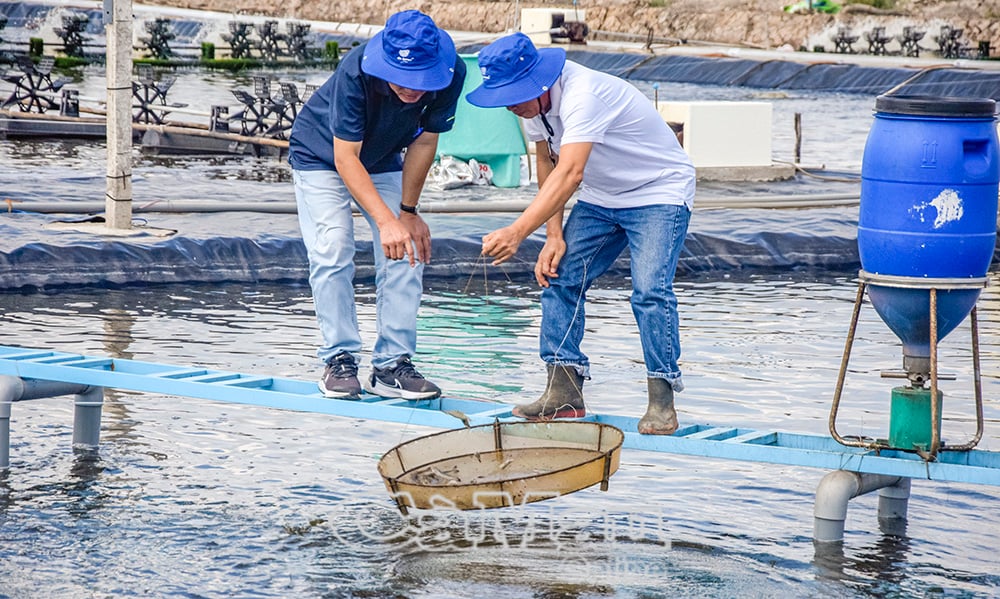
Ms. Mai Xuan Huong, Deputy Head of the Science Management Department (Department of Science and Technology), said: “In this model, the linkage of the “four stakeholders”: the State - scientists - businesses - farmers is the key factor. In this model, the State plays a management role; while farmers – the direct operators of production – are no longer “alone,” but become active links in the value chain, receiving training, technology transfer, and participating deeply in the professional production model.”
With superior productivity, shortened rearing time, optimized production costs, and high disease control capabilities, the recirculating aquaculture system (STC) shrimp farming model helps increase production value per unit area, something that traditional models struggle to achieve. In particular, by not discharging waste into the environment, the model significantly contributes to reducing greenhouse gas emissions, minimizing water pollution, and moving towards green and sustainable development.
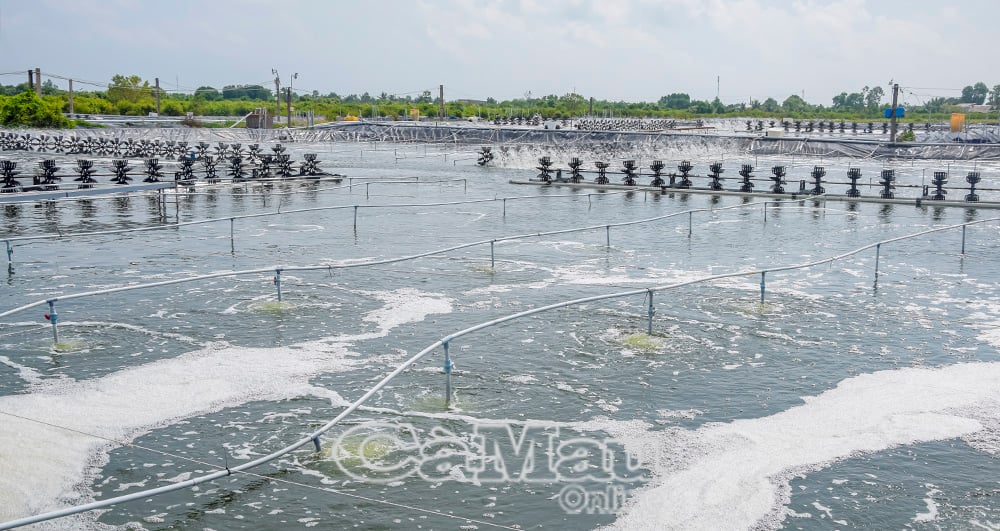
Mr. Huynh Phuong Nhanh, Vice Chairman of the People's Committee of Nguyen Viet Khai Commune, shared: "After the merger, Nguyen Viet Khai Commune is one of the localities with the largest area of intensive shrimp farming and aquaculture in the province. Therefore, implementing the wastewater-free aquaculture model will contribute greatly to the development of shrimp farming area in the locality, especially in creating 'green shrimp' products and ensuring market access."
With advantages such as zero discharge, reduced greenhouse gas emissions, and effective disease control, the 3-stage commercial whiteleg shrimp farming model using recirculating aquaculture technology with minimal water changes and biosecurity is considered suitable for achieving international green certifications such as ASC, BAP, and GlobalGAP.
This is a "passport" that helps Ca Mau shrimp expand its market, especially as many countries tighten environmental standards and traceability requirements. The province has the opportunity to become a pioneer in clean and sustainable shrimp farming, promoting GRDP growth, developing high-tech agriculture, and adapting to climate change.
Vice Chairman of the Provincial People's Committee Le Van Su commented : "This is a rapidly developing and highly effective model, a direction consistent with the sustainable development trend of the shrimp industry in Ca Mau province. In the coming time, relevant departments and agencies need to continue coordinating to expand the model; promote propaganda through various forms, integrating it with programs and plans, aiming to expand the model in 2025 and subsequent years. The province expects to soon achieve the target of 1,000 hectares of clean shrimp farming, creating a breakthrough in the development of the key shrimp industry, contributing to the sustainable development of the locality and the whole country."
Diamond
Source: https://baocamau.vn/giai-phap-xanh-cho-nganh-tom-a121859.html
![[Photo] “Red Journey” 2026: Vietnamese Youth Continue Building the Bridge of Friendship Between Vietnam and China](https://vphoto.vietnam.vn/thumb/1200x675/vietnam/resource/IMAGE/2026/04/20/1776629730866_4055880775670638308-9618-4200-jpg.webp)













































Comment (0)