

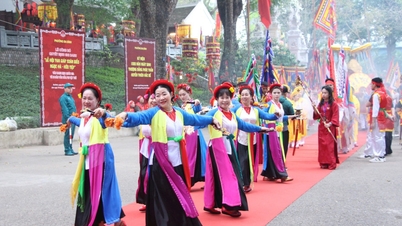
In Lien Son commune, home to a large Muong ethnic minority population, traditional dances are frequently featured in cultural programs, festivals, and community gatherings. For the local people, each dance is not only entertaining but also connected to their daily lives, customs, and pride in their ethnic identity.
The most distinctive is undoubtedly the "duong" dance (also known as the "dam duong" dance). This dance originated from the familiar activity of pounding rice in daily life and production. Over time, the labor movements have been stylized, becoming a highly artistic performance form.
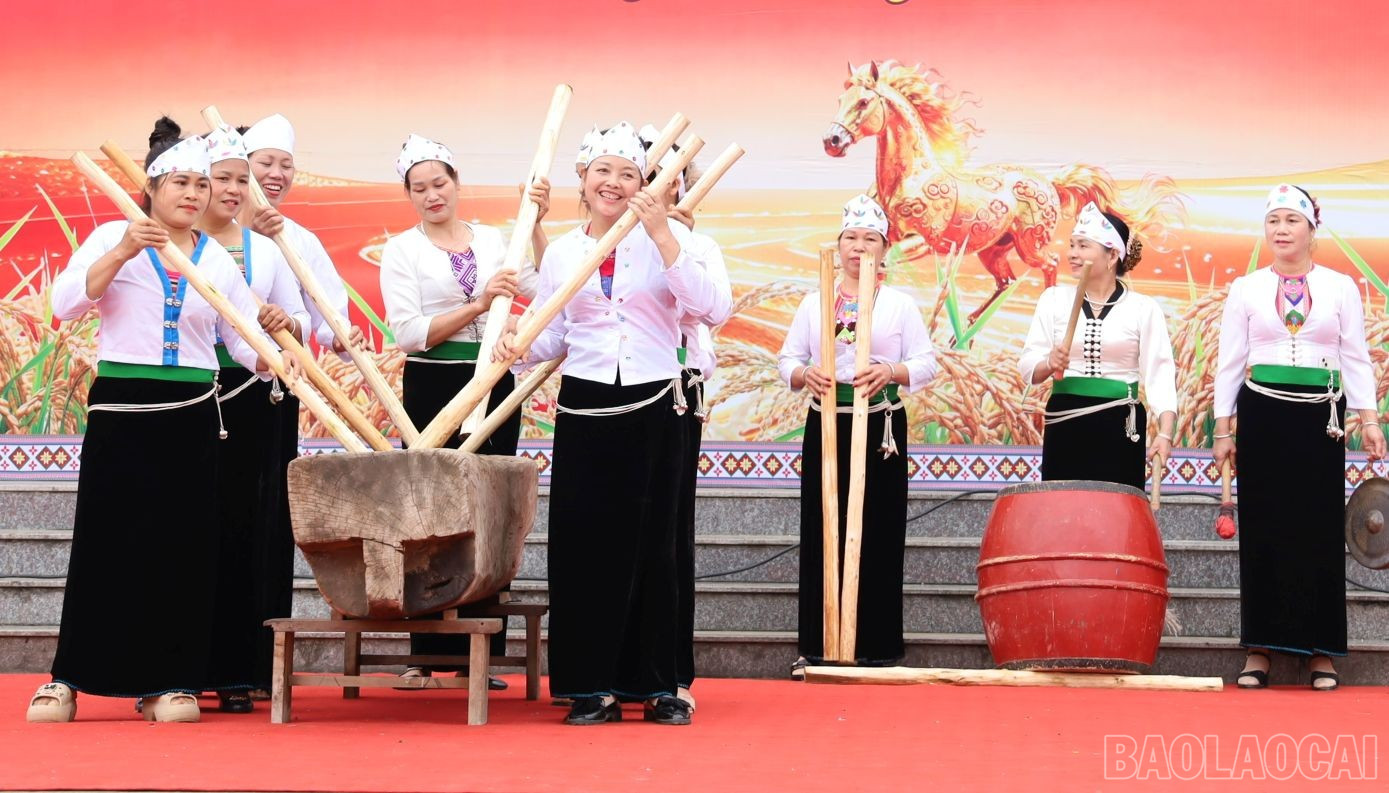
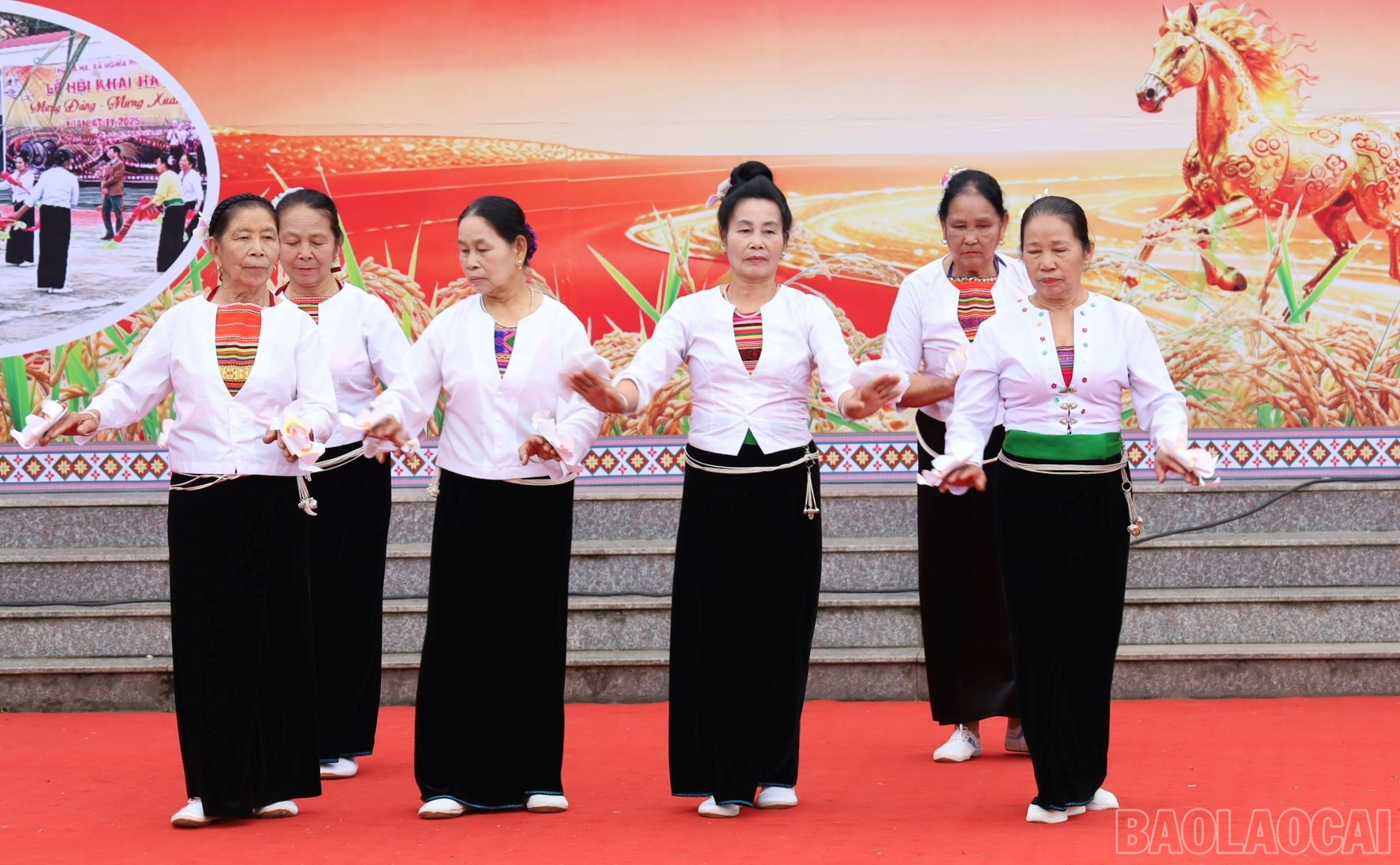
A Ha is one of the villages with a large Muong population in Lien Son commune. According to the elderly Muong people here, performing the Duong dance requires the harmonious coordination of many people. The props usually consist of a long wooden mortar and large pestles. During the performance, the members simultaneously pound the pestles with their feet and rhythm, creating a lively, resonant sound like a prayer for a bountiful harvest. Ms. Dinh Thi Lien, an elderly woman from A Ha village, said: "The Duong dance has a long history, closely associated with the life of the Muong people. In the dance troupe, there is a person who takes on the role of 'Duong Cai' (leader of the pestle) to lead the rhythm. This person must understand each movement and each pounding rhythm so that the whole troupe can dance in unison and beautifully."
The teachings of the elders have helped the younger generation better understand the value of traditional dance. Many women and young people have joined village and commune cultural troupes to learn and perform the Duong dance at cultural events. Ms. Ha Thi To shared: "When I first started learning the dance, I found it very difficult because I had to keep the rhythm and perform the movements correctly at the same time. But with the guidance of the elders and many practice sessions, I gradually got used to it. When dancing at festivals, hearing the sound of the pestle and the laughter and chatter of the villagers, I feel very happy and proud."
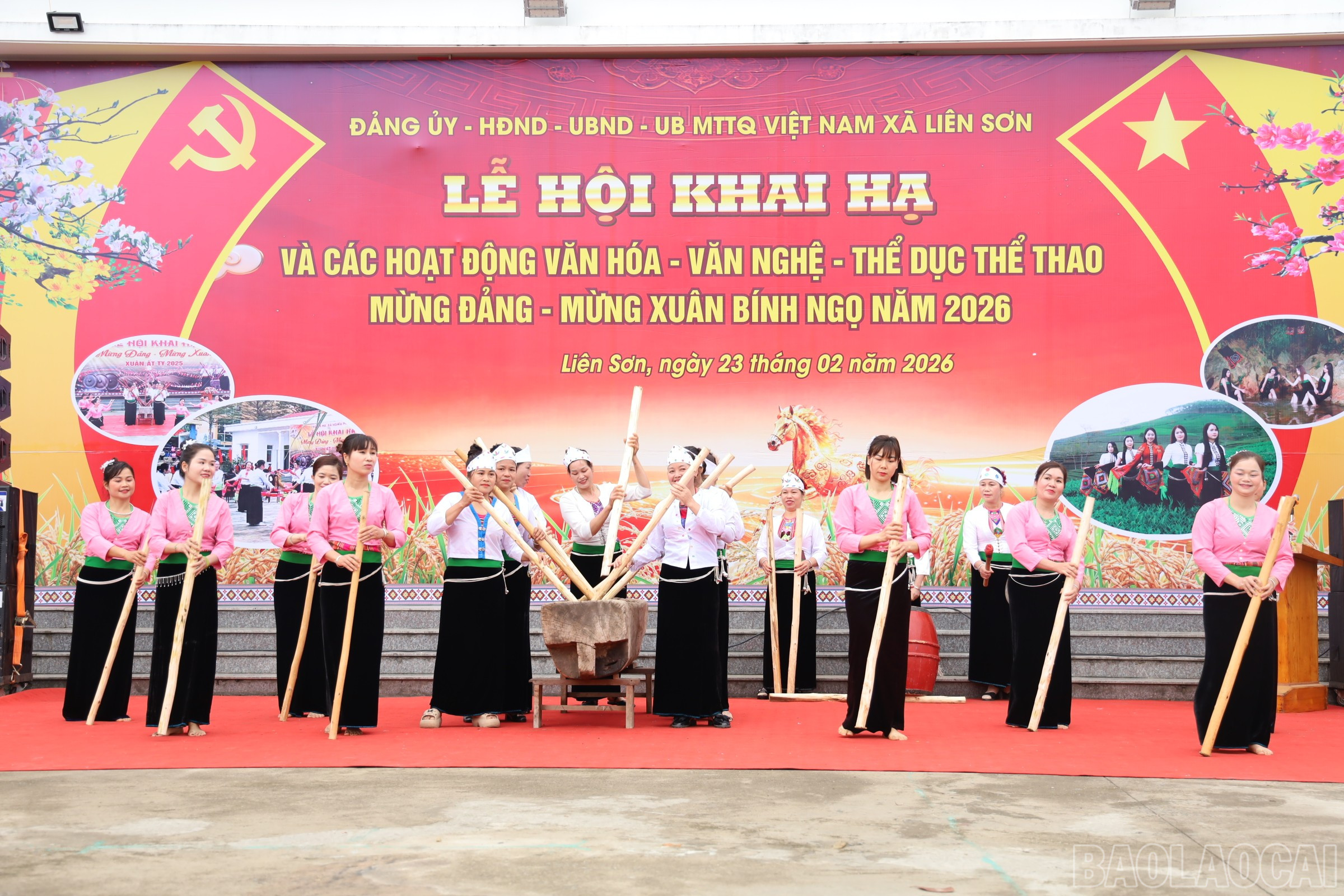
The "Duong" dance is not only a cultural performance but also an opportunity for the villagers to bond with each other. Whenever there's a festival, everyone practices together, preparing costumes and props to participate in the performance. Ms. Dinh Thi Yeu from A Ha village said: "The 'Duong' dance embodies the community spirit of the Muong people. The sound of the pestles pounding in the mortar creates a cheerful rhythm, making the festival atmosphere even more vibrant. In the past, pounding rice was a familiar task for every family. Therefore, every time the 'Duong' dance is performed, everyone enthusiastically participates because it feels like they are recreating the working life of their ancestors."
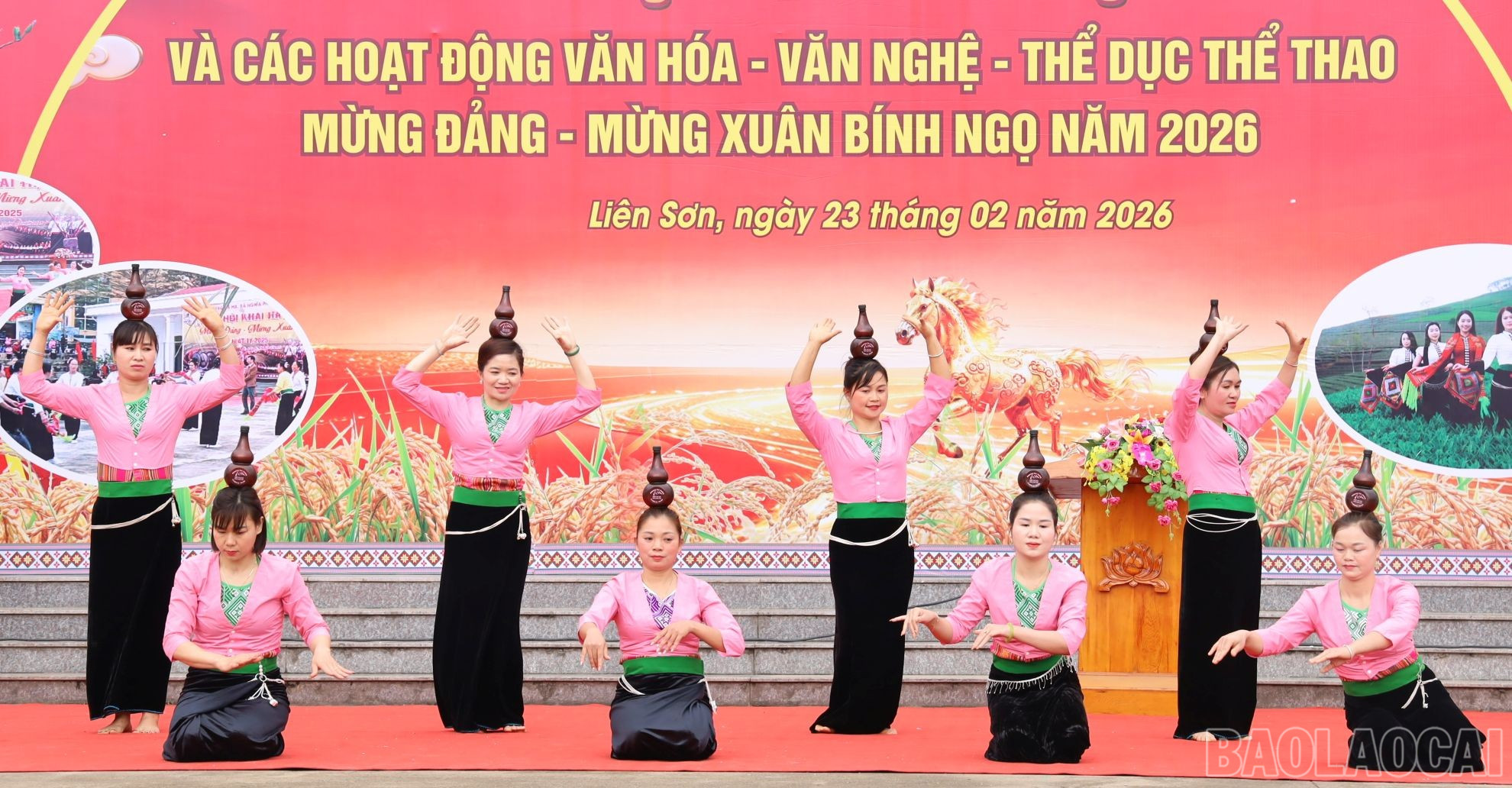
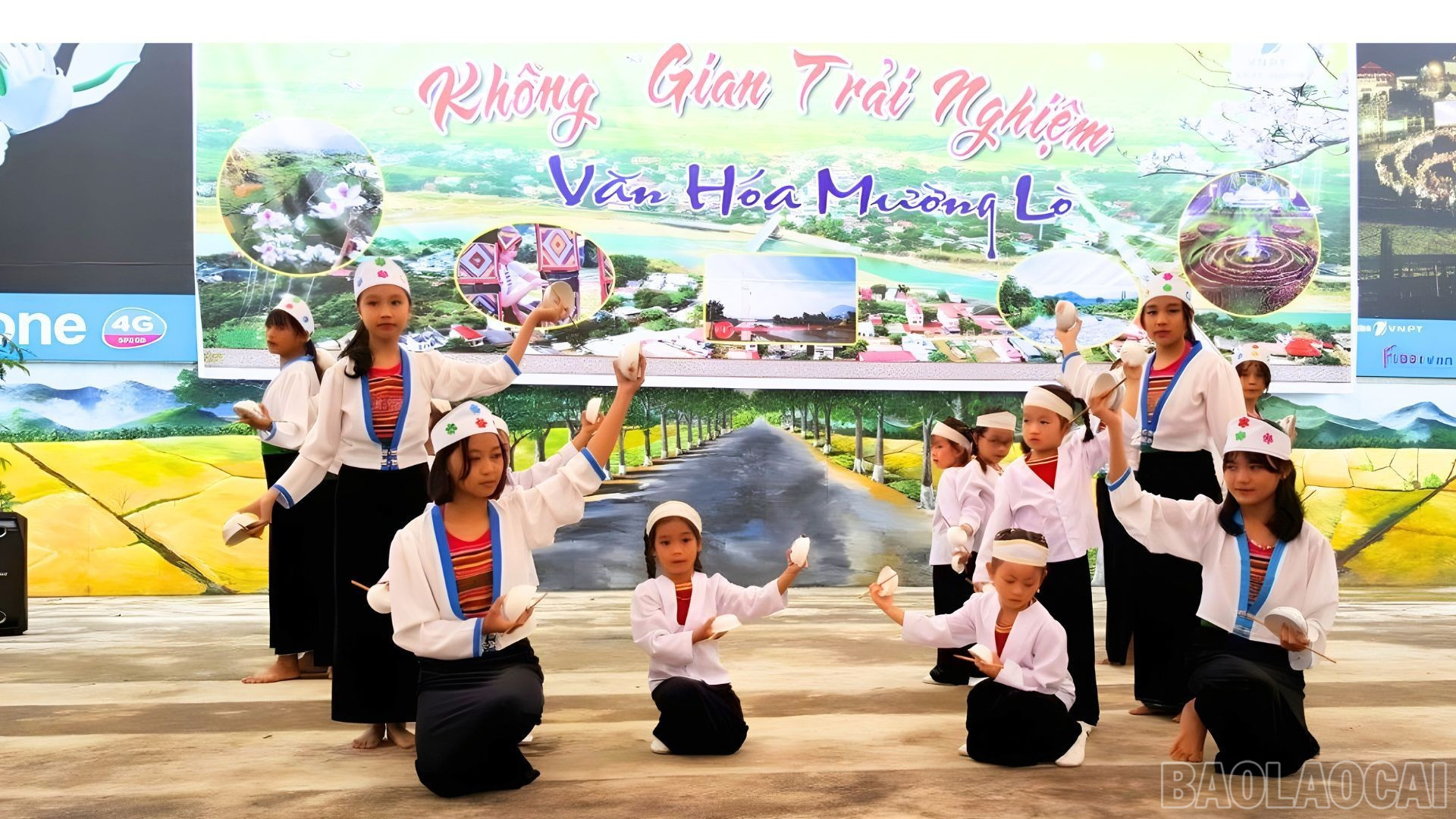
Besides the traditional dance, the bottle dance is also a unique dance maintained by many local performing arts groups. This dance is usually performed by young women, using bottles filled with water as props. While dancing, the performers must maintain balance and skillfully manipulate the bottles throughout the performance.
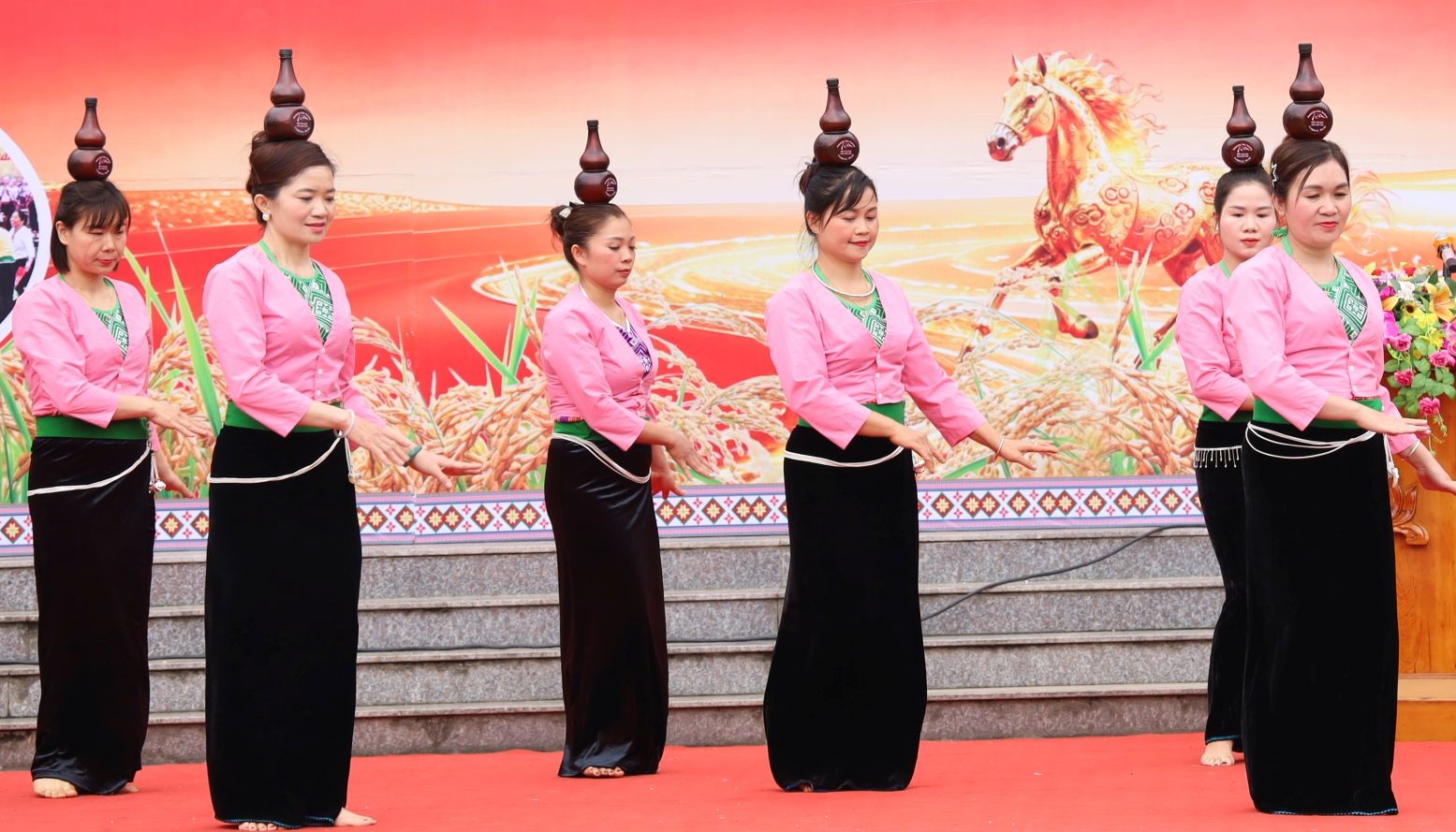
The movements in the bottle dance are based on images of farmers' labor such as planting rice, tending fields, or watering plants. Therefore, the dance is both artistic and reflects the productive life of the Muong people.
Indispensable to the Muong cultural space is the gong dance. The sound of gongs resonates on many important occasions for the community, such as festivals, weddings, and traditional ceremonies. A Muong gong ensemble usually consists of 12 gongs, symbolizing the 12 months of the year and the cycle of the four seasons. When combined with graceful dance movements, the sound of the gongs creates a vibrant festive atmosphere, expressing aspirations for a prosperous and peaceful life.
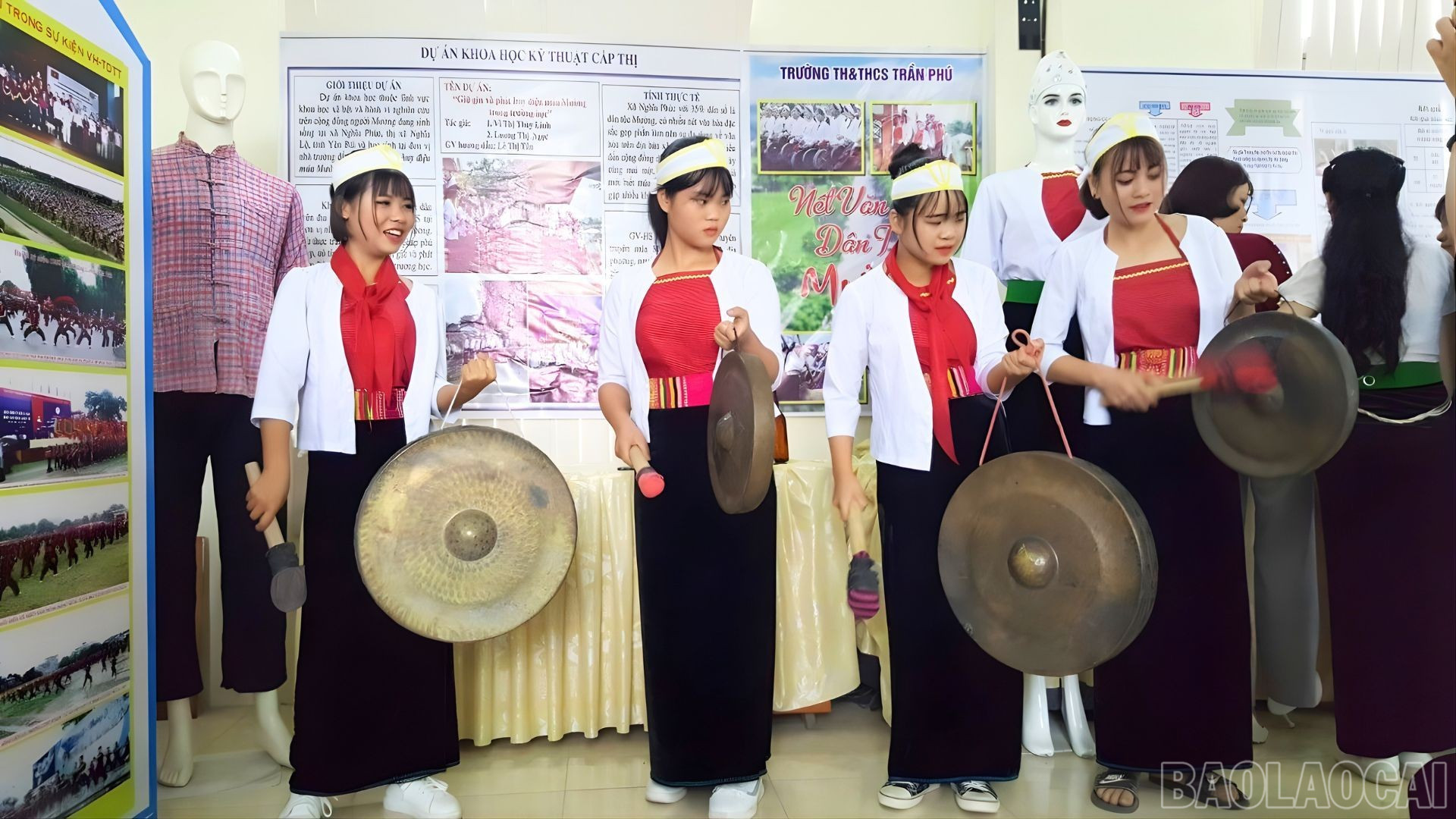
The unique beauty of Muong dance in Lien Son is now not only preserved by Muong women but also attracts the admiration of many other ethnic groups. Ms. Sa Thi Dung (a Thai woman married into a Muong family) skillfully performs characteristic dances such as the "dam duong" dance and the "mua chai" dance. Ms. Sam Thi Den, also a Thai woman, has been associated with A Ha for over half a century and is currently a member of the village's elderly performing arts group. Ms. Den shared: "I learned Muong dance from the women in the village and participated in performances at local cultural events. I love these dances just as much as the Muong women here do."
To ensure sustainable preservation, heritage education has been integrated into the school curriculum. At Tran Phu Primary and Secondary School (Lien Son commune), extracurricular activities focusing on Muong culture are regularly organized to help students access and learn about traditional dances. The school has established a Muong dance team with the participation of many students. Under the guidance of teachers and community artisans, the students learn the basic movements of the Duong dance, the Gong dance, and the Chai dance. This is a way for the younger generation to further appreciate and preserve the cultural values of their ancestors.
Thanks to the collective efforts of the community, the rhythmic pounding of pestles and the sound of gongs still resonate amidst modern life, enriching the spiritual life of this village.
Source: https://baolaocai.vn/gin-giu-mua-muong-post895585.html
![[Photo] A vibrant celebration of generations of Nhan Dan Newspaper staff](https://vphoto.vietnam.vn/thumb/1200x675/vietnam/resource/IMAGE/2026/03/11/1773228432744_cb-75-nam-7-7034-jpg.webp)



































































Comment (0)