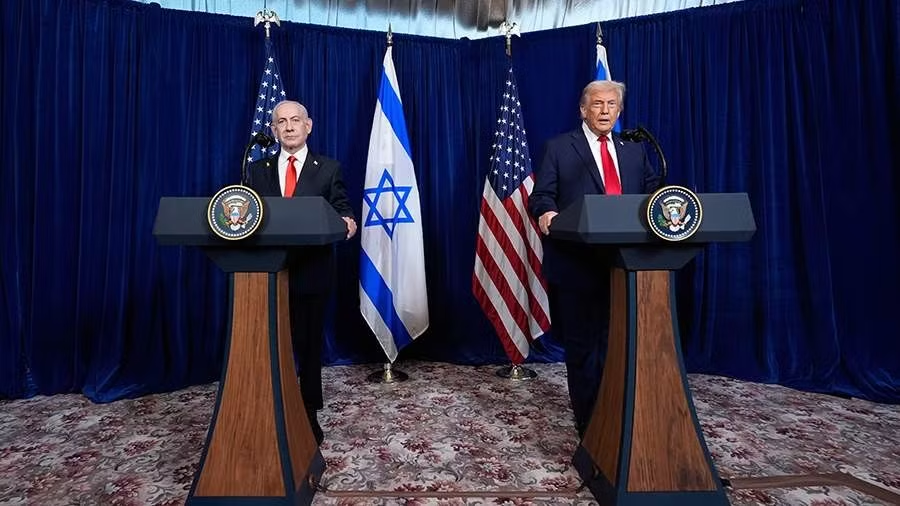
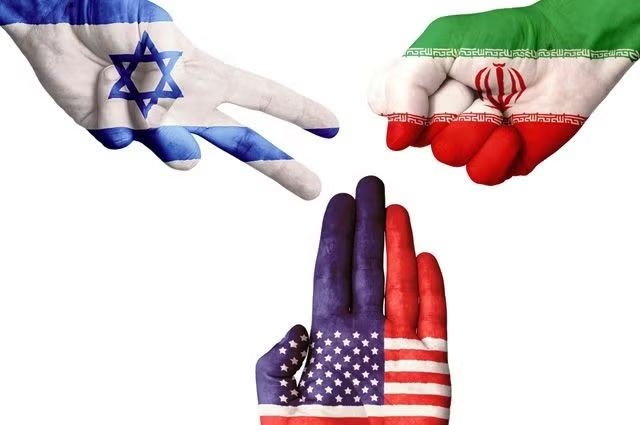
Growing disagreements between the two sides regarding approaches to Iran , regional security, the Israeli-Palestinian conflict, and the extent of US involvement in Middle Eastern affairs are raising questions about the future of a relationship that has lasted for decades.
US-Israel relations in the face of strategic shifts.
The current shift does not signify the breakdown of the US-Israel alliance, but rather reflects a movement from a "special alliance" model to a more pragmatic partnership, in which Washington increasingly emphasizes the alignment of the two countries' strategic interests rather than maintaining near-automatic support for all of Israel's policies.
One of the key factors driving this change is the shift in the American domestic political landscape. For decades, Israel enjoyed broad support from both major American political parties, particularly on security and military aid issues. However, in recent years, the views of some segments of American voters and politicians have become more sharply divided. Some factions within the Democratic Party increasingly emphasize human rights, international responsibility, and Israel's policy toward the Palestinians, while a segment within the Republican Party has begun to question the extent to which the U.S. should align its interests with Israel's military or strategic actions in the region.
Shifts in American societal perceptions have meant that the issue of Israel is no longer a topic of widespread consensus as it once was. Debates in the U.S. are increasingly focused on whether Israel continues to be a vital strategic asset or is becoming a divisive issue in Washington's foreign policy. This directly impacts how the White House shapes its relationship with Tel Aviv.
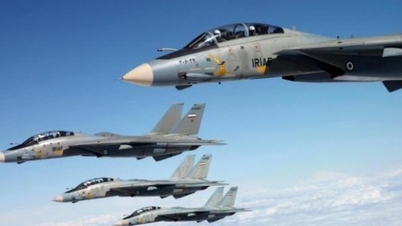
The most prominent disagreement today concerns the approach to Iran. While Israel views Iran's nuclear and missile programs and regional influence as direct threats to its national security, Washington tends to prioritize a combination of pressure and diplomacy to avoid a large-scale military conflict in the Middle East. The US administration, particularly under an approach that prioritizes national interests and minimizes prolonged military involvement, tends to be reluctant to be drawn into new confrontations solely for the security interests of an ally.
This perspective is evident in statements from several high-ranking US officials, who emphasize that an alliance does not mean the strategic interests of the two countries always perfectly coincide. This is a notable shift from the previous period, when Washington often prioritized maintaining strong support for Israel on sensitive issues in the Middle East.



Besides policy differences, signs of cooling in bilateral political relations have also become more apparent. High-level contacts between the leaders of the two countries have decreased in frequency, while exchanges on some regional issues reveal growing differences in how strategic priorities are assessed. Israel fears that the US may no longer maintain the same level of support as before, while Washington wants to promote a more flexible approach to balancing relations with a wider range of partners in the region.
However, it is important to recognize that the current disagreements are occurring within the framework of a relationship with deep strategic roots. The United States still considers Israel a crucial partner in military, intelligence, and defense technology in the Middle East. Conversely, Israel remains significantly dependent on U.S. support in diplomacy, military affairs, and defense technology. Therefore, the likelihood of the two sides severing or severely weakening their alliance in the short term is low.
Trends in adjusting relations and their impact on the Middle East security structure.
One area that clearly reflects the shift in US-Israel relations is the mechanism of defense cooperation and military aid. The current bilateral military assistance agreement, signed in 2016, provides Israel with substantial support for the period 2019-2028, including military financing and support for missile defense systems. This is a crucial foundation for maintaining Israel's defense capabilities for many years.
However, this model of cooperation is trending towards transformation. Instead of maintaining a form of direct aid that is easily subject to political controversy, the two sides may move towards deeper cooperation in the defense industry, research and development, joint production, and integrating Israel into US military technology programs. This approach would both help Washington reduce domestic political pressure and maintain the potential for strategic cooperation with Tel Aviv.
This adjustment reflects the reality that the US-Israel relationship is shifting from a foundation of "special commitment" to a model of "conditional strategic partnership." The US still maintains an interest in ensuring Israel's security, but at the same time wants Israel to give more consideration to Washington's broader priorities, particularly avoiding actions that could draw the US into unwanted regional conflicts.
For Israel, this shift necessitates an adjustment to its foreign policy strategy. In the past, Tel Aviv could rely heavily on Washington's patronage in international forums and on regional security issues. However, in the current context, Israel tends to diversify its relationships, strengthening cooperation with regional countries that share concerns about Iran, while seeking a balance between maintaining its alliance with the US and ensuring autonomy in policymaking.
Changes in US-Israel relations could also significantly impact the power structure in the Middle East. If Washington reduces its priority given to Israel, countries like Saudi Arabia, Qatar, the UAE, and Oman could play a larger role in regional diplomatic initiatives. This aligns with the general trend in the Middle East today, where countries in the region increasingly seek to enhance their strategic autonomy and reduce dependence on a single external power.



However, the U.S. is unlikely to withdraw from the Middle East. Washington still maintains significant interests in the region related to energy security, strategic shipping lanes, counterterrorism, and competition for influence with rivals such as Iran. Therefore, even if relations with Israel are adjusted, the U.S. will likely continue to maintain its extensive network of partnerships with Arab nations and maintain a necessary military presence.
In the long term, the US-Israel relationship is unlikely to collapse but rather enter a phase of reshaping. The alliance will continue to exist based on shared interests in security, technology, and geopolitics, but the level of cohesion will depend more on the ability to reconcile differences between the two sides.
Therefore, the shift in US-Israel relations not only reflects bilateral disagreements but also indicates a broader transformation in Washington's Middle East policy, from prioritizing the maintenance of a special alliance to pursuing a more flexible, pragmatic, and balanced approach to strategic interests. This could alter how the balance of power in the Middle East operates in the coming years.
Source: https://congluan.vn/gio-doi-chieu-trong-lien-minh-my-israel-post351918.html
![[Image] National conference summarizing one year of operation of the overall organizational model of the political system, the three-tiered government model.](https://vphoto.vietnam.vn/thumb/1200x675/vietnam/resource/IMAGE/2026/07/01/1782882811691_ndo_br_1-jpg.webp)

















































































![[INFOGRAPHICS] Policies to support vocational retraining and decommissioning of fishing vessels no longer needed for fishing operations.](https://vphoto.vietnam.vn/thumb/402x226/vietnam/resource/IMAGE/2026/07/01/1782905930516_1782905712.webp)