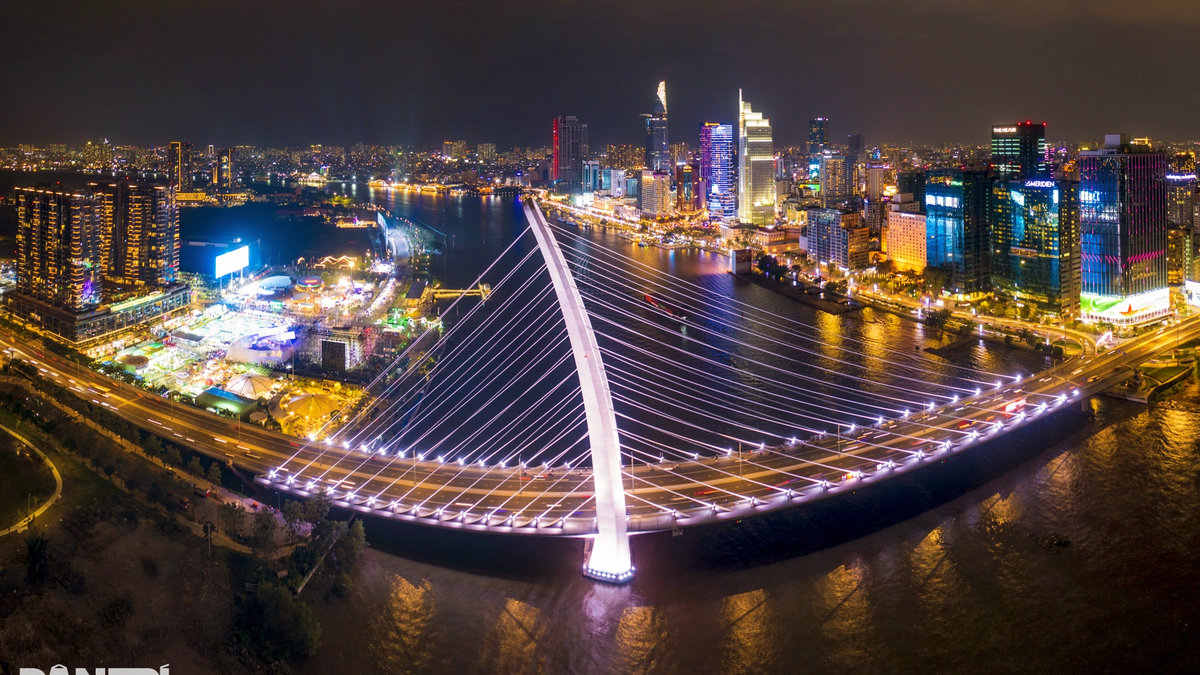
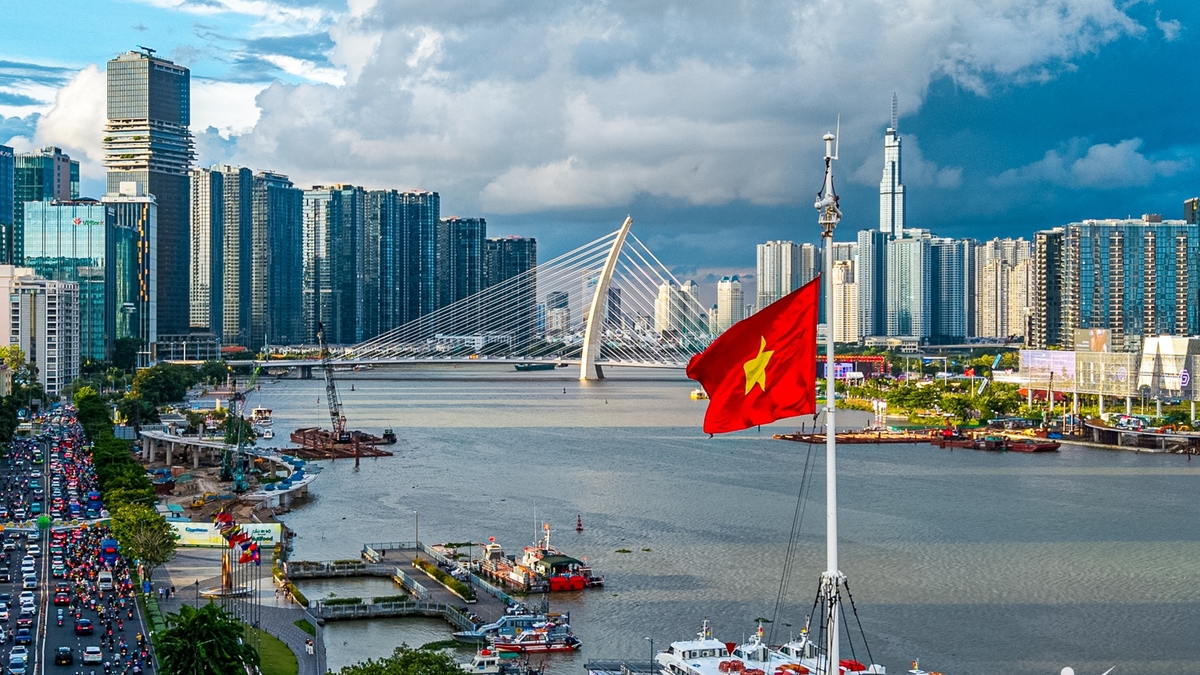
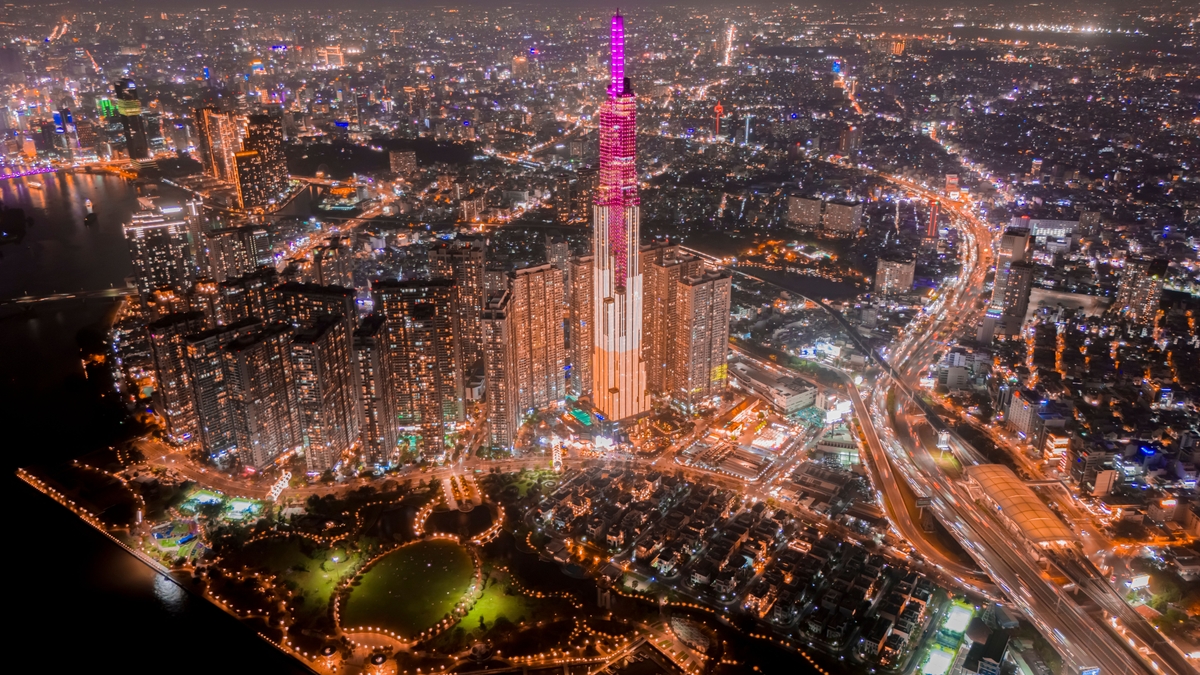
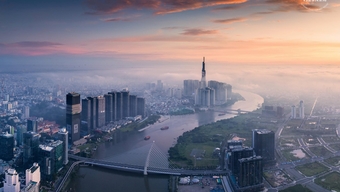
1. Throughout its development history, Ho Chi Minh City has always been a hub of the country's unique energies. These include the energy of innovation, creativity, and a willingness to think outside the box and take action; the spirit of openness, tolerance, and generosity; and the unceasing aspiration of tens of millions of people from all over the country who have come here to establish their careers, contribute, and build the future. The city has grown through industry, commerce, services, and science and technology , but more profoundly, it is recognized by a very unique quality: dynamic yet compassionate, modern yet humane, rapidly developing yet always supportive of those in need. Therefore, when Resolution 09-NQ/TW calls for building a civilized, modern, and compassionate culture and people for Ho Chi Minh City, we see that this is not only a task for the cultural sector, but also a fundamental orientation for the entire development model.
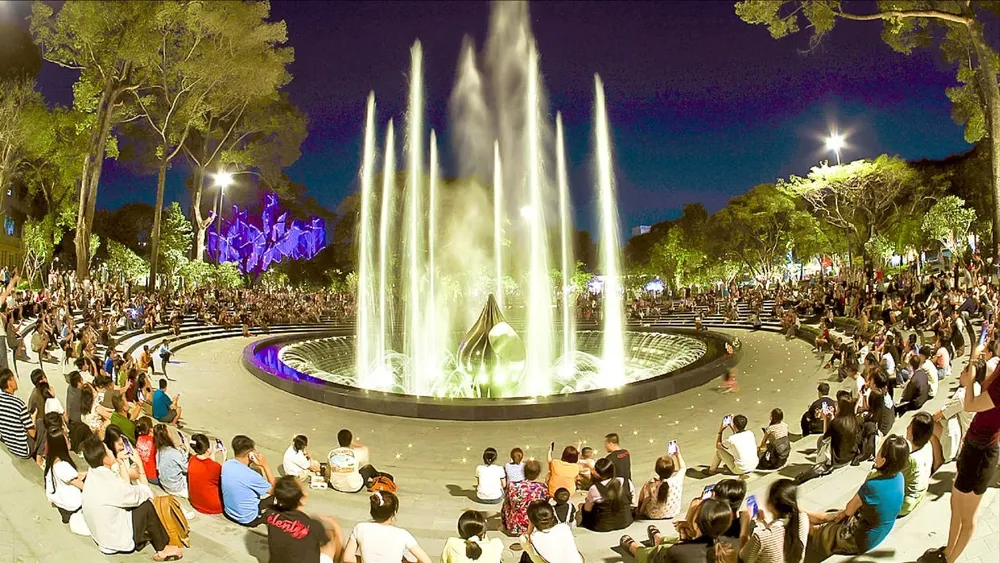
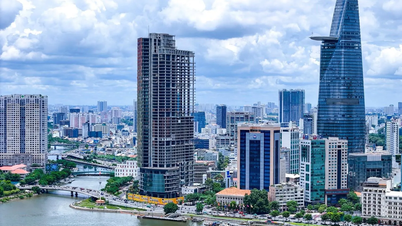
A global city cannot be measured solely by skyscrapers, metro lines, financial centers, high-tech zones, or GRDP growth rate. A global city must be measured by the quality of life of its people, by public spaces, by safety, kindness, creativity, tolerance, and by how the city preserves memory and opens opportunities for every individual.
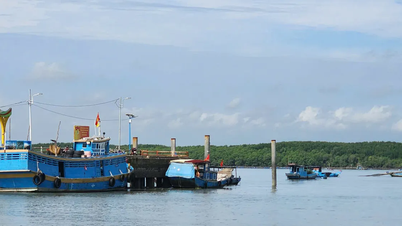
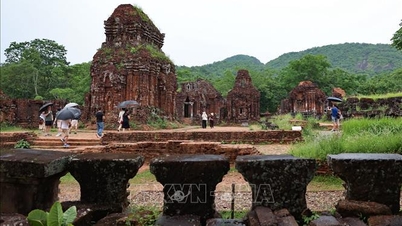
The more modern Ho Chi Minh City becomes, the more it should preserve its cultural depth. Urbanization must not disrupt community memory. Globalization must not diminish identity. Economic growth must not push the values of compassion and solidarity into the background. In every neighborhood, canal, market, port, historical building, community living space, and in every generous way of life of the people of the South, there is a part of the city's soul that needs to be cherished, preserved, and promoted.

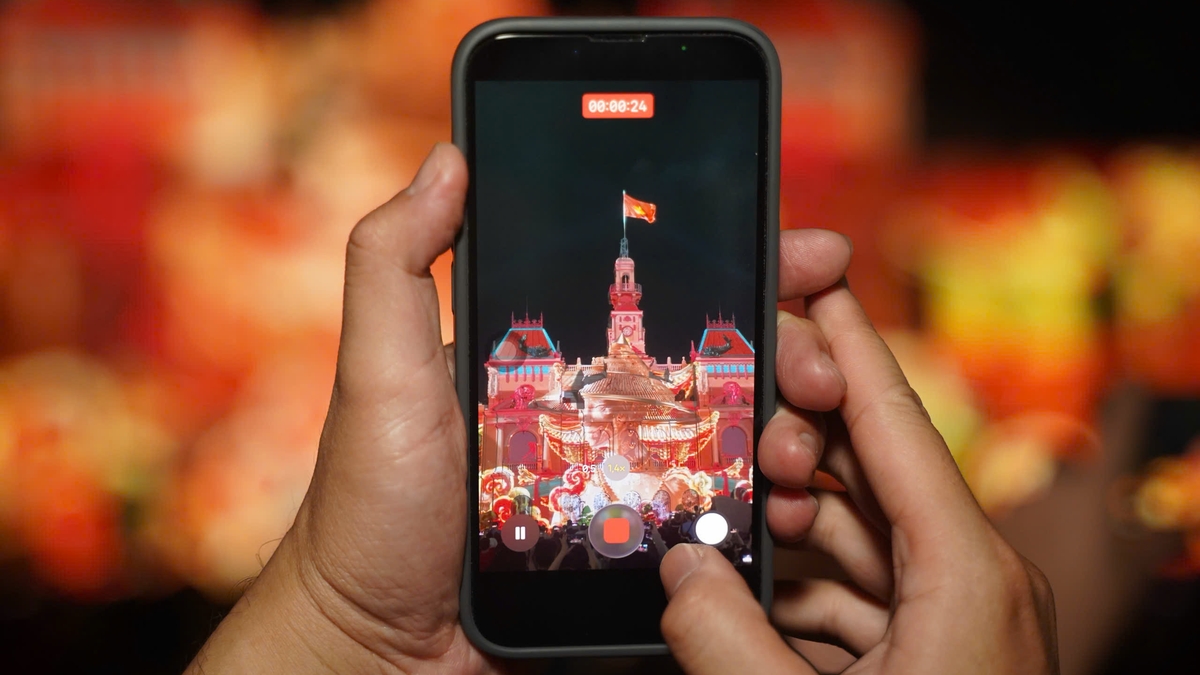
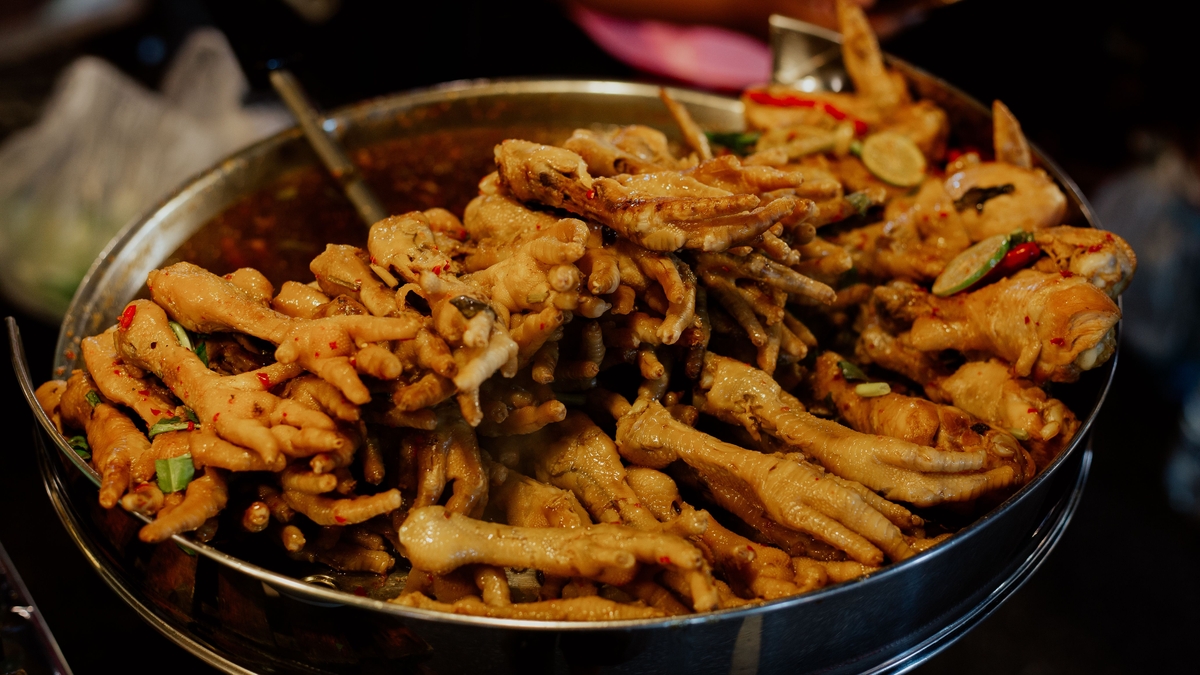
It is crucial that culture is placed at the heart of development governance, not just in festivals, performances, or movements. Culture must be integrated into urban planning, architecture, transportation, education, healthcare, tourism, digital transformation, creative industries, and public service culture. A new road should not only facilitate traffic but also beautify the city. A new urban area should not only have housing but also parks, libraries, schools, cultural centers, playgrounds, and community spaces. A development policy should not only consider economic efficiency but also the happiness, fairness, and dignity of its citizens. Ho Chi Minh City should also consider the cultural industry as a new resource for development. With its youthful energy, openness, ability to embrace new things, and its position as a center for international exchange, the city has many conditions to become a leader in film, music , performing arts, fashion, design, cuisine, digital content, cultural tourism, and the night-time economy. When these sectors receive proper investment, appropriate support mechanisms, and connections with businesses, artists, universities, and the creative community, culture will not only enrich spiritual life but also create jobs, generate economic value, and enhance the competitiveness and attractiveness of the city.
2. Above all, at the heart of every strategy remains people. The people of Ho Chi Minh City in the new era must be dynamic, professional, and integrated, while also compassionate, responsible, disciplined, and civilized. This includes officials who serve the people with dedication; entrepreneurs who strive for wealth while fulfilling social responsibility; artists who create for beauty and human values; young people who aspire but do not forget their roots; and urban residents who respect the law, protect the environment, and treat the community with kindness.
The concept of "compassion and loyalty" should be considered a special cultural asset of Ho Chi Minh City. It is this compassion and loyalty that makes the city so attractive, drawing many people to stay, work, and become attached to it, even after leaving, they still remember it fondly. In this new era, as the city aims to become a global metropolis, this value must be preserved as an irreplaceable part of its identity. Because a city may be modern with technology and wealthy with its economy, but it only becomes lovable, livable, and worthy of pride when it possesses a deep sense of humanity.
Resolution 09-NQ/TW has opened up a grand vision for Ho Chi Minh City. This vision can only become a reality when culture becomes the foundation, people become the center, compassion becomes the identity, modernity becomes the method, and civilization becomes the standard of daily life. At that time, the city named after the beloved President Ho Chi Minh will not only be the engine of development for the whole country, but also a beautiful symbol of a Vietnam that is innovative, creative, humane, and strongly rising in the new era…


Source: https://www.sggp.org.vn/giu-gin-ban-sac-va-chieu-sau-van-hoa-post860243.html




















































![[Infographic] Which types of behaviors are strictly prohibited in digital transformation from July 1, 2026?](https://vphoto.vietnam.vn/thumb/402x226/vietnam/resource/IMAGE/2026/07/02/1783004068098_thumb_5_hanh_vi_nghiem_cam_20260702184923.jpeg)