“Combating IUU fishing is the shortest path, but there is still much work to be done to protect aquatic resources for future generations. Lifting the IUU ‘yellow card’ is only the first step. Therefore, for the sustainable development of the fisheries sector, it must be based on three pillars: reducing fishing, increasing aquaculture, and conserving the marine environment,” shared Minister of Agriculture and Rural Development Le Minh Hoan at the recent online meeting of the IUU Steering Committee.
Create safe "boundaries".
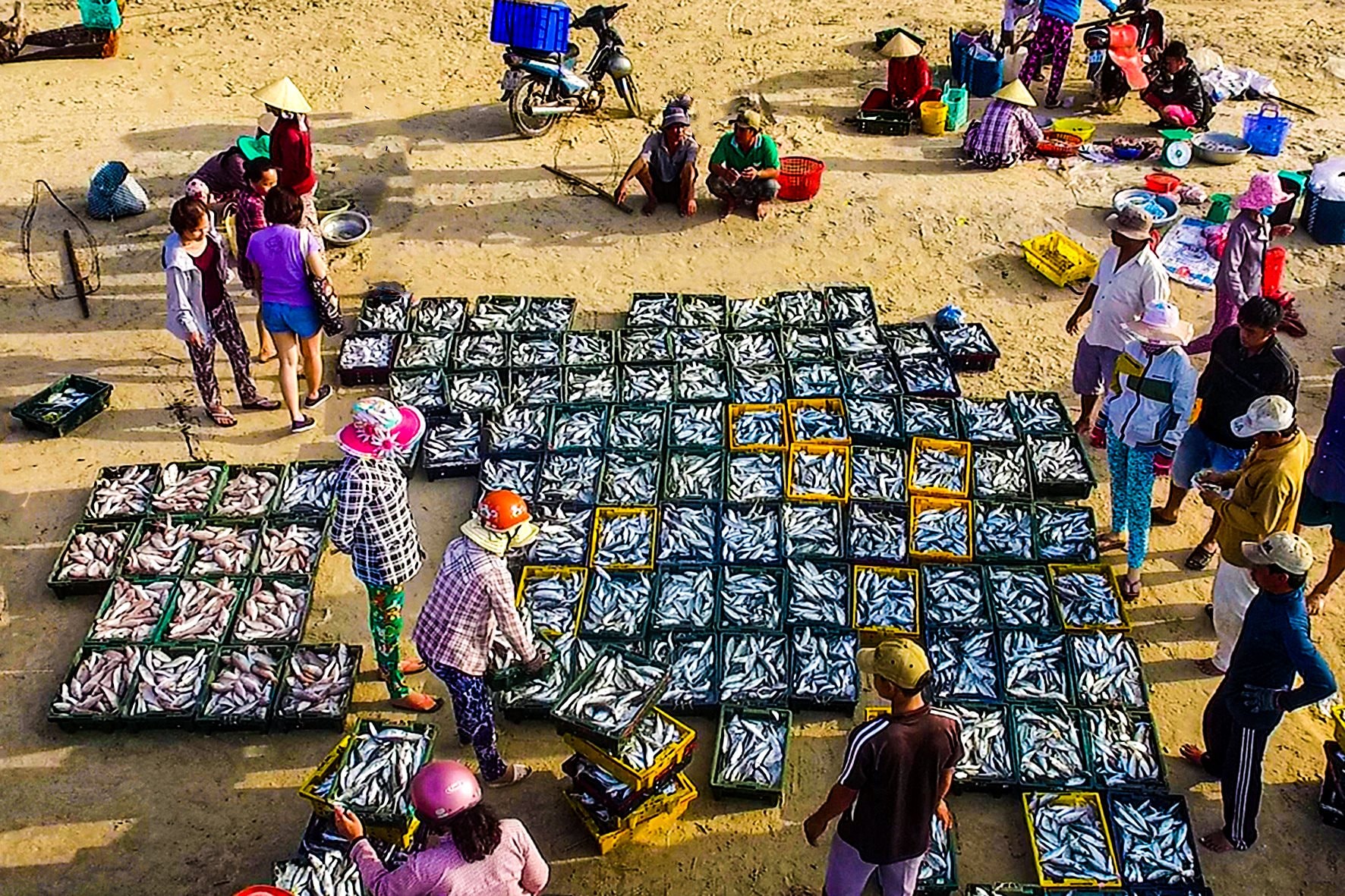
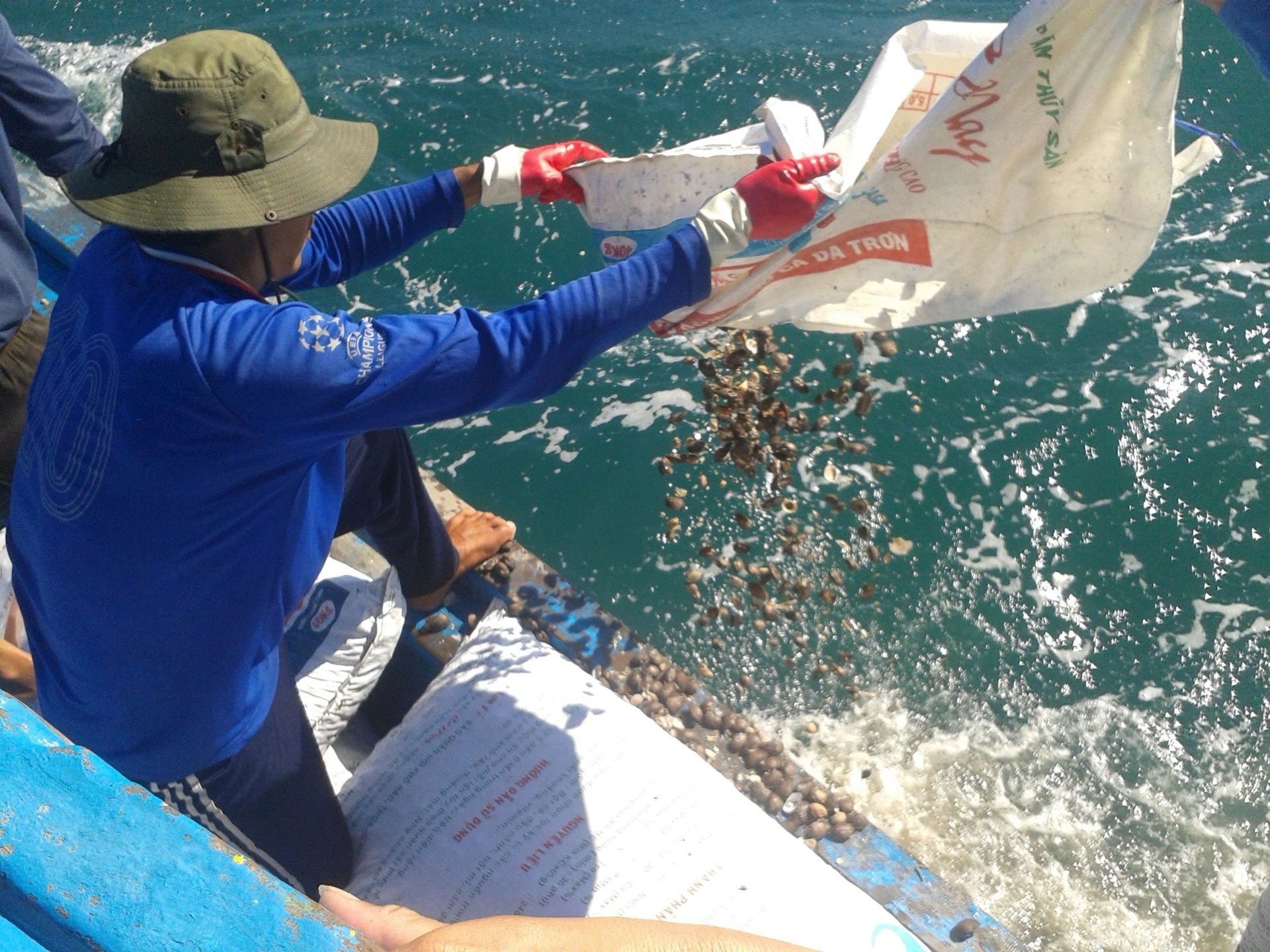
Not only are provincial departments and agencies strictly prohibiting crossing Vietnam's maritime boundaries, but they are also finding ways to create effective maritime "boundaries" through a co-management model in three coastal communes of Ham Thuan Nam district. During last year's southern fishing season, fishermen in the fishing villages of Tan Thuan, Tan Thanh, and Thuan Quy communes were overjoyed as shrimp and fish flocked to their fishing grounds in such large numbers that everyone felt like they had "won the lottery." On average, each fishing boat earned around 3-5 million VND per day, with some boats earning 9-10 million VND, a tenfold increase in income compared to before. Besides squid and common fish, many species that had disappeared for nearly a decade have reappeared, such as silverfish, mussels, brown clams, and especially lobsters and white shrimp, which have high economic value. This is a great effort by the Provincial Fisheries Association, which in 2015 built a "Pilot model for co-management of razor clams in Thuan Quy commune," and then replicated it in the other two coastal communes.
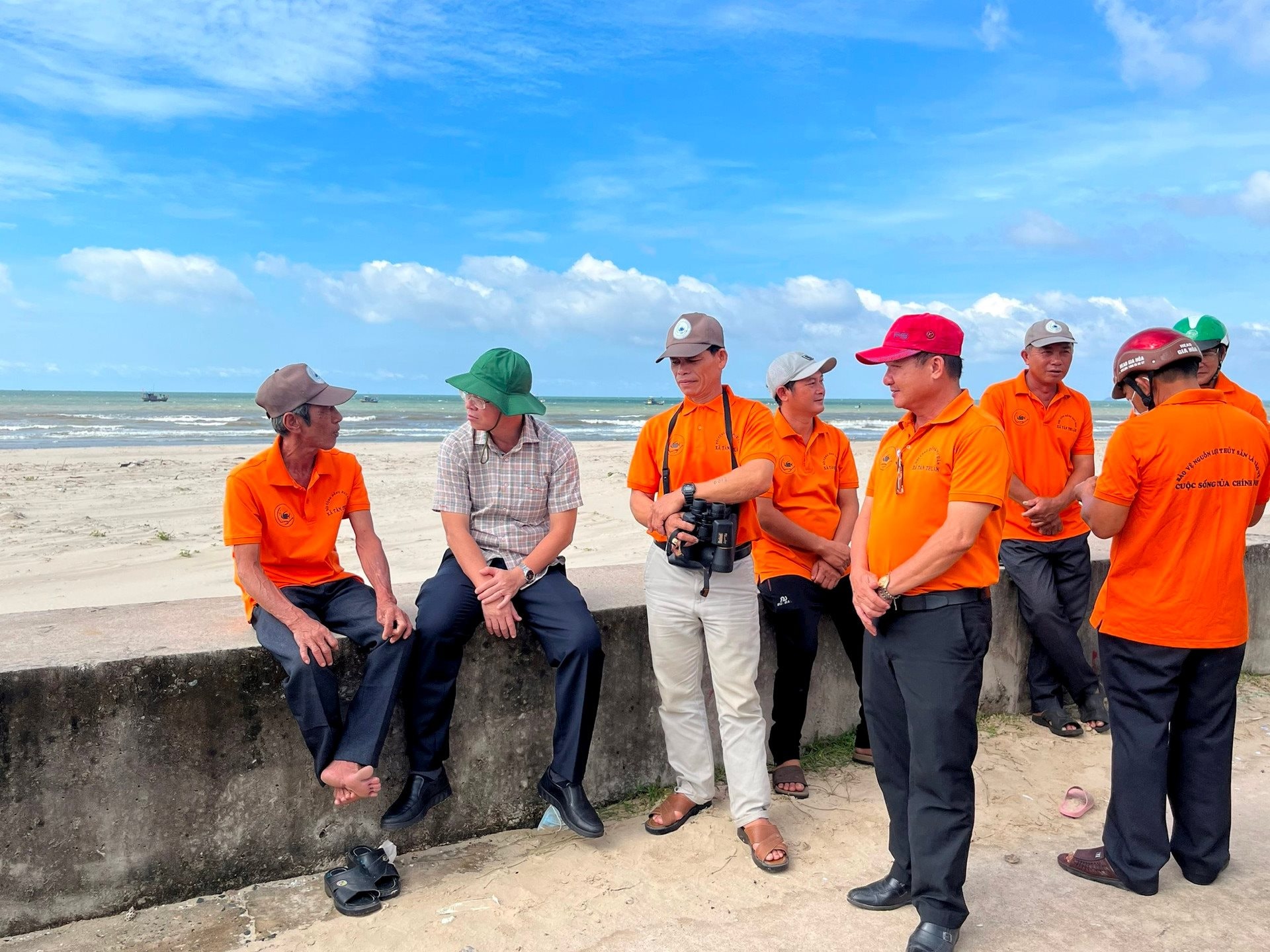
Perhaps Ham Thuan Nam district is the first locality in the country to successfully implement the recognition and delegation of management authority in protecting aquatic resources according to Article 10 of the 2017 Fisheries Law. Three community fishermen's associations, starting with just a few members, have now grown exponentially to 288 members, jointly managing the protection of aquatic resources in a sea area of 43.4 km². Notably, in Tan Thuan commune, a "Community IUU Monitoring Team" model has been established and is operating quite effectively. Mr. Le Xuan Huynh – Team Leader of the IUU Monitoring Team – couldn't hide his joy: “It must be acknowledged that since the model was implemented, the fishing village here has strongly revived. Many fishermen who had abandoned fishing have returned to the profession, and everyone is excited after successful fishing trips full of fish and shrimp. The clearest evidence is that from an initial 50 members, the Tan Thuan Fishermen's Community Association has attracted nearly 200 members to participate in fishing in the area voluntarily, contributing their own funds to build artificial reefs and fisherys. During its operation, the IUU Monitoring Team with 53 members has provided thousands of valuable pieces of information to relevant agencies, coordinating with border guards and fisheries inspectors to promptly handle and prevent hundreds of illegal fishing cases in the waters under its management.”
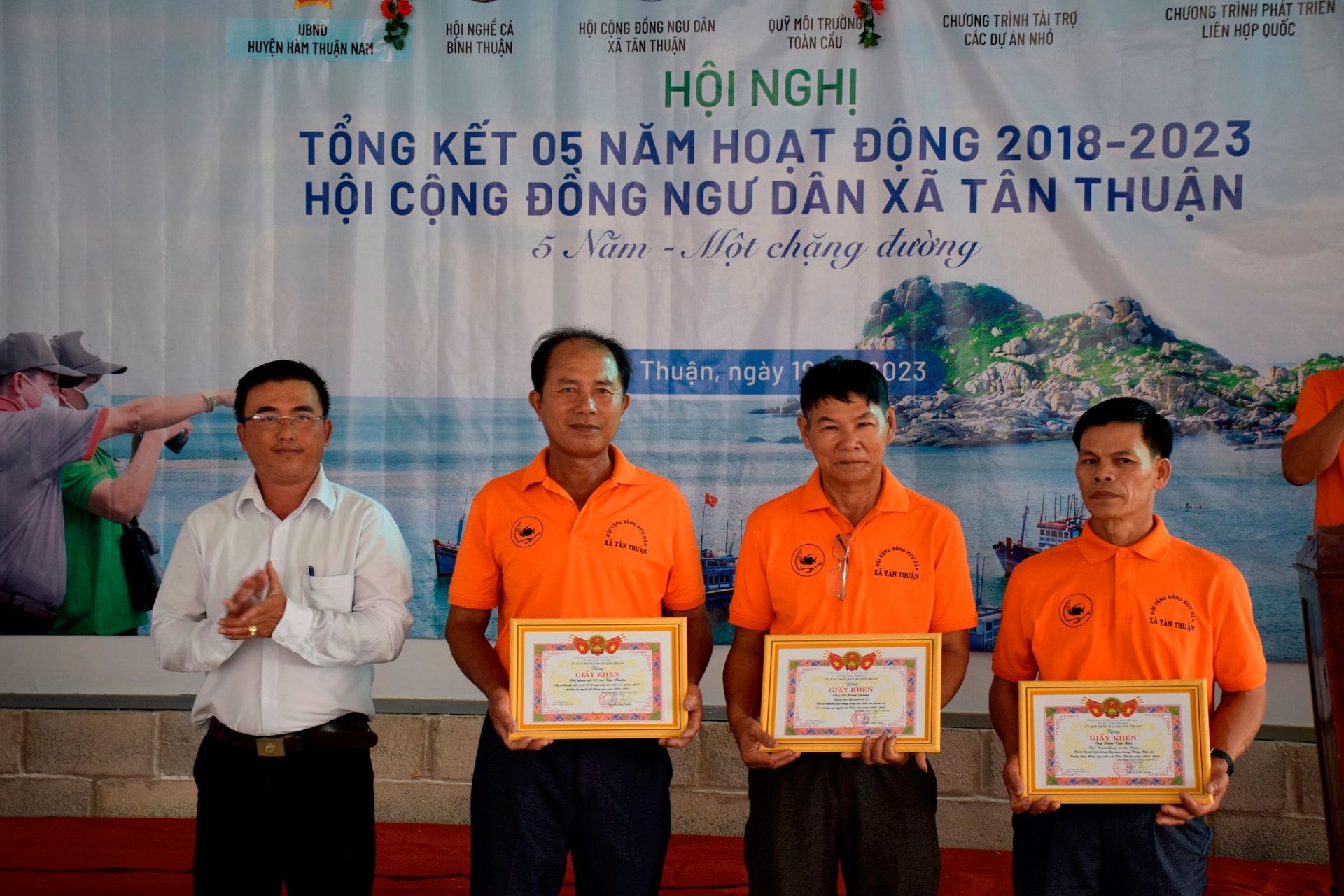
Mr. Huynh Quang Huy, Head of the Provincial Fisheries Department, shared: “IUU fishing activities are considered the biggest threat to the maintenance and conservation of aquatic resources and marine biodiversity. Thanks to these models, IUU fishing practices have been limited and gradually reduced over time, creating conditions for marine ecosystems and environments, and aquatic resources to thrive and regenerate. In particular, the spawning grounds of razor clams in Thuan Quy have been restored. Although the community associations here operate on a voluntary basis, their solidarity has contributed to an increase in aquatic resources in the sea compared to before the implementation of the model, leading to improved livelihoods for many people from fishing activities in the co-managed sea area.”
The clearest evidence is that this year's southern fishing season in the three coastal fishing villages of Ke Ga is just as bustling, with hundreds of fishing boats from all over the district and neighboring districts converging here, because the story of Ham Thuan Nam's bountiful fish and shrimp harvest from the previous season has spread throughout the province. This is the result and pride after years of hard work by the local fishermen to protect and preserve the resources for future generations.


Aquaculture and reducing fishing intensity.
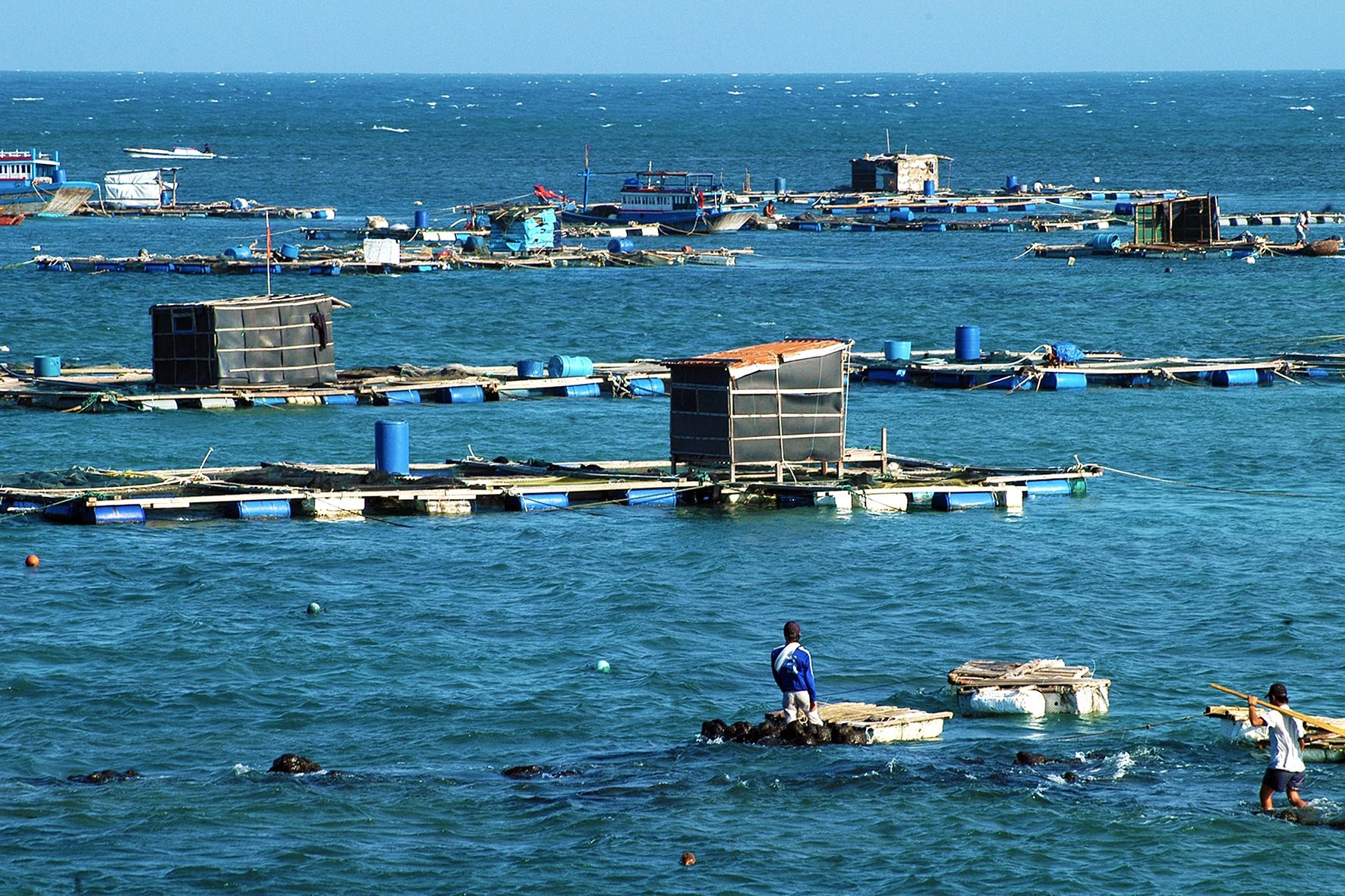
According to Mr. Nguyen Van Chien, Deputy Director of the Department of Agriculture and Rural Development, in addition to implementing and expanding the co-management model, Binh Thuan has planned to encourage fishermen to participate in successful models for protecting aquatic resources. At the same time, the province aims to gradually reduce the number of inshore fishing vessels, facilitate occupational chuyển đổi (transition), and create new livelihoods for fishermen, such as developing aquaculture and implementing models for protecting and regenerating aquatic resources linked to ecotourism development. Only then will the lives of fishermen be stable, and the fishing industry will develop in a safer and more sustainable direction.
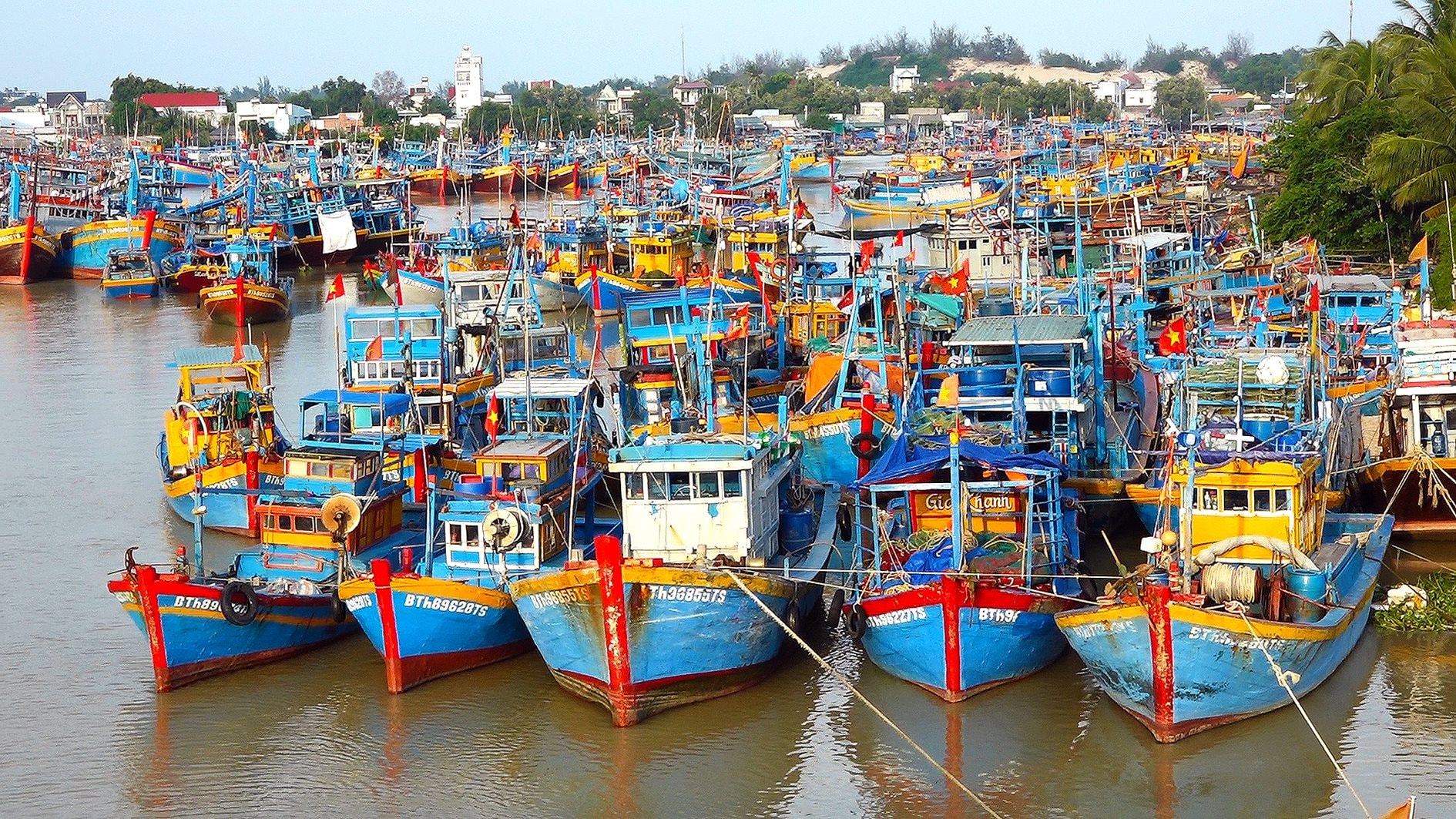
In recent years, the province's fishing fleet has made significant progress, with fishermen boldly investing in building new, larger vessels with fairly complete and modern equipment. While in 2017 there were 1,718 fishing vessels with a length of 15 meters or more, this number increased to 1,957 by the end of 2023, a rise of 239. The development of large-capacity vessels reflects the positive shift in the structure of the province's marine resource exploitation force in recent years. Furthermore, the province has resolutely implemented measures to prevent the development of small vessels operating in coastal areas; it has not issued approvals for the construction of new trawling vessels and has not granted new fishing licenses for trawling under any circumstances. As a result, the number of trawling vessels has decreased from 1,133 in 2017 to only 731, a reduction of 402.
Simultaneously, in the context of increasingly depleted aquatic resources and dependence on imports for raw materials for processing and export, Binh Thuan is implementing a marine aquaculture project, given its significant potential. The average growth rate of the province's total aquatic product output from 2016 to 2023 reached 2.27%. While the output of exploited aquatic products still accounts for the majority, its growth has slowed in recent years compared to aquaculture, especially marine aquaculture. In 2023, the province's total marine aquaculture output reached 552 tons, an increase of 211 tons compared to 2016. The average growth rate from 2016 to 2023 exceeded 7%, a remarkable development. Increasing the production and export value of aquatic products will be a key driver of the province's socio-economic development in the coming years.
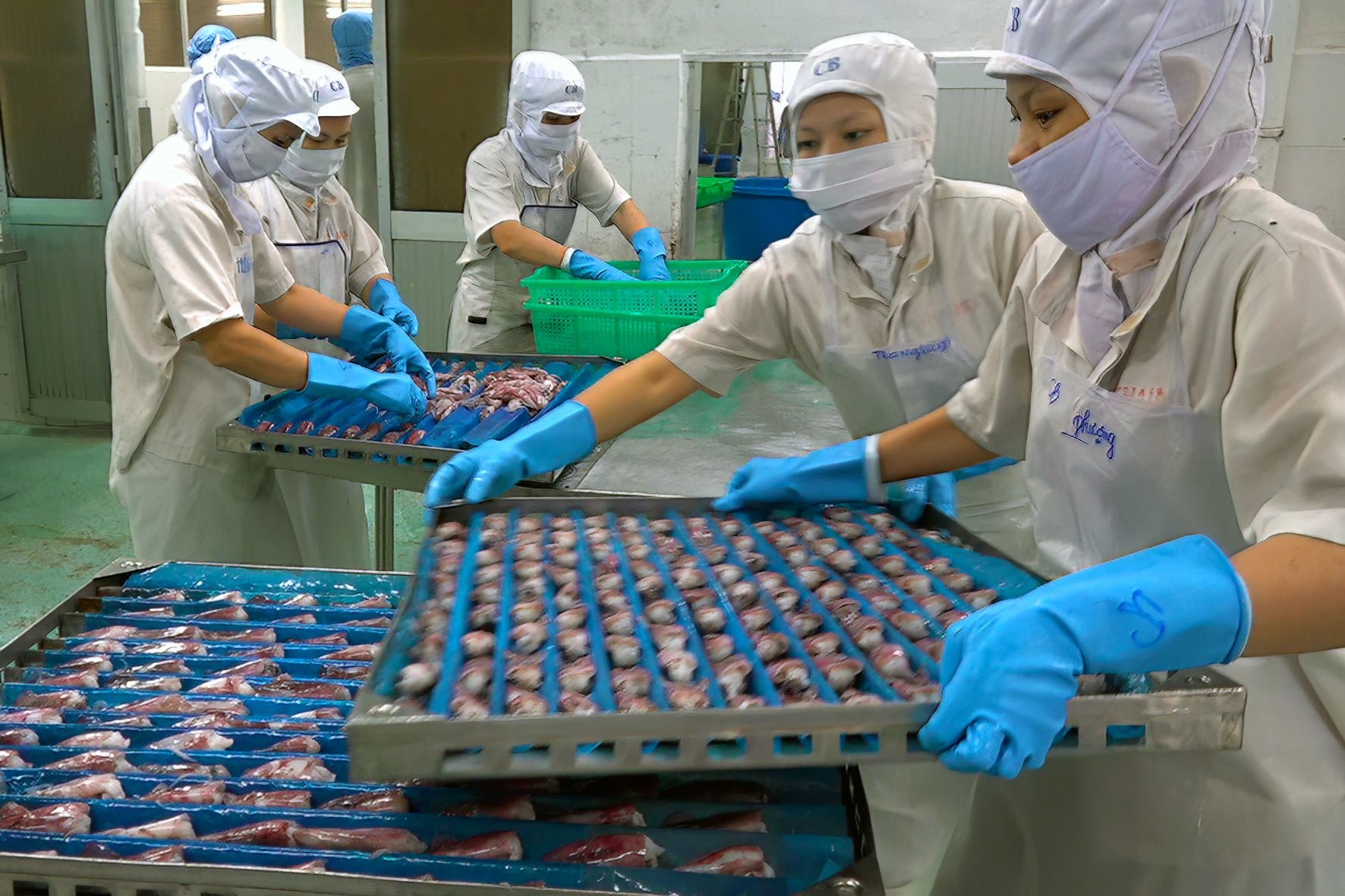
According to surveys by the agricultural sector, the demand for farmed seafood is increasing, tending to replace and reduce pressure on fishing. “Based on these practical requirements, implementing the ‘Project for the Development of Marine Aquaculture in Binh Thuan Province until 2030, with a vision to 2045’ is essential. The province’s fisheries sector will significantly reduce the use of fishing vessels in coastal areas, contributing to solving the problem of transitioning from coastal fishing to more sustainable marine aquaculture. Marine aquaculture also presents a great opportunity to restore ecosystems that are increasingly depleted by overexploitation,” added Mr. Nguyen Van Chien, Deputy Director of the Department of Agriculture and Rural Development.
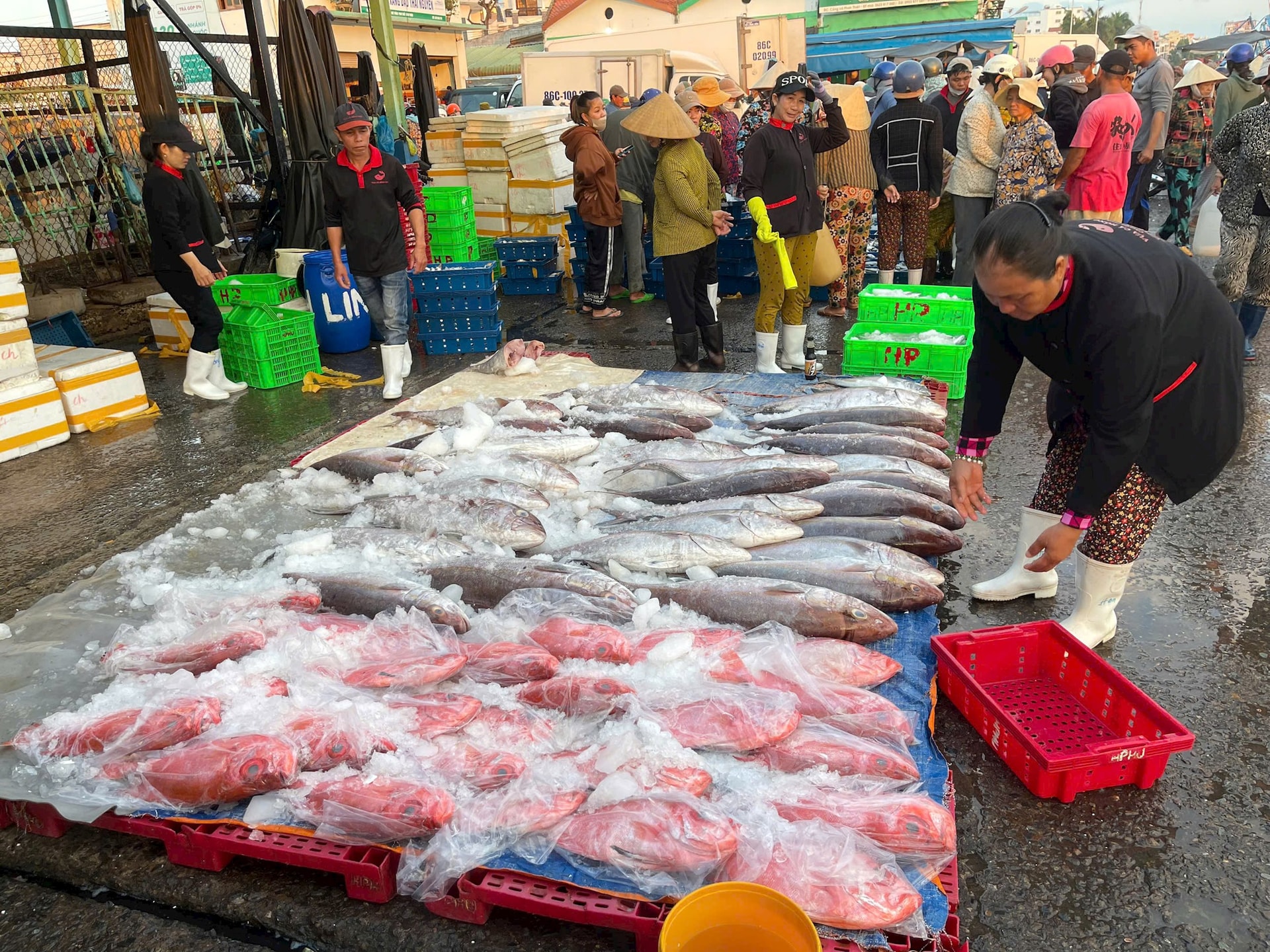
Furthermore, the implementation of the marine aquaculture project also aims to concretize the Resolution on the Strategy for Sustainable Development of Vietnam's Marine Economy, setting the goal of a Vision to 2045, making Vietnam a strong maritime nation and marine economy, making a significant contribution to the national economy, shifting from traditional to industrial-scale aquaculture, applying high technology, and creating a breakthrough in marine aquaculture.



The best news for the province is that the Prime Minister has just signed a Decision approving the Project to develop Phu Quy Island into a center for fishing exploitation, logistics services, and search and rescue at sea. In the not-too-distant future, this "pearl island" will become a center for exploitation for the entire region and the whole country, focusing on offshore fishing, preservation, processing of products, and fishing logistics services. It will also serve as a center for rescue and relief operations, handling incidents and emergencies at sea, aiming to increase income and improve the lives of fishermen while ensuring national defense and security in the country's maritime and island areas. The implementation of this project will make a significant contribution to the task of controlling and preventing IUU fishing, ending the consumption of seafood at temporary docks on the island, and ensuring the traceability of harvested seafood products…
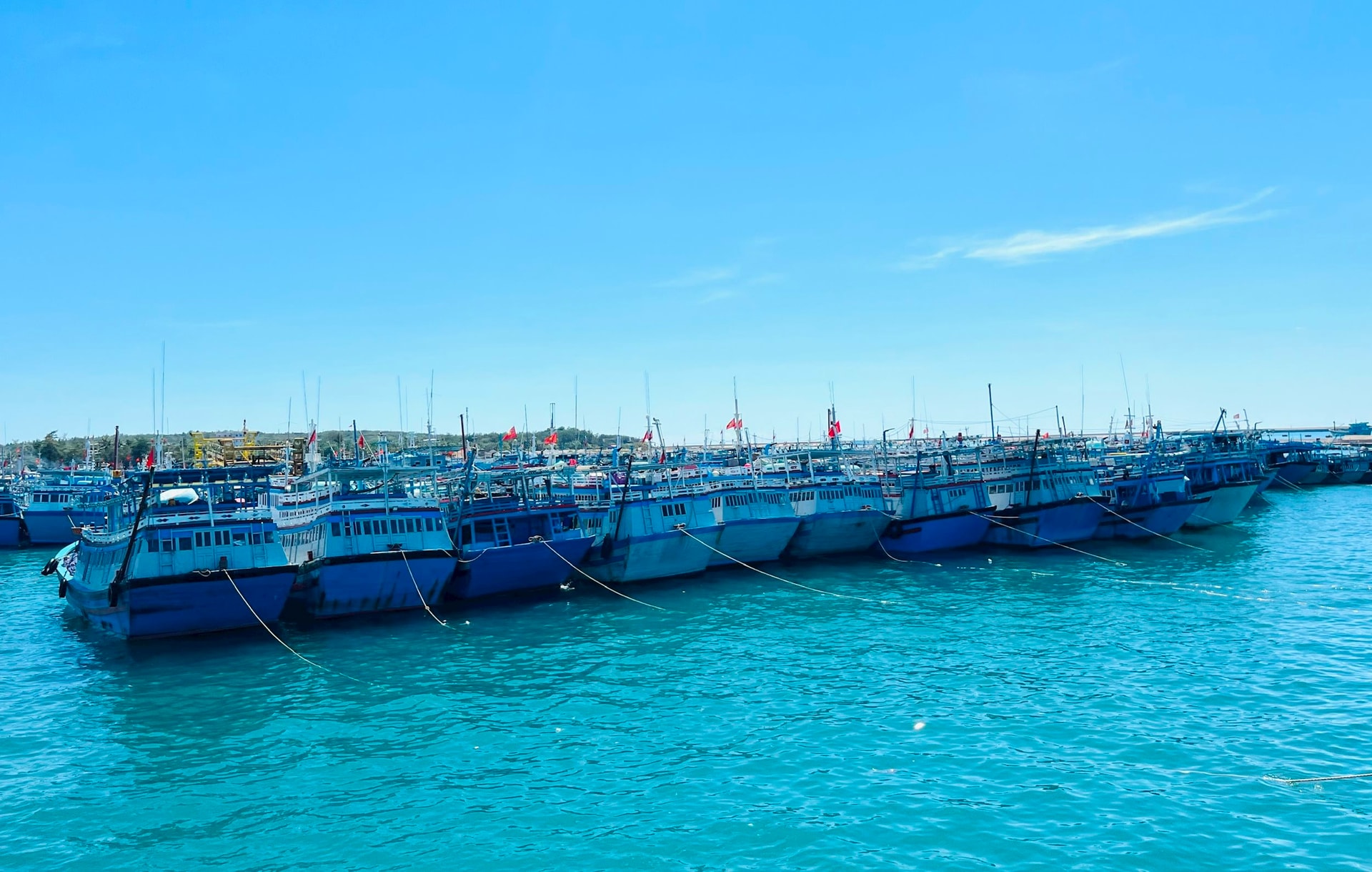
At the online conference summarizing six years of implementing Directive No. 30-CT/TU on January 16, 2018, Provincial Party Secretary Nguyen Hoai Anh also specifically emphasized: Provincial and district-level People's Committees need to pay attention to allocating budgets and mobilizing social resources to invest in effective models and projects for the regeneration, development, and sustainable maintenance of aquatic resources. Strictly punish acts of exploitative fishing that deplete aquatic resources. At the same time, create conditions for restructuring the offshore fishing fleet in conjunction with fisheries logistics services and developing aquaculture at sea; and effectively implement policies to support fishermen.
MINH VAN, PHOTO: N. LAN
Source: https://baobinhthuan.com.vn/chong-khai-thac-iuu-truc-dot-sat-hach-quan-trong-cuoi-cung-bai-3-go-the-vang-phai-dua-tren-3-tru-cot-123453.html
![[Image] National conference summarizing one year of operation of the overall organizational model of the political system, the three-tiered government model.](https://vphoto.vietnam.vn/thumb/1200x675/vietnam/resource/IMAGE/2026/07/01/1782882811691_ndo_br_1-jpg.webp)