

Applications of ginger in healthcare
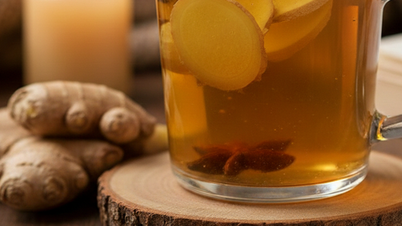
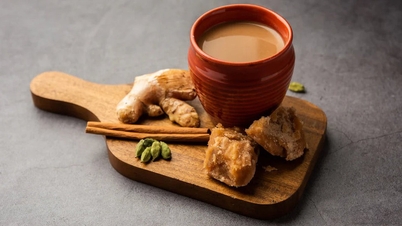
Ginger tea
Ginger tea may be prescribed to combat nausea and vomiting, improve digestion, clear airways, and relieve dry coughs.
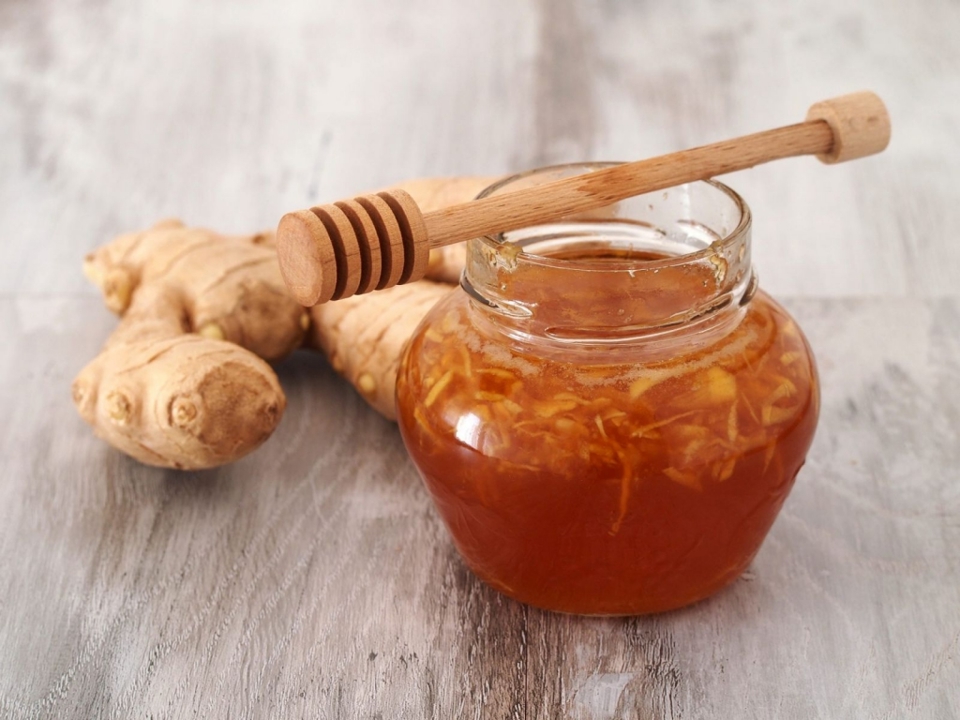
Preparation method
2 to 3 cm of grated fresh ginger;
200 ml of water.
Ginger tea can also be made with other foods or herbs, such as lemon, cinnamon, or mint.
Add ginger and water to a pot and boil for 8 to 10 minutes. Turn off the heat, cover the pot, and when it's warm, strain and drink immediately. You should drink a maximum of 3 cups of this tea per day.
Supplement with ginger in capsule form.
Ginger supplements are available in tablet or capsule form and are prescribed to treat nausea, vomiting, menstrual cramps, arthritis, or sore throat.
The recommended daily dose of ginger capsules is usually 250 mg to 2 g, divided into 2 to 4 doses per day, or as directed by a doctor. This supplement should be taken orally with a glass of water.
Use ginger essential oil
Ginger essential oil can be used by diluting 3 to 5 drops of the oil in 1 tablespoon of vegetable oil (olive, coconut, or almond oil) and applying it to the skin, massaging it in to treat muscle pain or rheumatic pain.
Another way to use ginger essential oil is to dilute 15 drops of oil in 3 tablespoons of milk or vegetable juice and add the mixture to a bath, relaxing for 20 minutes.
Possible side effects
Excessive consumption, more than 5 grams of ginger per day, can cause several side effects such as stomach pain, high blood pressure, dizziness, heartburn, changes in heart rate, diarrhea, and drowsiness.
Who cannot consume ginger?
Ginger is not suitable for children under 6 years old or those with gallstones, stomach ulcers, changes in blood circulation, or those taking anticoagulant medication.
People who take medication to control high blood pressure and diabetes should only consume ginger under the guidance of a doctor, as it may interfere with the effects of these medications.
Although ginger is considered safe during pregnancy, its use should only be done under the guidance of a doctor, as information regarding the maximum safe dosage is still insufficient.
Frequently Asked Questions about Ginger
Some common questions about using ginger are:
Is eating too much ginger harmful?
When consumed in excess, ginger can cause stomach upset in children and those with sensitive stomachs, and it can also cause drowsiness.
Does ginger thin the blood?
Regular consumption of ginger can "thin" the blood and should therefore be avoided by people taking anticoagulant medications such as warfarin, as it may increase the risk of bleeding.
Does ginger raise blood pressure?
Ginger does not raise blood pressure and, in fact, may improve it. However, people taking medication to control blood pressure should only consume ginger with medical advice, as it may interfere with the effects of the medication.
Does ginger help with weight loss?
Ginger has thermogenic properties and therefore can help speed up metabolism and thus burn energy, and may be helpful in aiding weight loss, especially if combined with a healthy diet and regular physical activity.
Source: https://kinhtedothi.vn/gung-co-giup-giam-can-khong.html
![[Photo] Prime Minister Pham Minh Chinh receives the Chinese Ambassador to Vietnam](https://vphoto.vietnam.vn/thumb/1200x675/vietnam/resource/IMAGE/2026/04/05/1775397481797_ndo_br_dsc-5512-jpg.webp)
































































































Comment (0)