
In the final minutes, Morocco tried to push forward to find an equalizer but were met with a well-organized Dutch defense. The experience of captain and central defender Van Dijk helped the "Orange Tornado" neutralize their opponents' attacks.
However, Morocco still got what they needed. In the 90+1 minute, from a powerful cross from the left wing by Chemsdine Talbi, Issa Diop rose high to head the ball into the net, bringing the game back to a tie.
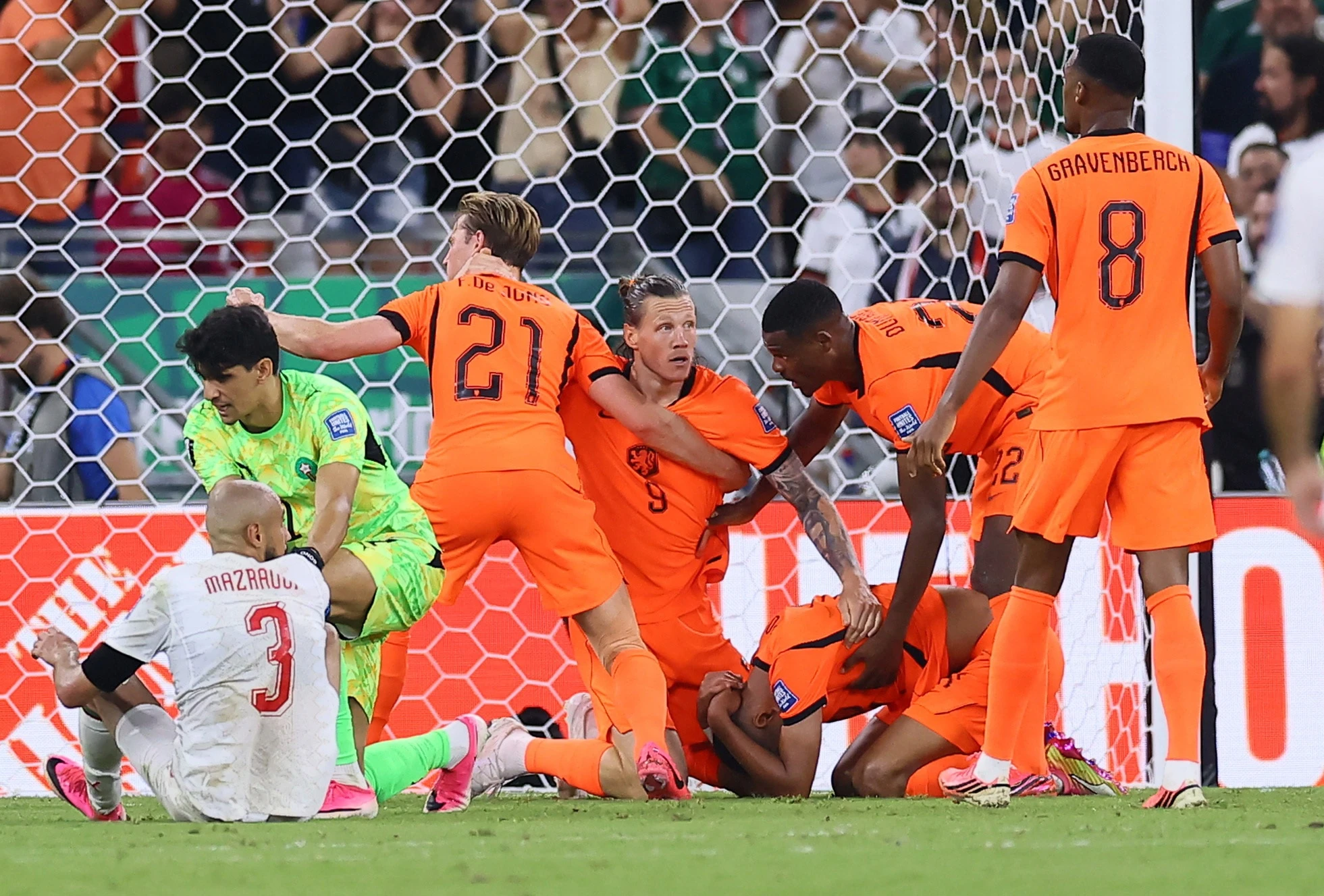 |
An emotional moment for the Dutch players. |
In a deadlock, the Netherlands unexpectedly took the lead. From a long ball from their own half, substitute Wout Weghorst headed the ball down to Summerville, who raced through to face the Moroccan goal. Despite being closely marked, Summerville managed to pass the ball to Gakpo, who easily slotted it into the net.
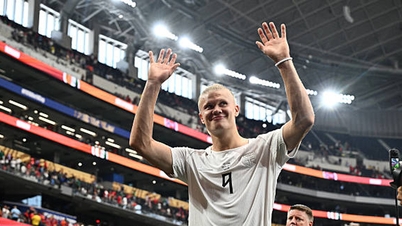
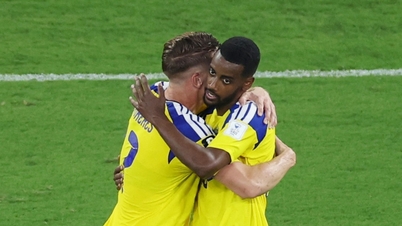
After scoring, Gakpo broke down in tears and was embraced by his teammates. On June 28th, the striker suffered a heartbreaking tragedy when he lost his unborn child, but he still decided to stay with the Netherlands national team to compete in the 2026 World Cup .
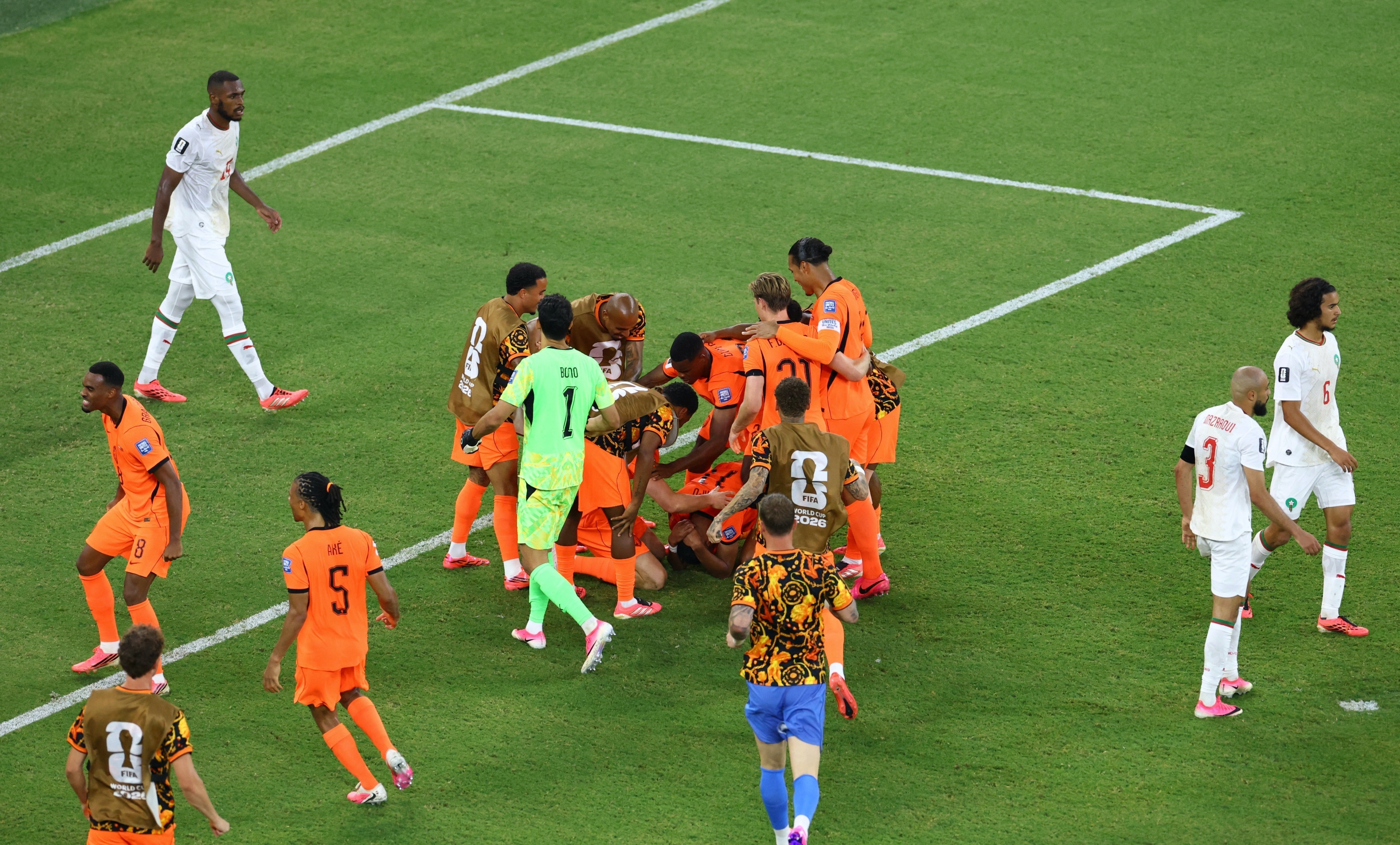 |
The whole team hugged Gakpo after he scored the goal. |
The first 15 minutes of the second half were full of excitement. Morocco continued to play proactively and nearly opened the scoring. In the 52nd minute, Achraf Hakimi raced down to receive a through ball from Ounahi and unleashed a powerful shot, but the ball hit the crossbar of the Netherlands goal.
In this play, Hakimi also had another option: passing horizontally to a teammate who was waiting unmarked. Earlier, Issa Diop received a yellow card for fouling Brobbey.
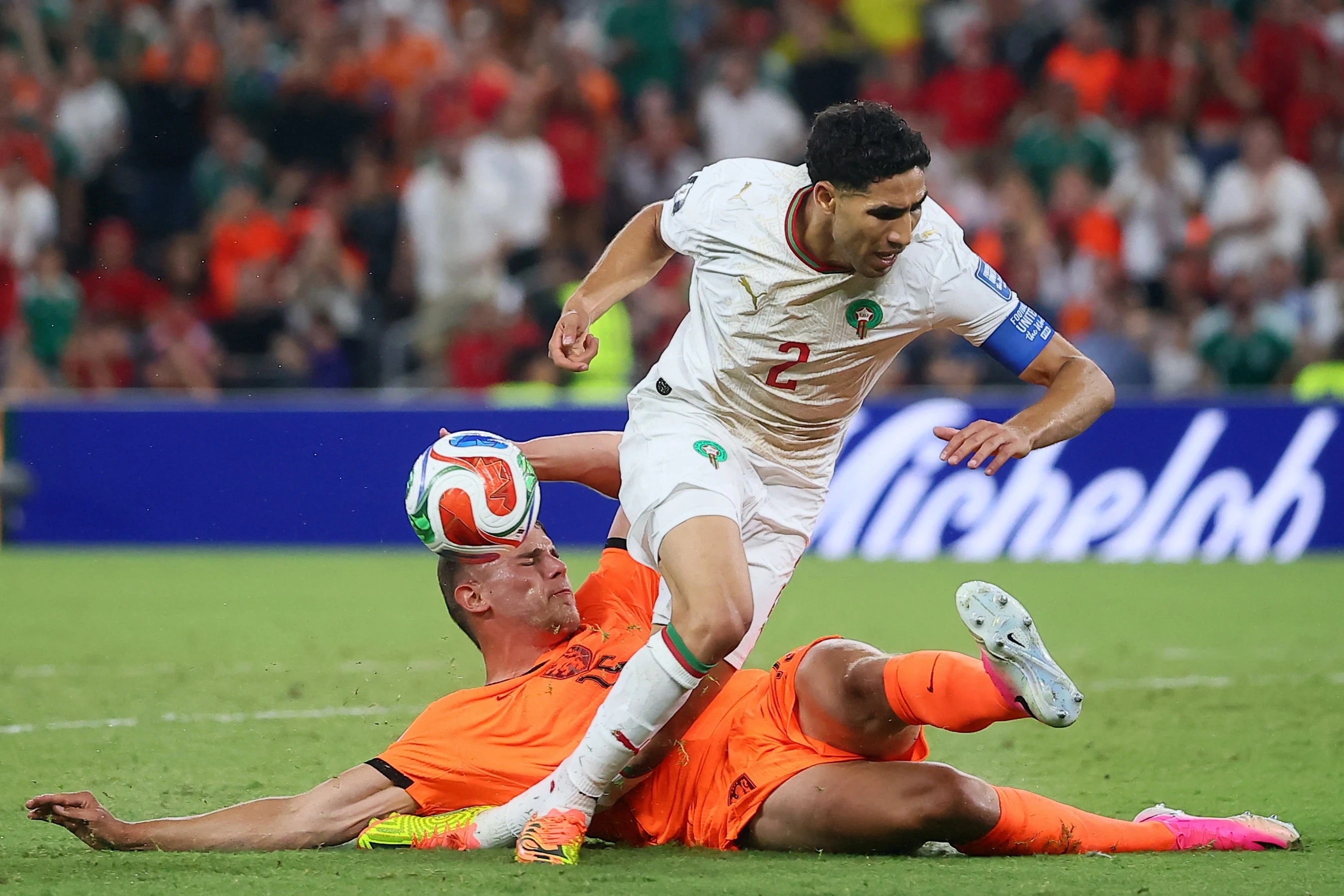 |
Hakimi nearly scored for Morocco. |


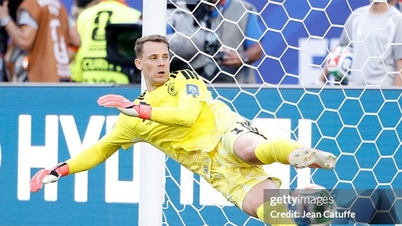
The Netherlands faced considerable difficulties against Morocco in the first half. Goalkeeper Bart Verbruggen had to work incredibly hard to keep the "Orange Tornado" from conceding a goal.
The Netherlands started cautiously, mainly exploiting the speed of Brobbey and Summerville, but the Moroccan defense played tightly, consistently breaking down counter-attacks. Meanwhile, Morocco was the team that made more of an impact.
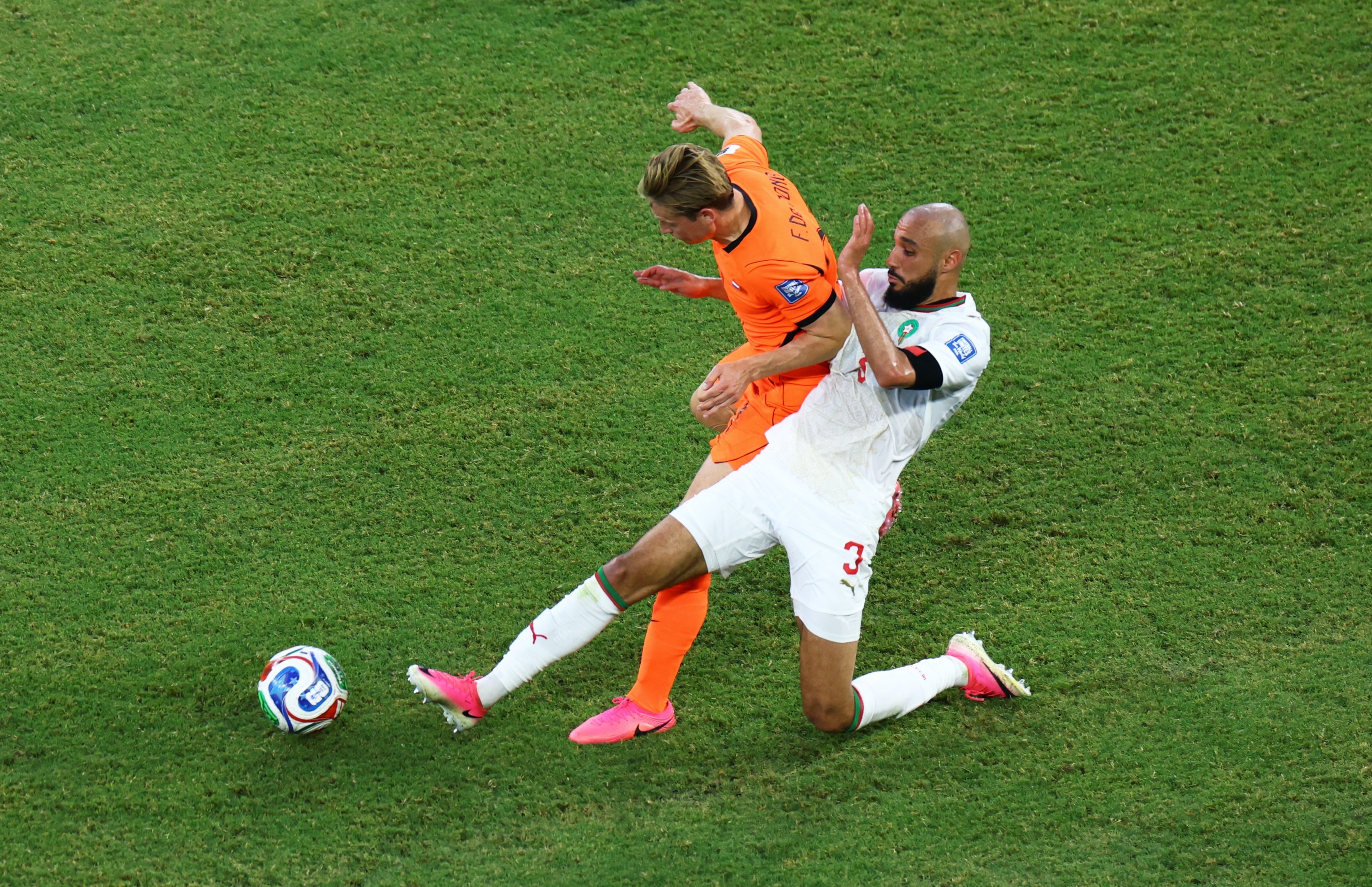 |
Morocco played somewhat better than the Netherlands in the first half. |
After about 20 minutes, the African representatives accelerated and repeatedly threatened Bart Verbruggen's goal. Neil El Aynaoui's dangerous header forced the Dutch goalkeeper to make an excellent save, before Achraf Hakimi unleashed a powerful long-range shot that Verbruggen had to make a diving save to deny.
After the water break, Morocco continued to control the game better with a series of sharp attacking moves.
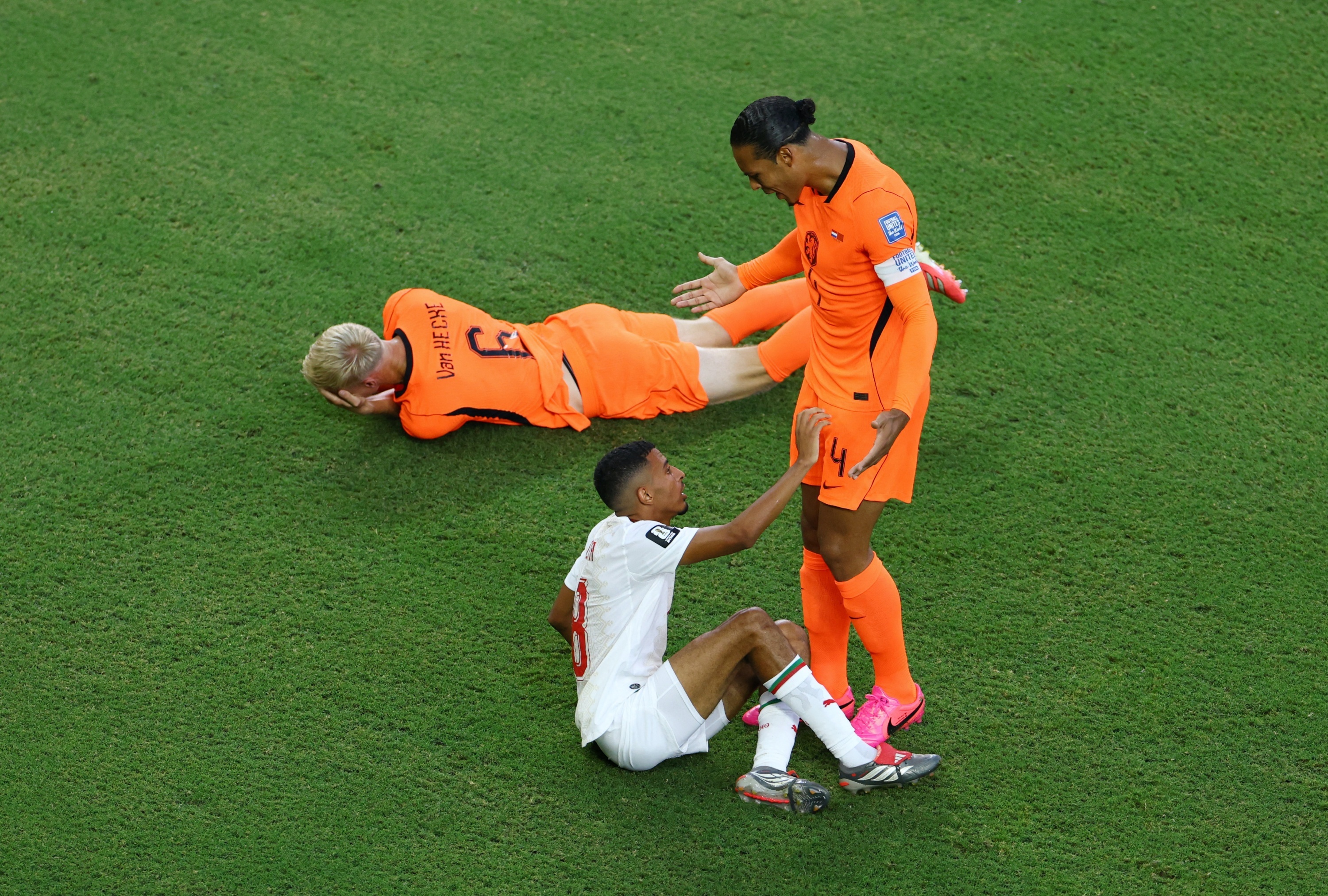 |
The match was fiercely contested in the midfield area. |
The final minutes of the first half saw the Netherlands pressing Morocco back into their own half. However, the African side remained disciplined, holding firm against the relentless attacks.
Conversely, Morocco calmly executed several dangerous counter-attacks, causing confusion in the Dutch defense. With more accuracy, Morocco could have opened the scoring before halftime. The Dutch goal was truly under threat in the first 45 minutes.
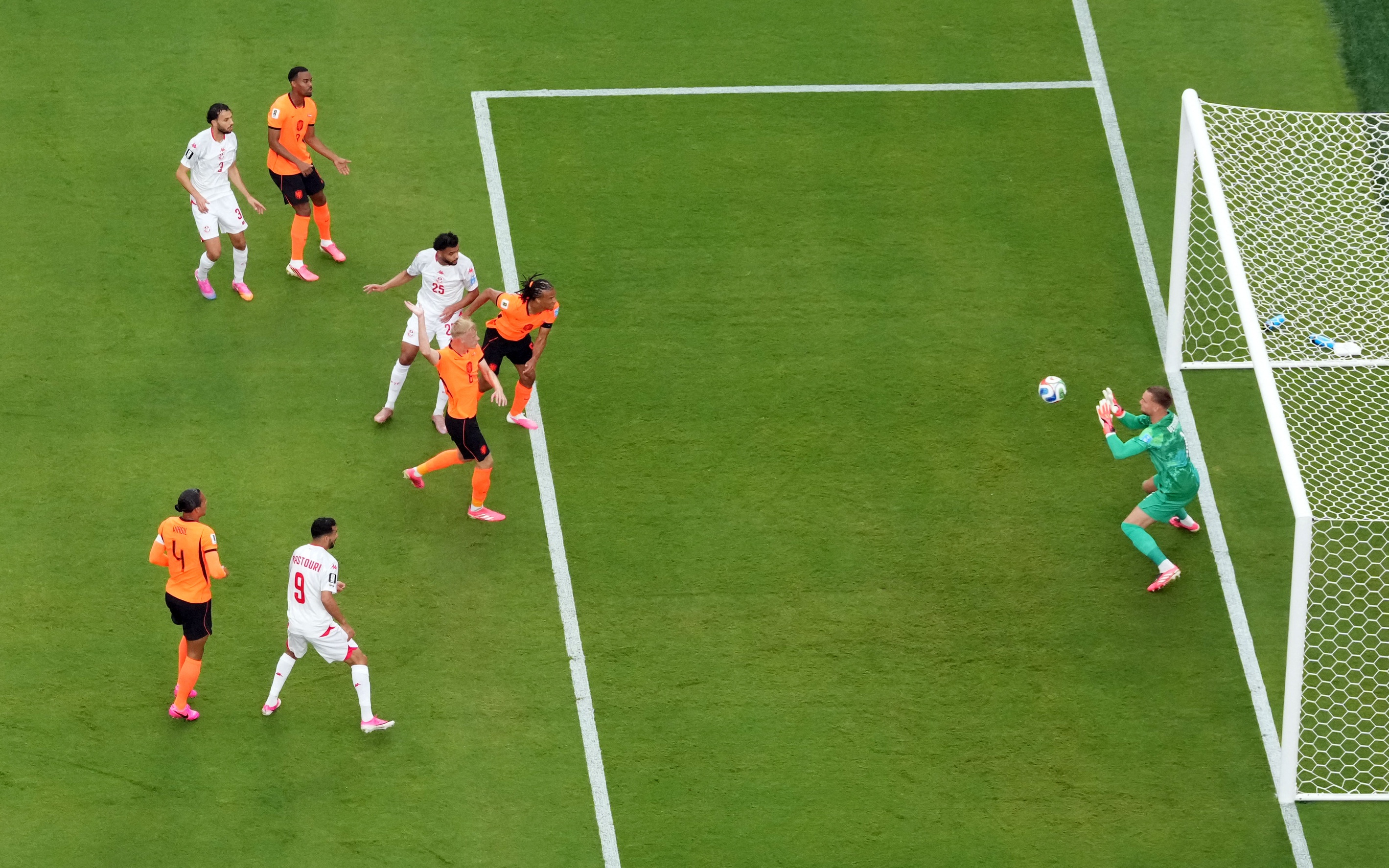 |
Goalkeeper Verbruggen had a busy first half. |
The Netherlands entered the knockout round in impressive form. Under the guidance of coach Ronald Koeman, the "Orange Tornado" drew 2-2 with Japan , before defeating Sweden 5-1 and Tunisia 3-1. They maintained remarkable consistency, scoring 38 goals in their last 12 matches, averaging more than 3 goals per game, and consistently finding the net in every match.
The diversity in attack with Gakpo, Malen, and Brobbey, along with the playmaking abilities of Frenkie de Jong and Reijnders, gives the Netherlands plenty of options to approach the goal. Their ball control and passing accuracy of 89% also demonstrate the dominance they can create in terms of possession.
However, Morocco presents a completely different challenge. The African representatives entered the knockout round undefeated, earning 7 points from 3 matches and finishing behind Brazil only due to an inferior goal difference. Their greatest strength lies in their tight defensive structure and extremely quick transitions between attacking and defensive phases.



Statistics show that Morocco conceded an average of only 0.44 goals per game in their last 27 matches and kept 17 clean sheets. This is clear evidence of the discipline and high level of organization in the North African team's defense, which is capable of causing difficulties for any attacking line.
The match was therefore predicted to be a true test for both teams. The Netherlands might have more possession, but Morocco possessed resilience and the ability to withstand pressure well, enough to drag the game into a prolonged stalemate.
Source: https://znews.vn/ha-lan-1-1-morocco-ban-thang-nghet-tho-post1661083.html


![[Photo] Strengthening character and expertise: Intense training for artillery soldiers.](https://vphoto.vietnam.vn/thumb/1200x675/vietnam/resource/IMAGE/2026/06/30/1782815602541_lu-368-1875-4571-jpg.webp)