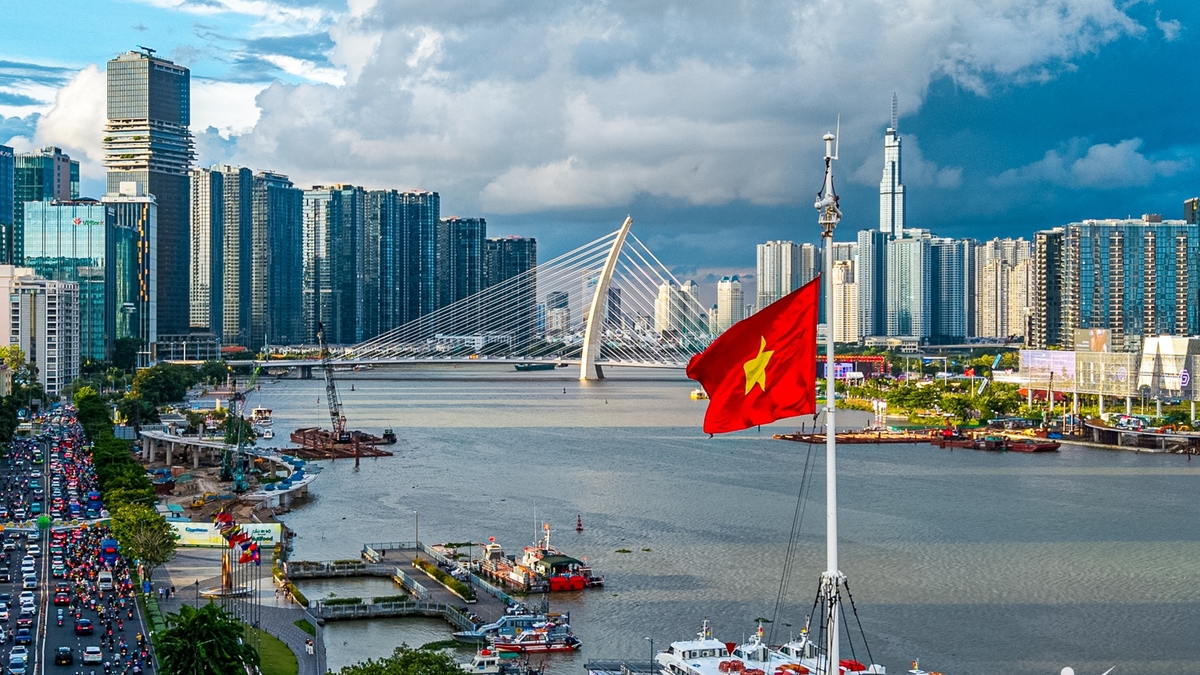
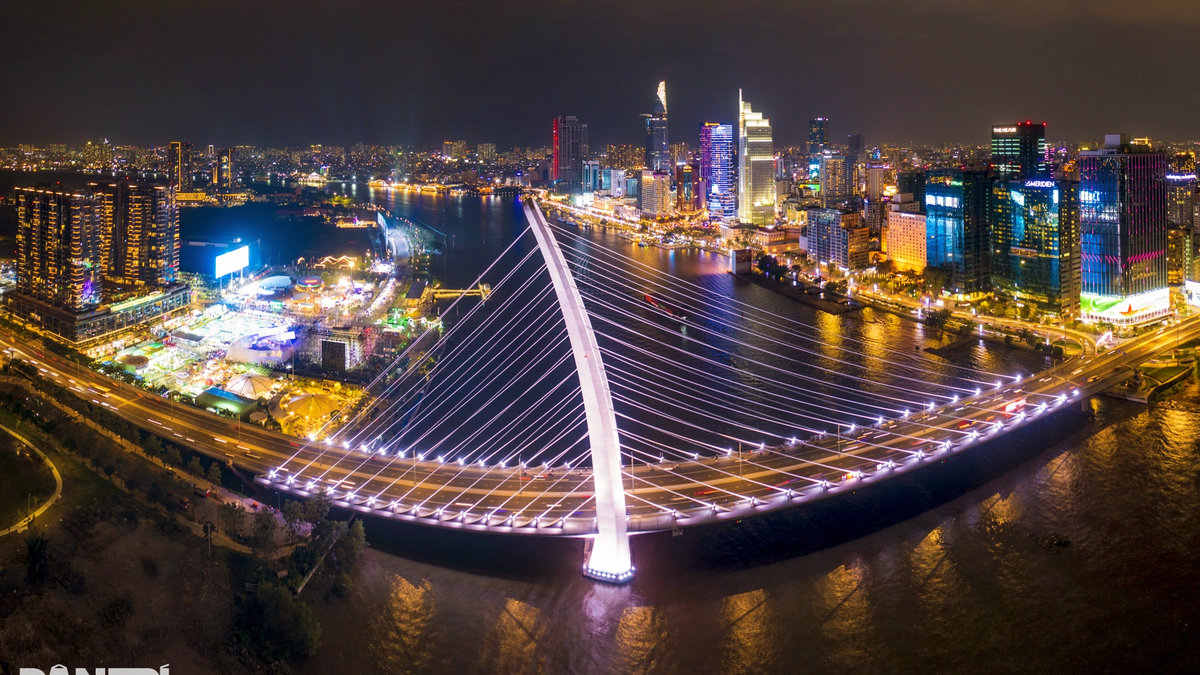
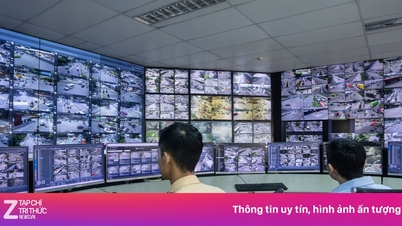
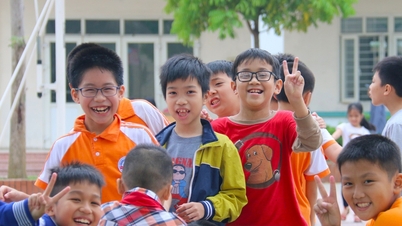
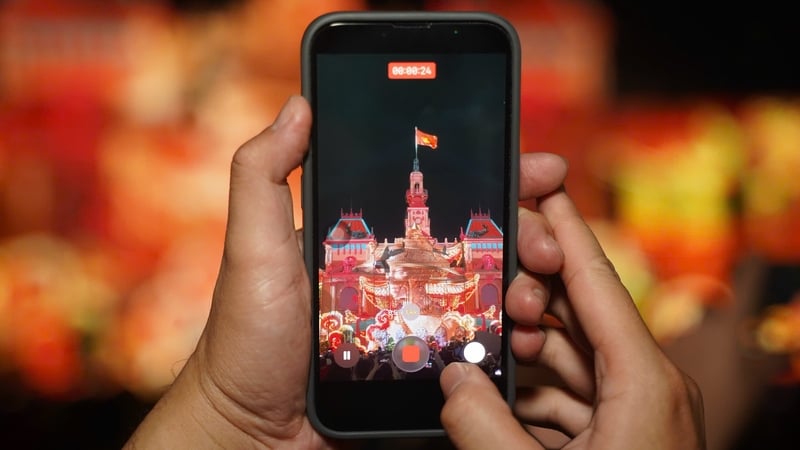
Since then, half a century has passed, and Ho Chi Minh City has not only lived up to the trust and affection of the entire nation but has also become a vibrant symbol of innovation, dynamism, creativity, and the aspiration for development.
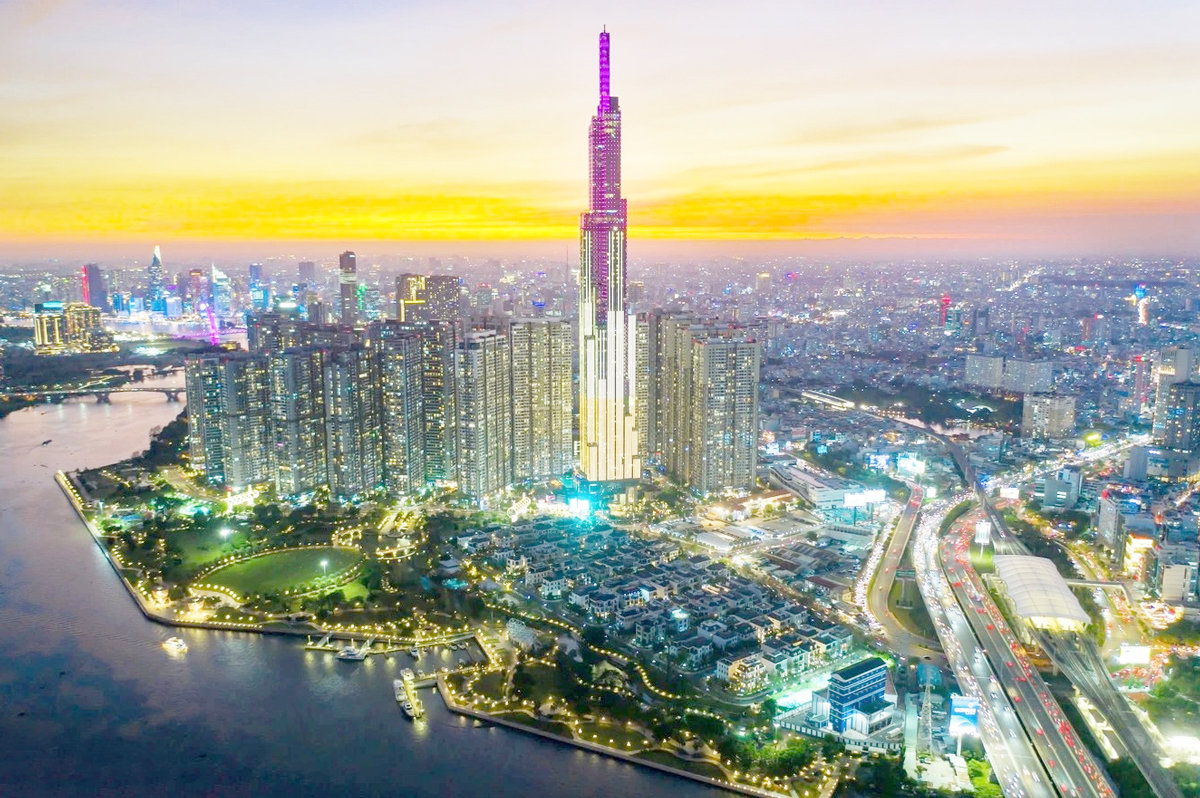
Fifty years bearing the name of President Ho Chi Minh is 50 years of a city that has continuously strived for strong growth; it is also 50 years of profound friendship between two special cities of the country - Hanoi , the thousand-year-old capital of culture, and Ho Chi Minh City, the heroic, dynamic, and creative city.
From a city engulfed in flames to the economic powerhouse of the nation.
After the reunification of the country, Saigon - Gia Dinh embarked on a new journey fraught with difficulties and challenges. The heavy consequences of war, inadequate infrastructure, and the hardships faced by the people were immense. But it was precisely in these circumstances that the city named after President Ho Chi Minh demonstrated its unwavering revolutionary tradition and its spirit of daring to think, act, and take responsibility, gradually exploring new directions. In the early years of reform, Ho Chi Minh City became the birthplace of many bold initiatives, paving the way for a socialist-oriented market economy. From new production and business models and flexible economic management approaches to attracting investment and developing enterprises, the city consistently played a pioneering role.
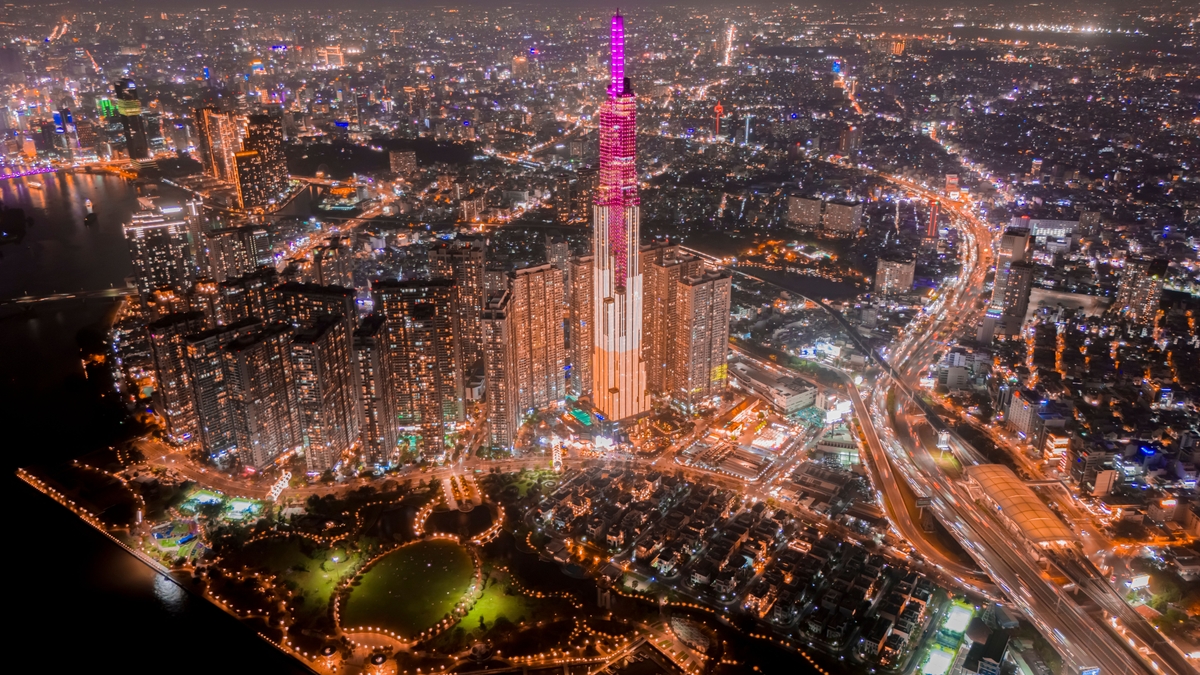
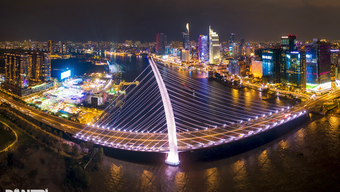
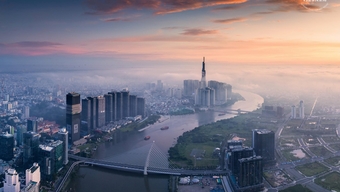
Today, Ho Chi Minh City is the largest economic center in the country, a hub for international trade, and a center for finance, commerce, science, technology, and innovation. The city contributes a significant portion to the national budget and is home to millions of workers, entrepreneurs, intellectuals, scientists, and young startups. Modern structures have risen from a land once scarred by bombs and bullets: the metro system, new urban areas, financial and high-tech centers, strategic transportation routes, seaports, airports, and large-scale logistics centers. A city once known for its vibrant port life is now striving for global urban status. But the greatest value of Ho Chi Minh City lies not only in its economic indicators; it also lies in its spirit of compassion, tolerance, dynamism, and creativity – qualities that have become the unique identity of the city named after President Ho Chi Minh.
The city named after President Ho Chi Minh – responsibility and honor: During his lifetime, President Ho Chi Minh never returned to the South after the country gained independence. He always held deep affection for the people of the South, affirming: "The South is always in my heart." Therefore, the naming of Saigon - Gia Dinh after Ho Chi Minh is a profound expression of gratitude from the entire nation to him; it is also a great honor and a special responsibility. For the past 50 years, every step of the city's development has been linked to the aspiration of building a civilized, modern, and compassionate city, worthy of that sacred name.
During the Covid-19 pandemic, the entire country witnessed a resilient and compassionate Ho Chi Minh City. Despite suffering immense losses, the city stood firm, gradually recovering and continuing to develop. The convoys of charitable vehicles, the field hospitals, the frontline forces, and the citizens sharing meals and vegetables illuminated the city's humanitarian traditions. The spirit of "for the whole country, together with the whole country" continues to be affirmed in every stage of development.
Hanoi and Ho Chi Minh City – two leading cities, one aspiration: If Hanoi is the heart and mind of the nation, the national political and administrative center, and the embodiment of a thousand years of civilization, then Ho Chi Minh City is the economic engine, the center of innovation and international integration. These two cities, located in different regions of the country, share a common historical origin and a special mission for the nation's development.
![[Video] Prime Minister receives President of Japan International Cooperation Bank](https://vphoto.vietnam.vn/thumb/192x108/vietnam/resource/IMAGE/2026/07/02/1783005862902_dung00-52-51-01still006-png.webp)

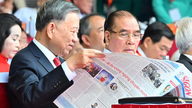
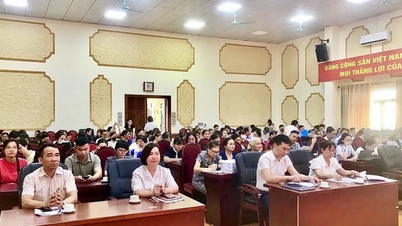
Over the past half-century, the cooperative relationship between Hanoi and Ho Chi Minh City has been increasingly strengthened and comprehensively developed in many fields. This includes coordination in urban planning and management; economic, financial, and trade linkages; and cooperation in education, science, technology, health, and culture. The two localities regularly exchange experiences in management, urban governance, infrastructure development, and improving the quality of life for their citizens.
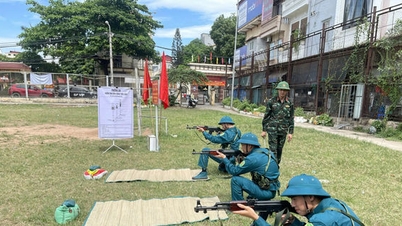
The twinning programs, cultural exchanges, and activities of youth, women, trade unions, and the armed forces have contributed to fostering close ties between the people of the two cities. This spirit of solidarity is even more deeply demonstrated during difficult times. When Ho Chi Minh City was severely affected by the Covid-19 pandemic, Hanoi shared human resources, material resources, and emotional support. When the capital faced difficulties due to natural disasters and epidemics, Ho Chi Minh City always turned its attention to Hanoi with responsibility and compassion. This is not only cooperation between two major cities but also a symbol of national unity.
Two cities – two identities, one future: Hanoi and Ho Chi Minh City have different characteristics but complement each other in their development. Hanoi possesses a depth of culture, history, and tradition. Ho Chi Minh City embodies an open, dynamic, and integrated spirit. One side represents the essence of a thousand years of civilization, the other the vibrant energy of a young metropolis. This combination creates a unique driving force for the country's development.
In the context of the Fourth Industrial Revolution, digital transformation, green economy, and sustainable development, the linkage between the two cities becomes even more important. Sharing scientific and technological resources, training high-quality human resources, developing an innovation ecosystem, and building modern financial and logistics centers will contribute to enhancing national competitiveness. These two special cities must not only be engines of growth but also centers for disseminating knowledge, technology, culture, and development values to other regions of the country.
Aspiration to reach for the future
The 50th anniversary of Ho Chi Minh City being honored with the name of the great President Ho Chi Minh is an opportunity to look back on the journey with profound pride, while simultaneously defining new goals for the future. In the new era of national development, Ho Chi Minh City continues to play the role of the economic locomotive, financial center, and innovation hub of the region. Hanoi continues to uphold its position as the cultural capital, the political, cultural, scientific, and educational center of the nation. The two cities need to continue strengthening strategic linkages, leveraging the strengths of each locality, and creating new drivers of national development.
Fifty years ago, the naming of Saigon - Gia Dinh after President Ho Chi Minh was a great honor for the people of Southern Vietnam and the entire nation. Today, after half a century, Ho Chi Minh City has affirmed its position as a large, modern, dynamic, and compassionate metropolis. And on that journey, Hanoi has always been a companion.
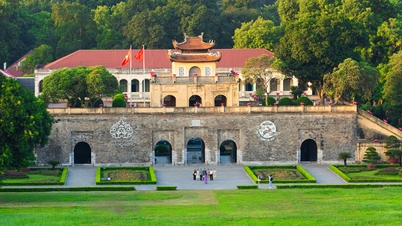
From the sacred and elegant Ho Guom Lake to the historical Nha Rong Wharf, a testament to the departure of President Ho Chi Minh in his quest to save the nation; from the historic Ba Dinh Square to Bach Dang Wharf; from the ancient streets of the capital to the modern boulevards along the Saigon River, an invisible yet strong thread has connected the two cities in the North and South of the country, uniting them into a single, unified land.
It is love for the homeland. It is faith in the path chosen by the Party, President Ho Chi Minh, and the people. It is the aspiration to make Vietnam a developed, powerful, and prosperous nation.

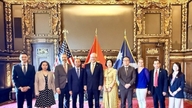

The 50th anniversary of Ho Chi Minh City bearing the name of President Ho Chi Minh is not only a source of pride for the city itself, but also for the entire nation. And in this harmonious symphony, Hanoi and Ho Chi Minh City will continue to write new chapters in the history of Vietnam in the 21st century.
Regarding the results of the cooperation between Hanoi and Ho Chi Minh City in the 2023-2025 period related to the fields of economics, trade, culture, and tourism, the Hanoi People's Committee stated: The two cities have coordinated in providing information on a number of potential projects in the industrial and commercial sectors; created conditions for businesses in both cities to seek investment opportunities suitable to the development orientation of each locality; and strengthened connections between businesses participating in the supply chain. The Hanoi Department of Industry and Trade regularly informs and invites businesses from Ho Chi Minh City to participate in events such as trade fairs and exhibitions organized by Hanoi, while also supporting the introduction and connection of Ho Chi Minh City's products to the Hanoi market...
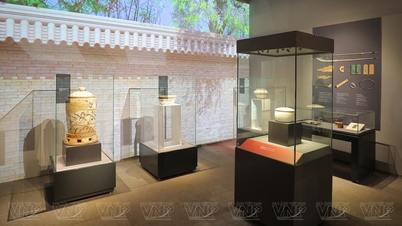
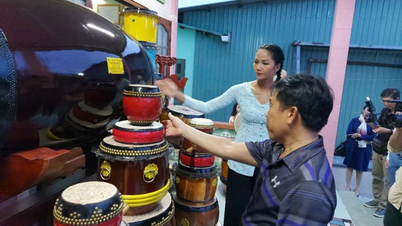
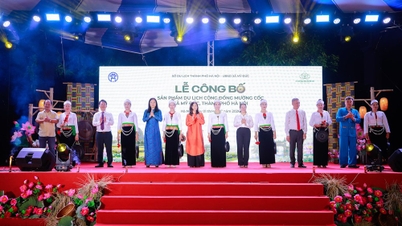
The two cities have also implemented many cultural and tourism promotion activities: Hanoi successfully collaborated with Ho Chi Minh City to organize the "Hanoi Days in Ho Chi Minh City" event to commemorate the 70th anniversary of the Liberation of the Capital (October 10, 1954 - October 10, 2024), a highlight of cooperation between the two cities, thereby strengthening links and spreading the image of Hanoi in Ho Chi Minh City. At the same time, they actively organized and participated in tourism promotion programs and fairs in both localities…
Source: https://hanoimoi.vn/ha-noi-thanh-pho-ho-chi-minh-cung-chung-khat-vong-vuon-xa-1210237.html