


The emergence of new-generation drugs with sophisticated disguises is becoming a major challenge to public health care and protection, especially for young people. According to health and social statistics, there are currently about 226,000 registered drug addicts and illegal drug users nationwide. Alarmingly, the age of users is getting younger, with up to 60% of first-time users being between 15 and 25 years old, and even many patients as young as 13 to 15 years old. In reality, drugs no longer exist in common forms like white powder or tablets, but have transformed into various solutions, essential oils, or synthetic chemicals, cleverly mixed into "happy water," "psychedelic mushrooms," pastries, food, or infused into e-cigarettes. This deception, combined with open online buying and selling groups, has led many students to fall into the trap and become victims after just one try.
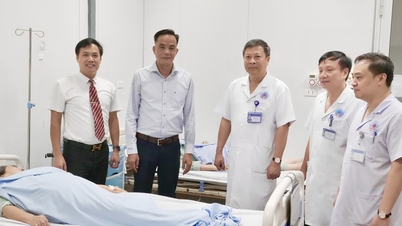
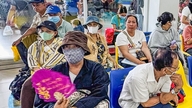
Regardless of the form they take, these psychoactive substances possess extremely potent toxicity, directly attacking the central nervous system and causing multiple organ failure. The number of emergency cases due to new drug poisoning is rapidly increasing, with severe symptoms such as agitation, paranoia, hallucinations, seizures, malignant hyperthermia, cardiac arrhythmias, and acute renal failure. Treatment is further complicated by the fact that the chemical compounds in synthetic cannabis are constantly changing their structure to avoid being on the banned list. This constant alteration often renders them undetectable by rapid on-site testing, forcing the healthcare system to conduct in-depth laboratory analyses to identify the toxic substance, prolonging the time to access optimal treatment protocols. For adolescents – an age group whose brains and personalities are not yet fully developed – the aftereffects of new drugs also include psychological dependence, depression, prolonged behavioral disorders, and a complete loss of future direction.
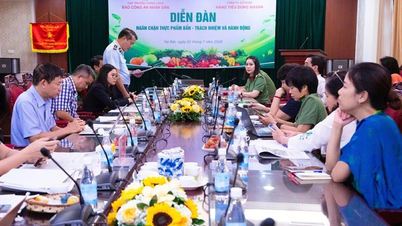
Given this situation, preventing drug infiltration into school life requires a comprehensive and decisive prevention plan from the entire society. Public awareness campaigns need to be reformed to be more visually appealing and medically accurate, helping young people recognize disguised traps and abandon the naive belief that trying drugs once is harmless. Within families, parents need to closely monitor their children to promptly detect any unusual changes in their psychological and physiological development, while also equipping them with the skills to refuse temptations. Alongside the efforts of authorities to dismantle drug trafficking networks on social media and in real life, each individual needs to raise their own vigilance. Protecting the younger generation from the wave of synthetic drugs is not only a battle for law enforcement, but also an urgent preventative health responsibility to safeguard the physical, mental, and future of an entire generation.



Source: https://baolangson.vn/hiem-hoa-tu-ma-tuy-the-he-moi-5096844.html