When HPV is mentioned, many people immediately think of cervical cancer or assume it's simply a sexually transmitted disease.
However, HPV is a very diverse group of viruses with hundreds of different types, not all of which cause cancer, and not everyone infected with HPV will develop serious disease. Understanding HPV correctly is key to effective disease prevention and avoiding unnecessary anxiety.
According to Dr. Dao Thi Hoa, Head of the Outpatient Department at the Central Obstetrics and Gynecology Hospital, HPV (Human Papillomavirus) is one of the most common viruses in the world .
 |
| According to a circular from the Ministry of Health , the HPV vaccine will officially be included in the Expanded Immunization Program starting July 1, 2026. |
Accordingly, most women and men are likely to be infected with HPV at least once in their lifetime. However, not all HPV infections are the same because the virus comprises many different groups with completely different levels of risk.
Many people automatically assume HPV is synonymous with cervical cancer. In reality, this is only part of the story. Some HPV types primarily cause warts, while others are associated with genital warts, notably HPV 6 and HPV 11. Meanwhile, high-risk HPV types, particularly HPV 16 and HPV 18, have been identified as being strongly linked to precancerous lesions and cervical cancer.
Therefore, knowing you are infected with HPV is not enough to assess the level of danger. It is crucial to determine which type of HPV the patient is infected with, whether they belong to a high-risk group, and how they should be monitored.
According to medical experts , genital HPV is primarily transmitted through direct contact between the skin and mucous membranes of the genital area. The risk of infection usually arises during vaginal, anal, or oral sex, or other forms of intimate contact in the genital area.
It's worth noting that people carrying HPV may not experience any symptoms at all. Many are unaware they have been infected and unknowingly transmit the virus to their partners. This is why HPV is considered one of the most common sexually transmitted infections today.
Dr. Dao Thi Hoa stated that one common misconception is that using condoms can completely prevent HPV infection. In reality, condoms play an important role in reducing the risk of sexually transmitted diseases, including HPV. However, the virus can survive in areas of skin and mucous membranes not completely covered by condoms. Therefore, while significantly reducing the risk of infection, condoms cannot provide absolute protection against HPV.
Medical experts recommend that HPV prevention should be implemented comprehensively through multiple measures. Getting the HPV vaccine at the appropriate age, practicing safe sex, having regular gynecological checkups, undergoing cervical cancer screening as recommended, and adhering to doctor's follow-up schedule when abnormal results are found are important solutions to reduce the risk of developing the disease.
Another frequently asked question is whether HPV can be transmitted through everyday activities. According to experts, for genital HPV, activities such as sharing meals, using the same toilet, swimming in the same pool, washing clothes together, or sharing household activities are not considered primary routes of transmission.


Genital HPV is primarily transmitted through direct, intimate contact in the genital area. Therefore, people should not be overly worried or stigmatize those infected with HPV simply because of common daily activities.
However, to ensure personal hygiene, each person should still use their own underwear, towels, and other personal items that come into direct contact with the genital area to minimize the risk of contracting other diseases.
Dr. Dao Thi Hoa emphasized that HPV is a very common virus but should not be taken lightly. The majority of HPV infections can be naturally cleared from the body after a period of time without serious consequences.
However, in some people, particularly those with persistent high-risk HPV infections, the virus can cause precancerous lesions and progress to cancer if not detected early.
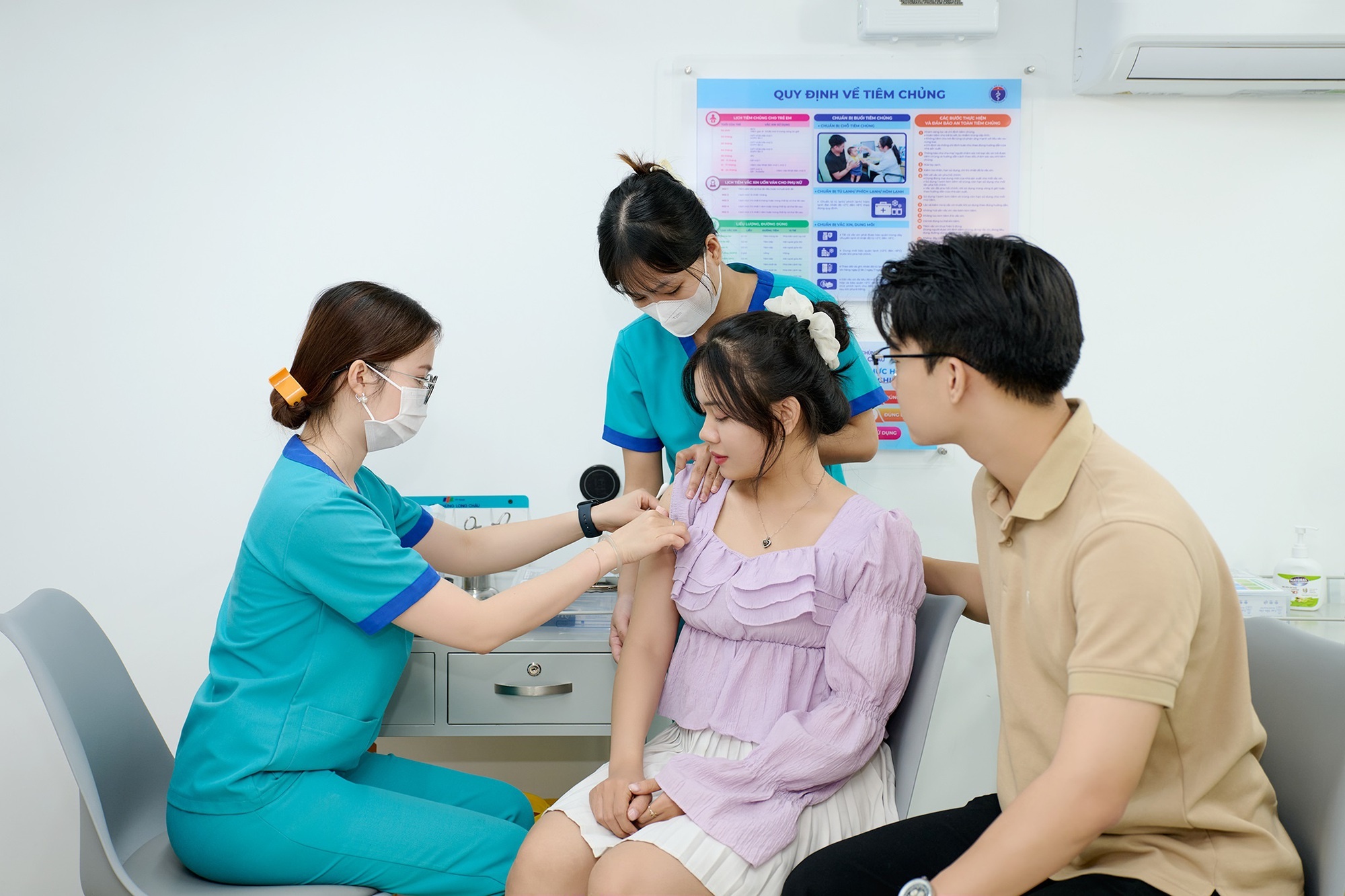
According to a circular from the Ministry of Health, the HPV vaccine will officially be included in the Expanded Immunization Program starting July 1, 2026. Regulations stipulate that girls aged 9 to under 15 will receive the HPV vaccine free of charge. This age group is considered by experts to offer the most effective protection because most children have not yet been exposed to the HPV virus.
Initially, the vaccine being used is Gardasil 4, which protects against four HPV strains: 6, 11, 16, and 18. The program prioritizes girls in disadvantaged, remote, and rural areas, with approximately 18,900 12-year-old girls receiving the vaccine annually in the initial phase.
The inclusion of the HPV vaccine in the national immunization program for the first time is considered a significant milestone in Vietnam's preventive healthcare. This policy not only increases access to vaccines for children, especially in disadvantaged areas, but also opens up the prospect of significantly reducing the burden of cervical cancer in the future.
According to the World Health Organization (WHO), HPV is a sexually transmitted virus with over 100 different types. It is the cause of almost all cases of cervical cancer and is also associated with many other dangerous diseases such as vulvar, vaginal, anal, penile, and oropharyngeal cancers, as well as genital warts.
Experts believe that the HPV vaccine is most effective in preventing the disease in children aged 9 to 14. Dr. Le Thi Giao Thi, from the Long Chau Pharmacy and Vaccination Center system, stated that this is the period when children have not yet been exposed to the virus through sexual contact, so their immune system produces the strongest antibodies.
For children aged 9 to 14, only two doses administered six months apart are needed for optimal protection. In contrast, those who begin vaccinations after age 14 typically require three doses within six months to achieve the same level of protection.
"The earlier vaccines are administered, especially between the ages of 9 and 14, the more effective they are in preventing disease, protecting the body from an early age, and simultaneously saving costs by eliminating one injection," said Dr. Le Thi Giao Thi.
According to experts, the inclusion of Gardasil 4 in the Expanded Immunization Program is a crucial first step towards expanding vaccine coverage in the community. However, with the advancement of science, people now have the additional option of Gardasil 9, a vaccine capable of preventing up to nine strains of HPV.
While Gardasil 4 protects against four common HPV strains (6, 11, 16, and 18), Gardasil 9 expands its protection to five additional high-risk HPV strains: 31, 33, 45, 52, and 58. These strains are all associated with an increased risk of cervical cancer and other malignancies.



According to experts, Gardasil 9 is currently the broadest-spectrum HPV vaccine, with over 90% effectiveness in both men and women. Notably, the vaccine is indicated for individuals aged 9 to 45, expanding protection opportunities for a wider range of people.
Not only women, but men can also be infected with HPV and develop related diseases such as genital warts, anal cancer, or oropharyngeal cancer. Therefore, many countries around the world have now implemented HPV vaccination for boys to reduce the risk of virus transmission in the community and increase herd immunity.
According to Dr. Le Thi Giao Thi, in addition to providing a full range of popular HPV vaccines such as Gardasil 4 and Gardasil 9, the Long Chau Vaccination System also offers personalized counseling for each customer group, from adolescents and young women to men who need prevention related to HPV.
People undergo thorough screening before vaccination and are monitored during and after vaccination according to strict safety procedures to ensure effectiveness and minimize adverse reactions.
Experts emphasize that the free rollout of the HPV vaccine is a huge opportunity to increase vaccination coverage and reduce the burden of cervical cancer in the future.
Source: https://baodautu.vn/hieu-dung-ve-hpv-de-phong-benh-hieu-qua-d612703.html



![[Image] National conference summarizing one year of operation of the overall organizational model of the political system, the three-tiered government model.](https://vphoto.vietnam.vn/thumb/1200x675/vietnam/resource/IMAGE/2026/07/01/1782882811691_ndo_br_1-jpg.webp)




































































![[INFOGRAPHICS] Policies to support vocational retraining and decommissioning of fishing vessels no longer needed for fishing operations.](https://vphoto.vietnam.vn/thumb/402x226/vietnam/resource/IMAGE/2026/07/01/1782905930516_1782905712.webp)