

The obvious and logical question many people have is why the second day of Tet, one of the three days of the Lunar New Year, is left blank? What do people do when they visit relatives or exchange New Year greetings? And the complete, rhyming saying that has recently emerged is, "The first day of Tet is for the father, the second for the mother, and the third for the teacher." This is an idiom found in the treasury of Vietnamese folklore, pointing to a very traditional and unique custom that creates the magic of the Vietnamese Tet.
It can be said that celebrating Tet, the Spring Festival, and the rituals during the three days of Tet are important community events, a warm and unique reunion of family and ancestors for the Vietnamese people, and are solemnly celebrated annually. It can also be understood as a moral lesson demonstrating filial piety, remembering one's roots, and reminding everyone of the schedule they must follow during the three days of the Lunar New Year. Many scholars studying folklore have offered different interpretations, which have been accepted by society:
Saying "The first day of Tet is for the father, the second day is for the mother" is redundant and illogical. Mentioning the father's Tet naturally implies mentioning the mother's Tet, as both parents are the two creators of our lives. The father is always considered to hold the highest position in the family, as the proverbs "A child without a father is like a house without a roof" and "A father's love is as vast as Mount Tai" suggest, so remembering to wish your father a Happy New Year is an indispensable tradition. The mother plays a crucial role in managing the household with her loving heart, maintaining peace and happiness in the family, as the proverb says, "A mother's love is like water flowing from a spring," so we must remember to wish her a Happy New Year. Furthermore, visiting the father's side of the family during Tet implies that children and grandchildren visit the paternal side, while visiting the mother's side is for the maternal side.
Visiting and honoring teachers while they are alive, and paying respects to them after their passing, is a moral tradition of the Vietnamese people. The elders often advise their descendants, "The king, the teacher, and the father are three figures. Respect them as one; young people, remember this."
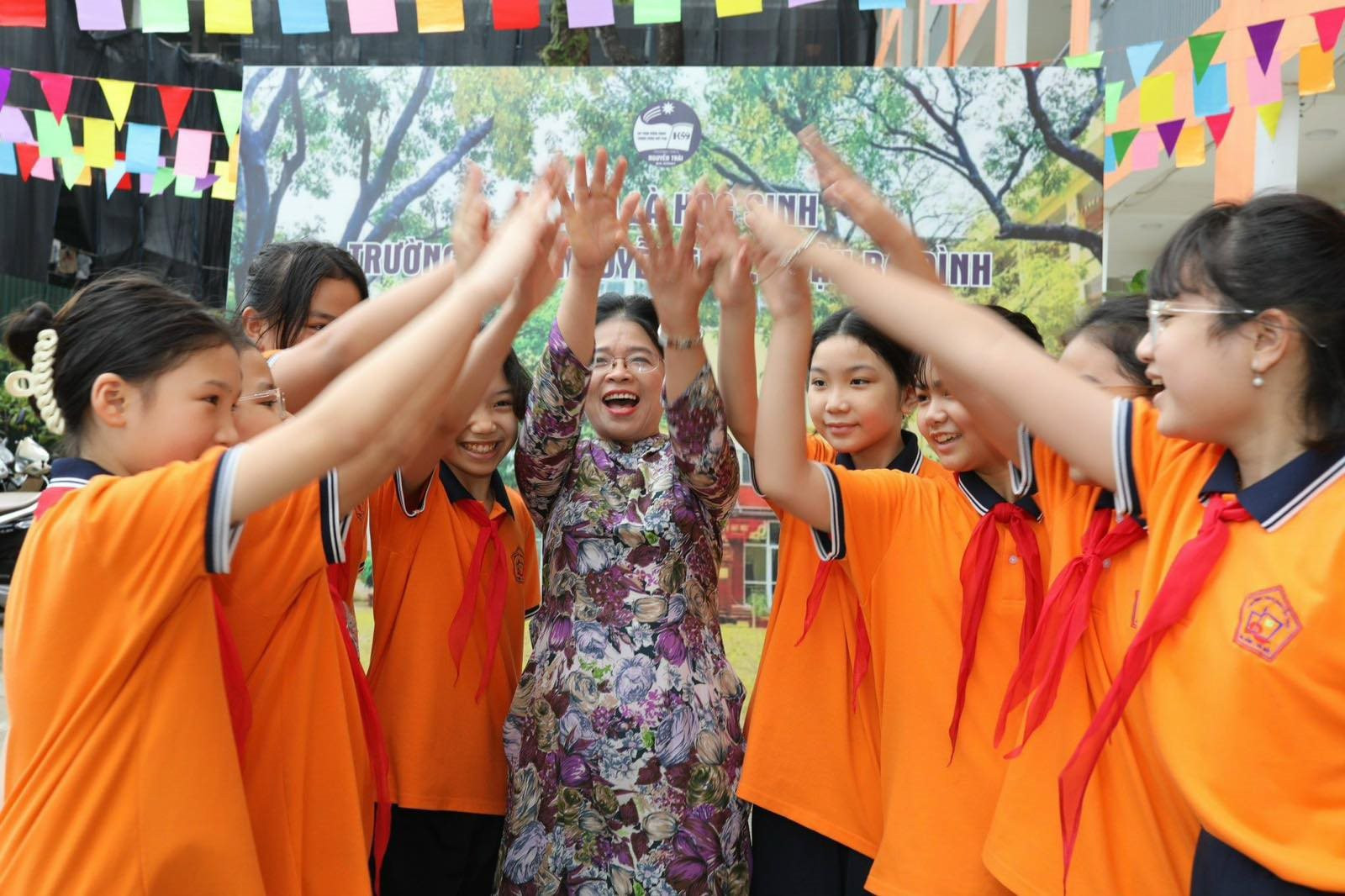
In the past, most families couldn't afford to send their children to school, and there weren't schools readily available like today. Therefore, wealthy families often hired tutors to teach their children, helping them learn to read and write. They diligently studied the classics, hoping to pass exams and become officials to serve society. For generations, our people have passed down the saying: "If you want to prosper, build a bridge. If you want your children to be well-educated, cherish your teacher ." "Cherishing the teacher" here means respecting the teacher and valuing learning, not offering them wealth or material possessions. Therefore, our people's respect for teachers is also respect for the teaching profession.
In ancient society, teachers were considered sacred idols of learning, the "golden standard" of morality and character, a shining example for students to learn from and emulate, aspiring to become virtuous, moral, and talented individuals who could serve the people and the nation. They were expected to act, speak, and behave in a way that was exemplary, so that students would see them as role models. While the "King - Teacher - Father" held three particularly important positions, the teacher ranked second only to the King, a figure especially respected and honored by society and the people, entrusted with the responsibility of helping children become successful and bringing prosperity to the country. Many ancient proverbs and folk songs convey the meaning of teaching people about the noble and indispensable position of teachers and the profession of "educating children": "Without a teacher, you can't achieve anything," "Father's food, mother's clothes, teacher's knowledge." Our ancestors' traditions, dating back to ancient times, have always emphasized the role of the teacher, the noblest profession among all. Although they lived modestly, the teachers of the past possessed pure hearts, untainted by the vices and bad habits of life.
All the things we mention here stem from the admiration and respect of everyone, from parents whose children were taught by the teacher as well as those who were never taught by him. The tradition of offering prayers and sacrifices to the teacher upon his death and helping him in his daily life is one of the beautiful cultural values of our nation, cherished by many generations of Vietnamese people. Every Lunar New Year, it has become a custom that on the third day of the New Year, students and their families, dressed in their finest clothes, respectfully visit their teacher to express their boundless gratitude. Society and people have bestowed upon the teaching profession, upon generations of talented and virtuous teachers, a special privilege and a well-deserved "prestige," giving teachers the motivation to work tirelessly to enlighten and educate the young people of their homeland. Thus, from ancient times to the present, "prestige" or "authority" is a term signifying respect, trust, and a positive value that society bestows upon the teaching profession and upon each teacher.
Today, the concept of a teacher has changed in line with social development. Teachers today are compensated by state salaries or parental contributions, unlike the teachers of the past who were only paid during the Teacher's Day festival. Teachers are not the sole source of knowledge. Learners can find an endless supply of knowledge in libraries and online. Therefore, the "Teacher's Day on the 3rd" has expanded to become a "Festival of Gratitude" for everyone's benefactors. It is an extension of ancient traditions and a valuable life lesson for all those who share the same heritage.
The Teacher's Day celebration on the 3rd day of the Lunar New Year is a typical cultural practice of the Lunar New Year, a communal way of life for the entire nation, and therefore it cannot disappear, just as Vietnamese culture cannot be lost.
I believe that education must develop according to the laws of evolution, meaning it must inherit and not completely discard the past, like a revolution. Education must find the best way of thinking to bridge the gap between tradition and modernity, between a purely agricultural Vietnamese society and age-old customs, and between national development and industrialization and modernization. Adding to, discarding, or maintaining aspects of the past is normal in education and in Vietnamese society during the era of Industry 4.0 or 5.0.
The tradition of valuing education and respecting teachers, living with love, generosity, and compassion as taught by teachers – these are profound humanistic values nurtured through generations, the fundamental strength that helps the country develop. Understanding the saying "The third day of Tet is for teachers" is about gratitude and repaying teachers, strengthening the roots of our national traditions. It is truly touching that an association of former students, now accomplished doctors, have come together to perform this noble act of visiting and treating their teachers. A simple statement, yet it moved the elderly teachers to tears: "We repay our teachers' kindness by taking care of their health, especially in their old age when they may fall ill." This is truly a meaningful example of the humanistic values of "the third day of Tet is for teachers" in the present day.
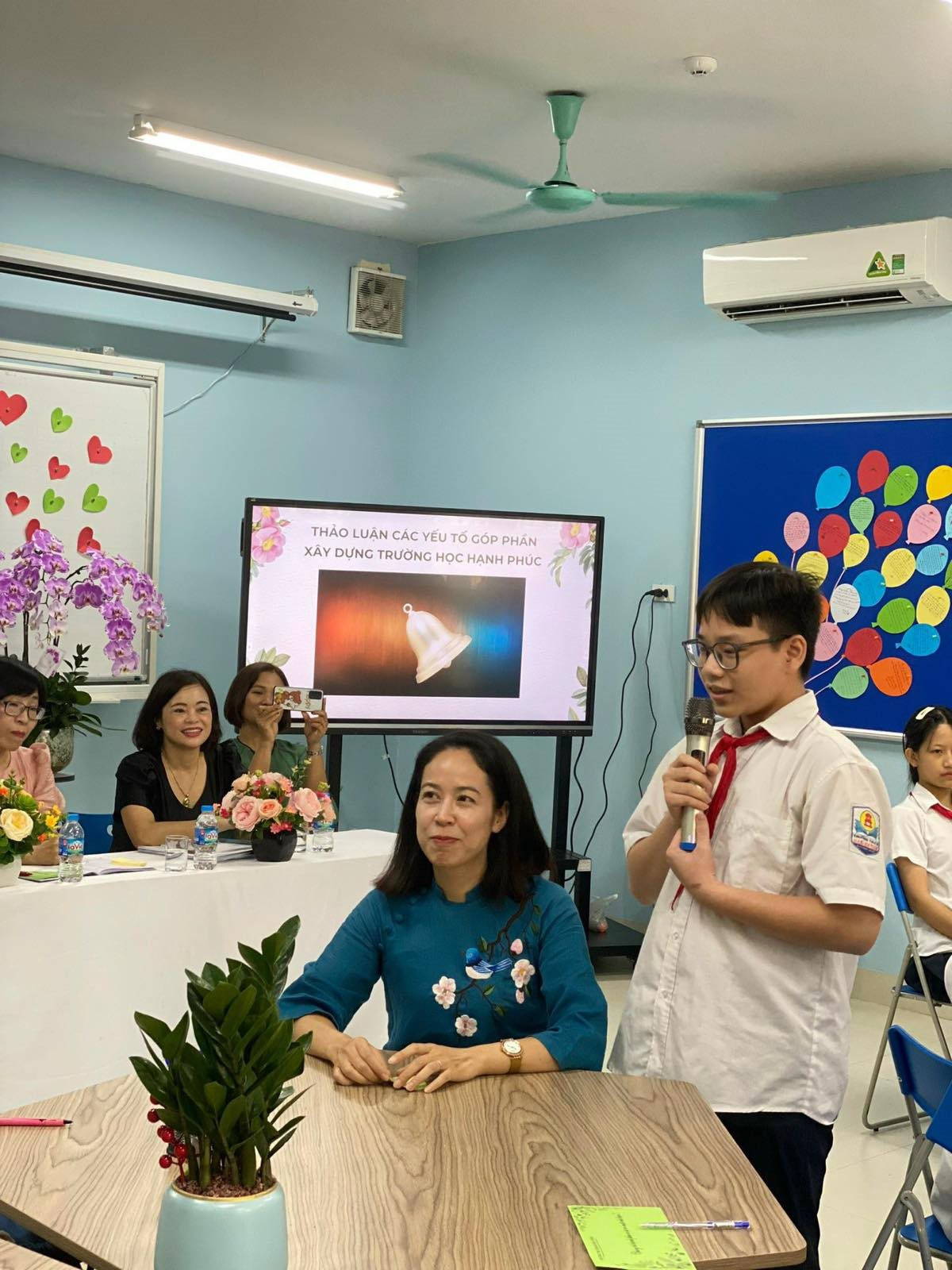
"The third day of Tet is for visiting teachers" is a beautiful traditional cultural custom of the Vietnamese people. Another euphemism for this idiom is "The third day is Tet of Gratitude." Understanding this allows us to guide and extend the value of this ancient tradition into today's society. Let's teach the younger generation to remember the "four great debts of gratitude" in their life's journey: gratitude to parents for their upbringing; gratitude to teachers for their guidance and knowledge; gratitude to those who helped us when we were lost; and gratitude to those who assisted us in times of difficulty and hardship. Gratitude is one of the best qualities a person can possess. It helps us appreciate what we have and cherish the efforts and successes of others. Having gratitude also helps us behave appropriately and brings happiness to ourselves. Let gratitude lead us to appreciate what we have today. "Parents are the ones who brought us into this world, nurtured us as we grew up, and taught us precious life values. We will be grateful to them for life." "Be grateful to those who helped you when you needed them most."
Teaching gratitude to students is a fundamental aspect of building the "Happy School" model initiated by UNESCO. Each person's happiness lies in letting go of the past and living with gratitude. "Gratitude is the key to happiness" and "The happiness of life is not in what you have, but in what you are grateful for."
Life, with its emphasis on gratitude and respect for teachers on the third day of Tet, will not fade away or disappear, but will become even brighter for all those who live with gratitude and aspire to abundant happiness.
Source


![[Photo] A vibrant celebration of generations of Nhan Dan Newspaper staff](https://vphoto.vietnam.vn/thumb/1200x675/vietnam/resource/IMAGE/2026/03/11/1773228432744_cb-75-nam-7-7034-jpg.webp)





























































Comment (0)