

 |
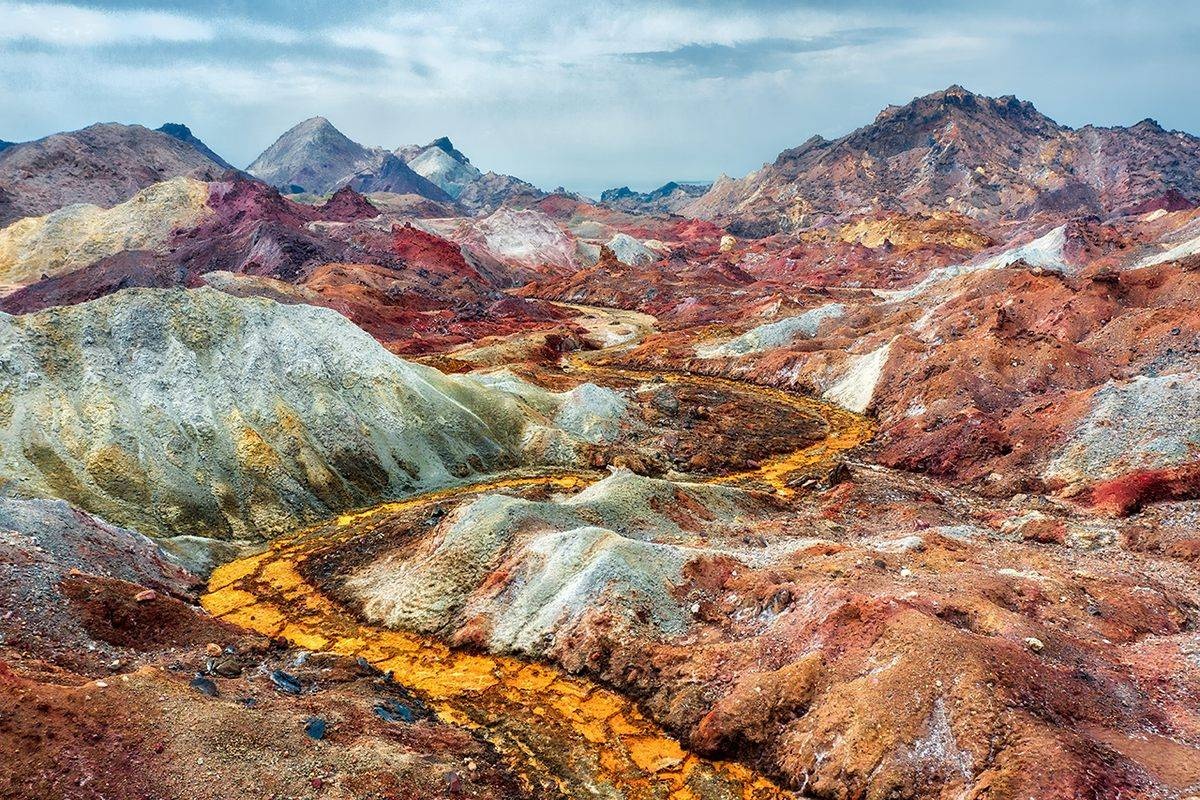
Hormuz Island is located in southern Iran, at the mouth of the Strait of the same name, connecting the Persian Gulf with the Sea of Oman. The island covers an area of approximately 41 km² and is about 8 km from the mainland. This location gives Hormuz both strategic significance and creates a contrast: on one side, a bustling shipping lane, and on the other, a space almost completely isolated from urbanization. Photo: Lukas Bischoff/Alamy . |
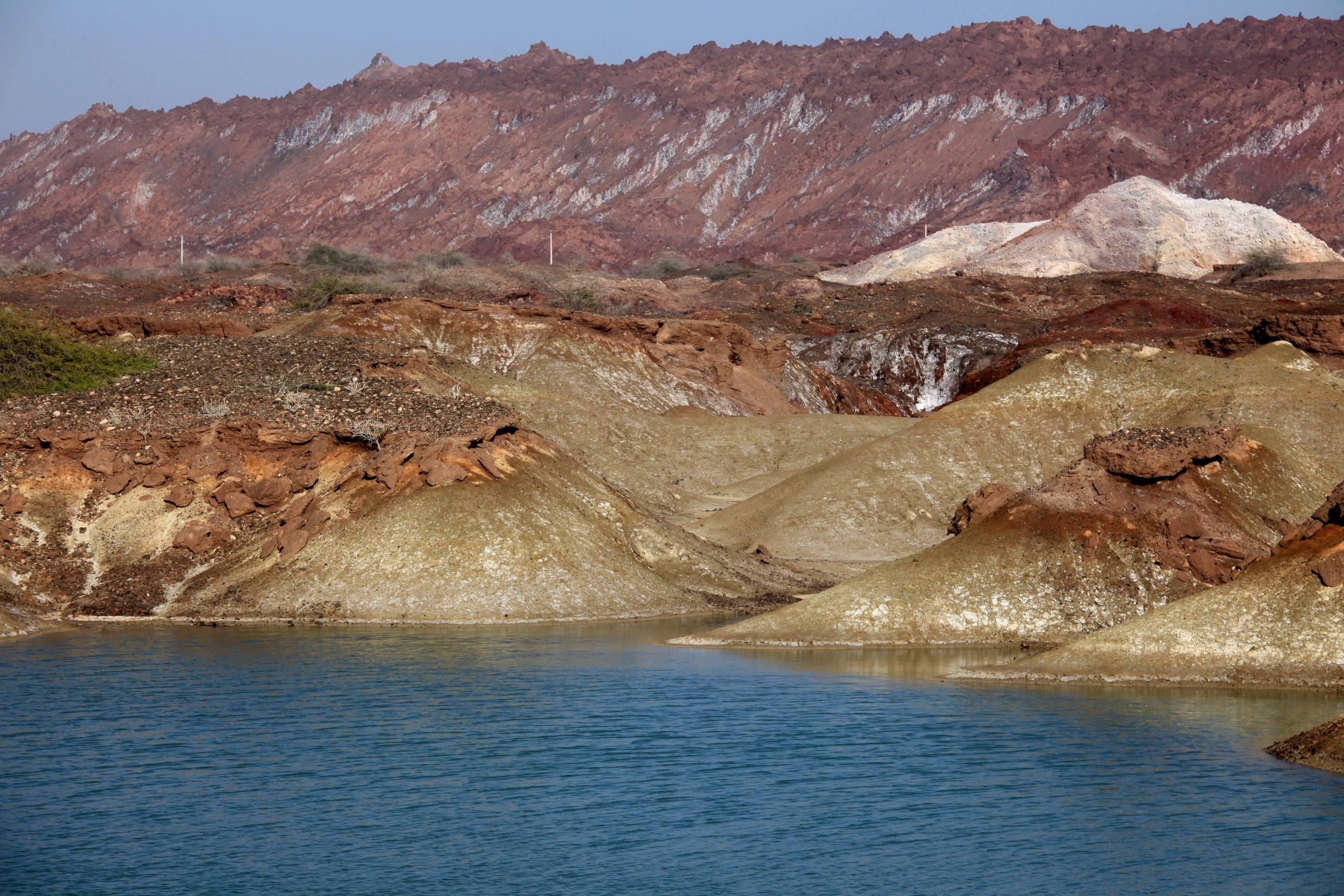 |
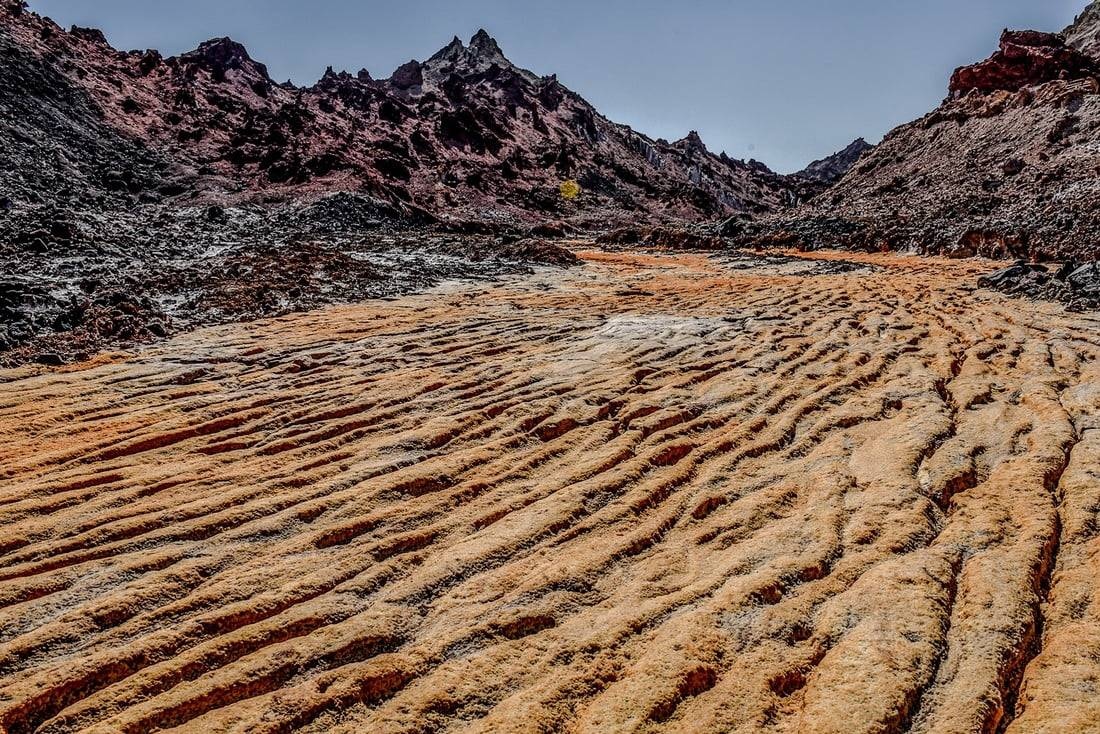
Hormuz was formed from a "salt dome," a geological structure created when layers of salt and rock are pushed from deep underground to the surface. During this process, various minerals are brought up, creating layers of material with distinct colors. According to NASA Earth Observatory , this structure is what gives the island's surface its distinct color stratification. Photo: Ninara . |
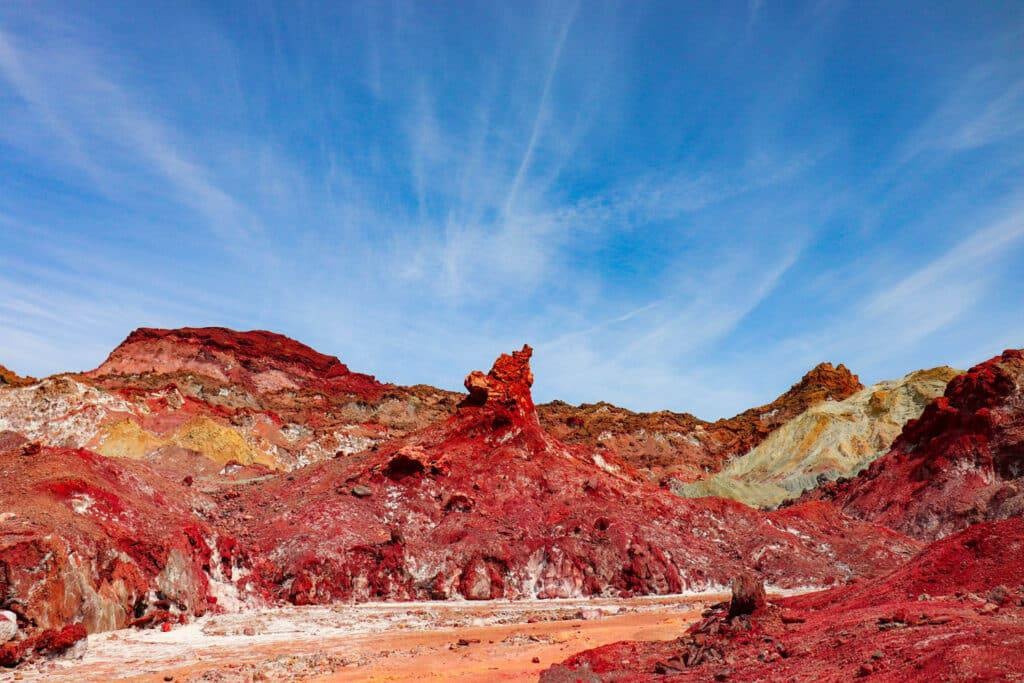 |
This place is nicknamed the "rainbow island" because of its more than 70 interwoven color bands, ranging from crimson, orange, and yellow to green and purple. The island's colors mainly come from minerals accumulated over millions of years. The red soil is due to its high iron oxide content, while the yellow, orange, and brown tones come from other compounds. When exposed to water and air, the soil layers continue to subtly transform, causing the landscape to change with the weather and light, creating variations between different times of day. Photo: Katayon Saeb/Surfiran . |
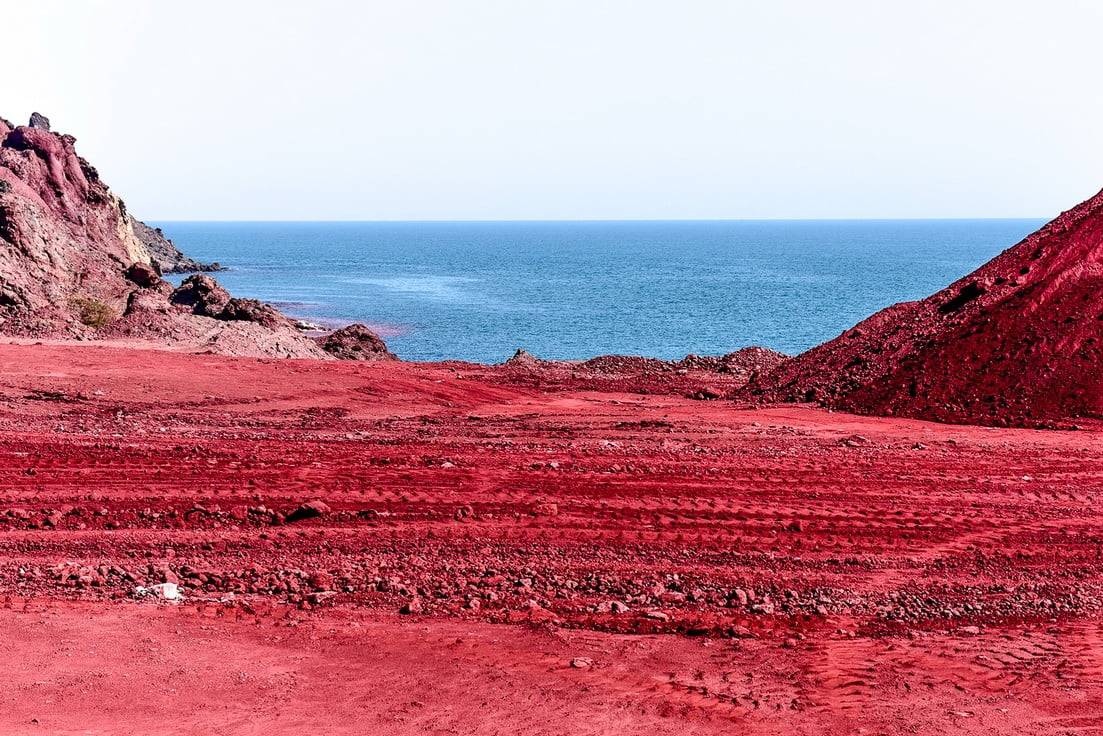 |
In these color gradients, red predominates. The red soil is not only a landscape feature but is also used by locals in traditional cuisine , often called "soorakh" or "gelack." This soil is used as a spice, mixed into various local dishes or pastries, giving them a distinctive color and flavor. Photo: Marziyeh Safarzadeh/ Surfiran . |
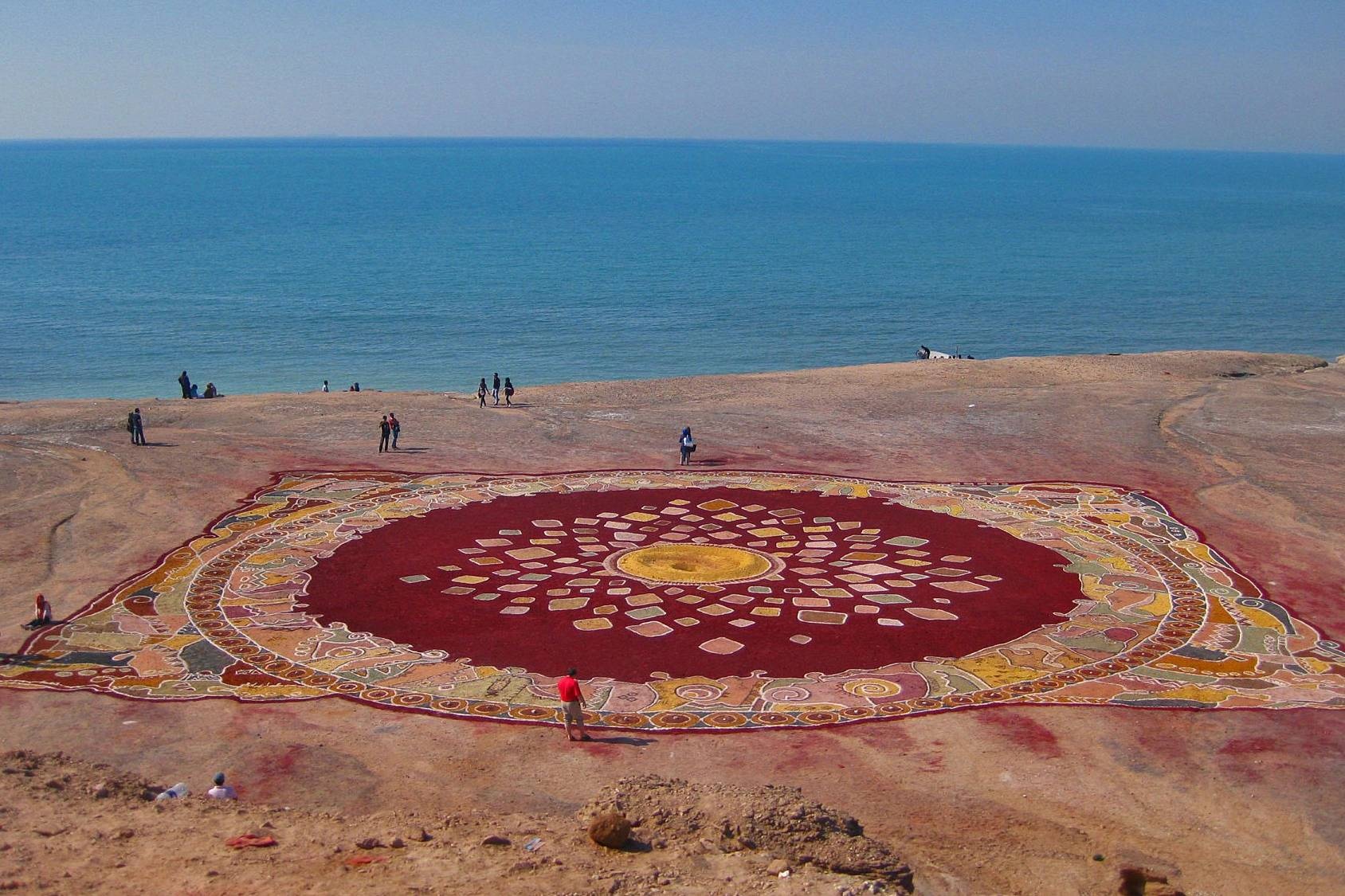 |
According to Atlas Obscura , these multicolored soils not only appear naturally but also serve as a medium for local artists. Red, yellow, and orange soils are used in painting, crafts, and community art projects, transforming the landscape itself into an integral part of the island's cultural life. Each year, artists collaborate to create giant "sand carpets" spanning thousands of square meters, depicting Persian mythology or cultural symbols. Photo: Sm Mirhosseini . |
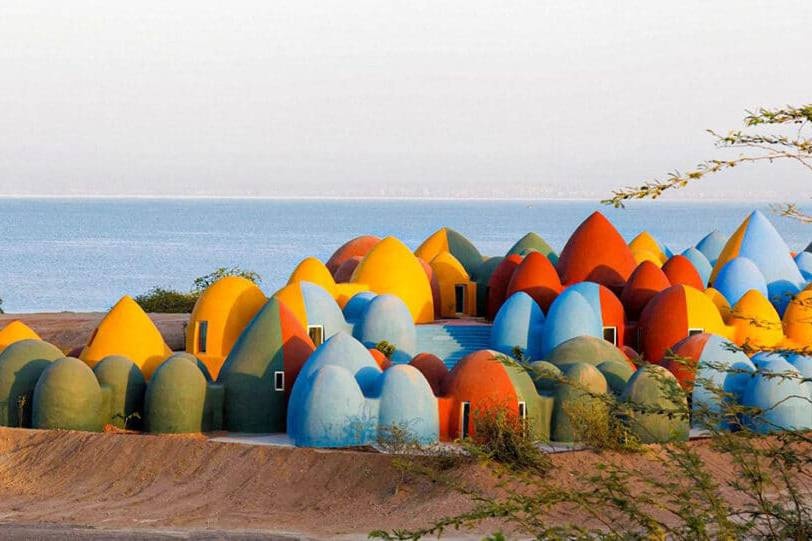 |
One of the notable structures in Hormuz is the Majara Residence complex, part of the "Presence in Hormuz" project. Designed by the local architectural studio Zav Architects, the complex comprises 200 domes of varying sizes, using bright colors inspired by the surrounding landscape. The project aims for a sustainable tourism model, utilizing the existing landscape rather than drastically altering the natural environment. Photo: Katayon Saeb/Surfiran . |
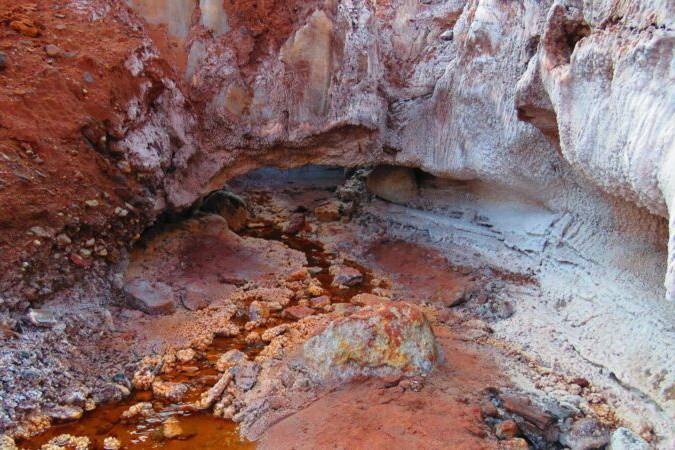 |
To the west, visitors can find the "Salt Goddess," a natural salt mountain with large, stacked crystal layers. According to tourism and geological documents, this area was formed from salt layers pushed to the surface during geological activity, then eroded by wind and water, creating a uniquely shaped structure. The white salt crystals stand out against the multicolored soil, creating a striking contrast in the landscape. Photo: Walkinginiran . |
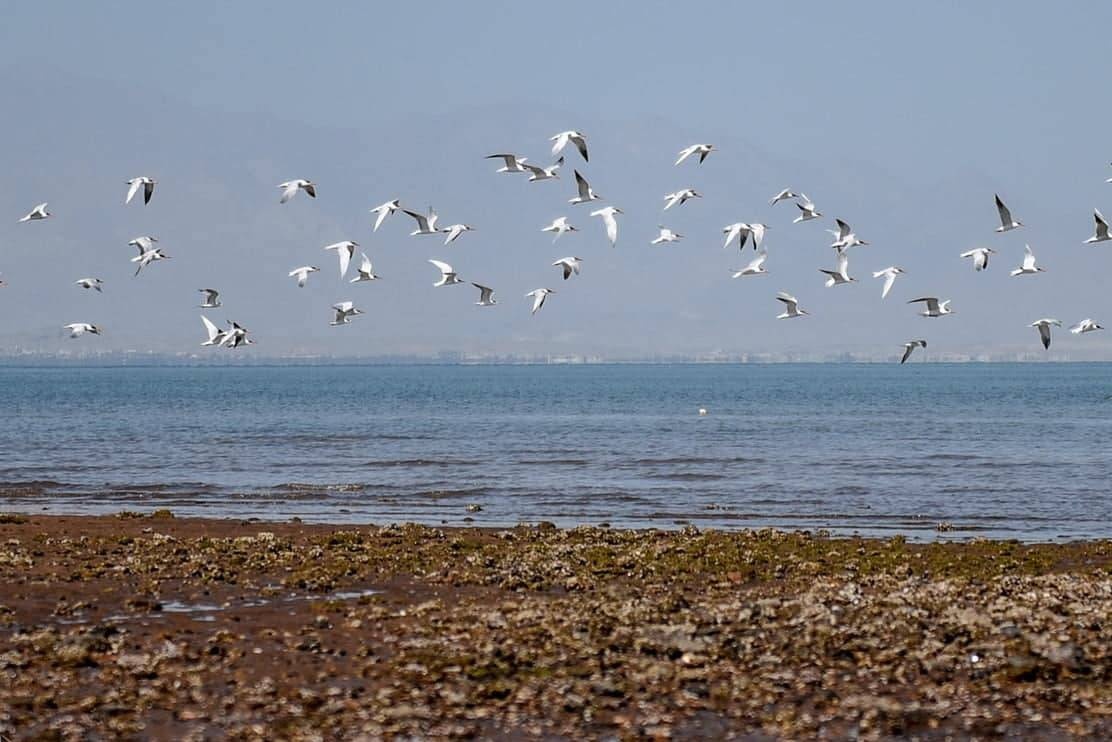 |
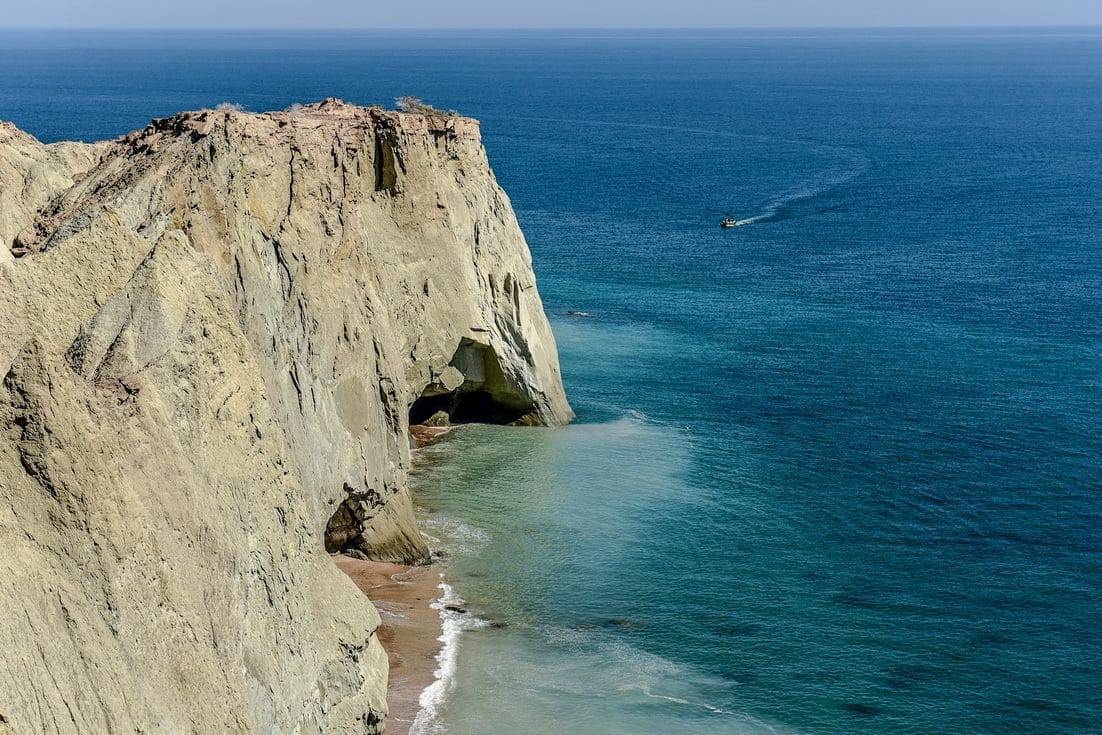
In addition to its geological features, the island also has its own ecosystem, including mangrove forests in the north and less disturbed coastal areas. It is home to many species of birds and marine life, creating biodiversity alongside its unique geological characteristics. Photo: Marziyeh Safarzadeh/Surfiran . |
 |
To protect the landscape and ecosystem, local authorities have implemented restrictions on transportation. Tourists are prohibited from using personal motorized vehicles in many areas, instead being encouraged to travel by bicycle, electric vehicle, or on foot to minimize the impact on the soil and mineral layers prone to erosion. Photo: Marziyeh Safarzadeh/Surfiran . |
 |
Despite its location amidst busy shipping lanes, Hormuz remains relatively isolated from mass tourism. There are few large-scale constructions, and much of the area remains natural. Many articles describe it as an "off-map tourist destination," where the landscape is shaped more by geology than by infrastructure. Photo: Marziyeh Safarzadeh/Surfiran . |
Source: https://znews.vn/hon-dao-du-lich-giua-eo-bien-hormuz-post1643710.html
![[Photo] General Secretary and President To Lam visits and delivers a policy speech at Tsinghua University.](https://vphoto.vietnam.vn/thumb/1200x675/vietnam/resource/IMAGE/2026/04/14/1776164592318_vna-potal-tong-bi-thu-chu-tich-nuoc-tham-va-phat-bieu-chinh-sach-tai-dai-hoc-thanh-hoa-trung-quoc-8700658-5437-jpg.webp)






































































Comment (0)