

A series of peace treaties and agreements
Thanks to the efforts of the international community and the active participation of US President Donald Trump, many peace negotiations were successfully concluded in 2025. Notably, efforts to end the Russia-Ukraine conflict found a "light at the end of the tunnel" when the US administration presented a 28-point peace plan. Although the details of the plan, particularly the provisions related to territorial issues, remain a sensitive topic, both Russia and Ukraine are moving closer to a diplomatic solution.

Mr. Trump at the signing ceremony of the Cambodia-Thailand peace agreement between Thai Prime Minister Anutin Charnvirakul and Cambodian Prime Minister Hun Manet in Kuala Lumpur, Malaysia, October 2025. Photo: Andrew Harnik
Beyond Ukraine, U.S. diplomatic efforts extended to Southeast Asia, where President Trump witnessed the completion of a draft agreement to resolve the border dispute between Cambodia and Thailand. Simultaneously, the world witnessed one of the most anticipated humanitarian pieces of news: a ceasefire in the Gaza Strip. After more than two years of intense conflict, with casualties exceeding 70,000, a ceasefire agreement was finally established and will remain in effect from October 2025.
Renewable energy is booming, and there are breakthroughs in fusion.
2025 marks an unprecedented turning point in energy history, with a surge in renewable energy sources and fusion research closer than ever to providing the world with clean, inexhaustible electricity. Global solar and wind power production is expected to grow dramatically, with solar power increasing by nearly 31% year-on-year, making renewable energy one of the world's primary power sources. This progress will not only reduce reliance on coal but also lay the groundwork for a stronger fight against climate change than ever before.
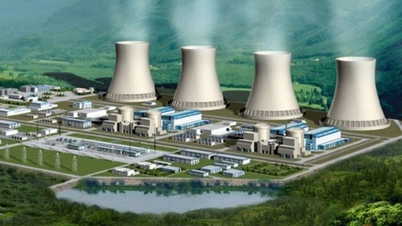
Meanwhile, the field of fusion – considered the "holy grail" of future energy – has also seen breakthroughs. China's EAST device, also known as the "artificial sun," set a record for maintaining a stable superheated plasma for 1,066 seconds, demonstrating that the technical capabilities of nuclear fusion reactions are getting closer to generating real electricity.

Experimental Advanced Superconducting Tokamak Reactor (EAST). Photo: China Daily
The combination of a renewable energy boom and advances in fusion makes 2025 a year of great hope for the future of global energy. Humanity is gradually demonstrating its ability to create a clean, sustainable, and virtually inexhaustible energy ecosystem, opening up great expectations for 2026 and beyond.
Malaria vaccines are being widely rolled out in Africa.
2025 marks a rare milestone in the fight against malaria in Africa: malaria vaccines have been rolled out more widely than ever before. First, in April 2025, Uganda officially became the 19th country in Africa to include malaria vaccines in its routine immunization program, with the largest campaign to date aimed at protecting over 1.1 million children under two years old in more than 100 high-risk districts.

African children receive malaria vaccinations. Photo: WHO
The widespread availability of malaria vaccines in Africa by 2025 shows that the global community is no longer ignoring one of humanity's oldest epidemics. This is a clear sign: 2025 will not only be a year of significant political upheaval but could also mark the beginning of a medical revolution on the continent, paving the way for a generation less affected by malaria.
AI serves humanity in healthcare and humanitarian fields.
By 2025, artificial intelligence will no longer be a technological toy but will begin to be used as a "tool for humanity." At the "AI for Good 2025" summit in Geneva, the World Health Organization (WHO) and a host of other global organizations sat down to discuss how AI can support healthcare, ensuring better access to health care for everyone, regardless of wealth or national borders.

AI has begun to infiltrate hospitals, clinics, and healthcare systems. Photo: GI
In many countries, AI has begun to infiltrate hospitals, clinics, and healthcare systems, not to replace doctors, but to support them in working more efficiently, making faster diagnoses, monitoring patients more closely, and managing health data with fewer errors. In Vietnam, the "AI Opportunities for Healthcare Workers" project , launched in 2025, has officially integrated AI into healthcare training, management, and treatment, marking the initial step in "digitalization and modernization" of healthcare in line with global trends.
The synergy between technology, healthcare, and policy has created a real opportunity to reduce inequalities in healthcare, especially in disadvantaged, impoverished areas or those with weak healthcare infrastructure.
Nature is reborn, livelihoods are sustainable.
This year, GGW – the massive “green belt” project across the Sahel desert in Africa – is recognized internationally as a model for nature restoration and livelihoods worth emulating. On October 15, 2025, GGW was honored by the United Nations Food and Agriculture Organization (FAO) as one of the global “best practices” in sustainable forestry.

FMNR is a method of land/forest restoration using natural regeneration management, utilizing existing roots and seedlings instead of mass planting. Photo: AmSci
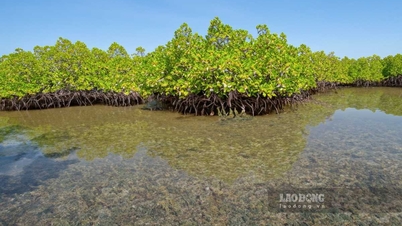
Not only in Africa, but also in many countries and coastal regions, the model of nature restoration – replanting coastal forests and mangrove forests – is attracting attention. In 2025, in many coastal provinces of Vietnam, the program for restoring mangrove forests and coastal protection forests – part of the Forestry Modernization and Coastal Resilience Enhancement Project Phase 2 (FMCR) funded by the World Bank – will continue to be implemented.
Immunology & Medical Advancements 2025
The year 2025 will see significant advances in the field of medicine, where immunology research is no longer confined to the laboratory but is beginning to directly impact patients. The 2025 Nobel Prize in Medicine was awarded to Mary E. Brunkow, Fred Ramsdell, and Shimon Sakaguchi for their groundbreaking discoveries about regulatory T cells (Treg), opening up the possibility of controlling excessive immune responses and treating autoimmune diseases.

T cells are considered the "vehicles" that attack and destroy cancer cells. (Image: NCI)
Furthermore, advances in immunotherapy-based cancer treatments in 2025 have yielded impressive results. Therapies based on Treg and other immune cells are being refined to reduce side effects while increasing their ability to kill cancer cells.
Beyond the treatment of cancer or autoimmune diseases, knowledge of Treg is also being applied in organ transplantation trials, reducing the risk of rejection, as well as in research on chronic inflammation and immune-related cardiovascular diseases. These advances mark a 2025 where immunology is no longer a distant concept, but is entering real life, saving thousands of patients and paving the way for next-generation therapies.
Source: https://congluan.vn/hy-vong-tu-nhung-diem-sang-10324983.html































































Comment (0)