

Apple is expected to discontinue the "Plus" version of the iPhone 17 series to make way for the iPhone 17 Air – a name that alludes to the ultra-thin design of this iPhone model.

Regarding the name iPhone 17 Air
There has been some speculation about Apple's strategy for a thinner iPhone model and its position within the company's product line.
YouTuber Jon Prosser was the first to suggest that the device might be positioned as the "iPhone Air". Later, Bloomberg 's Mark Gurman also agreed with this idea, suggesting Apple could use it to boost sales.
The discontinuation of the "Plus" iPhone – similar to previous "mini" versions – due to poor sales, will open a new direction for the iPhone product line. The iPhone 17 Air will have a significantly thinner design, positioned between the iPhone 17 and iPhone 17 Pro.
According to Gurman, the iPhone 17 Air's design is just the beginning of something better, as Apple will eventually "squeeze the power of the Pro model into this compact design." However, he doesn't expect that to happen before 2027.
Regarding the thickness of the iPhone 17 Air
According to The Information , Apple's all-new iPhone 17 will have a "significantly thinner" design with an aluminum frame, instead of the titanium casing found on Apple's Pro models.
Rumors about the iPhone 17 Air's thickness have been circulating around 6mm. However, according to analyst Ming-Chi Kuo, the iPhone 17 Air may be only 5.5mm thick at its thinnest point. If true, this would make it the thinnest iPhone ever, thinner than the iPhone 6 (6.9mm) from 2014.
At 5.5mm thick, the iPhone 17 Air will be about 30% thinner than the iPhone 16 (7.8mm) and 33% thinner than the iPhone 16 Pro models (8.25mm).
This device is said to have only a single speaker, as there doesn't seem to be enough space for a second speaker on the bottom edge. Leaked information also suggests the device will have a narrower Dynamic Island. The redesigned device, internally codenamed D23, is described as a large design comparable to the iPhone X.
Screen size
According to analyst Jeff Pu of Haitong International Securities, the iPhone 17 Air will have a 6.6-inch screen. This is also confirmed by Ming-Chi Kuo.
However, according to analyst Ross Young of Display Supply Chain Consultants (DSCC), the iPhone 17 Air will have a 6.55-inch screen. For comparison, the current iPhone 16 Plus has a 6.7-inch screen.
Apple is still reportedly experimenting with different designs for the thinner phone, so the screen size could change between now and when the device launches.
The screen is always on.
Apple plans to expand ProMotion technology to its entire product line by 2025, including the iPhone 17 Air, allowing all iPhone 17 models to increase their refresh rate to 120Hz for smoother scrolling.
Previously, only the "Pro" models in Apple's iPhone lineup supported ProMotion. Notably, ProMotion will also allow the display on the iPhone 17 Air to reduce to a more power-efficient refresh rate of just 1Hz, enabling the clock, widgets, notifications, and lock screen wallpaper to be displayed even when the device is locked.
Redesign the camera.
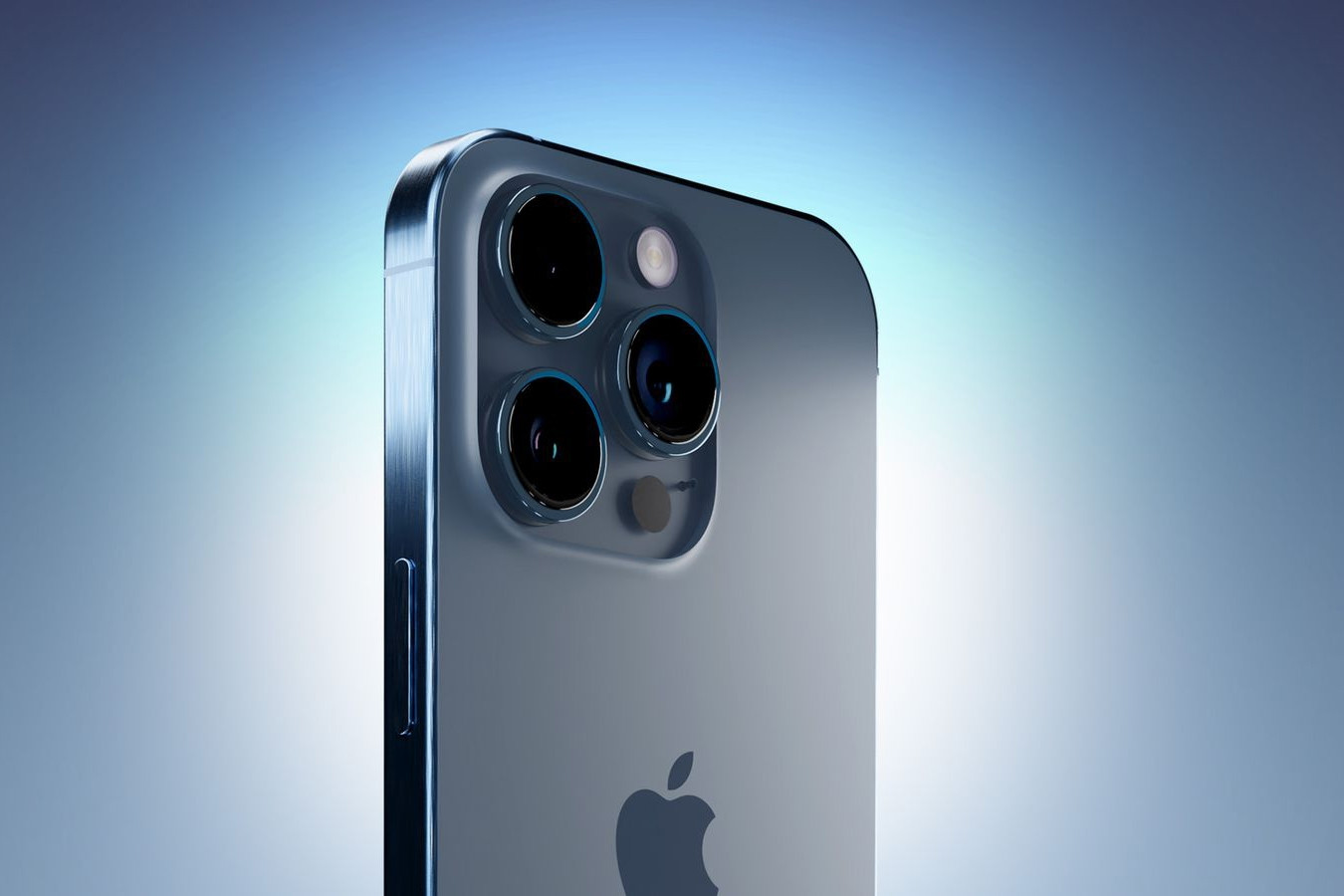
The Information claims that the iPhone 17 Air will have a camera placement never before seen on an iPhone. According to a May report, the rear camera cluster may be moved to the "top center" of the device.
Some Android phones, like the Google Pixel 9 Pro, have the rear camera centrally located at the top or in a horizontal "runway"-like bar, but the iPhone's camera system has always been in the upper left corner since the first model launched in 2007.
Analyst Ming-Chi Kuo suggests that the device will only have one camera instead of two or three cameras like previous models.
The screen is more durable with an anti-reflective coating. mat
According to Instant Digital , based on leaked information from China's Weibo, all iPhone 17 models will feature an anti-glare display with better scratch resistance than the Ceramic Shield on the iPhone 15.
The outer glass of the iPhone 17 series is said to have a "super-hard anti-glare coating" to enhance scratch resistance.
It remains unclear whether Apple intends to use the Gorilla Glass Armor technology that Samsung is using on the Galaxy S24 Ultra, but Corning's description of the latest technology closely matches these rumors.
The front camera has been improved.
According to analyst Ming-Chi Kuo, the entire iPhone 17 lineup will feature a 24MP front camera with a 6-element lens. In contrast, the iPhone 14 and 15 only have a 12MP front camera with a 5-element lens, and the iPhone 16 lineup will continue to use similar hardware.
The upgraded resolution on the iPhone 17 will help maintain better image quality even when cropped or zoomed in, while the larger pixel count will help capture more detail. The upgrade to a six-element lens will also slightly improve image quality.
More powerful RAM
Analyst Jeff Pu says the iPhone 17 Air will have 8GB of RAM, compared to 6GB on the iPhone 15 Plus. It's worth noting that all iPhone 16 models came with 8GB of RAM – a hardware requirement according to Apple Intelligence – so it's almost certain that this slim device will follow that trend.
A19 chip
According to analyst Jeff Pu, the iPhone 17 Air will be equipped with Apple's A19 chip, likely based on an optimized 3nm process version from TSMC, possibly the N3P or N3X.
Conversely, the iPhone 17 Pro and iPhone 17 Pro Max are expected to use the A19 Pro chip. Compared to previous 3nm chip versions, the N3P chip offers more efficient performance and increased transistor density.
5G modem and custom Wi-Fi chip
The iPhone 17 Air could be one of the first iPhone models to use a 5G modem developed in-house by Apple, second only to the upcoming iPhone SE 4.
Apple's new modem could offer improvements such as faster speeds and better energy efficiency.
According to analyst Ming-Chi Kuo, at least one iPhone 17 model will feature Apple's own Wi-Fi 7 chip. He also predicts that Apple's 5G modem will be used in the rumored ultra-thin iPhone 17 model.
No SIM card slot.
According to analyst Ming-Chi Kuo, the iPhone 17 Air will not have a physical SIM slot and will rely entirely on digital eSIM technology.
In the US, all iPhone 14, iPhone 15, and iPhone 16 models have removed the physical SIM tray, but all iPhones sold in other countries still include a SIM slot.
The removal of the SIM slot from the iPhone 17 globally had been previously reported, but it remains unclear how it will be in the Chinese market, as eSIM is not currently licensed for use in smartphones in that country.
Selling price
The Information reports that the iPhone 17 Air model may be priced higher than the Pro Max version, which currently starts at $1,199, although some believe it will not have as many premium features as Apple's top-of-the-line Max model.
However, according to analyst Jeff Pu, this device will be a mid-range iPhone model replacing the Plus version. Additionally, a report from China suggests that the price of the iPhone 17 Air will be similar to the iPhone 16 Plus, which starts at $899 in the US market.
Watch the concept video of the ultra-thin iPhone 17 (Source: Multi Tech Media):
Source: https://vietnamnet.vn/iphone-17-air-thiet-design-technical-specifications-and-latest-leaked-news-2367852.html

































































































Comment (0)