From smart villages
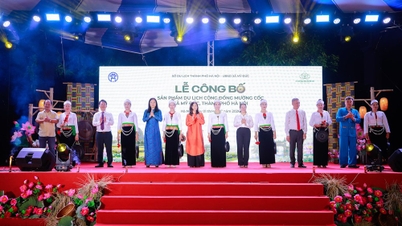
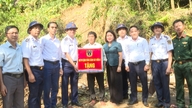
When Hamlet 5 held its National Unity Day celebration, Deputy Head of the Provincial Party Committee's Internal Affairs Department, Phan Thế Hanh, was in attendance. Everyone was happy and proud. Not only because the hamlet was chosen as a model by Trà Tân commune, but also because this highlighted the positive transformation of a once purely agricultural hamlet over the past 30 years. It's worth remembering that in 2023, the hamlet celebrated its 30th anniversary, seemingly struggling to break free from its former glory, with hundreds of hectares of land along the La Ngà River yielding bountiful harvests. However, by the end of 2024, it had been recognized as a smart hamlet. The very name suggests a community that applies advanced technology; possesses elements of a modern and civilized society; and enjoys a vibrant and efficient community.
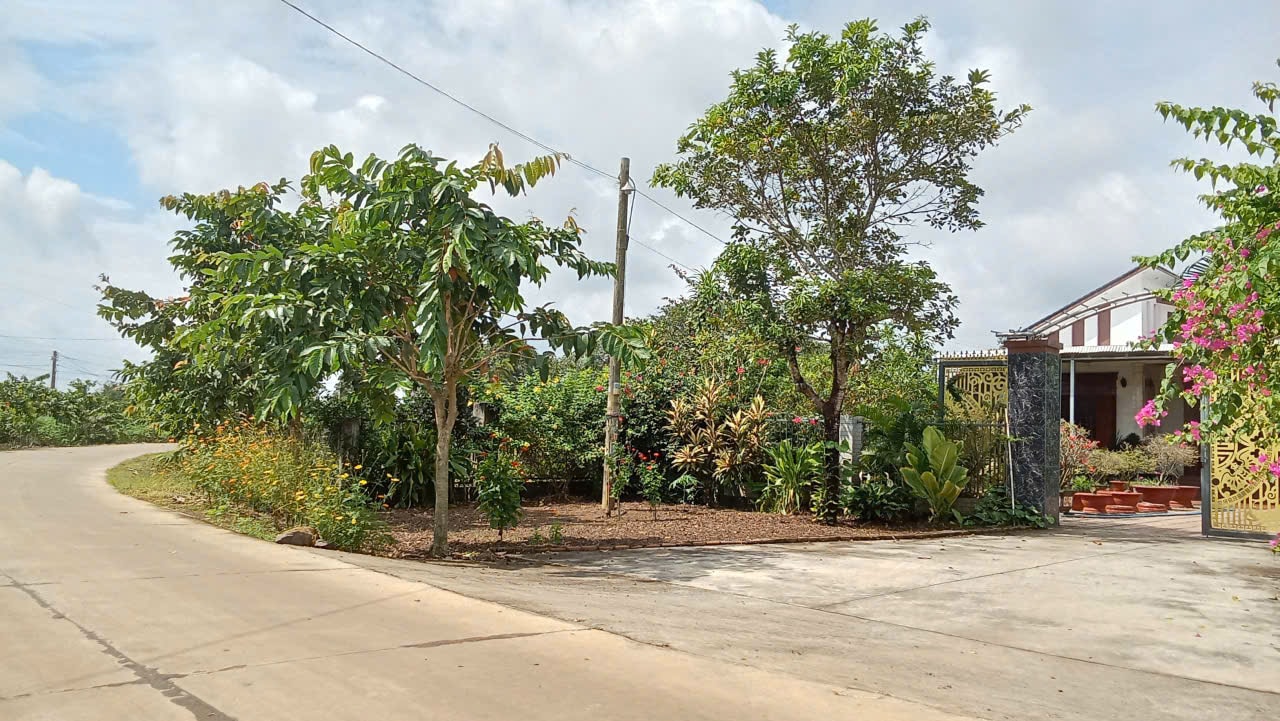
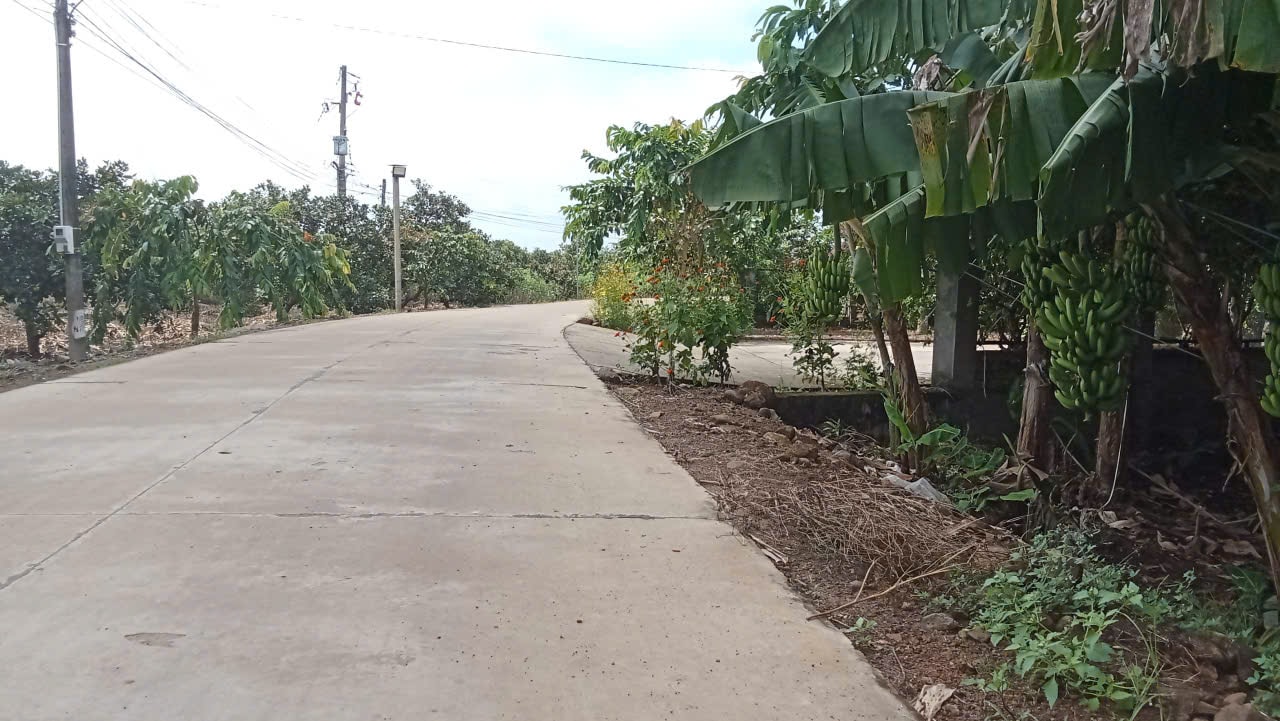
It was no coincidence that Hamlet 5 was chosen by the leaders of the former Tra Tan Commune People's Committee to build a smart village model, and it was also the first smart village in the former Duc Linh District. In fact, during its journey to contribute to the commune's completion of the criteria for advanced new rural development, the hamlet already possessed the decisive elements to meet the requirements of the 12 smart village criteria. The remaining issue was simply reorganization and the development of specific solutions to make it clearer and stronger. At that time, the commune leaders emphasized that the hamlet needed to complete the criteria related to production; exploit its riverside advantages to invest in community tourism ; further strengthen security and order, promoting security camera models; and build a bright, green, clean, and beautiful road...
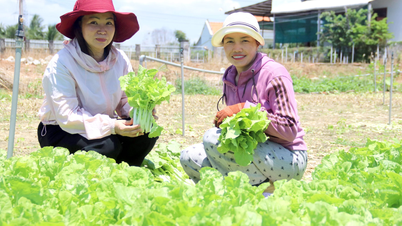
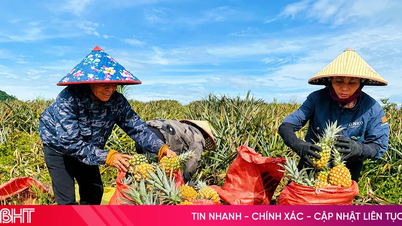
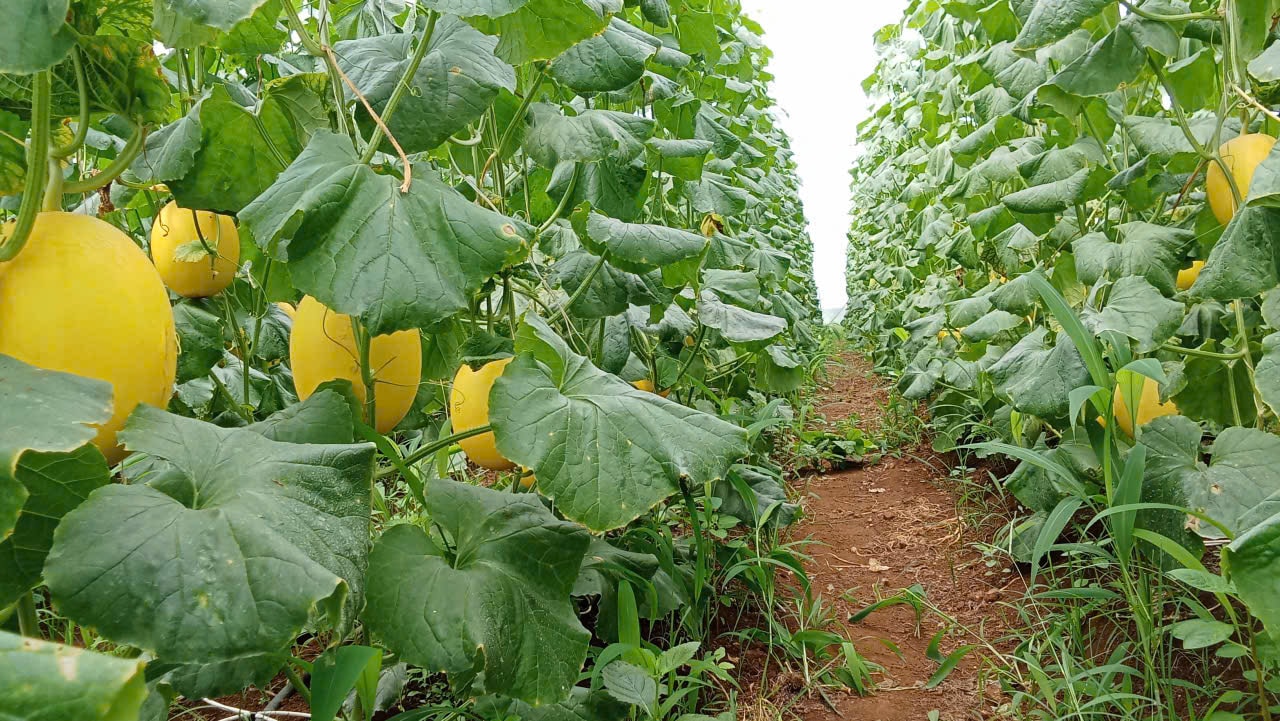
Now, all of the above have become a reality and are even more organized, thanks to the adequate and clean infrastructure investment in the village. Furthermore, the village produces a diverse range of products, not just agriculture . Besides hydroponic vegetables with automatic irrigation, melons grown in greenhouses, cinnamon and lemongrass essential oil production, and tissue-cultured bananas, there are also handicraft products such as sculptures, brooms, hats, and even stuffed animals. Mr. Nguyen Van The, Head of Village 5, Tra Tan Commune, said that the village's industries and products are being developed to leverage advantages, form joint ventures and partnerships, and establish regional codes as a basis for promoting products, brands, and origins, as well as accessing markets. Accordingly, most villagers have reduced the use of cash in goods transactions and payments for services such as electricity and health insurance. In addition, information is readily available through Zalo and Facebook groups. The villagers' awareness of solidarity and community building is increasingly high. This is partly due to the increasing income of the local people.
On occasions requiring collective effort, such as supporting flood victims in recent years, the villagers have contributed over 90 million VND. For other occasions like the National Unity Day and the Mid-Autumn Festival, contributions are made regularly and smoothly. Notably, thanks to contributions made according to the village's customs and regulations, families experiencing bereavement receive nearly 4 million VND in funeral donations.


Thanks to sufficient conditions
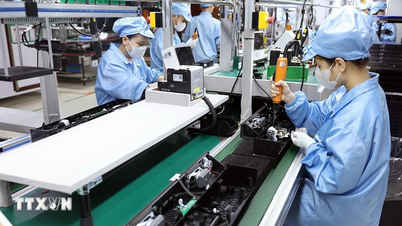
Village 5 is one of 12 villages in Tra Tan commune, formed by the merger of three communes: Dong Ha, Tan Ha, and Tra Tan, formerly part of Duc Linh district. Currently, Tra Tan commune has three operational industrial clusters, two of which, Nam Ha and Nam Ha 2, are 100% occupied; the Dong Ha industrial cluster, invested in by a South Korean company, has reached approximately 30% occupancy. Consequently, domestic and foreign businesses from countries such as South Korea, Japan, Taiwan (China), and Israel have been concentrating in these three industrial clusters. Alongside the emergence of factories and workshops, the recruitment of workers has also increased. Notably, Nam Ha Shoe Company Limited, operating for over two years, has already employed 5,000 workers. Although Tra Tan is located in Zone 4, this factory pays its workers the Zone 1 wage rate. Therefore, it has attracted a large number of workers, especially young people from the commune, who earn between 10 and 15 million VND per month. If both husband and wife work as factory workers, an income of over 20 million VND per month in this area, where the cost of living and food is not high, is certainly enough to leave them with a significant surplus.
The stable monthly income, along with income from agriculture and services—which are inherently volatile—has contributed to creating a multi-income model for many families in the commune. This has helped increase the average per capita income in the three communes of Dong Ha, Tan Ha, and Tra Tan (formerly) rapidly over the past 2-3 years, meeting the criteria for advanced and model new rural communes. For example, in 2024, the average per capita income in Tan Ha commune was approximately 65 million VND/person; Tra Tan over 69 million VND/person; and Dong Ha 72.08 million VND/person. In 2025, the average per capita income in Tra Tan commune after the merger is projected to be 71 million VND/person.
This more or less indicates that, in 2025, despite the administrative unit merger, production and business activities in this border area with Dong Nai province will remain stable, and businesses in the three industrial clusters will continue to operate normally. Furthermore, there is even positive progress, as secondary investors in these clusters are building factories and beginning to recruit thousands or more workers.
The opportunity to "leave agriculture but not leave the homeland" is becoming widespread, with more and more families generating income from participating in industry and related service businesses, rather than just relying on agriculture and related services as before. This is also why Tra Tan commune has set a target of over 98 million VND per capita income by 2030, meaning each year, each resident in the commune will see an income increase of 5.4 million VND. This high increase is due to the addition of industry to Tra Tan, which serves as a necessary condition for the commune's development and for its residents to increase their income.
The Ministry of Foreign Affairs received a copy of the Letter of Credence for the U.S. Ambassador to Vietnam.On the afternoon of July 2nd, at the Ministry of Foreign Affairs headquarters, Mr. Le Cong Dung, Director of the State Protocol and Foreign Interpretation Department, received a copy of the Letter of Credence from Ms. Jennifer Wicks, Ambassador of the United States of America to Vietnam.Ambassador Nguyen Quoc Dung visits and works in Minnesota, USA.From June 28-30, the Vietnamese Ambassador to the United States, Nguyen Quoc Dung, paid a visit and worked in Minnesota.Vietnam encourages US businesses to expand investment in high technology.On the morning of June 26th, at the Government Headquarters, Deputy Prime Minister Ho Quoc Dung received Mr. Jeff Place, Supply Chain Director of Coherent Group (USA). During the meeting, the Deputy Prime Minister affirmed that Vietnam encourages US businesses to expand investment, especially in high-tech, innovation, and semiconductor industries.According to many people's assessments, the income of residents in the commune has continuously increased since the industrial clusters with many businesses started operating. Many families have an annual income from salaries totaling 200-400 million VND. In addition, thanks to the strength...
With the influx of industrial investment, many families have transferred land and have deposited a lot of money in banks. For example, at the Agricultural and Rural Development Bank - Duc Linh Branch, in 2023, the capital mobilized from the three (former) communes was 158 billion VND, while currently, the capital mobilized from Tra Tan commune is 200 billion VND.



Source: https://baolamdong.vn/khi-tra-tan-co-them-cong-nghiep-406999.html