

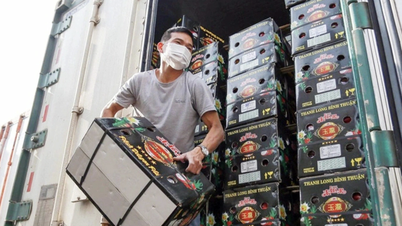
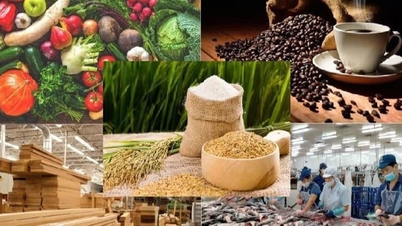
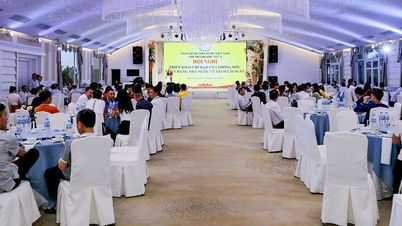
Many groundbreaking recommendations were put forward at the seminar themed "Solutions for High and Sustainable Export Growth," organized by the Import-Export Department ( Ministry of Industry and Trade ) on the morning of December 16th.
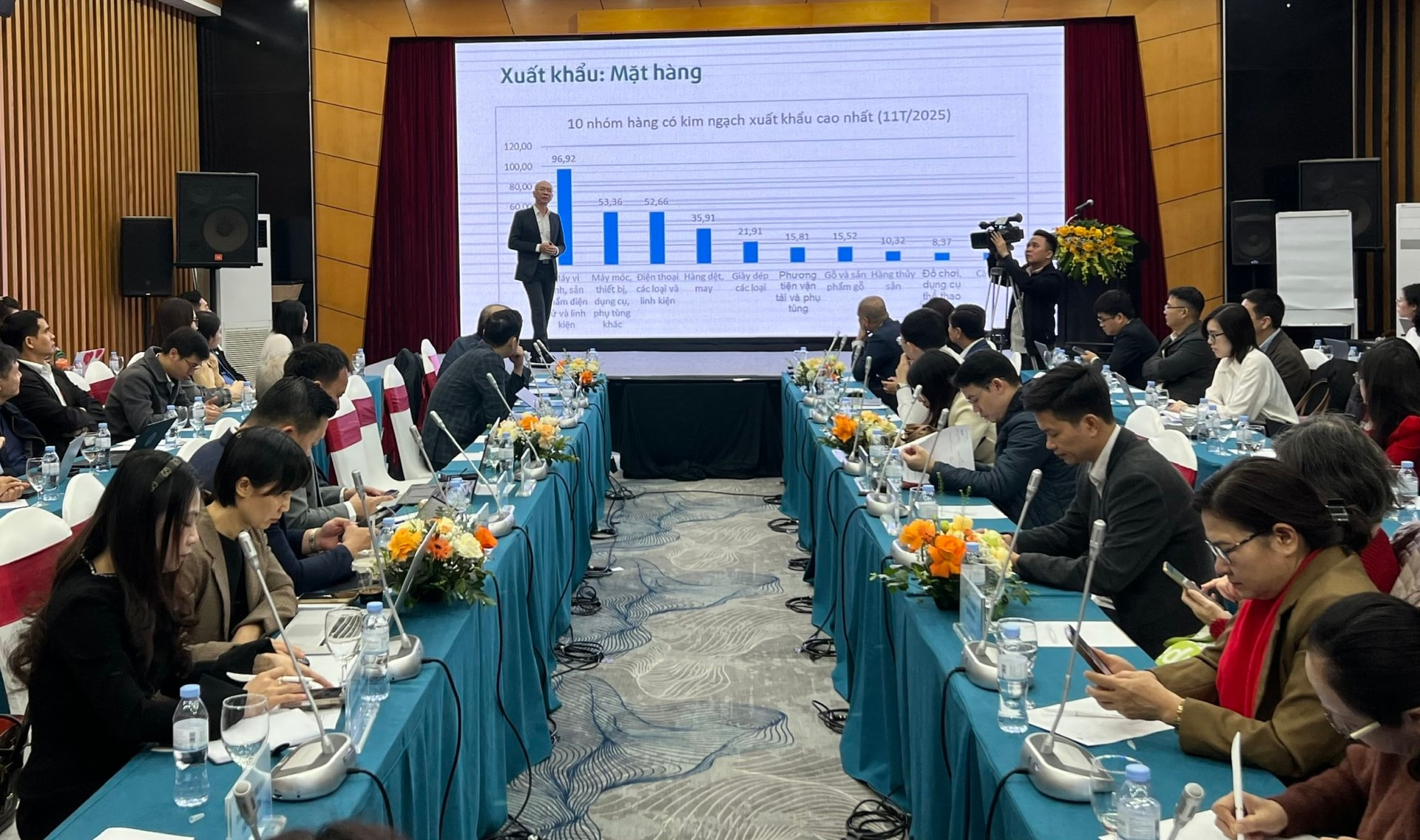
According to Mr. Nguyen Anh Son, Director of the Import-Export Department (Ministry of Industry and Trade), in the period 2020-2025, import and export activities will experience strong development, affirming their pivotal role in the economy .
“The average export growth rate has reached approximately 10% per year, bringing Vietnam into the group of the 20 largest export economies in the world from 2023. Notably, Vietnam has maintained a continuous trade surplus for 10 years, making a significant contribution to macroeconomic stability, generating foreign currency, and strengthening national foreign exchange reserves,” Mr. Anh Son emphasized.
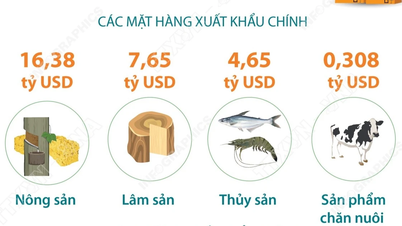
In the first 11 months of 2025, export turnover reached US$430.2 billion, an increase of 16.1% compared to the same period last year. It is projected that for the whole year of 2025, exports will exceed US$470 billion, an increase of approximately 16% compared to 2024.
From a digital commerce perspective, Mr. Tran Van Trong, Secretary General of the Vietnam E-commerce Association, believes that cross-border e-commerce is opening up significant opportunities for exports, especially for small and medium-sized enterprises.
However, exports also face structural and long-term challenges. The slow recovery of the global economy, geopolitical conflicts, trends towards trade fragmentation, and increasing protectionism are narrowing the room for traditional growth.
Notably, new standards on sustainable development, emission reduction, traceability, social responsibility, and "greening" supply chains are increasingly becoming mandatory conditions for accessing major markets, creating considerable pressure on export businesses. Looking at the internal dynamics of the economy, export growth still heavily depends on the FDI sector.
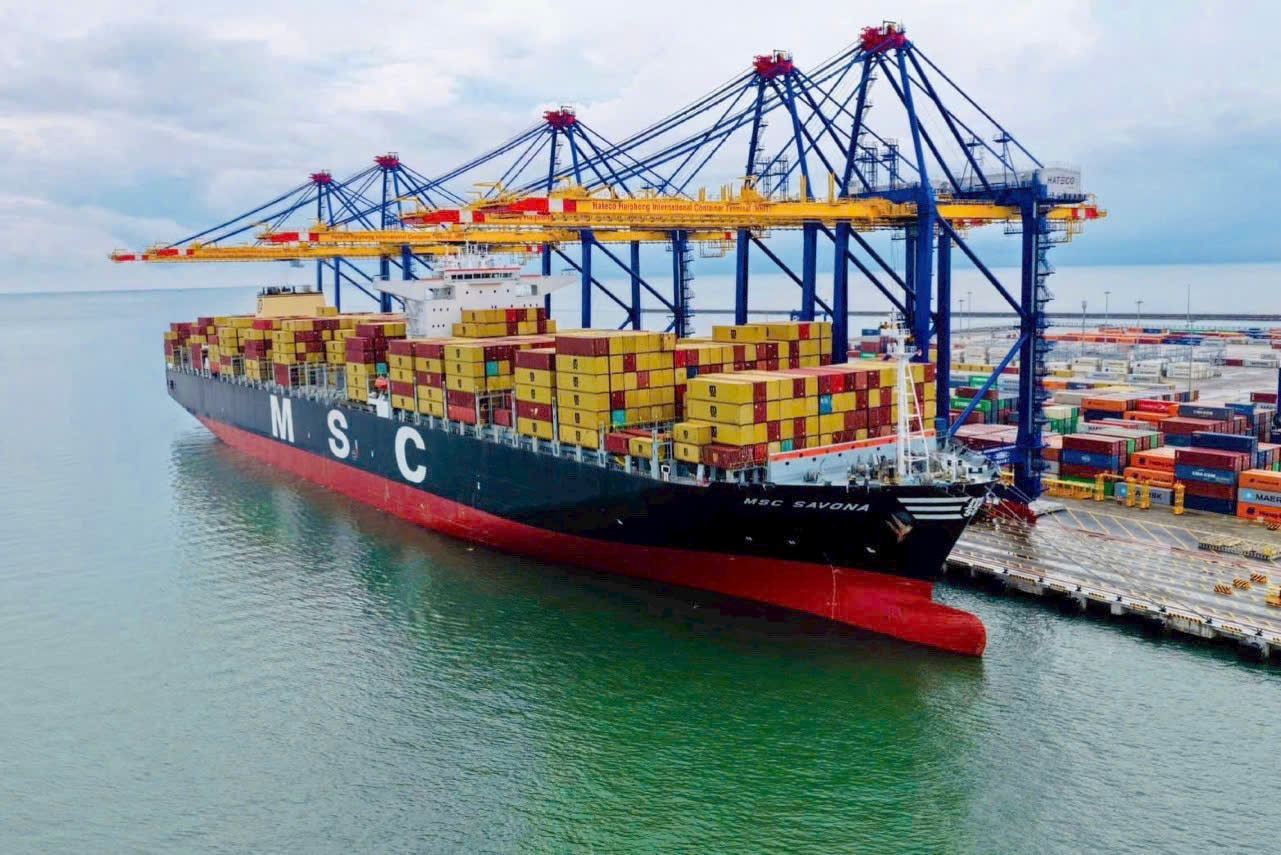
Referring to global market trends, Dr. Nguyen Thi Thu Trang, an expert in international economic integration and law, emphasized that proactively adapting to sustainable standards helps Vietnamese businesses enhance their competitiveness, reduce trade risks, and create a foundation for long-term growth.
From the industry perspective, Ms. Phan Thi Thanh Xuan, Vice President and General Secretary of the Vietnam Leather and Footwear Association, said that the leather and footwear industry is focusing on strengthening the internal capacity of businesses, thereby increasing the proportion of exports. She also requested that relevant authorities facilitate the development of domestic raw materials and components, reduce logistics costs, and support businesses in innovation and design development to create productivity and value.
Many believe that it is necessary to continue improving the effectiveness of free trade agreements (FTAs), especially new-generation FTAs, by enhancing market information provision and supporting businesses in meeting rules of origin and technical standards.
To maintain its position as a highly open economy, Vietnam's exports need a strong shift from an extensive growth model to one focused on depth and quality. This requires close coordination between improving state institutions, maximizing the advantages of integration, and the proactive and bold approach of the business community in investing in technology, innovation, and adapting to global sustainability standards.
Source: https://hanoimoi.vn/lam-gi-de-xuat-nhap-khau-viet-nam-dot-pha-727045.html
![[Photo] General Secretary and President To Lam presides over a meeting with the Central Organizing Committee.](https://vphoto.vietnam.vn/thumb/1200x675/vietnam/resource/IMAGE/2026/06/03/1780482764658_a1-bnd-4741-3342-jpg.webp)
![[Photo] Secretary of the National Assembly Party Committee, Chairman of the National Assembly presides over the meeting of the Standing Committee and Executive Committee of the National Assembly Party Committee.](https://vphoto.vietnam.vn/thumb/1200x675/vietnam/resource/IMAGE/2026/06/03/1780480353201_ndo_br_bnd-2585-jpg.webp)


![[Photo] First session of the 14th Congress of the Vietnam Trade Union](https://vphoto.vietnam.vn/thumb/1200x675/vietnam/resource/IMAGE/2026/06/03/1780465947883_ndo_br_img-3852-jpg.webp)








![[Podcast] Capital City Law 2026: Increased penalties for violations in the fields of culture and advertising](https://vphoto.vietnam.vn/thumb/402x226/vietnam/resource/IMAGE/2026/06/03/1780487283783_4522222.png)






































![[Video] Sunset at Lap An Lagoon – Where the sun sets over the fishing nets](https://vphoto.vietnam.vn/thumb/1200x675/vietnam/resource/IMAGE/2026/05/31/1780192137701_beach-landscape-sea-water-nature-grass-745871-pxhere-com.jpeg)





























Comment (0)