

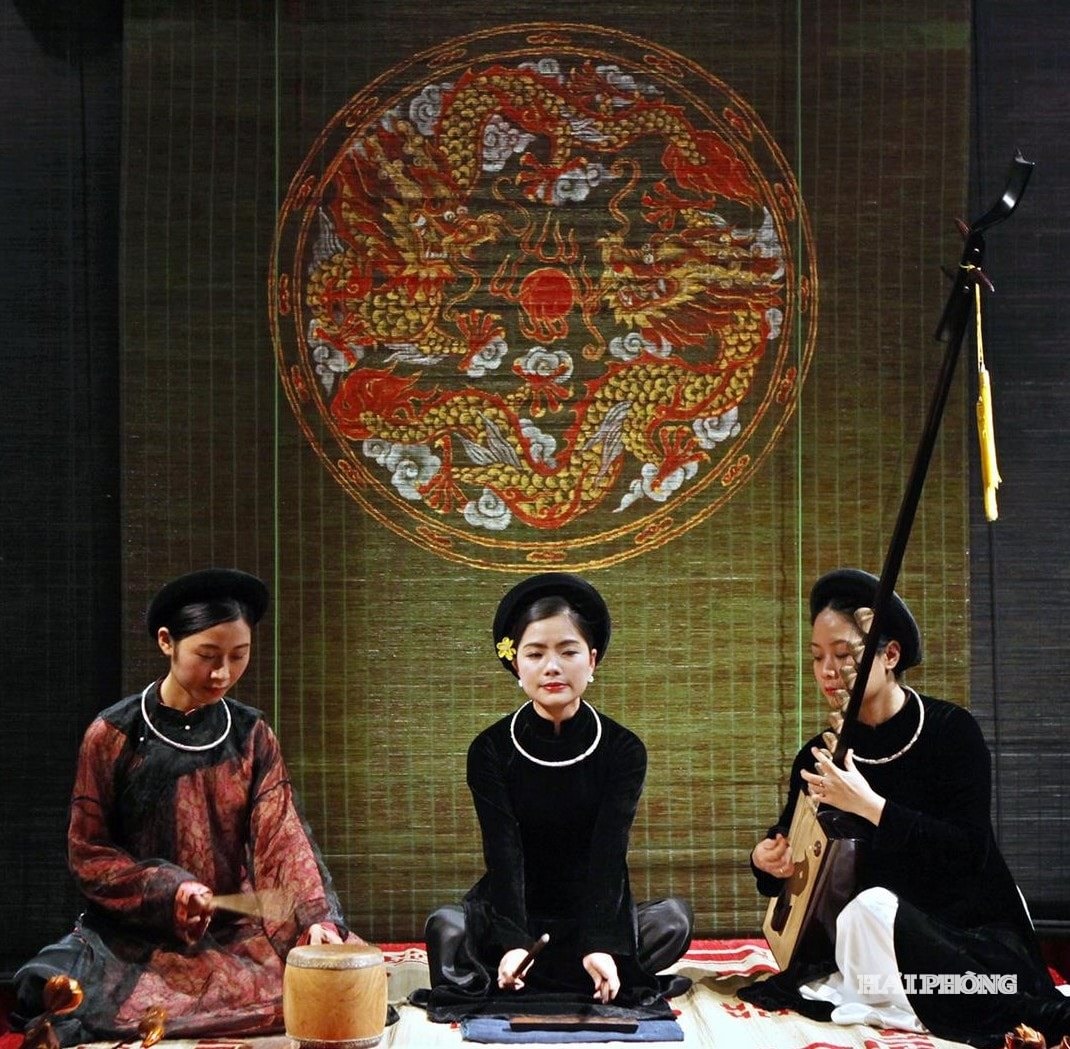
Legend has it that the origins of Ca Tru (Vietnamese traditional singing) date back to the Ly Dynasty, and Lo Khe village ( Hanoi ) is considered the cradle of Vietnamese Ca Tru. Initially, Ca Tru had a singing style similar to Cheo (traditional Vietnamese opera) and was often performed at festivals and ceremonies in communal halls. Later, as the practice of village ceremonies declined, Ca Tru was brought indoors, and this style of singing became a chamber music genre. Singing Ca Tru became a refined pastime of our ancestors.
In the past, there were several styles of singing and performance in different settings, such as singing at communal houses (worship songs), singing at royal courts (court songs), singing at home (house singing), singing in competitions, and singing in cafes (casual singing). In Hai Phong, there were also traditional Ca Tru singing guilds. These guilds were tightly organized, from their interactions with listeners and other guilds. Dong Mon village (Hoa Binh commune, Thuy Nguyen district) is one of the oldest cradles of Ca Tru. It has a temple dedicated to the patron saint of the craft. Those outside the guilds who learned to sing by eavesdropping were only considered "amateur singers." Only those who received formal training were called "female singers." All the guilds worshipped the same patron saint, traditionally believed to be Princess Man Duong Hoa from Thanh Hoa, who created and popularized Ca Tru. Later, Ca Tru was refined and perfected into a unique art form unlike any other.
The lyrics of ca trù are verses rich in melody and brimming with the emotions of those who love life and possess talent. The composers of ca trù in the past were often literati, poets, or officials with free-spirited personalities: for example, Tản Đà, Doctor Chu Mạnh Trinh, Nguyễn Công Trứ, Cao Bá Quát, Nguyễn Hàm Ninh... These are all famous names with many anecdotes. The content of ca trù is diverse, praising love, the profound character and talent of women. Sometimes it also describes worldly affairs, the beauty of the blue water and green mountains…
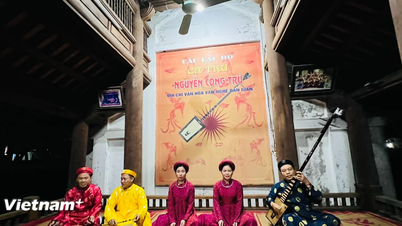
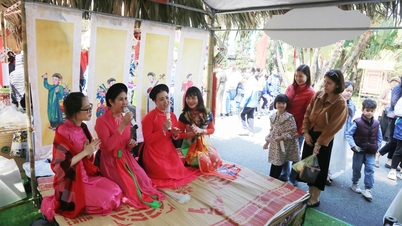
A typical Ca Tru performance usually involves three people: the singer, the accompanist (playing the zither), and the drummer. The singer, also known as the "dao hat" or "dao nuong," possesses not only natural beauty but is also trained in a performing arts troupe, as mentioned above. When singing, the "dao nuong" must be elegantly and modestly dressed. Wearing silk trousers, a brocade blouse, a velvet headscarf, and a ponytail, the "dao nuong" only look straight ahead, avoiding eye contact or flirtatious behavior with the audience. They are also not allowed to accept tips from guests without permission. They captivate the audience with their voice, their clear enunciation, and their enchanting vocal artistry.
One document once described the portrait of a courtesan like this:
Her face was round like the moon, her eyes sharp as a razor.
Enter, with refined elegance. Exit, with the allure of the brothel.
Those words were like brocade, those words like embroidery, gentle as plum blossoms, pure as snow.
Her charm is no less than that of Van Kieu…
Female performers must possess considerable skill and composure while performing, as their audience consists mostly of upper-class guests, local officials visiting the provinces or Hanoi on official business, and very few ordinary people. Because of this, some of the more refined audience members would even play drums and join in the rhythm with the female performers and male musicians.
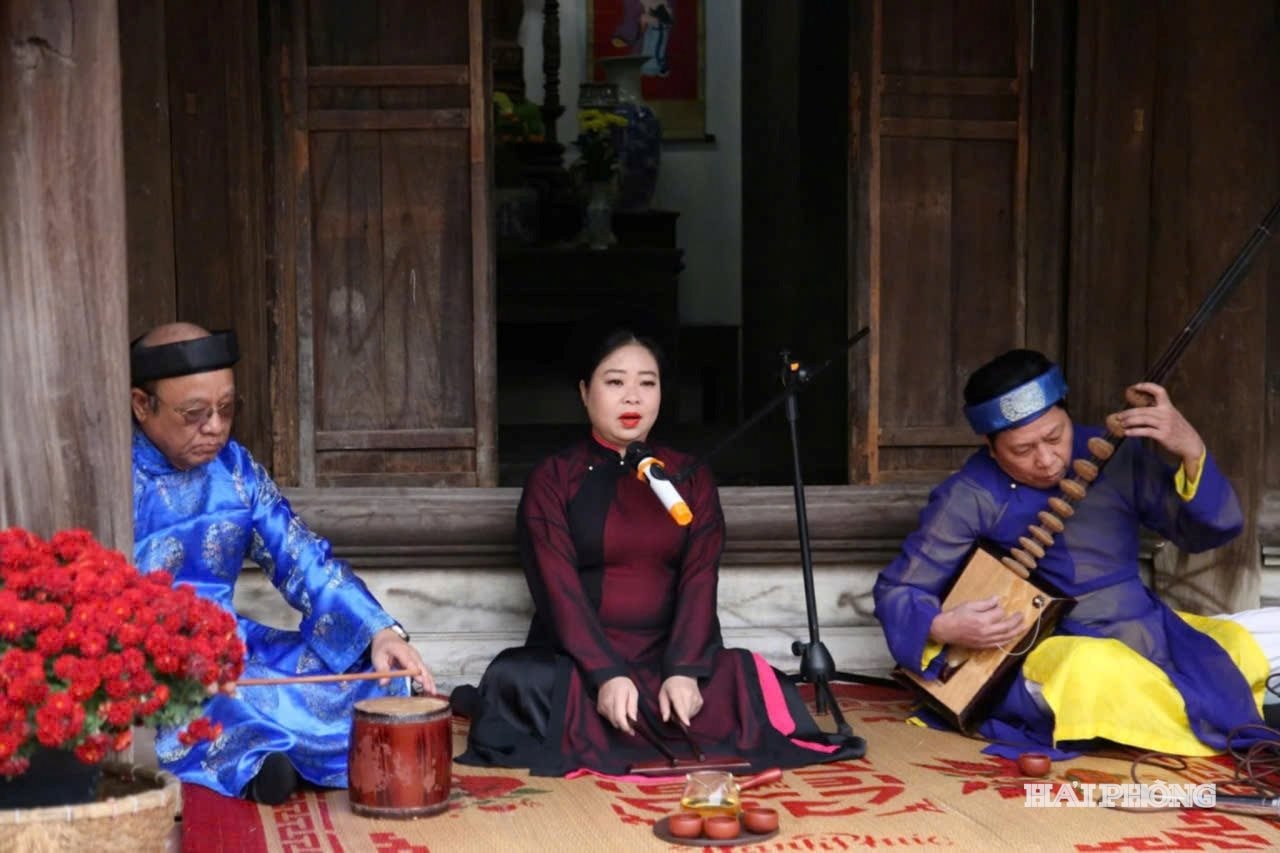
To deliver a beautiful performance, the female singer diligently practiced her voice, ensuring clear and distinct pronunciation , and a resonant, vibrant tone. The male musician also endured equally arduous training. His instrument had to be sweet, harmonious, and expressive. The accompanying ensemble included clappers and drums . The person leading the performance didn't discriminate based on social class; their fundamental skill lay in their expertise. They had to be able to distinguish between different drum rhythms and melodies, distinguishing between "falling swan, " "flying swan," "water pearl ," "tranh trien," and "ha ma. " The person leading the performance couldn't drown out the singing; in the profession, this was considered "striking the singer's mouth." Sitting on the mat leading the performance, the officials had to strike the clappers and drums in perfect rhythm. Sometimes a single, slow beat, sometimes three or five rapid beats, sometimes nine lively beats. When the performance reached its climax, the clappers and instruments harmonized, the officials were in high spirits, and the female singer showcased her talent – a true meeting of kindred spirits. The atmosphere of Ca Tru singing enters a mystical world , filled only with sacred elegance and a pure, humanistic essence.
A typical Ca Tru song usually has three sections, called stanzas. The first two stanzas each have four lines, and the third stanza has three lines. If a song only has the first and last stanzas, lacking the middle stanza, it is called an incomplete stanza. Conversely, a song with more than three stanzas is called an extra stanza. The number of words in each line of Ca Tru is not limited, but usually each line has seven or eight words; in some cases, a line has only three or four words, and sometimes a line can extend to thirteen or fourteen words. Notably, the concluding line always has only six words to match the rhythm.
The rhymes in ca trù are also very rich, encompassing both internal and end rhymes, both rising and falling tones, but mostly end rhymes that follow each other in pairs. The sound of ca trù is also influenced by the combination of words with alternating rising and falling tones, creating a gentle, melodic, and elegant rhythm. Additionally, some songs begin with a few lines of lục bát (six-eight) verse called "mưỡu đầu" (beginning verse) and end with two lines of lục bát verse called "mưỡu hậu" (ending verse).
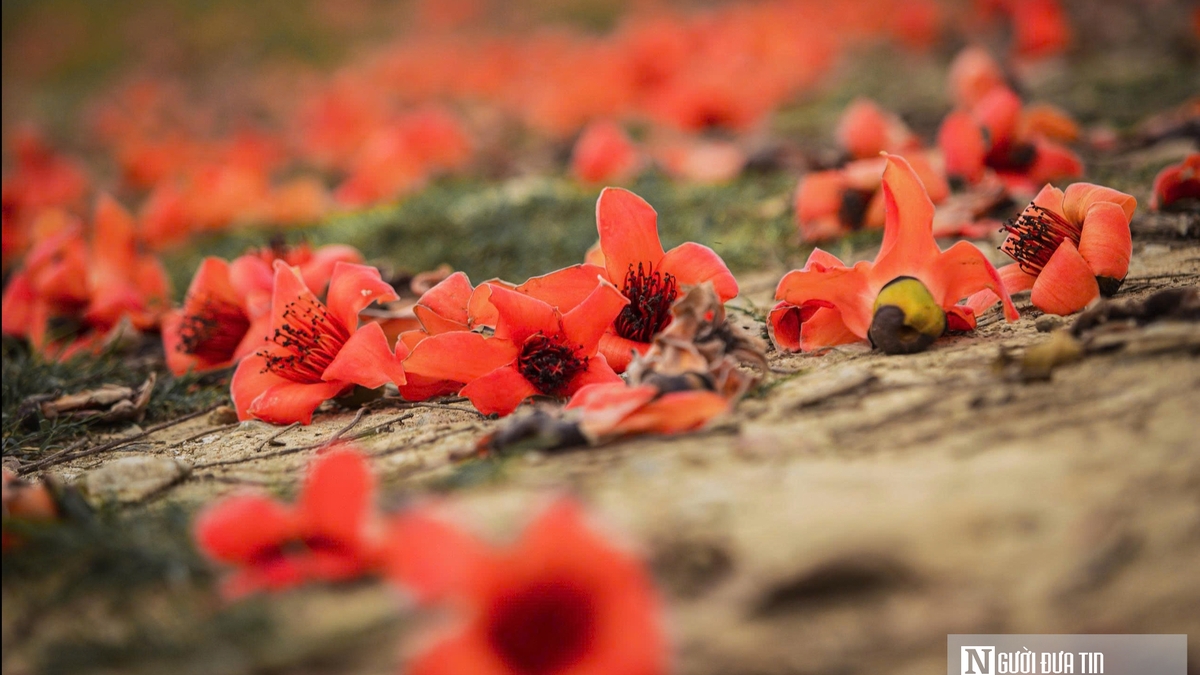
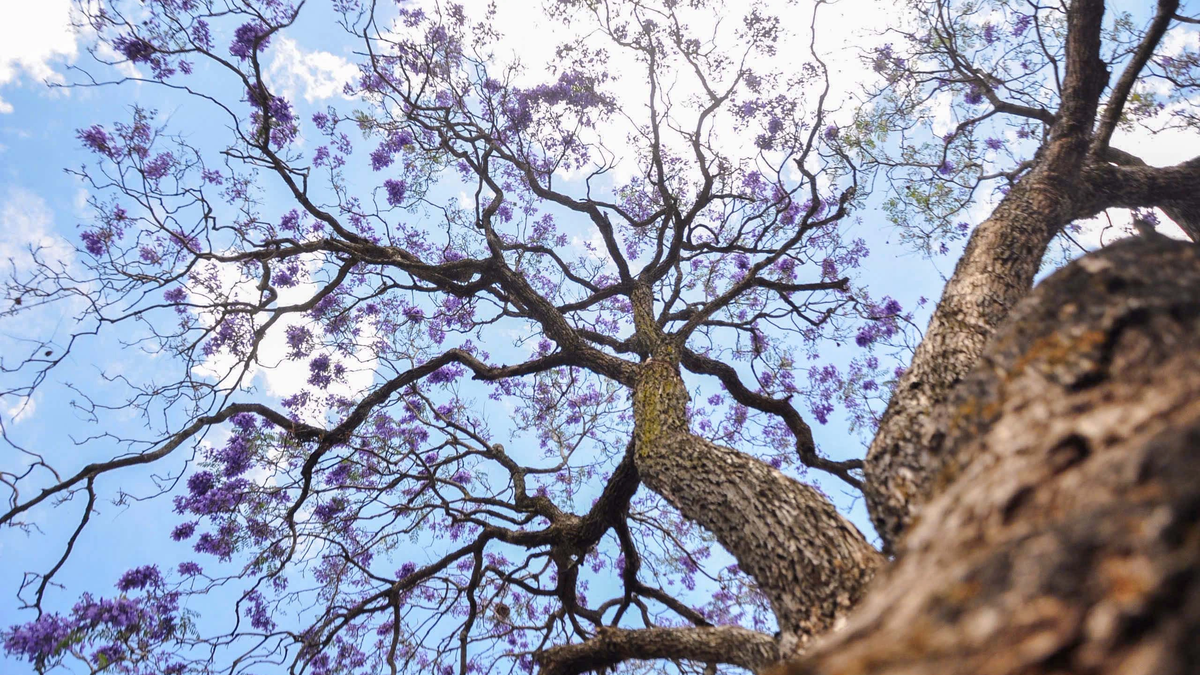
Despite numerous changes and ups and downs, Hai Phong city still maintains a regularly functioning Ca Tru singing club. The city has organized several expanded Ca Tru singing festivals, with participation from many localities such as Hanoi, Bac Ninh, Hung Yen, Ninh Binh, etc. In 2025, the city launched a competition to write new lyrics for the Ca Tru and Hat Van singing genres, with awards given. The author of this article previously won an award at the festival with the work "Con Son's Melancholy Spring Afternoon," which included the following lines: "The wind sings endlessly through the rustling pines / Bells chime by the bamboo grove, the evening glow of Con Son / Thach Ban, damp with mist / The purple sim flowers bloom, spreading their fragrance across the mountains..."
Ca Tru singing has been recognized by UNESCO as an Intangible Cultural Heritage of Humanity that needs urgent preservation and protection. It is a precious gem in the treasure trove of our country's folk culture.
KHUC HA LINHSource: https://baohaiphong.vn/lang-dang-giai-dieu-ca-tru-538392.html





















![[Photo] Tran Cam Tu, Standing Member of the Secretariat of the Central Committee, presides over the first meeting of the Central Steering Committee on the Development of Vietnamese Culture.](https://vphoto.vietnam.vn/thumb/1200x675/vietnam/resource/IMAGE/2026/03/19/1773895004549_ndo-br-bnd-1195-2-jpg.webp)



























































Comment (0)