Promoting the spirit of learning.
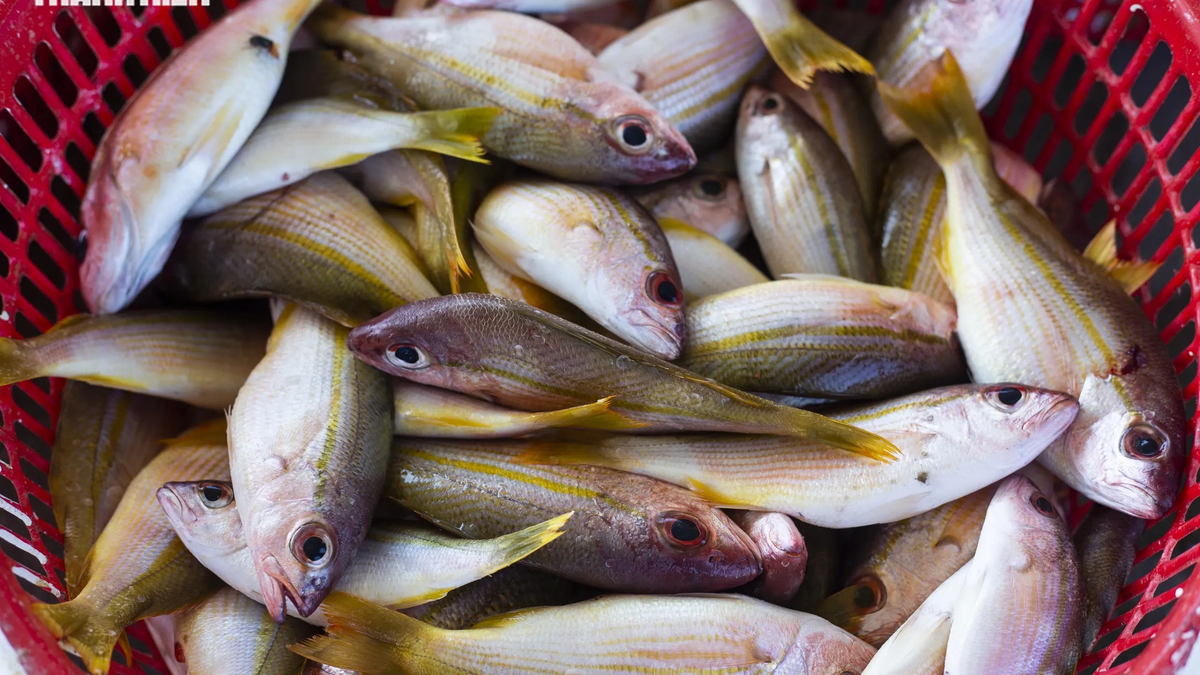
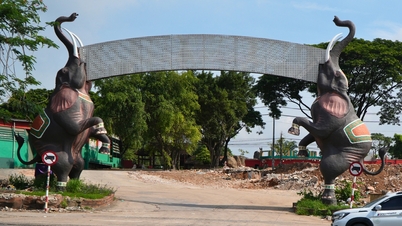
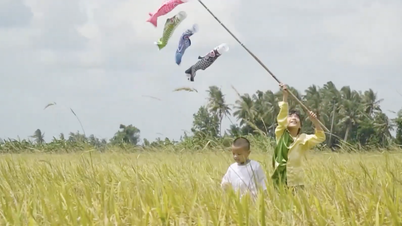
At the end of February, we had the opportunity to visit Quynh Doi commune. Right in front of the imposing village gate, cars carrying tourists were parked ready. The gate was adorned with numerous images of fish, symbolizing "carp leaping over the dragon gate."
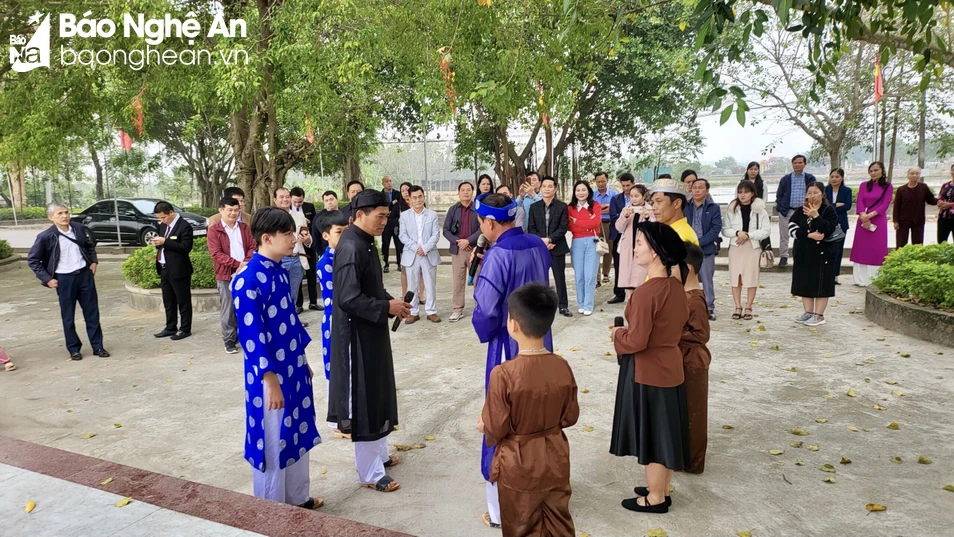
Beyond the village gate, the first historical site is the church and tomb of the Imperial Scholar and Minister of the Quynh District, Ho Phi Tich. Inside, hundreds of wooden fish sculptures are displayed prominently. A group of elderly tourists from Hanoi are attentively listening to their tour guide recount the story of "The Scholar from Nghe An and the Wooden Fish" by Ho Phi Tich. This story has been adapted into a short play to attract tourists, as part of the "Wooden Fish Village - After the Spotlight" tour.
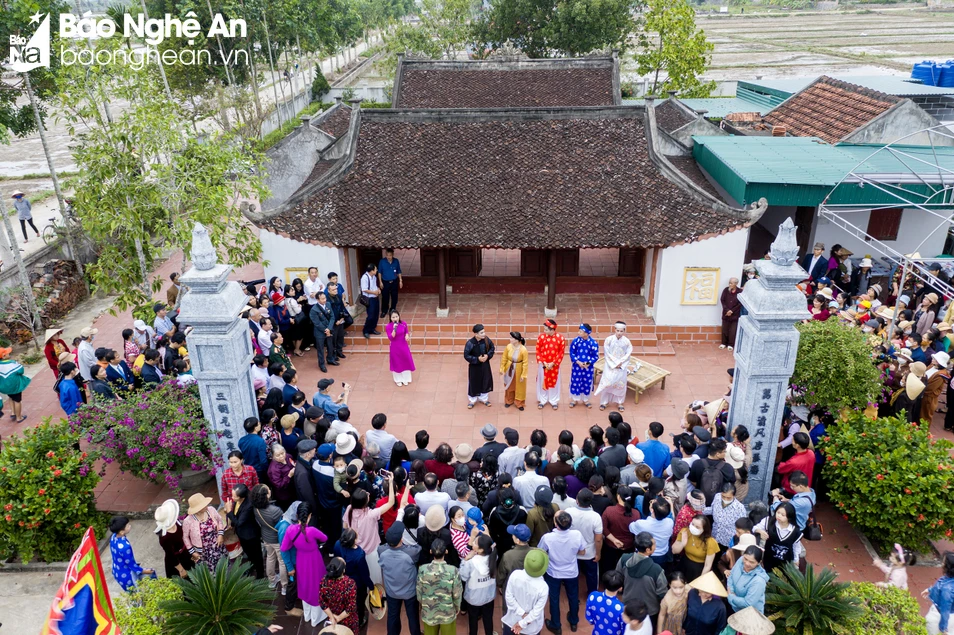
Welcoming visitors warmly, Mr. Ho Phi Sinh (85 years old) said that he is the 7th-generation descendant of Duke Ho Phi Tich. For many years, he has been in charge of looking after this temple. This is also a nationally ranked historical site, and it is where amateur actors from Quynh Doi commune reenact the story of "The Nghe An Scholar and the Wooden Fish" to entertain tourists.
The story tells of Ho Phi Tich, who rented a room to study while awaiting the imperial examinations. During his stay, the landlady noticed that Ho Phi Tich only ordered plain rice and asked for a bowl of fish sauce each day, without any other food. At each meal, Ho Phi Tich would take a golden-brown grilled fish from his satchel and place it on a plate before eating his rice. Eventually, the landlady discovered it was just a wooden fish. Ho Phi Tich would look at it to imagine that every meal included fish. Despite his poverty, through hard work and determination, Ho Phi Tich eventually passed the examinations and became an official.
"Incorporating this story into tourism is also a way for our village to promote the tradition of studiousness that has existed for generations. Behind the success and achievement in exams lies effort and overcoming difficulties," Mr. Sinh said.
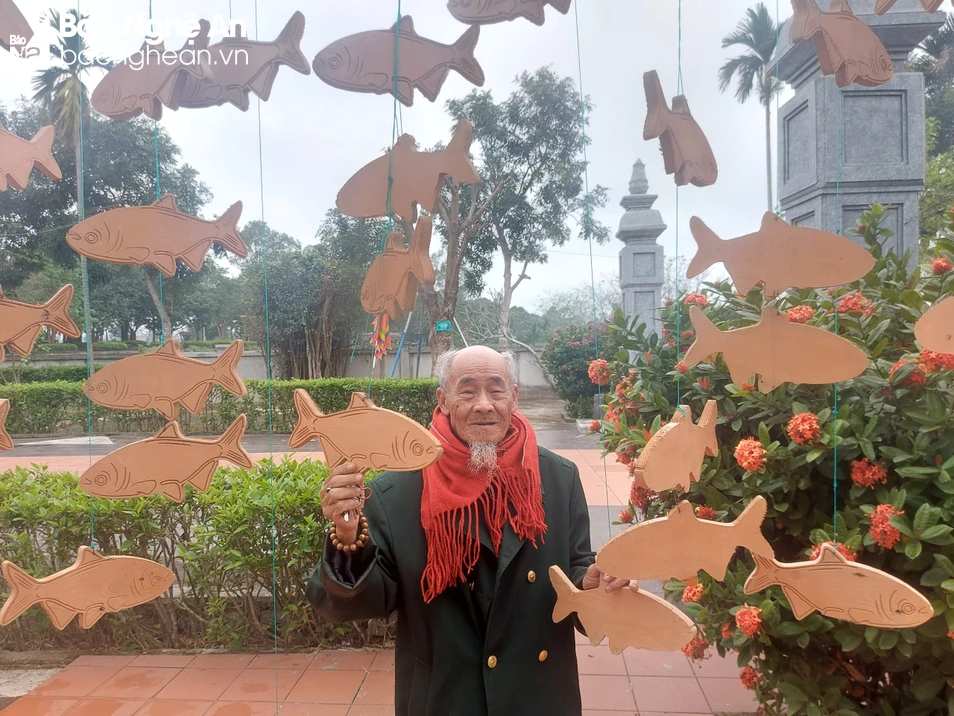
Like many other people in Quynh Doi village, Mr. Sinh is proud of his ancestors' scholarly tradition, the birthplace of outstanding talents who have contributed to the glory of their homeland and country. It is for this reason that Quynh Doi has long been known as the "Village of Scholars," famous for the saying, "North Ha has Hanh Thien - Hoan Dien has Quynh Doi."

According to statistics from the leaders of Quynh Doi commune, from 1378 to 1918, when the examination system using Chinese characters was abolished, Quynh village had 734 people who passed the baccalaureate and bachelor's degrees. Among them, 88 passed the imperial examinations (three levels); 4 achieved the rank of vice-bachelor, 7 achieved the rank of doctor, 2 achieved the rank of imperial scholar, and 1 achieved the rank of third-place scholar…
Notable examples include Mr. Ho Sy Duong, who won the top prize three times and came second in the Dong Cac examination; the female poet Ho Xuan Huong, the queen of Nôm poetry in the 18th century; the patriot Pham Dinh Toai… almost every family here has members who achieved academic success. Since the August Revolution of 1945, the entire commune has had over 1,000 people graduating from university and postgraduate programs, with over 300 currently studying and teaching at over 28 universities nationwide, including 52 masters, 55 doctorates, 16 associate professors, 5 professors, 3 international academicians , and hundreds of people working in scientific research, journalism, and arts.
Quynh Doi is just a small rural area with only about 5,000 households, but it has produced 5 people who were members of the Central Committee of the Communist Party, including 2 members of the Politburo. In addition, Quynh Doi has 9 former National Assembly delegates, 31 Provincial Party Committee members (including 11 who held the positions of Provincial Party Secretary or Deputy Provincial Party Secretary), 5 members of the Provincial Party Standing Committee, 15 ministers, deputy ministers and equivalents, 8 District Party Secretaries, 2 Deputy District Party Secretaries, and 3 Chairmen of District People's Committees…
Aspiration to develop tourism
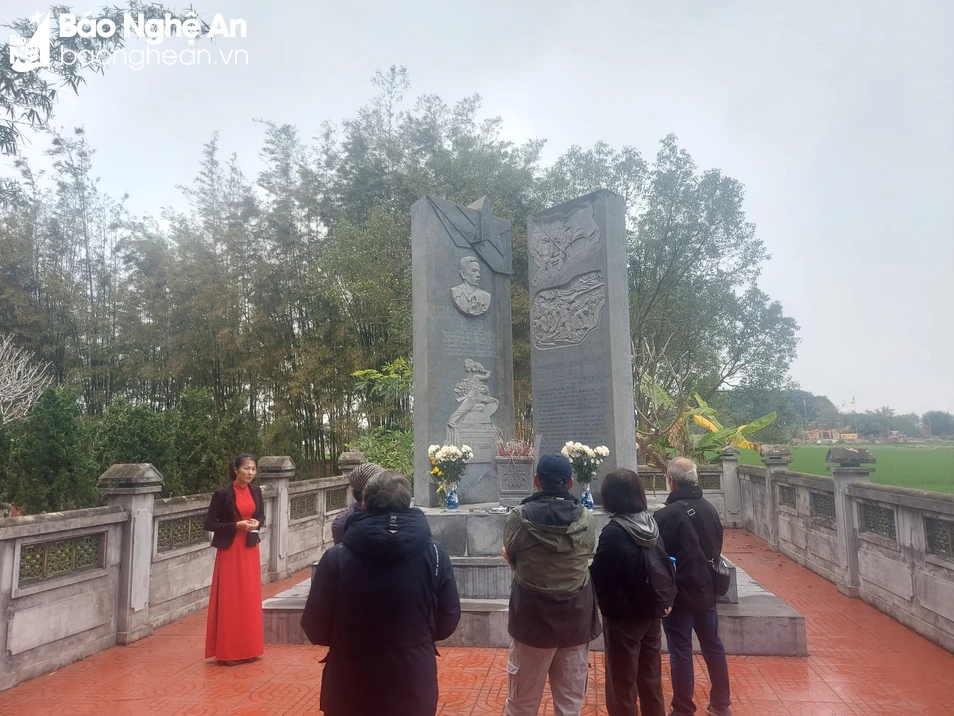
Adjacent to the Quynh Quan Cong shrine in present-day Quynh village are the memorial stele for the poet Ho Xuan Huong, the tomb of revolutionary Ho Tung Mau, and the memorial stele for the hero of the armed forces, Cu Chinh Lan. Not far from the stele complex is the village's tutelary deity temple, and the ancient Ba Ca well, associated with the image of Ho Xuan Huong slipping while carrying water. Here, visitors can try on traditional costumes, carry water in earthenware pots, and reenact the scene of Ho Xuan Huong fetching water…
According to Mr. Ho Sy Hung, Vice Chairman of the People's Committee of Quynh Doi commune, the idea of developing tourism was raised by the commune's Party Committee in the previous term, but it was only in this term that it was included as a key task. "In 2023, with the support of a native of Quynh Doi living in Hanoi, our commune decided to implement tourism tours to promote the land, people, and history of the village," Mr. Hung said, adding that in 2023, the Vietnam Tourism Association came to survey, guide, and support the locality in gradually researching and evaluating resources and agreeing on ideas and implementation steps...; from there, the unique tourism features of Quynh Doi village gradually took shape.
In mid-December 2023, the "Wooden Fish Village - After the Spotlight" tour officially launched. Besides the short play "The Nghe An Scholar and the Wooden Fish," visitors can also watch the short play "He Has Returned Here" right at the entrance to Quynh Doi village. This play recreates the scene from 1903, when President Ho Chi Minh and his brother, accompanied by Mr. Nguyen Sinh Sac, visited and stayed in Quynh Doi village for a period of time…
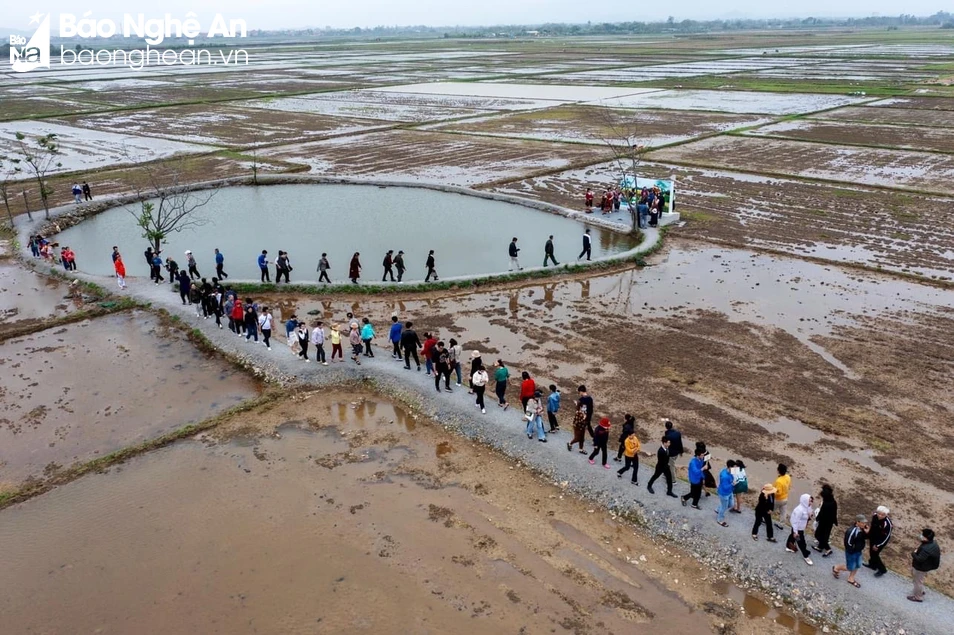



Besides watching these performances, visitors to Quynh Doi village can also visit a series of other historical sites. Perhaps few communes have as many historical and cultural relics as Quynh Doi. This small area currently boasts 8 national-level historical sites and 3 provincial-level historical sites. These include the Than Temple, the village communal house, the Ho family church, the Nguyen Trieu Co family church, the Hoang Khanh temple, the temple of Duke Ho Sy Duong, the church of Duke Ho Phi Tich, and the Duong family church. Particularly noteworthy is the National Monument complex of the church and tomb of Ho Tung Mau, a prominent revolutionary figure of the Vietnamese revolution, along with many structures associated with the events and names of people from Quynh Doi who have gone down in the nation's history, such as the memorial to the poetess Ho Xuan Huong, the memorial to the Army Hero Cu Chinh Lan, the memorial to the martyrs of 1930-1931, and the Soviet Garden.
According to Mr. Ho Sy Hung, before launching the tours, the commune had mobilized 500 million VND through social contributions to fund the decoration of historical sites and the organization of programs. In addition, the commune sent 10 people to attend a tour guide training course. After the course, only 4 met the criteria and were selected.
“All four tour guides are local residents. One is the village Party branch secretary, another is a farmer. Currently, they are not paid a salary; their income depends on tips from tourists. Initially, visitors came for free, but recently we have started charging a fee,” Mr. Hung recounted, adding that currently, each visitor who comes to see the performances and receives explanations from the tour guides only spends between 50,000 and 100,000 VND.
"Because we're just starting out in tourism, our products may still be a bit monotonous. In the future, we plan to introduce many more products. These include nighttime tourism products, such as music programs and folk songs," Mr. Hung added.
Source