

The San Chi ethnic community living in the province still preserves customs and rituals that are deeply rooted in their traditional culture. Among them, the Thuom Cuom ritual is one of the most important ceremonies in the life of a San Chi man, as it affirms his maturity and his ability to make major decisions for the family and clan.
The San Chi people have an extremely rich cultural and traditional religious life. Their conceptions of the universe, souls, humanity, and all things have existed for a long time and have been preserved to this day. Their main beliefs are ancestor worship, worship of the earth god and deities, beliefs related to the life cycle, and agricultural worship. The San Chi believe that each stage of life must be reported to ancestors and deities through rituals. To be recognized as an adult, a San Chi boy must undergo the Thuom Cuom ceremony in the presence of the villagers as an unmissable rule.
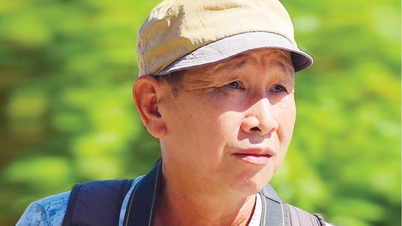
According to Mr. Tan Van Chich, a respected figure in Khuoi Chu hamlet, Thuong Ha commune (Bao Lac district): The Thuom Cuom ceremony has been passed down from generation to generation by the San Chi people, marking the coming of age of a San Chi son. From the moment he receives the seal of his name, the son is recognized as having sufficient responsibility and ability to make important decisions for the family and clan.
The Thuổm Cuổm ceremony, also known as the coming-of-age ceremony for men (usually boys aged 12-16), is a mandatory ritual for those considered adults. The ceremony typically lasts three days, with offerings including rice, pork, wine, and chicken. During the ceremony, all attendees must observe a vegetarian diet and refrain from killing animals. Shamans recite ten vows, ten oaths, and ten prohibitions to the initiate, such as: not to live dishonestly, not to insult one's parents, etc., all aimed at guiding the initiate to live a virtuous and beneficial life for society. The main day of the ceremony is when the host invites villagers and people from neighboring hamlets to a celebratory feast.
For the ceremony to proceed smoothly, 2-3 shamans are needed to assist during the ceremonial days. The chosen shaman must be compatible in age with the person being honored, and may be from the same village or a close relative. The initiation ceremony is held continuously day and night, comprising many different major and minor rituals: setting up the five-tiered altar, the indoor altar, the presentation, lighting and lowering the lamps, the handing over of the spirit soldiers, the naming ceremony for the spirits, the red thread ceremony, the visit to the heavenly court, and the presentation to the Jade Emperor...
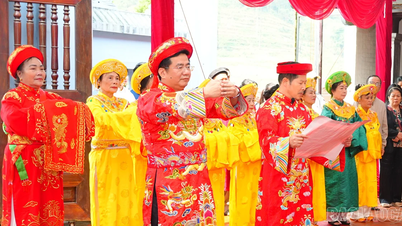
The Thuổm Cuổm ceremony begins with the sound of gongs, symbolizing the sun, and drums, representing the moon. The person receiving the ceremony sits in the main hall in front of the altar inside the house; the shamans begin to perform ritual dances to report to their ancestors and lineage. After the ancestral reporting ritual, the shamans and the person receiving the ceremony begin the ritual of dressing in ceremonial attire. The shamans' attire is clearly distinguished by color, each color corresponding to their rank. The chief shaman, the highest-ranking, wears yellow ceremonial attire; the first assistant shaman, of lower rank, wears red; and the second assistant shaman, of the lowest rank, wears blue.
After completing the rituals inside the house, the priests hold incense and present it to the altar, asking permission for the person being honored to go outside to the Ngù Đài altar to perform the birth ceremony. The Ngù Đài altar is set up outdoors on a large plot of land, made of wood, and more than 2 meters high. The Ngù Đài symbolizes the back of a dragon; the person being honored sits on the altar, meaning they are sitting on the dragon's back to be born into the world.
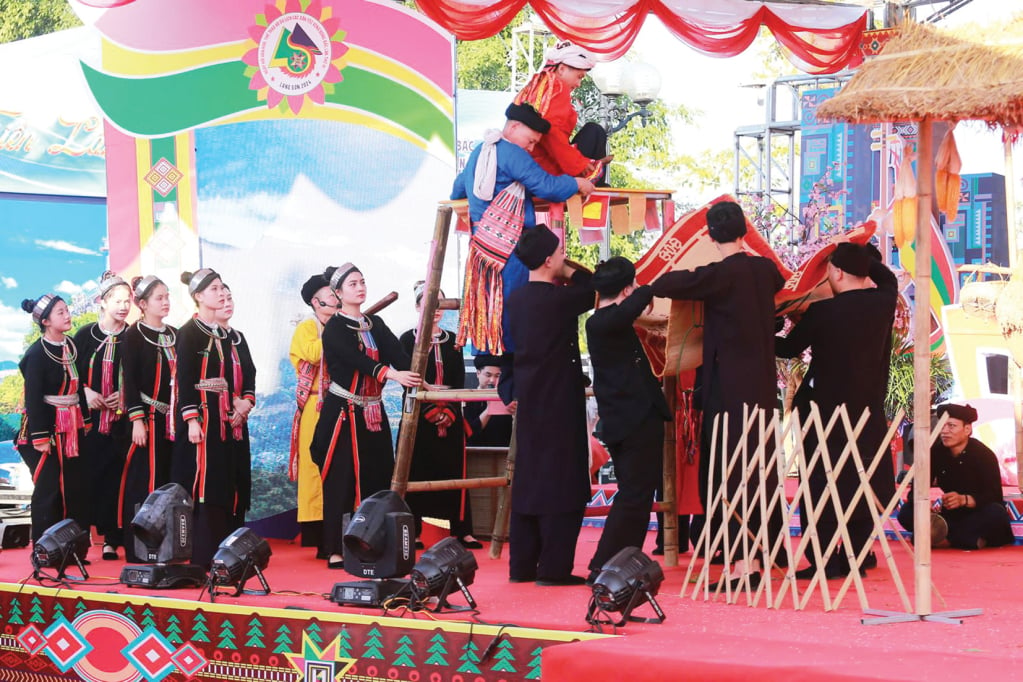
The platform symbolizes the back of a dragon; the person receiving the ceremony sits on the platform, meaning they are sitting on the dragon's back as they descend to earth.
The person receiving the ritual ascends the altar, looking up at the sky, then turning in different directions before sitting down with their face towards the west and their back to the east. Below, the shamans and young men of the village stretch out a hammock lined with a blanket, so that when the person receiving the ritual falls, the blanket acts as a support and wraps them up. The person falling into the hammock is immediately wrapped tightly, the netting enveloping them like a fetus. Drums and gongs beat continuously, celebrating the person's descent from heaven to earth. The bowl of water placed on the hammock is then poured out by the shaman after a ritual, and the hammock and blanket are uncovered. The shaman will then check if the fingers and toes are still tightly together.
Next, the recipient sits up, and the head shaman feeds them a bowl of rice. This symbolizes the child being cared for by the shaman, fed well, clothed, and growing up to be a mature adult. After the ceremony, the recipient is taken home to thank their ancestors and is recognized as a mature man, living responsibly, honestly, filial to his parents, hardworking, harmonious with his siblings, and helping those less fortunate. Afterwards, the shaman and the recipient change into their everyday clothes and share a celebratory meal with the family.
After the ceremony, the family of the person receiving the blessing holds a feast for the village to express gratitude to their relatives and neighbors who helped and witnessed the growth of their children and grandchildren, and to share in the family's joy with traditional San Chi dishes.
The coming-of-age ceremony is a very unique ritual of the San Chi ethnic community, embodying profound educational concepts and life philosophies aimed at guiding descendants towards truth, goodness, and beauty. Currently, the Thuom Cuon ceremony is still preserved and maintained, contributing to the preservation of the ethnic group's cultural identity.
Thanh Binh/ Cao Bang Newspaper
Source: https://baophutho.vn/le-thuom-cuon-cua-nguoi-san-chi-228066.htm









![[Photo] General Secretary and President To Lam presents appointment decisions to Supreme People's Court Judges and Deputy Chief Justices.](https://vphoto.vietnam.vn/thumb/402x226/vietnam/resource/IMAGE/2026/04/09/1775731918158_ndo_br_1-317-jpg.webp)













































Comment (0)