

Having been involved with orange cultivation in Luc Yen for many years, Mr. Mai Thanh Tung understands the ups and downs of this crop, once considered a highly profitable local crop. According to him, oranges bring significant economic value, but also pose many risks if growers prioritize quantity over long-term planning. "I have personally witnessed many households being very enthusiastic about orange cultivation in the first few seasons, but then the trees quickly deteriorated, became heavily infested with pests and diseases, and some orchards had to be completely cut down. That was a very costly lesson," Mr. Tung shared.
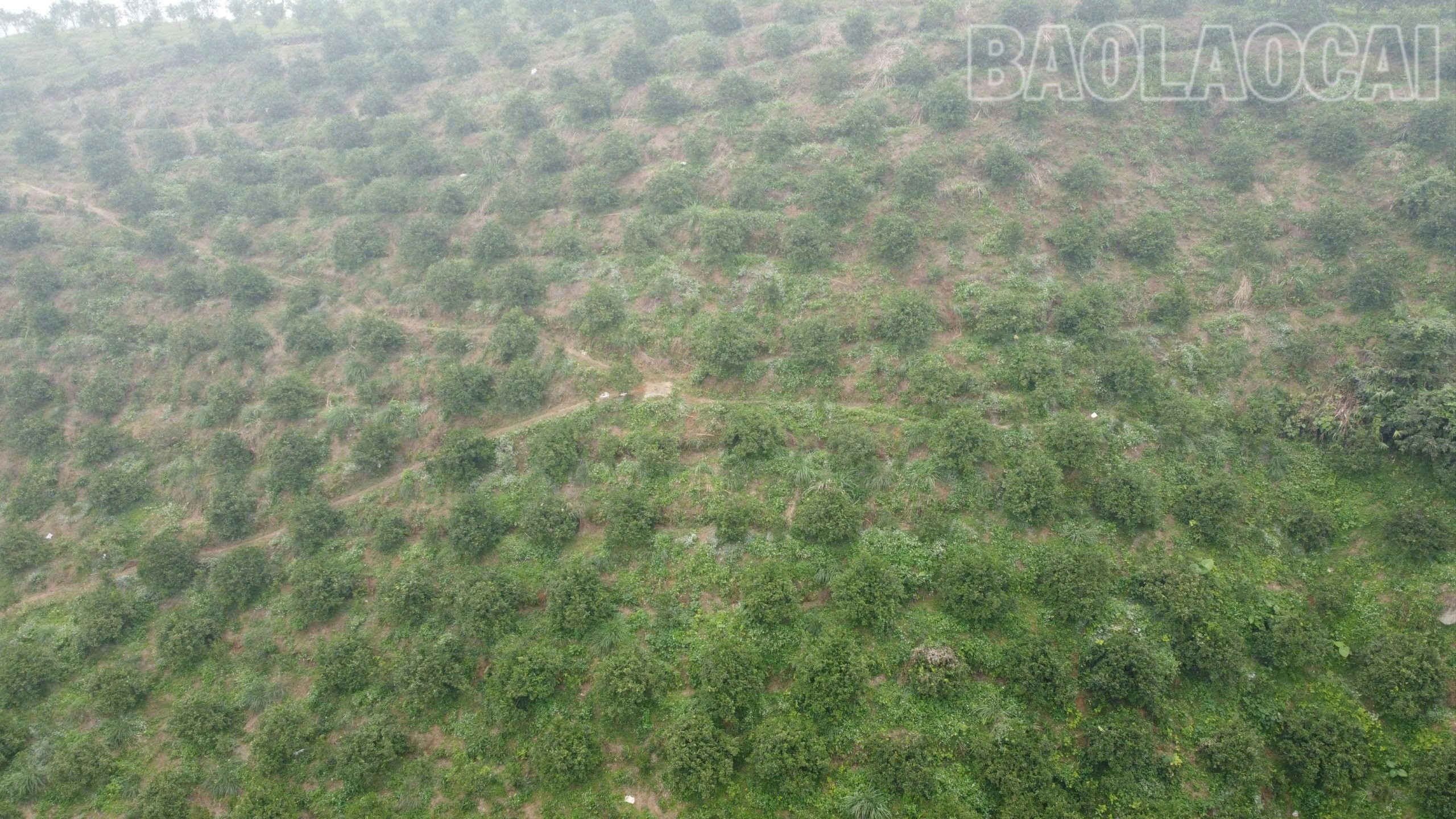
Based on that reality, in 2013, right when expanding his orchard, Mr. Mai Thanh Tung chose to pursue safe production according to VietGAP standards. According to him, this path requires more effort and higher initial costs, but in return, the plants are healthier, the soil is not degraded, and the economic efficiency is stable and sustainable. "Sustainable orange farming cannot be rushed. You have to take care of the soil and the roots so that the trees can bear fruit for a long time," Mr. Tung emphasized.
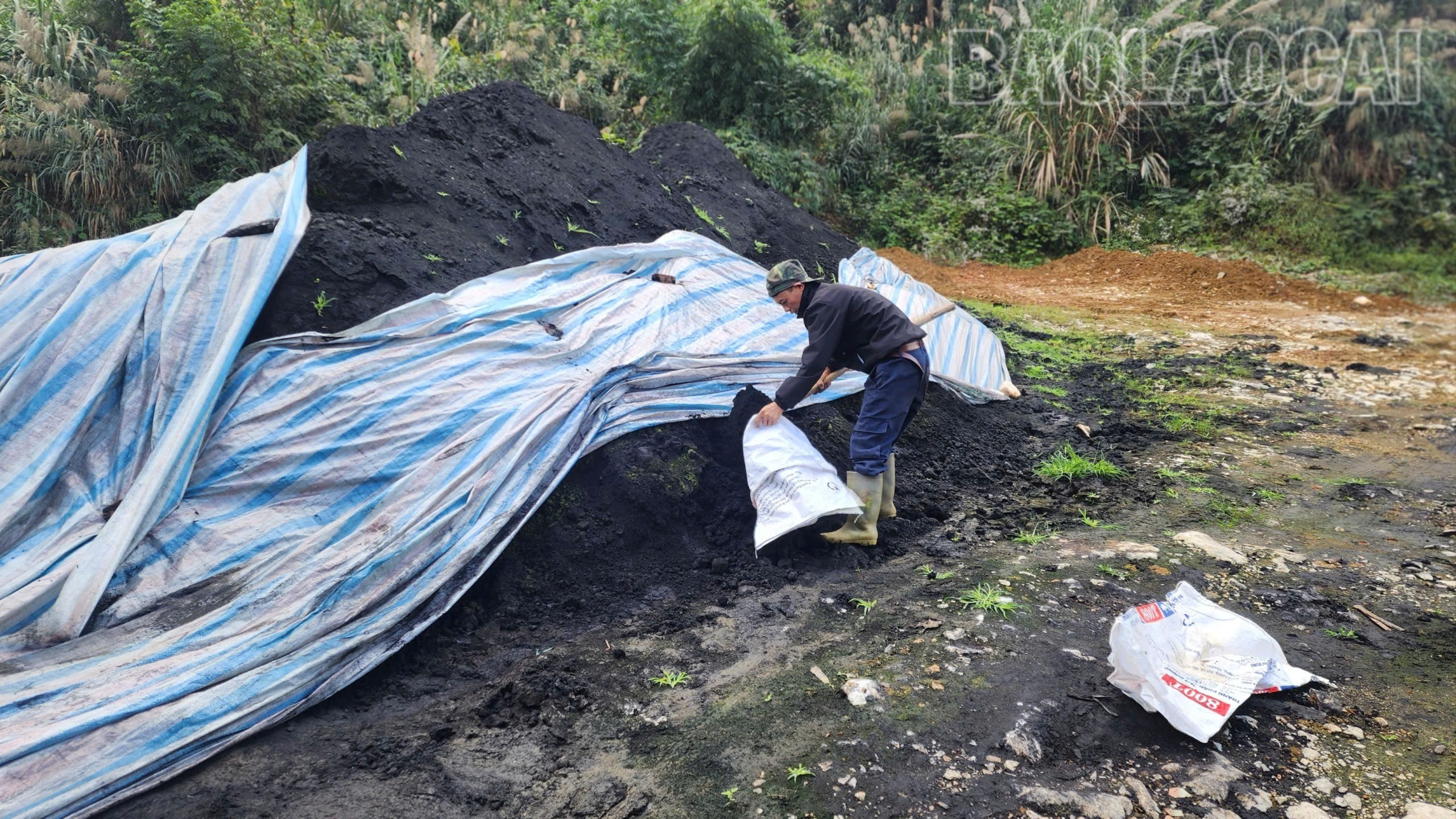
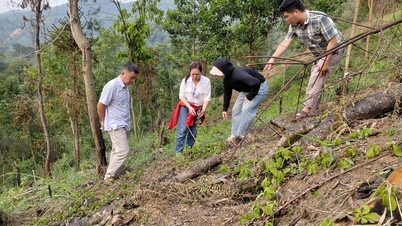
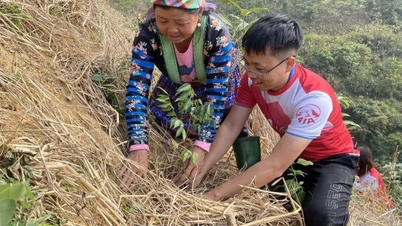
Currently, nearly 200 hectares of his family's orange orchards are systematically planned and divided into production zones. The entire area uses organic fertilizers and biological products to improve soil quality, increase humus content, and limit the use of chemical fertilizers. The irrigation system is well-invested, ensuring appropriate water supply for each stage of the tree's growth.
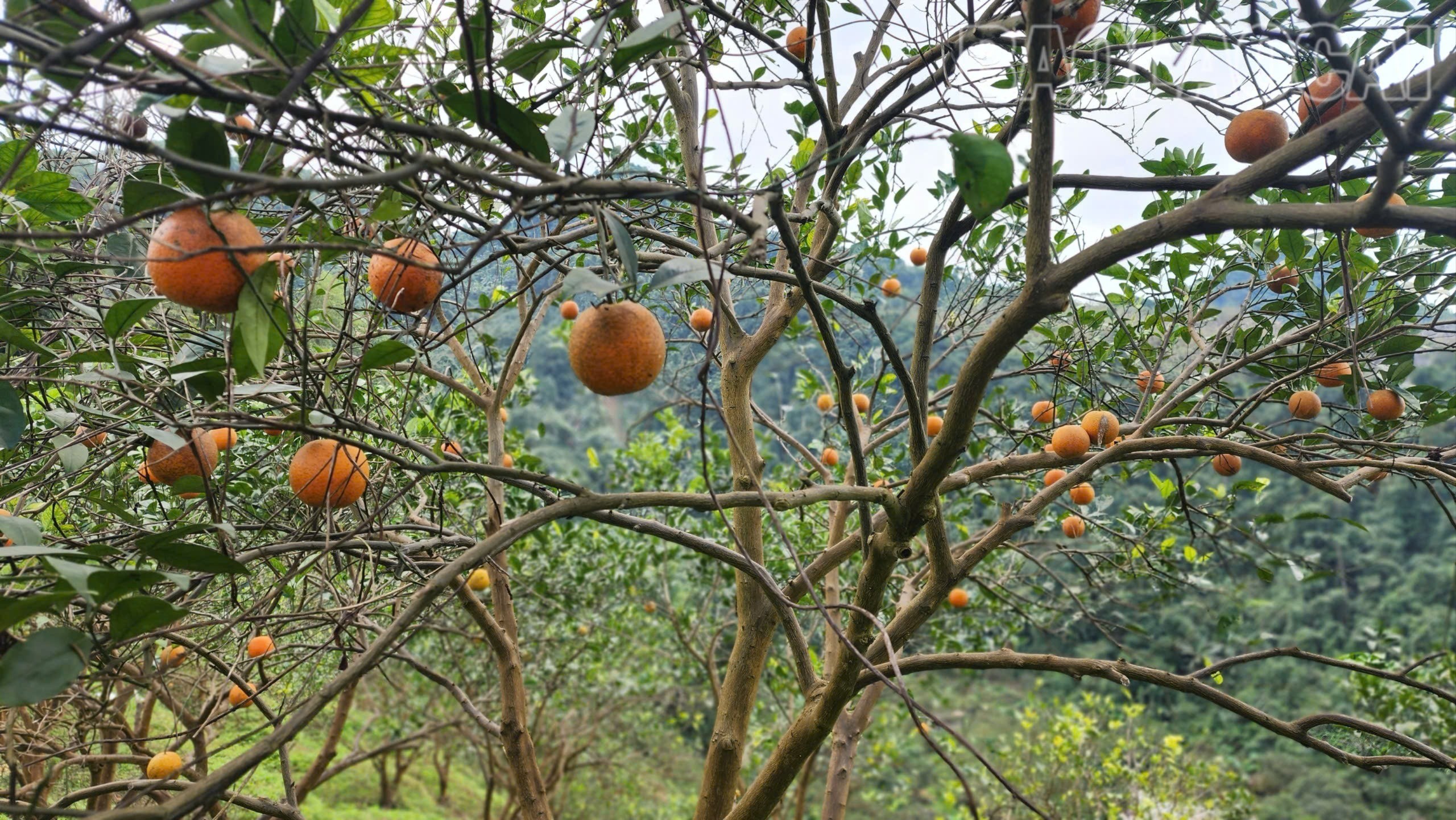
To control pests and diseases, Mr. Tung prioritizes biological methods and regularly monitors his orchard to detect outbreaks early. He only uses pesticides when necessary and strictly adheres to VietGAP procedures. As a result, his orange orchard grows uniformly, the rate of diseased trees is low, and the fruit quality is consistent.
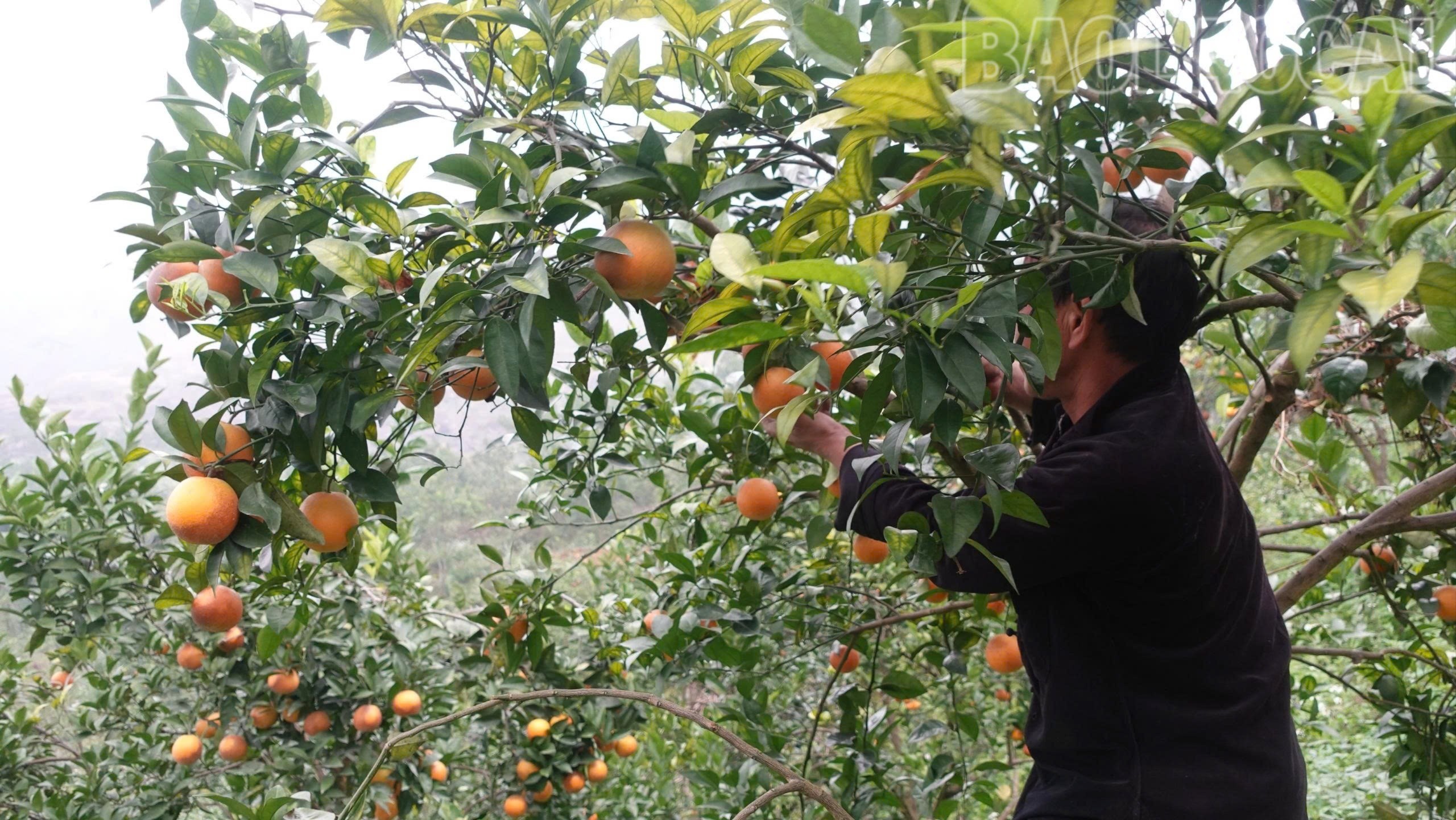
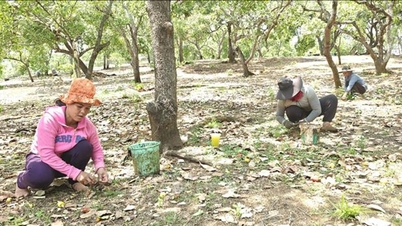
Having worked in the orange orchard for many years, Ban Van Thong, a worker caring for the orange trees at the farm, said that fertilization and pesticide application are strictly regulated and recorded in a detailed logbook for each plot of oranges.
"The gardens are mainly fertilized with organic fertilizers, and the plants are monitored regularly. The work is harder, but the plants are healthier, and the workers feel more secure because they have less contact with chemicals," Mr. Thong shared.
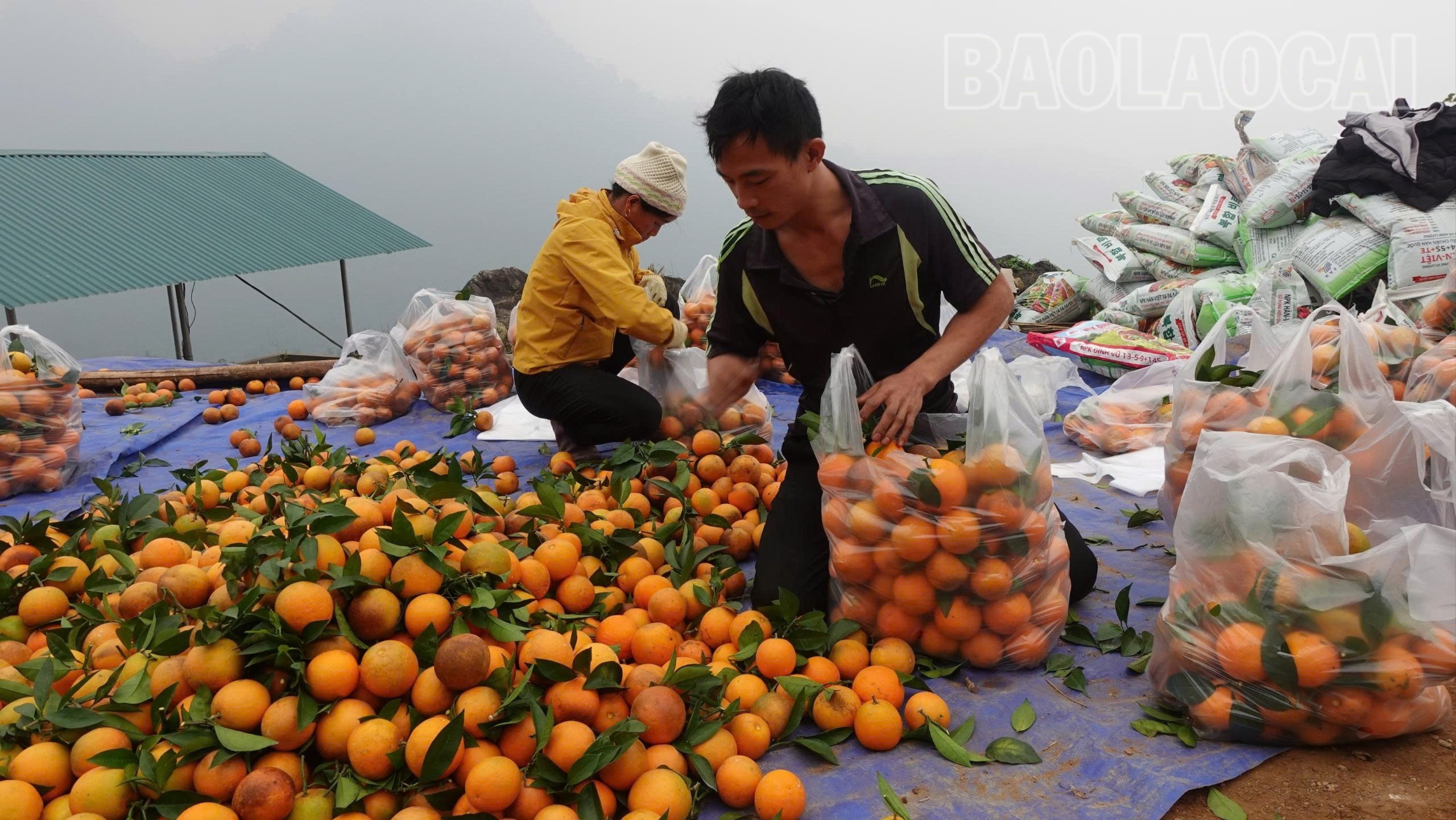
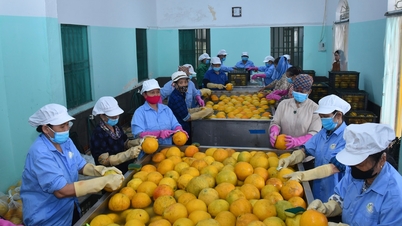
Along with a systematic care process, workers at Mr. Tung's orange farm receive specific guidance at every stage, from fertilizing and pruning to harvesting. As a result, the yield and quality of oranges are constantly improving, the output is stable, and workers have regular employment with a stable income.
To date, nearly 200 hectares of oranges owned by Mr. Mai Thanh Tung are growing and developing sustainably. Each year, this area yields an average of over 700 tons, with an average selling price of approximately 20,000 VND/kg, generating revenue of over 14 billion VND. The model also provides regular employment for 40 local workers.
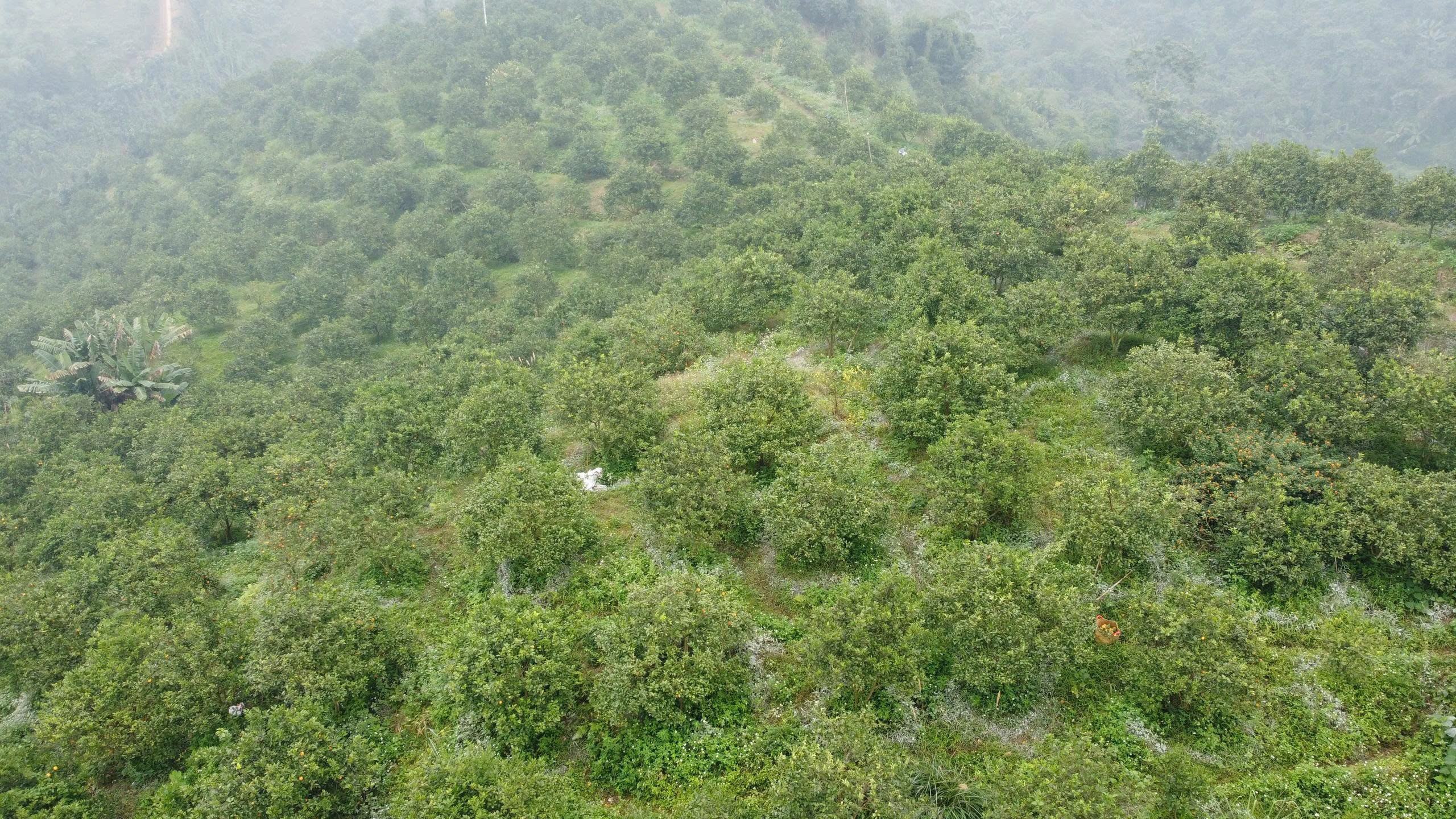
Commenting on this model, Mr. Tang Ket Du – Vice Chairman of the People's Committee of Luc Yen commune, affirmed: The orange cultivation model following VietGAP standards by Mr. Mai Thanh Tung is a typical model in the commune. Not only does it bring high economic efficiency, but the model also contributes to changing the production mindset of the people towards safe and sustainable agriculture.
According to the leaders of Luc Yen commune, in the coming time, the locality will continue to encourage and expand agricultural production models according to VietGAP standards. Among them, the orange cultivation model of Mr. Mai Thanh Tung is considered a clear example of a direction suitable for the current requirements of agricultural development.
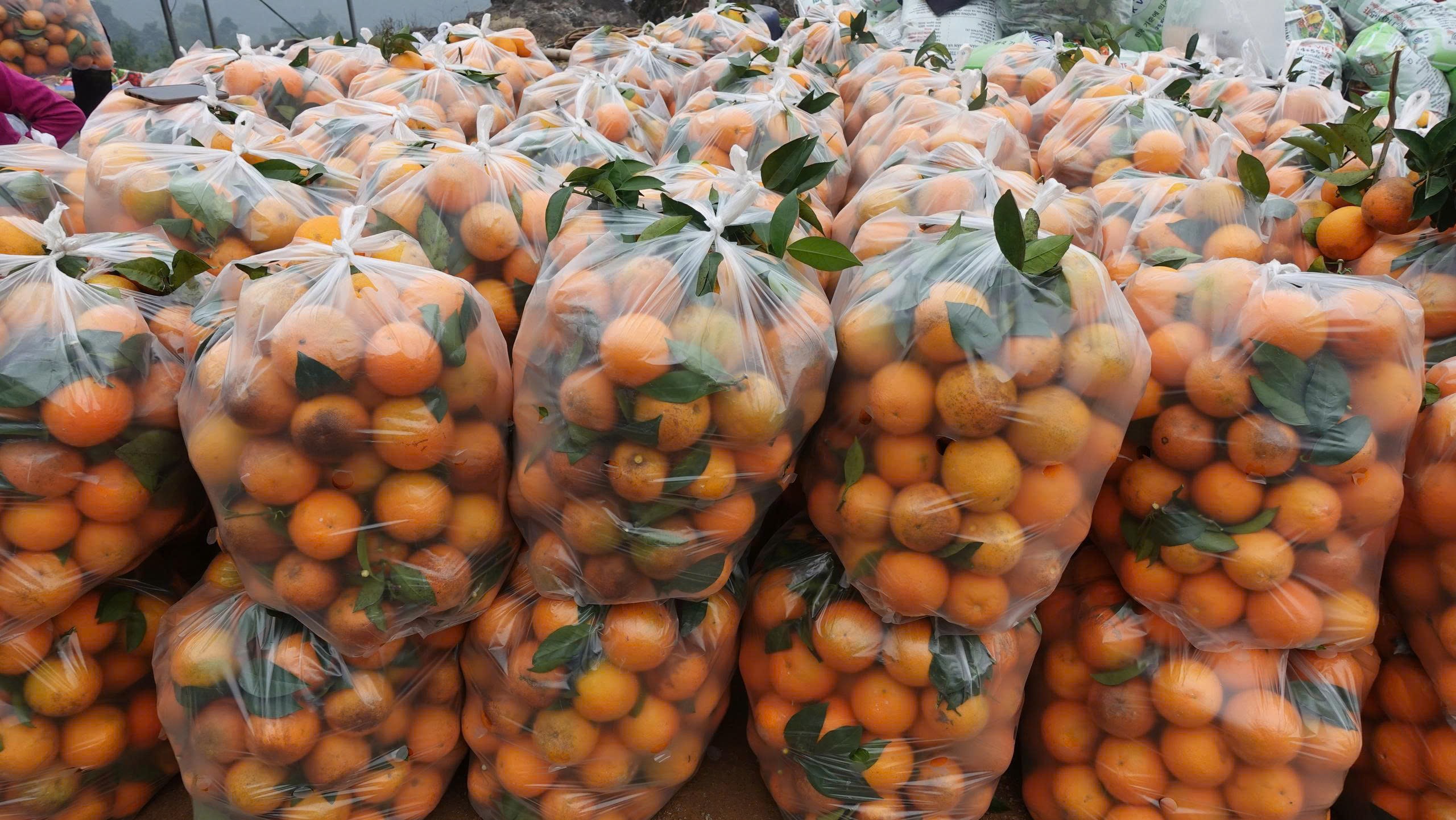
This model demonstrates that only when production is linked to environmental protection, plant health, and consumer safety can agriculture develop sustainably and bring long-term economic value to farmers.
Source: https://baolaocai.vn/mo-hinh-canh-tac-cam-ben-vung-post891078.html



![[Photo] Conference on the transfer and reception of Party organizations and Party members between the Party Committee of the Government and the Party Committees of the Central Party Agencies](https://vphoto.vietnam.vn/thumb/1200x675/vietnam/resource/IMAGE/2026/04/01/1775036784472_ndo_br_bnd-2620-jpg.webp)
![[Photo] Conference announcing the Politburo's Decision on organizational and personnel matters](https://vphoto.vietnam.vn/thumb/1200x675/vietnam/resource/IMAGE/2026/04/01/1775017881825_bnd-2410-1472-jpg.webp)















































Comment (0)