

Construction workers are scarce.
The last few months of the year are typically considered the peak season for the construction industry, as demand for completing residential housing and public investment projects surges. People are eager to settle into their new homes in time for the New Year, and projects are racing against time to meet their annual targets. However, construction activity is slowing down due to a prolonged shortage of construction labor.
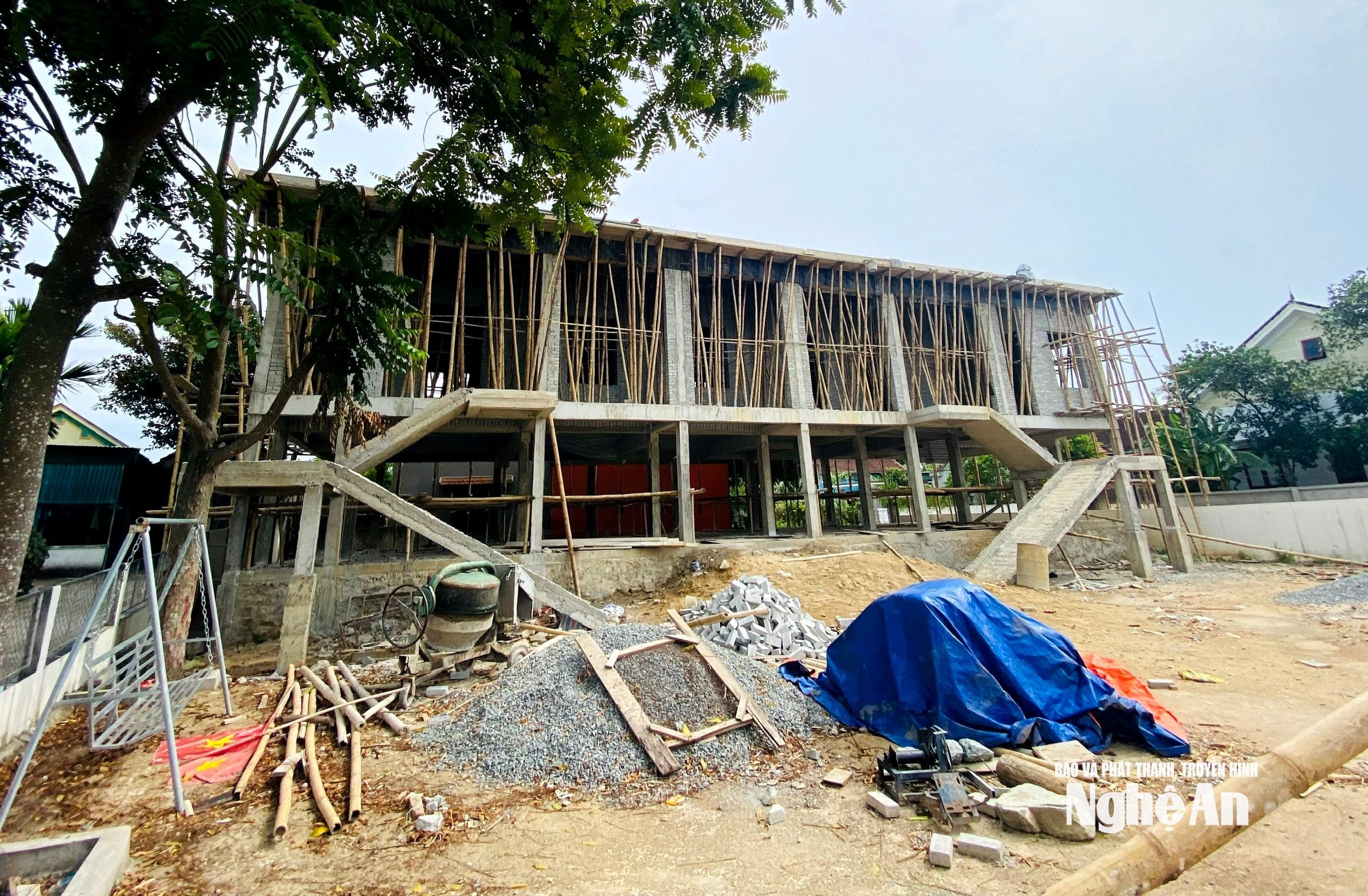
Ms. Dao Thi Ngoc, residing in Truong Vinh ward, stated that her family is building a three-story house with a total floor area of approximately 180 m². Construction began on June 8th and was expected to be completed within five months so they could move in before Tet (Lunar New Year). However, after nearly seven months, the construction is still incomplete, with the rough structure not yet finished, significantly behind schedule.
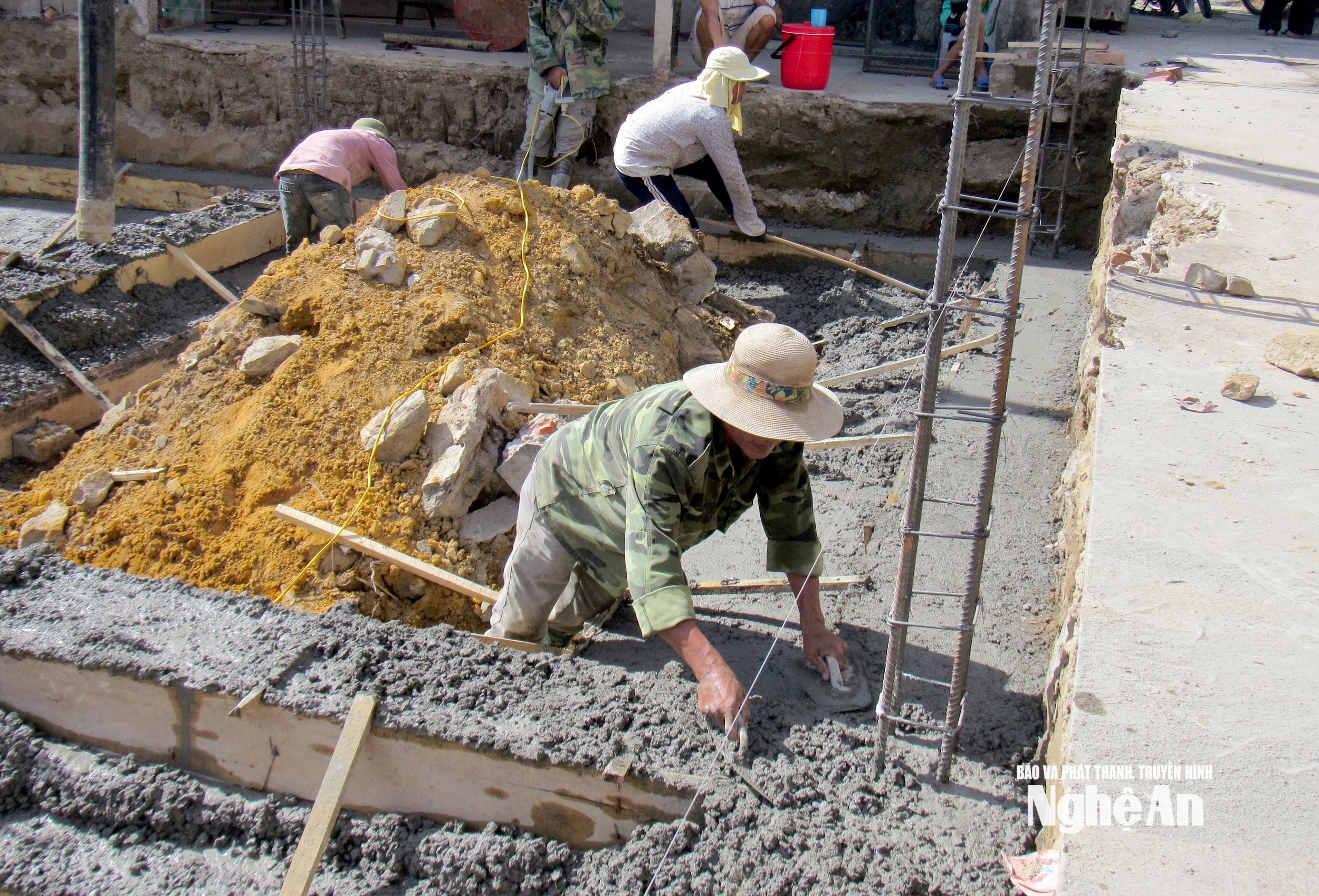
According to Ms. Ngoc, the main reason is not a lack of capital or materials, but the inability to ensure a consistent workforce for construction. The contractor is taking on multiple projects simultaneously, so they can only deploy a small number of workers each day. At times, there are only a few people working on the site, and some days there are no workers at all, causing constant interruptions to the construction. "The longer the house takes to build, the higher the costs become, while Tet (Lunar New Year) is getting closer. With the current pace, it's very difficult to move into the new house before Tet," Ms. Ngoc shared.
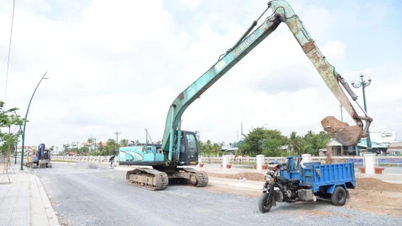
The shortage of laborers is not only prevalent in urban areas but also in many rural regions. In Minh Chau commune, it's easy to find unfinished houses, with the basic structure completed and materials stockpiled, but subsequent construction work is delayed due to a lack of workers. Machinery is brought to the construction site but spends most of its time idle.
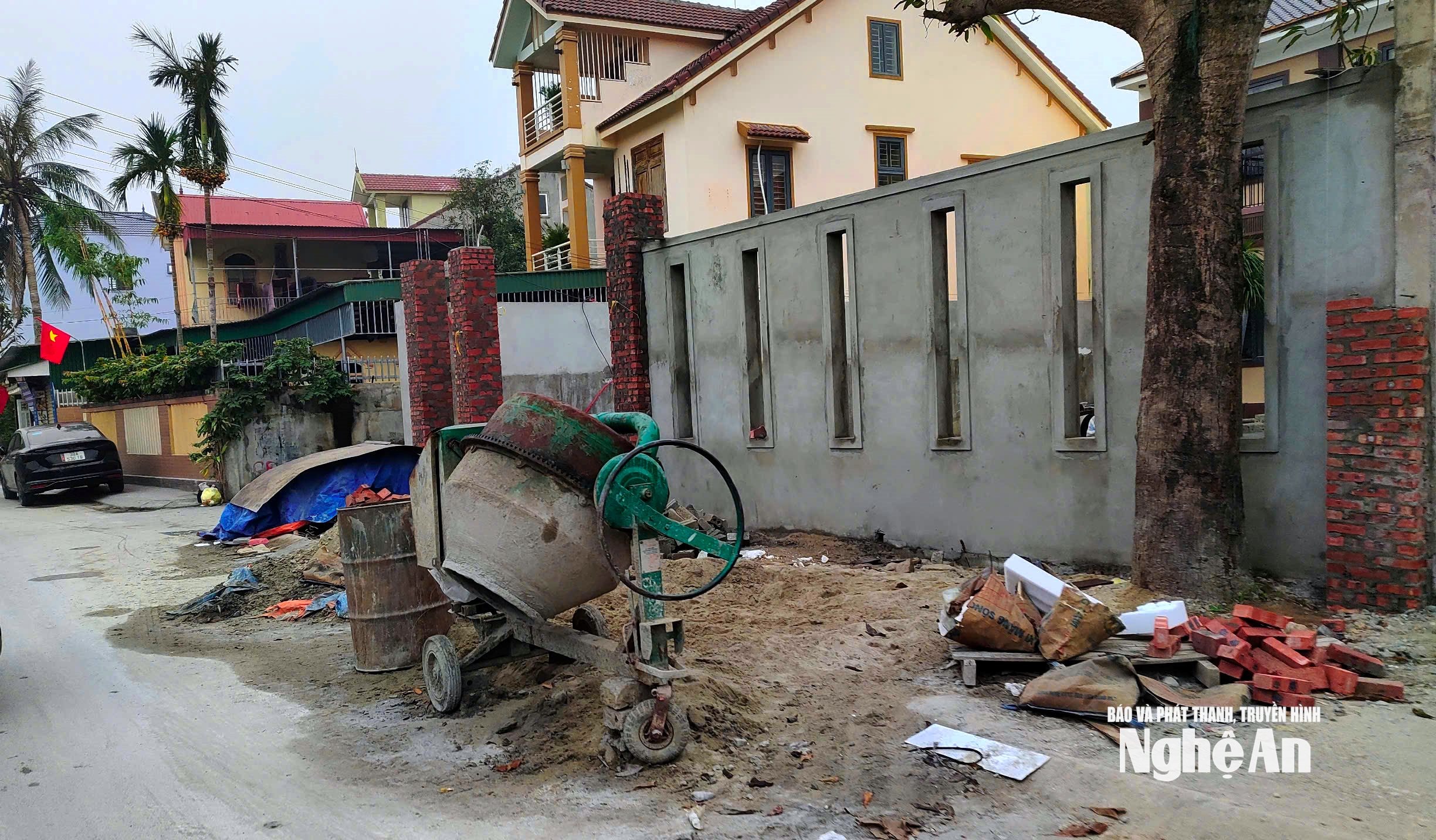
Mr. Pham Van Loi, a local resident currently building a house, said his family planned to complete the construction before Tet (Lunar New Year) to settle down. However, due to a shortage of workers, the plan has been constantly disrupted. “The contractor announced that they don’t have enough manpower; they can only assign 2-3 people each day, and some weeks there’s almost no construction. The prolonged construction is incurring additional costs, leaving my family constantly anxious,” Mr. Loi said.
Construction contractors are also not hiding the pressure during the peak period at the end of the year, especially after the storm, when the demand for home repairs and restoration increases sharply. Mr. Nguyen Minh Quang, a contractor, said that although he receives a lot of projects, he is forced to limit accepting new work. "It's not a lack of work, but a shortage of people. If I take on more projects without workers, it's very easy to fall behind schedule and affect my reputation. Currently, my team only has just over 10 people, while the workload at the end of the year has increased significantly," Mr. Quang said.
Find ways to adapt
According to experienced construction workers, the shortage of construction workers in Nghe An has emerged in recent years. One of the fundamental reasons is that young people in rural areas are increasingly moving away from the construction industry. After finishing high school, most young people choose to work abroad or in industrial zones and factories, where they can earn a more stable income, work in a more enclosed environment, be less dependent on weather conditions, and have clear welfare benefits.
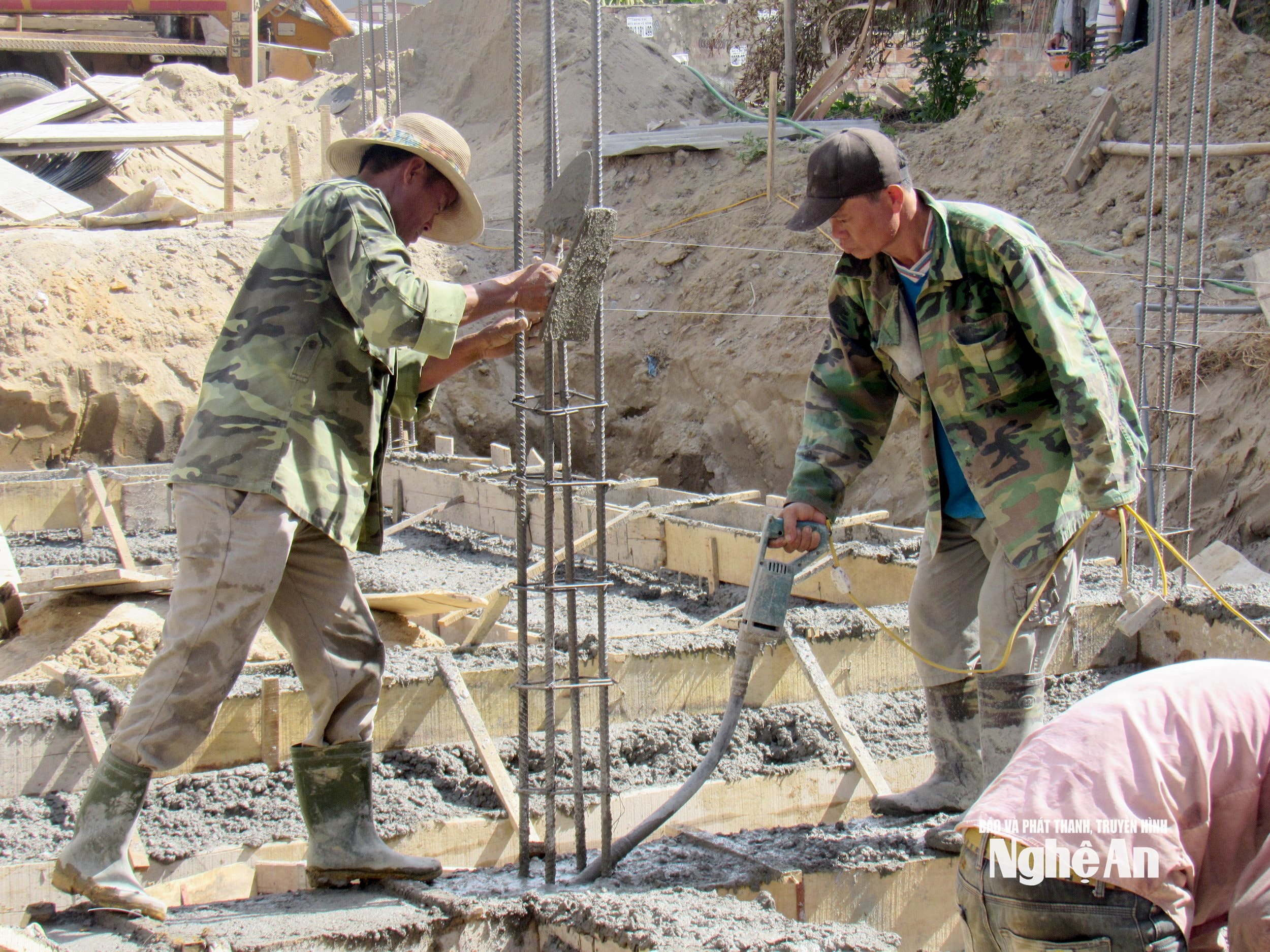
On construction sites today, it's easy to see that most construction workers are middle-aged or older. Very few young people choose to become construction workers.
The physically demanding nature of the work and the inherent safety risks are major obstacles. Meanwhile, the simultaneous implementation of numerous public investment projects at the end of the year also leads to a "division" of the construction workforce. Large projects, which can guarantee stable employment and income, usually attract the majority of skilled workers, while smaller projects and residential housing face more difficulties in recruiting manpower.
To cope with the labor shortage, many construction contractors have been forced to proactively change their working methods. Mr. Dinh Bat Long, the owner of a construction contracting team, shared: "At the end of the year, the number of projects is one and a half times higher than usual, but we only have a little over a dozen people left. If we don't flexibly coordinate and assign workers to support each other, it's very difficult to maintain progress, especially for public works projects that need to be completed urgently."
According to Mr. Long, in addition to increasing wages, contractors now need to commit to stable employment, fair payments, and adequate food and accommodation to retain workers. "High wages are not enough if work is inconsistent and the construction site lacks safety; workers won't be enthusiastic," Mr. Long said.
From a worker's perspective, Le Van Hoa, a construction worker with over 15 years of experience in Dong Loc commune, believes that while current incomes are quite good, the construction profession still carries many risks. "Working at heights is strenuous, and even a slight mistake can lead to an accident. If there were clear contracts, insurance coverage, and adequate protective equipment, we would feel secure and be able to stay in the profession for the long term," Hoa shared.
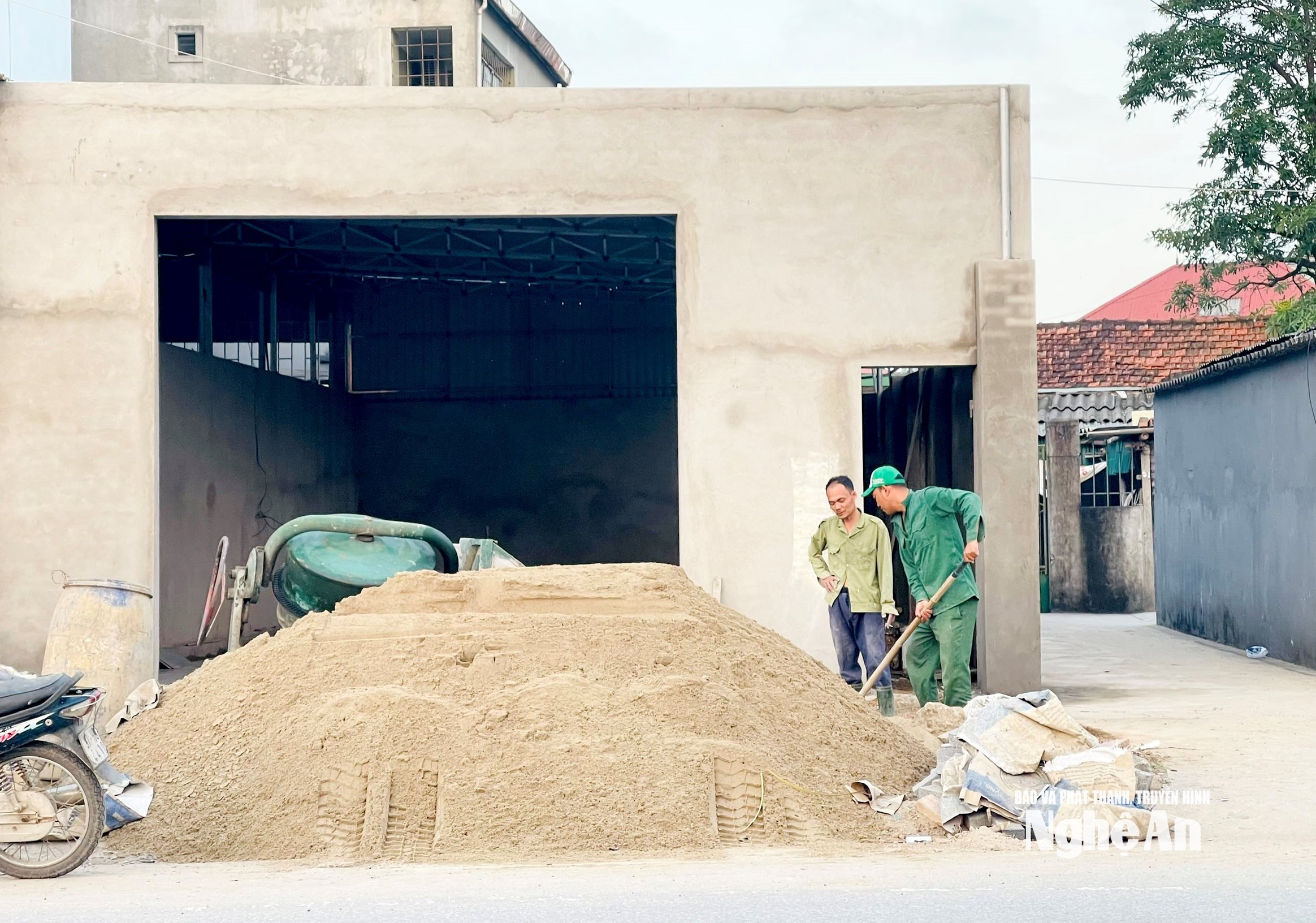
Faced with this reality, many contractors have increased investment in machinery and construction equipment to reduce manual labor and improve working conditions on construction sites. Some contractors said that mechanization not only helps speed up progress but also reduces physical strain on workers, especially during the peak period at the end of the year.
However, current solutions are only short-term. In the long term, the civil construction industry needs to be more systematically organized, from forming legally recognized teams and labor contracts to ensuring safety, insurance, and basic rights for workers... Only then will it attract workers to stay committed to this unique profession.
Source: https://baonghean.vn/moi-mat-tim-tho-xay-10317908.html

![[Image] "Journey of Hope" promotes the organ and tissue donation movement in Vietnam.](https://vphoto.vietnam.vn/thumb/1200x675/vietnam/resource/IMAGE/2026/05/20/1779294400833_1-8910-jpg.webp)
![[Photo] National Assembly Chairman Tran Thanh Man working with the Standing Committee of the National Assembly's Delegation Affairs Committee.](https://vphoto.vietnam.vn/thumb/1200x675/vietnam/resource/IMAGE/2026/05/20/1779294340023_ndo_br_1-1691-jpg.webp)

![[Photo] General Secretary and President To Lam works with the Party Committee of the Ministry of Health on the work of Vietnamese traditional medicine.](https://vphoto.vietnam.vn/thumb/1200x675/vietnam/resource/IMAGE/2026/05/20/1779294323718_a1-bnd-2978-3319-jpg.webp)


























































































Comment (0)