

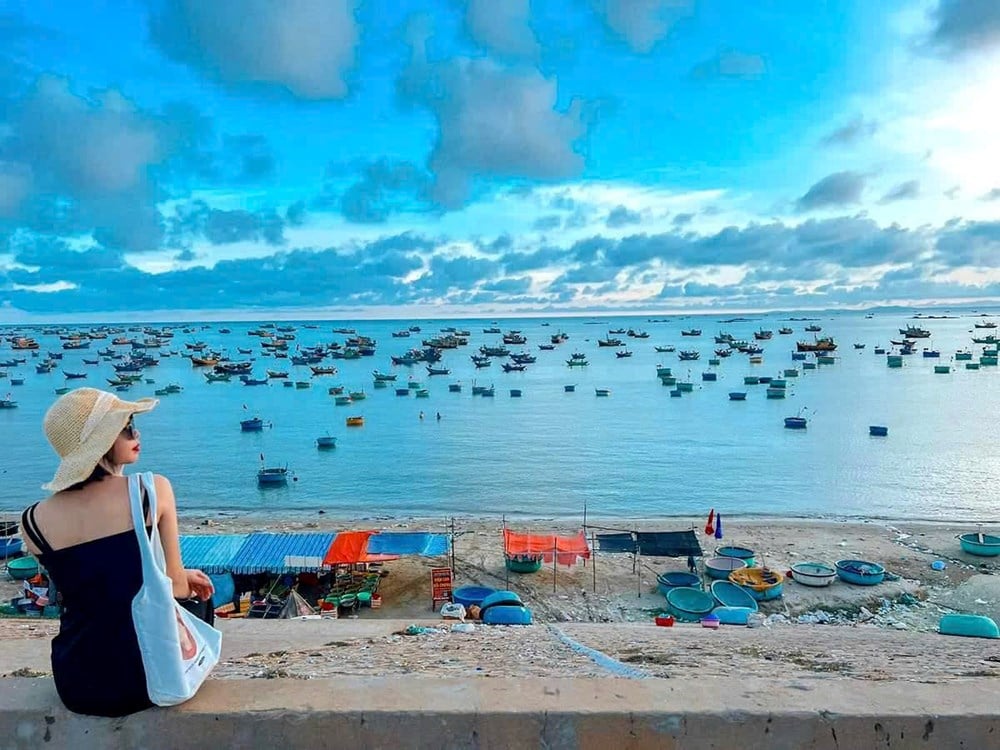
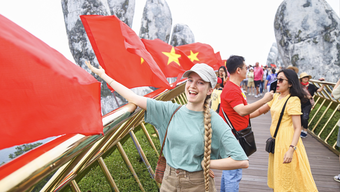
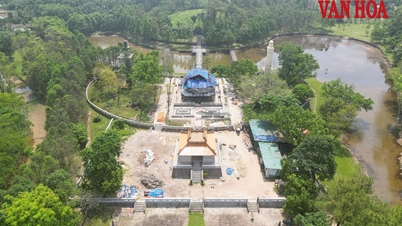
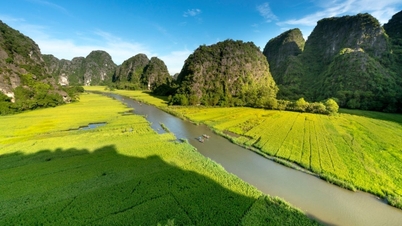
From the magnificent Sa Pa shrouded in white clouds to the sun-drenched Mui Ne, from the sacred Hung Temple, the cradle of the nation, to the dreamy Tuyen Lam Lake, each National Tourist Area not only possesses natural and historical value but also embodies the profound cultural depth of Vietnam.
Lack of a unified framework
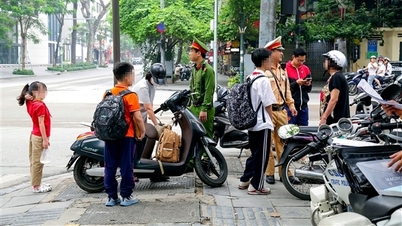
However, alongside advancements in infrastructure and tourism products, a challenge remains: the cultural environment is not yet truly stable and attractive. In many destinations, harassment, price gouging, littering in public places, and unfriendly behavior still occur, tarnishing the image of the destination. In the context of Vietnam's goal of becoming a leading regional tourism hub, building a cultural environment in national tourist areas is not only an urgent requirement but also a fundamental strategy for sustainable development.
The current state of the cultural environment in some national tourist areas presents a mixed picture. Sa Pa (Lao Cai), after being recognized as a national tourist area, has witnessed a surge in visitors. However, the pressure on infrastructure has not kept pace, and urban waste and chaotic traffic have left tourists exhausted. Many travel businesses report that aggressive sales tactics and a lack of transparency in pricing still deter international tourists. Tourism expert Tran Minh Duc commented: "Sa Pa has the potential to rival famous destinations around the world , but if the cultural environment is not well controlled, its attractiveness will quickly diminish."
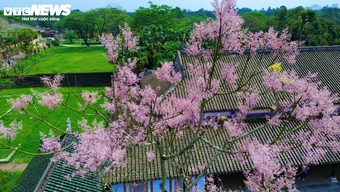
Tam Dao ( Phu Tho province), with its misty beauty and cool climate, has become a popular weekend getaway for tens of thousands of tourists. However, the lack of a dedicated management board makes managing the destination difficult during peak season; street vendors, aggressive photo-taking, and environmental hygiene are still prevalent. A representative from a travel agency shared: "Tam Dao is truly attractive, but sometimes we hesitate to bring tourists there because we worry about the crowds and noise ruining the tourist experience." In recent years, many houses and plots of land have been abandoned, leaving some corners of Tam Dao desolate and eerie. Some structures are severely dilapidated or unfinished, showing that uncontrolled, spontaneous development has damaged the overall architecture.
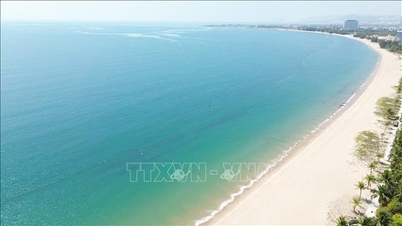
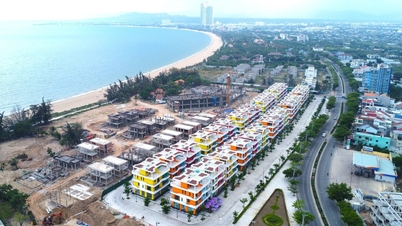
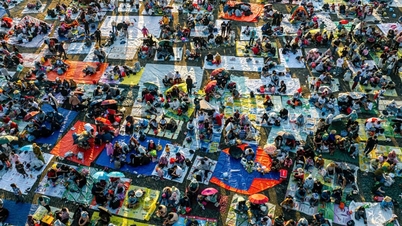
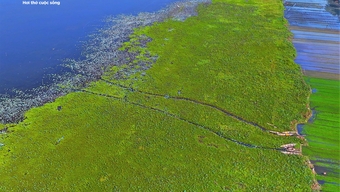
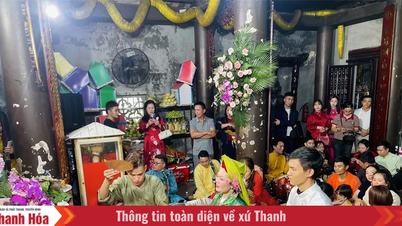
In the South, the Mount Sam National Tourist Area (An Giang) is famous for the Via Ba Chua Xu festival, but it still lacks a comprehensive management regulation. Many tourists have complained about price gouging during the festival season. A cultural expert from the Mekong Delta frankly shared: "Religion is sacred belief, but if the environment and behavior are not up to standard, the sacred image can easily be commercialized." Mui Ne (Lam Dong), considered the "resort capital" of the country, is asserting its appeal thanks to the new highway and the airport soon to be operational. However, the boom in accommodation facilities has led to environmental pressure. The issue of coastal waste and sand erosion has caused many international tourists to express concern. Similarly, Tuyen Lam Lake (Lam Dong), with its beautiful lake and pine forest creating an ideal resort space, is facing some of its pristine beauty due to the uncontrolled development of services and encroachment on forest land. Overall, it is evident that national tourist destinations still lack a unified "cultural framework." While there are many products, they lack refinement, and while there are many services, they lack professionalism. This directly impacts tourist impressions and diminishes brand value.
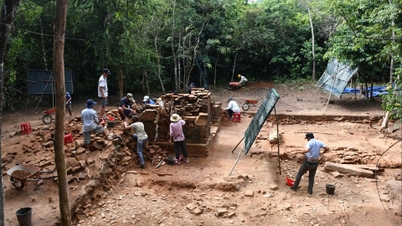
Mr. Nguyen Quy Phuong (Vietnam National Tourism Administration) stated: “Currently, there are no specific legal regulations regarding the cultural environment in the tourism sector. Meanwhile, the cultural environment in national tourist areas will have a significant impact on tourists' choice of destination, contributing to building an image and brand in the minds of tourists about the destination.” A good cultural environment will create unique tourism experiences and a safe space for tourists, promoting the preservation and promotion of local cultural values. A good cultural environment can help stimulate local businesses and increase income for the community, ensuring that historical and cultural relics are preserved and managed sustainably.
Completing the legal framework for destinations.
To address these shortcomings, many tourism and cultural experts have proposed a series of feasible solutions. A legally binding regulation for managing national tourist areas is needed, specifically defining the cultural environment: from the responsibilities of the government and the role of businesses to the rights of the community and the obligations of tourists. This would serve as a foundation for addressing issues such as harassment, fraud, and uncivilized behavior.
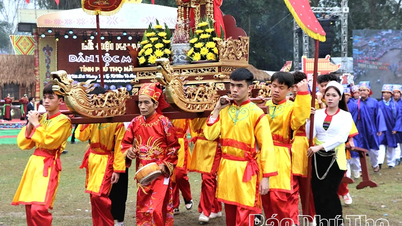
The set of cultural environment criteria for National Tourist Areas needs to be adopted and applied soon, including: Cultural institutions and landscapes: synchronized, harmonious, and preserving identity; Preservation of customs and traditions: tourism linked to heritage, festivals, and local culture; Code of civilized conduct: applied at the destination, from management staff to the people; Cultural products and services: encouraging creativity but respecting identity; Specific criteria: emphasizing the unique characteristics of each National Tourist Area to avoid homogenization. The people are the "subjects" of the cultural environment. Mechanisms need to be created for the community to participate in management, service provision, and promotion. When people benefit, they will preserve and spread culture as a source of pride. Travel businesses also believe that skills and service attitudes determine the customer experience. Therefore, tourism workforce training must focus on cultural awareness, hospitality, and professionalism.
The application of technology (surveillance cameras, online feedback portals, digital tourist cards) combined with green tourism standards will help manage effectively while building an environmentally friendly image. Beyond promoting beautiful scenery, communication campaigns should also honor the standards of conduct and the distinctive cultural values of each destination. This is a sustainable way to enhance the position of national tourist destinations on the world tourism map. Each national tourist destination is a "mirror" reflecting the image of the country. When Sa Pa is pristine, Tam Dao is orderly, Mount Sam is civilized, Mui Ne is clean and beautiful, Tuyen Lam Lake is unspoiled, Hung Temple is solemn, and Tra Co is rich in cultural identity, then Vietnamese tourism will shine in the eyes of the international community.
Building a cultural environment is not something that can be done overnight, but rather a persistent process requiring the joint efforts of the State, businesses, the community, and tourists. Only when culture is considered the "golden key" can national tourist destinations become a golden highlight on the tourism map, contributing to making Vietnam a civilized, sustainable, and attractive destination.
An Giang builds a culture of public spaces and spreads positive actions.
Public etiquette reflects not only understanding but also a sense of responsibility towards the community. In An Giang, the development of civilized lifestyles and cultured behavior is being actively promoted by all levels of government and localities, linked to various movements and campaigns in schools, families, and society.
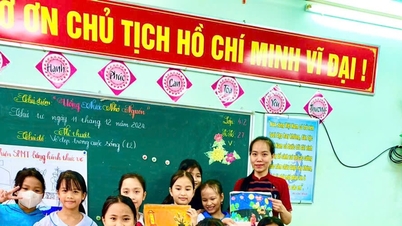
Simple acts like helping the elderly, children, or assisting people with disabilities in crossing the road contribute to creating a compassionate and civilized living environment. Especially for young people, forming good manners contributes to character development and the spread of a beautiful lifestyle. Alongside encouraging and promoting exemplary individuals and positive stories, An Giang also emphasizes strict penalties for violations of ethical standards and social norms. This is an important legal basis for both education and deterrence, helping each individual improve their awareness and adjust their behavior. Long Xuyen Ward, An Giang Province, is doing a very good job of promoting and encouraging people to actively participate in building a cultural environment in public spaces.
The dissemination of traditional values, combined with the adoption of modern civilization, is contributing to building the image of An Giang as a friendly and compassionate province, oriented towards a cultured and civilized community in the general trend of social development. ( HONG LIEN)
Source: https://baovanhoa.vn/van-hoa/nen-tang-cho-nhung-diem-den-168313.html



















![[Photo] Prime Minister Pham Minh Chinh receives the Chinese Ambassador to Vietnam](https://vphoto.vietnam.vn/thumb/1200x675/vietnam/resource/IMAGE/2026/04/05/1775397481797_ndo_br_dsc-5512-jpg.webp)









































Comment (0)