

Realizing the idea of Metro Line 1 connecting 3 provinces and cities.
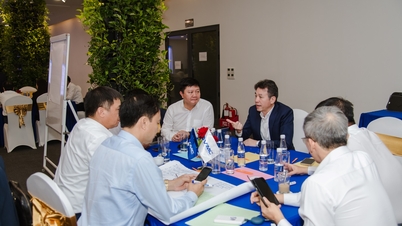
The Ho Chi Minh City Department of Transport has just sent a request for comments to the People's Committees of Dong Nai and Binh Duong provinces to finalize the report on extending the Ben Thanh - Suoi Tien urban railway line (metro line 1), based on the conclusions of the working meeting between local leaders in May.
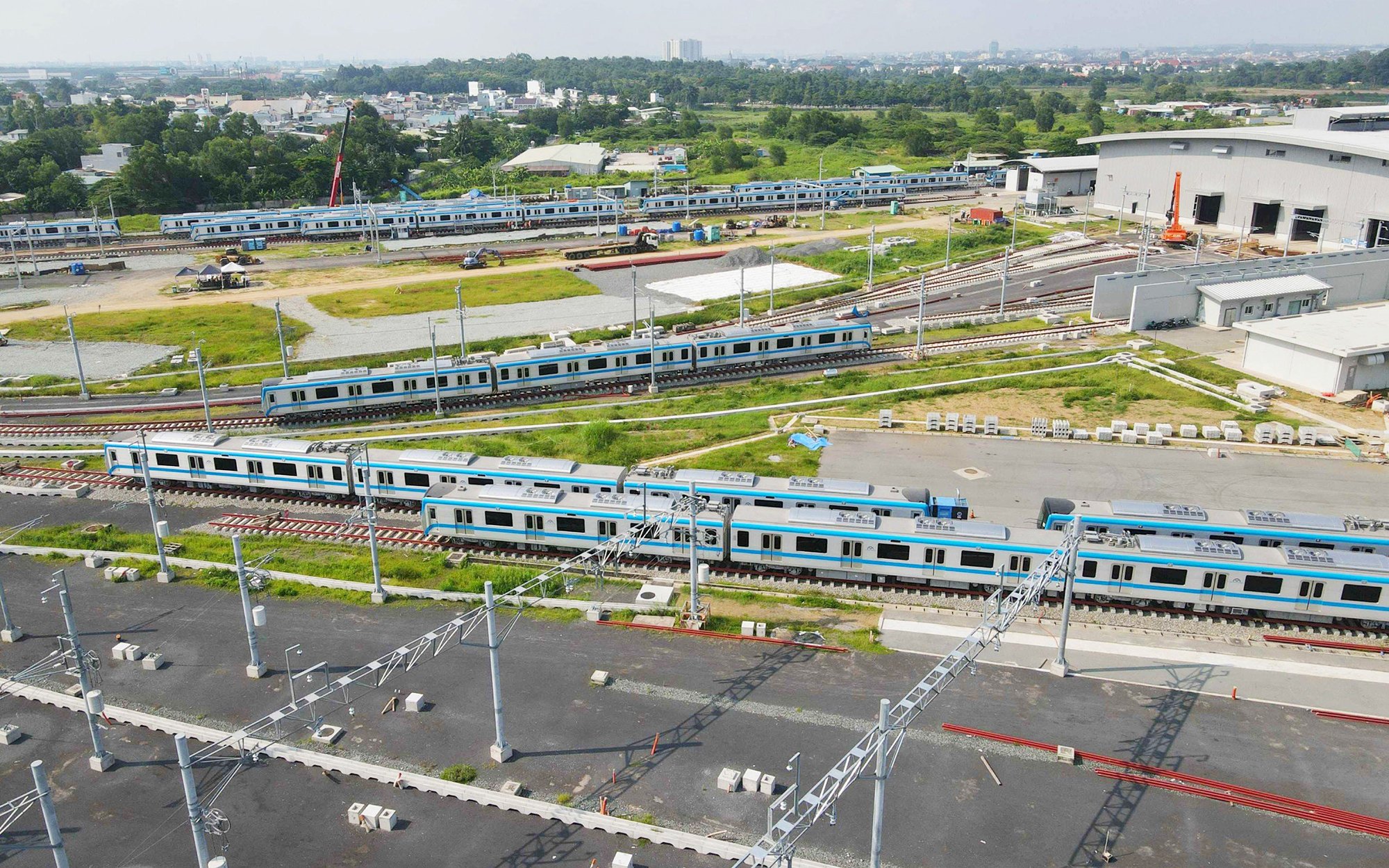
Long Binh Depot - Ben Thanh - Suoi Tien Metro Line
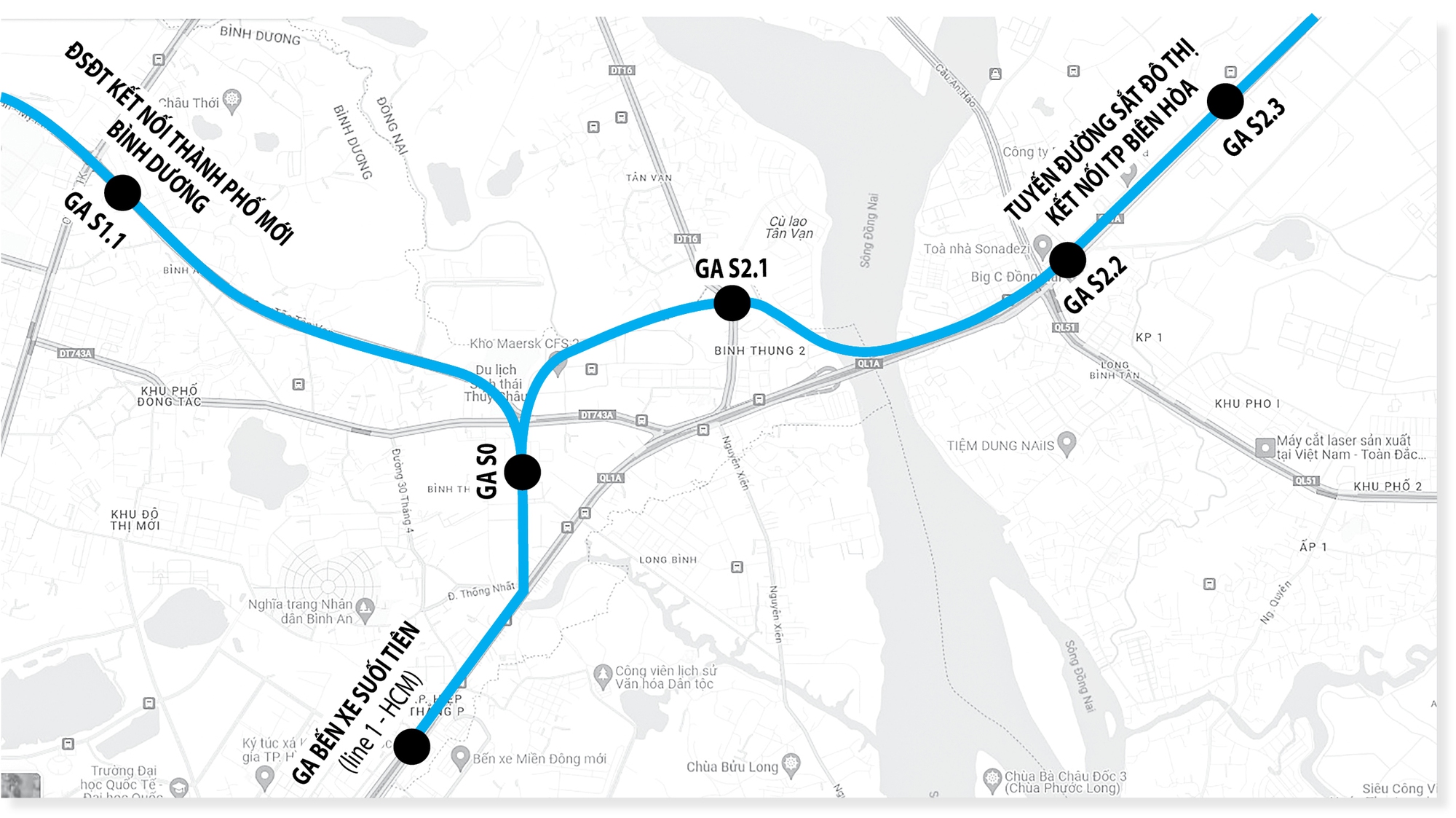
According to the investment plan report by the Southern Transport Design Consulting Joint Stock Company (TEDI South), the extension of Metro Line 1 to Binh Duong and Dong Nai is divided into three sections with a total length of 53.3 km. Section 1, from Suoi Tien Bus Station to Binh Thang Station (S0), is 1.8 km long. The line starts after Suoi Tien Bus Station, runs elevated along the right side of Hanoi Highway to Station S0, which is planned to be located before the Tan Van interchange. Station S0 is the connecting station between the two lines going to Binh Duong and Dong Nai. Section 2, from Station S0 to Binh Duong, is 31.35 km long. The line starts from Station S0, runs elevated over Provincial Road 742 and the Trang Bom - Hoa Hung railway line, then runs elevated on the right side sharing a corridor with the Trang Bom - Hoa Hung railway line, and then transitions to share a corridor on the left with the Saigon - Loc Ninh railway line. The route continues through the Binh Chuan intersection and runs to the left along the My Phuoc - Tan Van road, then turns between DX01 road and Hung Vuong road into the administrative center of Thu Dau Mot city to reach the depot in Phu Chanh ward (Tan Uyen city).
Meanwhile, section 3 from station S0 to Dong Nai will have a length of 20.1 km. From station S0, the line runs on an elevated strip of land alongside the Hanoi Highway until before the Amata road intersection, then enters the middle of National Highway 1. At the 30-4 Park area, the line turns right and continues on an elevated section along National Highway 1 until the intersection with Thai Hoa Road (Thai Hoa Church), then turns left into the depot area in Ho Nai 3 commune.
Along with route planning, the consulting unit also planned the construction of 25 stations and 2 depots when extending metro line 1 to Binh Duong and Dong Nai provinces.
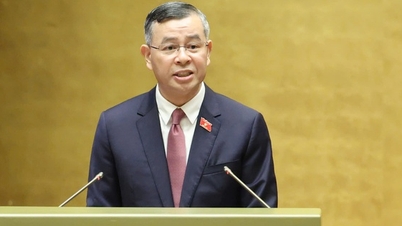
Mr. Ha Ngoc Truong, Vice Chairman of the Ho Chi Minh City Association of Bridges, Roads and Ports.
This is not the first time the idea of extending Metro Line 1 has been studied and proposed by localities. Nearly 10 years ago, Dong Nai was the first locality to propose extending Metro Line 1, right from the planning stage. The leaders of the Dong Nai Provincial People's Committee recognized that the province borders the eastern gateway of Ho Chi Minh City, an area with a very high volume of people and vehicles. Furthermore, the province has nearly 30 industrial parks, leading to a large number of people commuting between Dong Nai and Ho Chi Minh City. According to the plan, 8 metro lines of Ho Chi Minh City will connect with satellite cities in the region such as Thu Dau Mot (Binh Duong), Bien Hoa (Dong Nai)... On the other hand, Dong Nai already has land available for building the urban railway line and stations through Bien Hoa 2 Industrial Park, so the amount of land clearance required is not significant. The Department of Transport of Dong Nai province has also worked with a consulting unit on planning and proposing a metro line from Bien Hoa 1 Industrial Park station to Long Thanh airport. This will connect with the Thu Thiem - Long Thanh airport light rail line, ensuring rail transport connectivity between Ho Chi Minh City and Dong Nai.
Meanwhile, the People's Committee of Binh Duong province believes that investing in the synchronized My Phuoc - Tan Van road infrastructure will help reduce goods transportation time by approximately 30%, shorten the distance from factories to deep-water ports in Ba Ria-Vung Tau, and in the future, shorten travel time for people to Long Thanh airport (Dong Nai). In addition, extending the metro line to My Phuoc - Tan Van will result in lower land acquisition costs and minimize the relocation of infrastructure facilities located in the suburbs. Simultaneously, it will increase regional connectivity between the three cities of Ho Chi Minh City, Bien Hoa City, and Binh Duong New City.
New impetus for the Southeast economic quadrilateral.
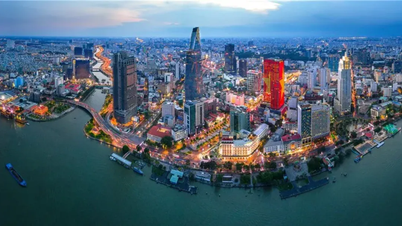
According to the leaders of the Ho Chi Minh City Urban Railway Management Board (MAUR), regional connectivity is also a crucial factor when Ho Chi Minh City adjusts its urban railway network plan. Fifteen years of urbanization have gradually linked adjacent cities together, no longer separated by administrative boundaries, so the metro also needs to be extended from Ho Chi Minh City to Dong Nai, Binh Duong, Long An, etc., creating seamless connections to satellite urban areas. The extended metro will also be integrated with the national railway network, connecting to areas such as Binh Trieu and Di An stations, major transportation hubs and points such as Long Thanh Airport, Tan Kien station of the Ho Chi Minh City - Can Tho high-speed railway line, Can Gio reclaimed land urban area, Tan Son Nhat Airport, etc. Technologically, the extended section of Metro Line 1 will be elevated, making construction less complex than underground construction. The technology can be similar to projects already implemented in Ho Chi Minh City to ensure synchronization in train operation and interconnectedness.
GRAPHICS: BAO NGUYEN
"Connecting the national railway network, connecting the high-speed railway, and connecting the regional railway network are definitely necessary. However, the project is currently only at the planning stage and is not yet included in the overall plan. This time, the Ho Chi Minh City master plan, which includes the railway plan, will add a plan to extend Metro Line 1. However, the extended section through Dong Nai and Binh Duong provinces falls within the territory of these two provinces, so the local authorities will update it when they develop their overall plan," the MAUR leader added.
Mr. Ha Ngoc Truong, Vice Chairman of the Ho Chi Minh City Association of Bridges, Roads and Ports, assessed that the project to extend Metro Line 1 to Dong Nai and Binh Duong has a very positive impact on transportation and the economy not only of Ho Chi Minh City but also of the entire Southern Key Economic Region. For Ho Chi Minh City specifically, extending Metro Line 1 will contribute to achieving the goal of public passenger transport meeting 50-60% of the travel needs of residents in the Eastern Creative Urban Area by 2040. Furthermore, the Southeast Economic Quadrilateral, comprising Ho Chi Minh City, Dong Nai, Binh Duong, and Ba Ria-Vung Tau, has been identified as the Southern Dynamic Region, one of the four national dynamic regions. For a long time, despite being among the fastest-growing economic regions in the country, the Southeast Economic Quadrilateral has not fully exploited its development potential. One of the main reasons is that the transportation infrastructure connecting the region and the poles of this economic quadrilateral is still weak and lacks synchronization.
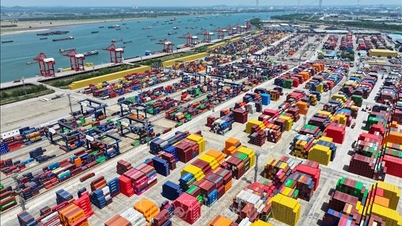
Specifically, despite being the main cargo transit hub for the entire Southeast region, Ho Chi Minh City's transportation system connecting it to other provinces is extremely weak. Goods transported from Binh Duong to Ho Chi Minh City mainly follow National Highway 13. With over 13 industrial parks, the volume of import and export goods is enormous, causing terrible traffic congestion day and night. The road from Bien Hoa all the way to Ho Chi Minh City, particularly the section near the Saigon Bridge, is rarely clear. Most national highways and gateway routes such as National Highway 13, National Highway 51, routes like My Phuoc - Tan Van, and even the Ho Chi Minh City - Long Thanh - Dau Giay expressway, are frequently congested. This significantly increases transportation costs, makes exports uncompetitive, and greatly impacts the city's economy as well as the economic development of the entire region.
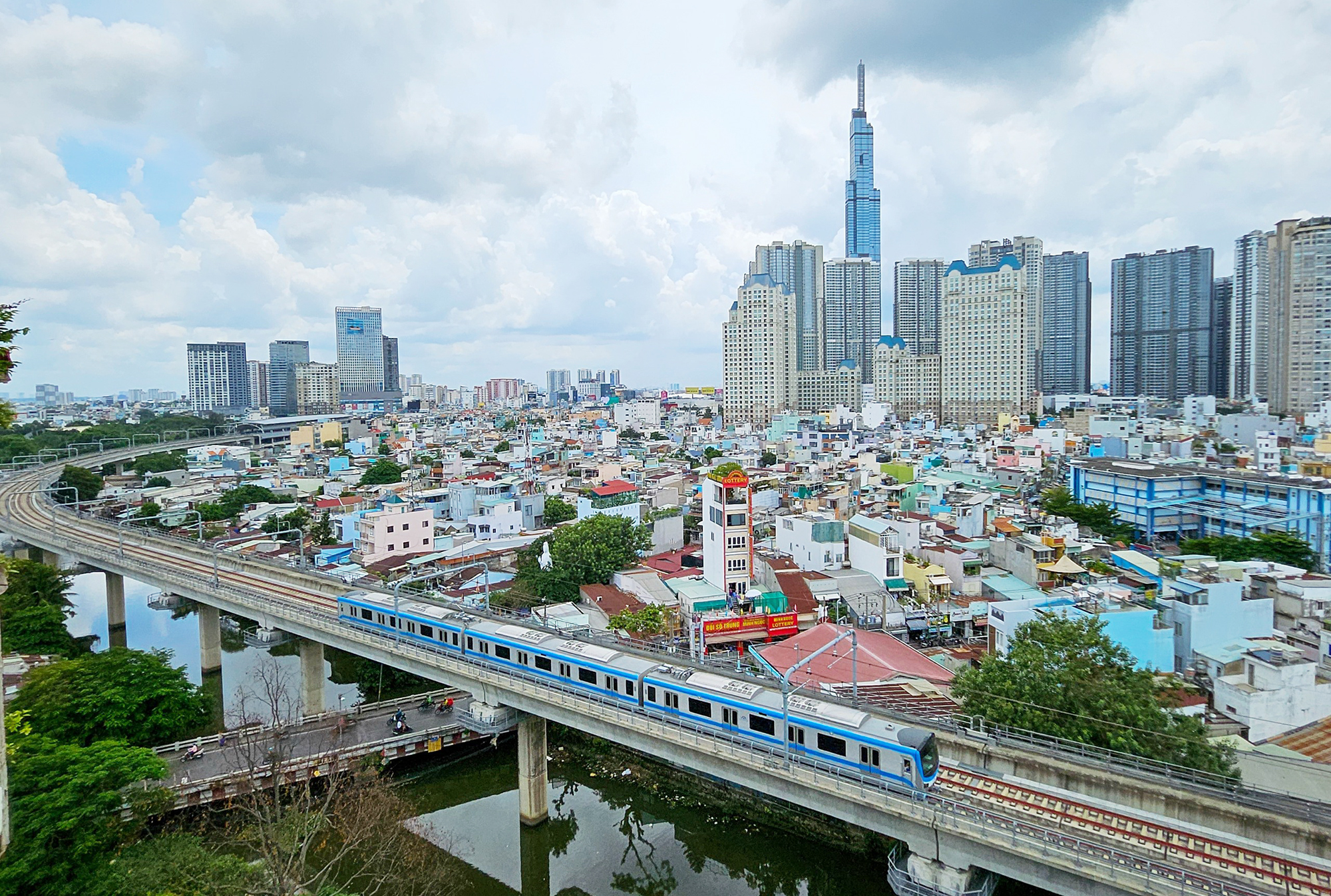
The metro project connecting Ho Chi Minh City with Binh Duong and Dong Nai will create a major step forward in regional connectivity.
Furthermore, the plan approved by the Prime Minister in 2021 also mentioned the regional metro system. Accordingly, the regional metro system must have 8 lines including: Trang Bom - Hoa Hung, Bien Hoa - Vung Tau, Di An - Loc Ninh, Ho Chi Minh City - Can Tho, Ho Chi Minh City - Nha Trang, Thu Thiem - Long Thanh, Ho Chi Minh City - Tay Ninh, and dedicated railway lines connecting to Hiep Phuoc port. Extending Metro Line 1 to Dong Nai and Binh Duong will be a prerequisite for building a seamless and efficient regional metro network.
"If a high-capacity public transport system like the metro is connected, the traffic congestion on these routes will be significantly relieved. Smooth traffic flow means increased trade and economic development throughout the region. In particular, real estate prices along the route and in areas near the stations will rise; if properly planned, this will bring immense value to all four localities. This will be a new impetus for the economic quadrilateral of the Southeast region," Mr. Ha Ngoc Truong anticipates.
Where will the main source of funding come from?
Calculations by the consulting firm show that the total investment for the first urban railway extension project in Ho Chi Minh City, connecting three provinces and cities, is 86,000 billion VND. The consulting firm proposed using public investment capital to implement the project, with Ho Chi Minh City leading the implementation of section 1, Binh Duong province leading section 2, and Dong Nai province leading section 3. Lessons from Metro Line 1 have shown that the biggest challenge in urban railway projects is funding and procedures. Regarding financial resources, the requirement is that by 2028, Ho Chi Minh City must secure approximately 25 billion USD (figures calculated 10 years in advance). Relying solely on budget funds or ODA as currently is completely unfeasible. Ho Chi Minh City hopes to diversify its financial resources from five sources: state budget for land acquisition; organizing land auctions under the TOD model; domestic loans; Borrowing from foreign sources and issuing bonds.
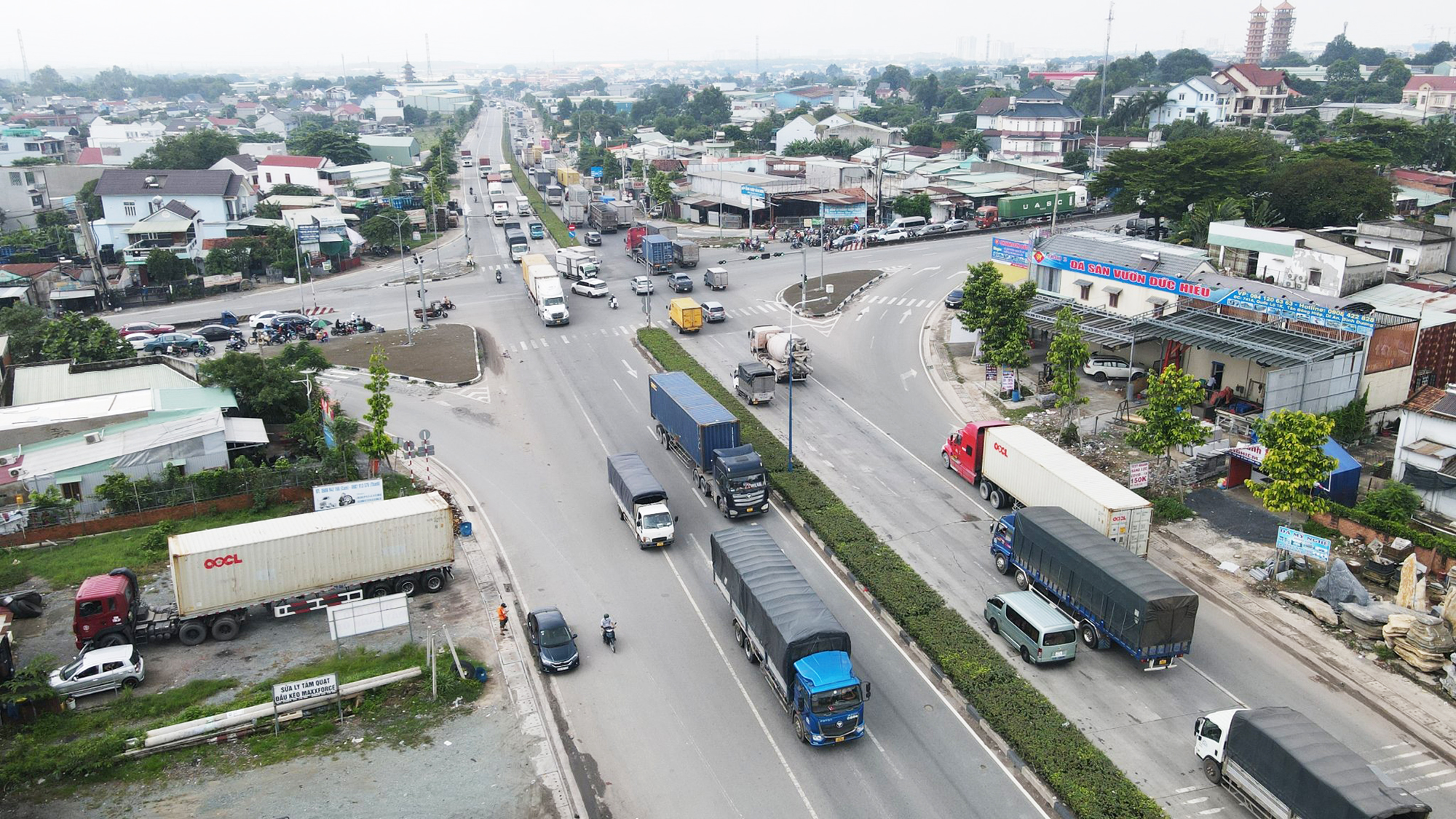
Extending Metro Line 1 to My Phuoc - Tan Van (Binh Duong) will help alleviate congestion at this important traffic junction.
Meanwhile, provinces in the Southeast region such as Binh Duong and Dong Nai are actively auctioning land along road and metro lines to generate capital for infrastructure investment. In Dong Nai, the locality has planned to reclaim 21 land plots along 9 transportation routes for auction, expected to generate 42,843 billion VND. According to the plan, Dong Nai will use the proceeds from the land auctions to invest in transportation infrastructure. Similarly, Binh Duong is also planning to auction 36 land plots with an area of 17,925 hectares along Ring Roads 3 and 4 (Ho Chi Minh City), the Ho Chi Minh City - Thu Dau Mot - Chon Thanh expressway, etc., to raise capital for infrastructure investment.
Analyzing the financial aspects in more detail, Associate Professor Vu Anh Tuan, Director of the Vietnam-Germany Transport Research and Development Center, pointed out a reality: Most countries developing urban rail systems around the world are talking about the public-private partnership (PPP) model. However, a study analyzing state-funded and PPP investment projects in 10 developed cities worldwide (including Tokyo, Seoul, Shanghai, Taipei, Ho Chi Minh City, Manila, Bangkok, Kuala Lumpur, Jakarta, and New Delhi), conducted by Professor Tuan and the Japan Institute for Transport Policy Research five years ago, concluded that the success rate of PPP projects is very low. Meanwhile, the orientation to integrate metro systems with urban development using the TOD (Transit-Oriented Development) model is necessary, but currently, Ho Chi Minh City almost completely lacks such a plan. Even Line 1, which is nearing completion, has not yet implemented TOD. This model will face even greater challenges when implementing metro connections to local areas.
Therefore, Mr. Tuan highly appreciates the initial direction of issuing bonds to attract approximately 20-25 billion USD, which allows Ho Chi Minh City to deploy the network while minimizing risks and failures. In addition, there is another unmentioned source of funding: user fees. Calculations show that charging fees for private vehicles entering the inner city or parking on roads and sidewalks would generate approximately 2 billion USD/year in 2025 after deducting all costs, and 4.4 billion USD/year by 2030. "If this money is used for developing urban rail, green transportation, and public transport infrastructure, it's a wise approach that needs further study. Resolution 98 has provided Ho Chi Minh City with a framework and mechanism, making it entirely feasible to implement," Associate Professor Vu Anh Tuan emphasized.
The "dream" of a metro system requires a groundbreaking and superior mechanism.
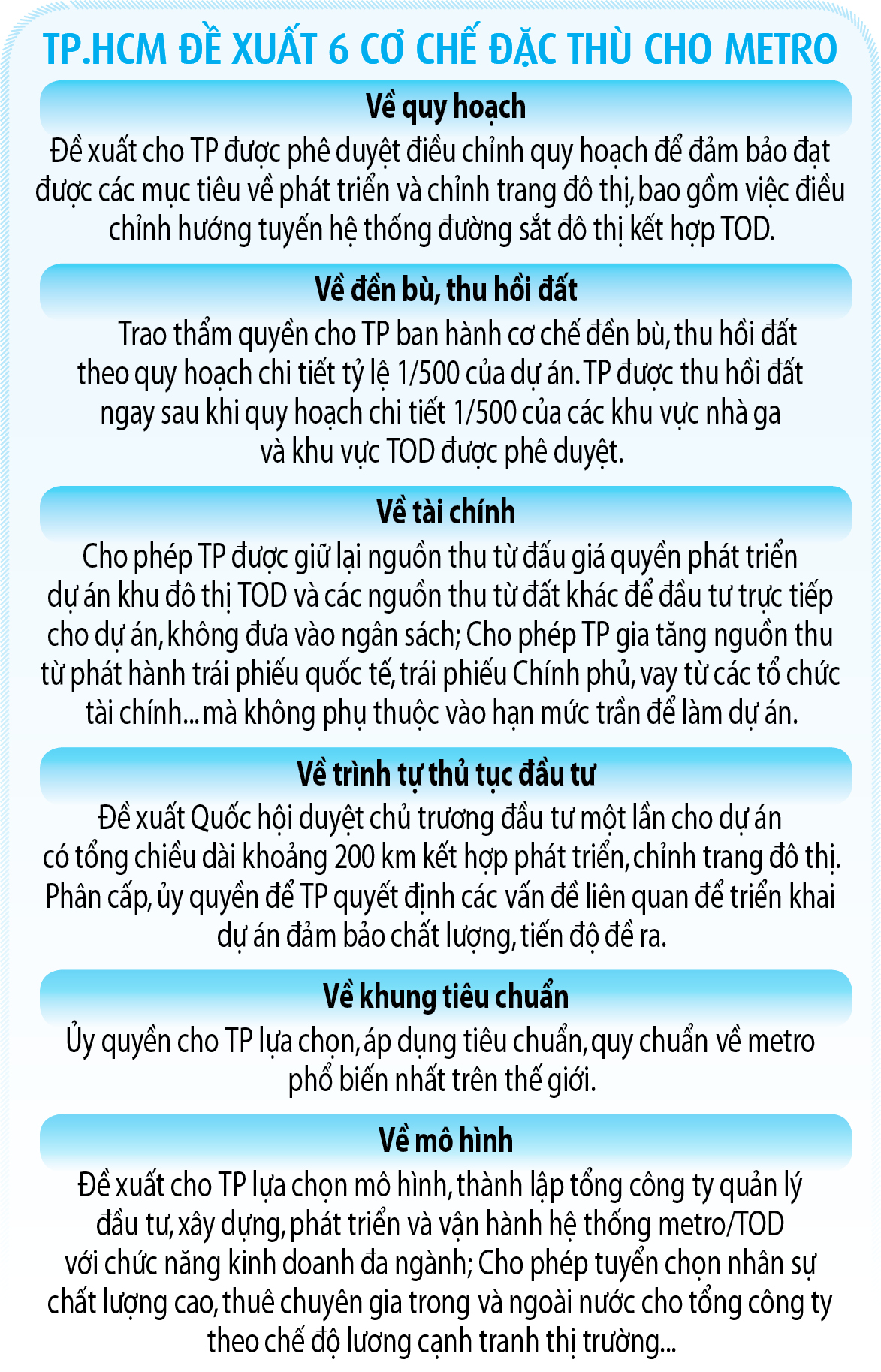
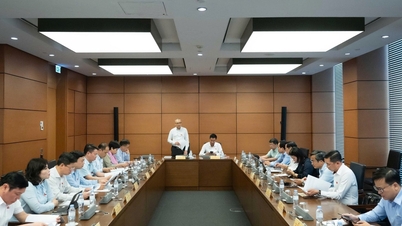
Presiding over the third meeting between the Advisory Council for the Implementation of Resolution 98 and the Expert Group for the Development of Ho Chi Minh City's Urban Railway System, based on the recent Politburo Conclusion No. 49, Chairman of the Ho Chi Minh City People's Committee Phan Van Mai frankly admitted that the 15-16 years of delays in completing the 19.7 km Metro Line 1, which is only now nearing completion, is too slow and "unacceptable." If the old approach continues, completing the remaining 200 km would take another 50-70 years, or even 100 years. Politburo Conclusion 49 requires Ho Chi Minh City to complete its urban railway network by 2035, meaning only 12 years remain. Therefore, a new, groundbreaking approach is needed, completely different from the Metro Line 1 project.
Source link



![[Photo] General Secretary and President To Lam meets with National Assembly delegates from ethnic minorities.](https://vphoto.vietnam.vn/thumb/1200x675/vietnam/resource/IMAGE/2026/04/20/1776696701056_a1-bnd-8331-3342-jpg.webp)
![[Image] National Assembly discusses the implementation of the socio-economic development plan.](https://vphoto.vietnam.vn/thumb/1200x675/vietnam/resource/IMAGE/2026/04/20/1776696707422_ndo_br_img-20260420-185419-jpg.webp)






































































Comment (0)