

Resolution No. 80-NQ/TƯ dated January 7, 2026, of the Politburo on the development of Vietnamese culture presents many new viewpoints, ideas, and solutions for building and developing culture. Associate Professor, Dr. Bui Hoai Son, a member of the National Assembly, granted an interview to a reporter from the Hanoi Newspaper and Radio and Television Agency to discuss these important innovations.
- Resolution No. 80-NQ/TƯ affirms: “Investing in culture is investing in the sustainable development of the country, in the future of the nation. A fundamental and comprehensive reform of thinking on mobilizing all resources for cultural development is necessary, in which state resources play a leading role, and social resources and the private sector are important driving forces.” As a researcher on culture, could you share your perspective on this viewpoint?
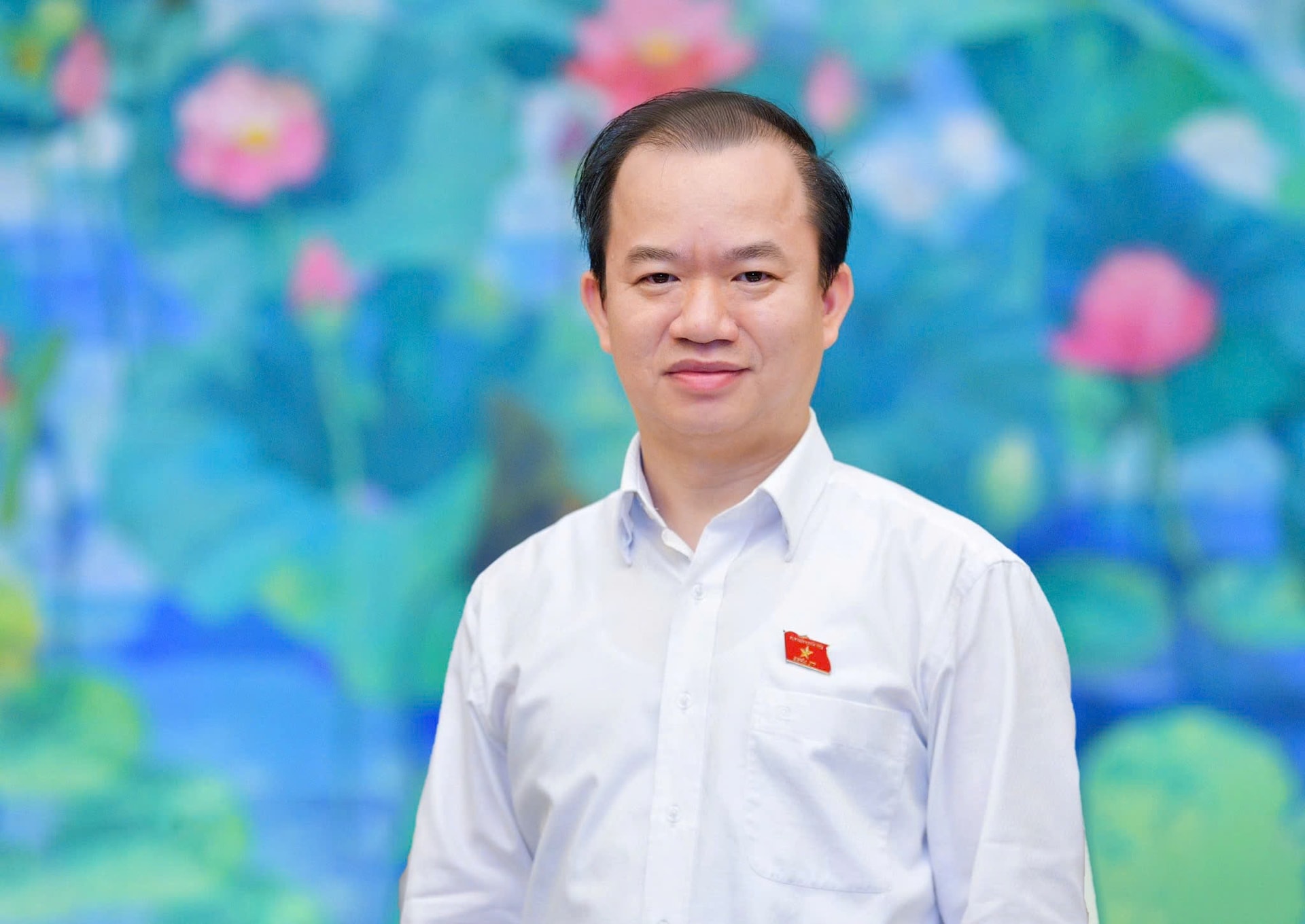
In my opinion, the viewpoint expressed in Resolution No. 80-NQ/TƯ that "investing in culture is investing in sustainable development" is essentially a very fundamental shift in development thinking.
Previously, culture was sometimes viewed as a budgetary expenditure, a form of "spiritual welfare." But Resolution No. 80-NQ/TƯ has restored culture to its rightful place: as both a foundation, an endogenous resource, and a driving force for the nation's long-term development. Investing in culture is not just about building institutions or preserving heritage, but about investing in people, in identity, in soft power, in creativity, and in the country's future competitiveness.
A very new and important point in Resolution No. 80-NQ/TƯ is the thinking on mobilizing resources. The State cannot and should not "take over" all cultural activities, but must play a constructive, leading role, creating trust and guiding development. When the institutional environment is transparent, the mechanisms are sufficiently attractive, and the cultural market is sufficiently open, social resources and the private sector will become a powerful driving force. In reality, the fastest-growing areas of the cultural industry today, such as film, music , entertainment, design, and digital content, all stem from the creativity and investment of the private sector.
At a deeper level, this perspective reflects a development philosophy: Culture is not separate from the economy, but rather accompanies, regulates, and elevates it. A rapidly growing economy lacking a cultural foundation will struggle to be sustainable. Conversely, when culture is properly invested in, it will create more creative individuals, a more humane society, a healthier business environment, and a more attractive national image. This is precisely the long-term value that Resolution No. 80-NQ/TƯ is aiming for.
- Resolution No. 80-NQ/TƯ also clearly states that institutions play a crucial role, especially breakthrough mechanisms and policies, to mobilize and effectively utilize investment resources for culture, and to attract and value talent. As a National Assembly representative, what policies, in your opinion, need to be improved to create a favorable legal framework to attract investment resources for cultural development?
From a legislative perspective, I believe that to mobilize resources for culture, the most important thing is to create a truly favorable, stable, and encouraging institutional ecosystem. Currently , it's not that society or businesses don't want to invest in culture, but rather that they are often hesitant due to unclear mechanisms, complex procedures, long payback periods, and high policy risks.
First, it is necessary to perfect the legal framework for socialization and public-private partnerships in the cultural sector. Institutions such as theaters, museums, cinemas, creative spaces, heritage parks, etc., need flexible PPP mechanisms that allow the private sector to participate in investment, operation, and exploitation in a transparent and efficient manner. Along with this, preferential policies on taxes, land, and credit are needed for businesses investing in the cultural industry, especially in areas with high creative value but also high risks.
Secondly, it is necessary to improve the legal system regarding copyright and intellectual property, as these are the "core assets" of the creative economy. Only when the rights of creators and investors are seriously protected can the cultural market develop healthily.
Thirdly, Resolution No. 80-NQ/TƯ emphasized the human factor; therefore, policies to attract and utilize talent in the cultural field need to be designed in a specific way: a mechanism for commissioning creative work, a talent support fund, a flexible working environment, and even a mechanism for rewarding talent commensurate with the value of their creative work.
At the National Assembly level, reviewing and amending relevant laws such as the Law on Cultural Heritage, the Law on Publishing, and the Law on Cinematography, as well as researching and developing a law on the cultural industry or artistic activities, are necessary steps to create a comprehensive legal framework. When institutions are open, stable, and encourage innovation, social resources for culture will be naturally and sustainably unlocked.
- In your opinion, what solutions does Hanoi need to implement to transform culture into a resource for economic development, building a civilized and modern capital city while still preserving its cultural identity?
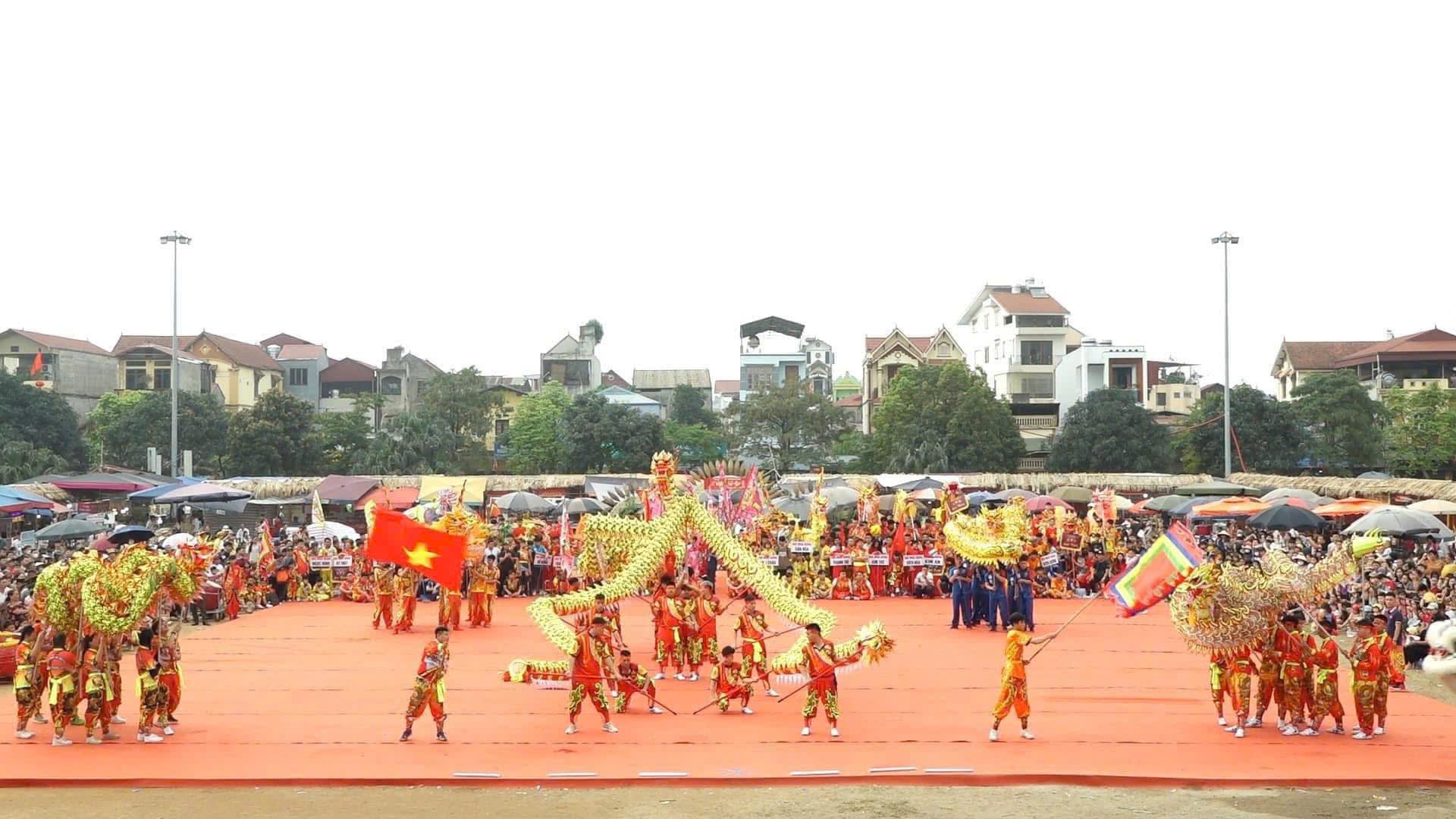
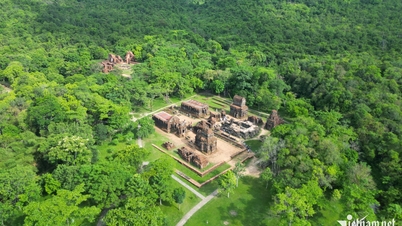
But Hanoi possesses a unique advantage unmatched by any other locality: its historical depth, high density of heritage sites, cultural space, and its status as a national creative hub. However, for culture to truly become a resource for economic development, Hanoi needs to shift from a "static preservation" mindset to a "creative exploitation" mindset, from purely heritage management to the development of a heritage-based economy.
First and foremost, it is necessary to strongly develop cultural industries based on the heritage and identity of the capital city. The Old Quarter, traditional craft villages, cuisine, festivals, traditional arts, etc., can all become high-value cultural and tourism products if they are professionally organized, utilize digital technology, and are connected to the international market.
Secondly, Hanoi needs to build a creative ecosystem, developing creative spaces, cultural industrial zones, design centers, digital content centers, and contemporary performing arts centers. When young people, artists, creators, and businesses have an environment to experiment and develop ideas, culture will become a real economic driver.
Thirdly, the development of Hanoi's culture must be linked to building elegant and civilized Hanoians. A livable city is not just about modern infrastructure, but also about a healthy cultural environment, beautiful behavior, and public spaces rich in human values. This is a crucial "soft brand" to attract tourists, investors, and high-quality human resources.
Most importantly, Hanoi needs to maintain a balance between modernity and tradition. Rapid development is necessary, but without losing its urban identity; innovation is key, while preserving the soul of Thang Long - Hanoi. When this is achieved, culture will not only be an identity but also an intrinsic strength, a competitive advantage, and a foundation for the sustainable development of the capital in the new era.
Thank you very much, sir!
Source: https://hanoimoi.vn/pgs-ts-dai-bieu-quoc-hoi-bui-hoai-son-ha-noi-can-chuyen-tu-tu-duy-bao-ton-tinh-sang-khai-thac-sang-tao-735187.html

















































































Comment (0)