

 |
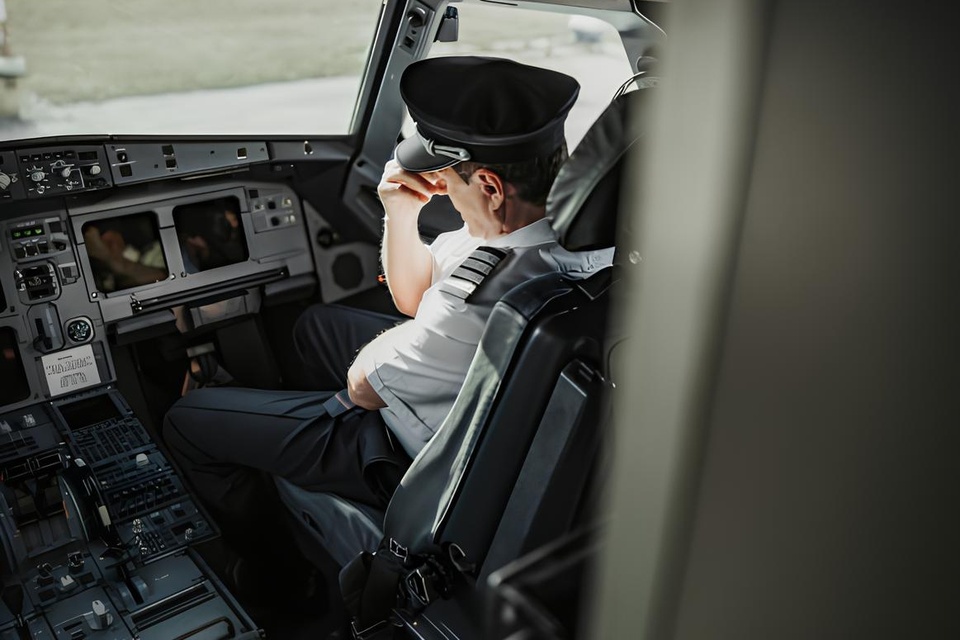
Pilots can sleep for 10-40 minutes while the aircraft is flying steadily and under the supervision of the co-pilot. Photo: Yakobchuk Olena/Pexels . |
It may sound unbelievable, but on many long-haul flights, pilots are actually allowed to sleep, even as part of safety procedures. This isn't a matter of discretion, but a strategy permitted and closely monitored by aviation authorities to reduce fatigue and keep the cockpit as alert as possible when needed.
According to the international non-profit Flight Safety Foundation (FSF), long flights, which can last more than 10-14 hours, require pilots to maintain constant alertness in a high-pressure environment. Fatigue is considered one of the biggest risks to flight safety, and many studies show that lack of sleep reduces reaction time in a similar way to alcohol use.
To address this, international aviation organizations such as ICAO, IATA, and IFALPA have established a framework of guidelines called "fatigue risk management." A crucial part of this system is "controlled rest" in the cockpit.
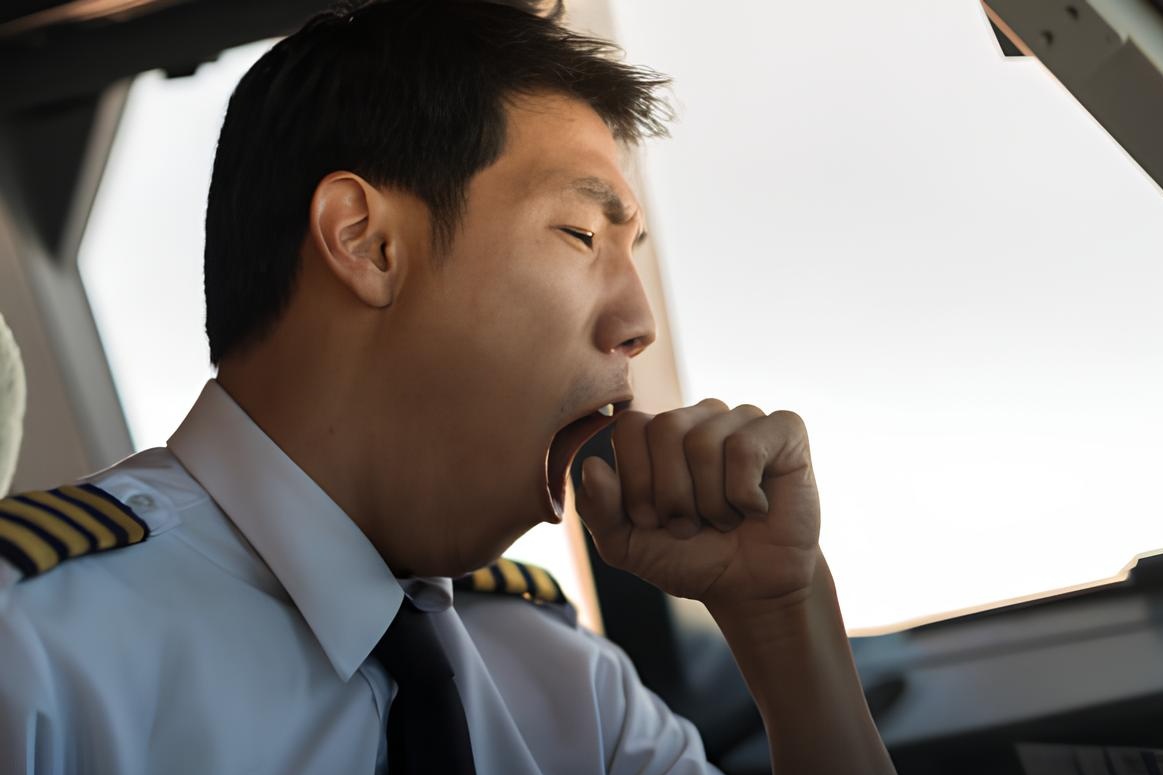 |
According to aviation safety regulations, sleeping at the right time is also a safety measure. Photo: Global Monents/Pexels. |
"Controlled sleep" typically lasts 10-40 minutes, is performed when the aircraft is flying steadily, and is supervised by the other pilot. Airlines must adhere to several strict conditions, such as only sleeping when weather and flight conditions are stable, setting wake-up times, and always having a fully awake second pilot present.
On longer flights, especially overnight flights, pilots can even rest in a separate sleeping area behind the cockpit. Skybrary describes this as a “crew rest compartment,” where pilots take turns sleeping as part of their shift, ensuring they return to the cockpit in optimal condition. This shift system is particularly important on 14-17 hour flights, such as Europe-Asia or the US-Australia route.
Beyond a physiological need, sleeping at the right time is also a safety measure. According to NASA research, a short 20-30 minute nap significantly improves a pilot's reaction speed and alertness, reducing the risk of "microsleep" (a state where the brain is temporarily shut down for a few seconds) that the pilot may not even realize they are experiencing. This is why many experts call controlled rest the "silent safety cushion" in the cockpit.
However, regulations are not the same in all countries. In the US, regulations restrict sleeping in the cockpit, while many other regions such as Europe, Canada, and Asia allow more extensive controlled rest with stricter standards. This difference reflects how each country balances the risks of fatigue with operational safety.
From a passenger's perspective, pilots sleeping while flying might be worrying. However, proper rest is essential to ensure both pilots remain alert and ready to handle any situation. In other words, short naps in the cockpit are not a distraction, but part of a carefully designed and scientifically sound safety strategy.
Source: https://znews.vn/phi-cong-co-the-ngu-khi-dang-bay-post1604114.html































































































Comment (0)