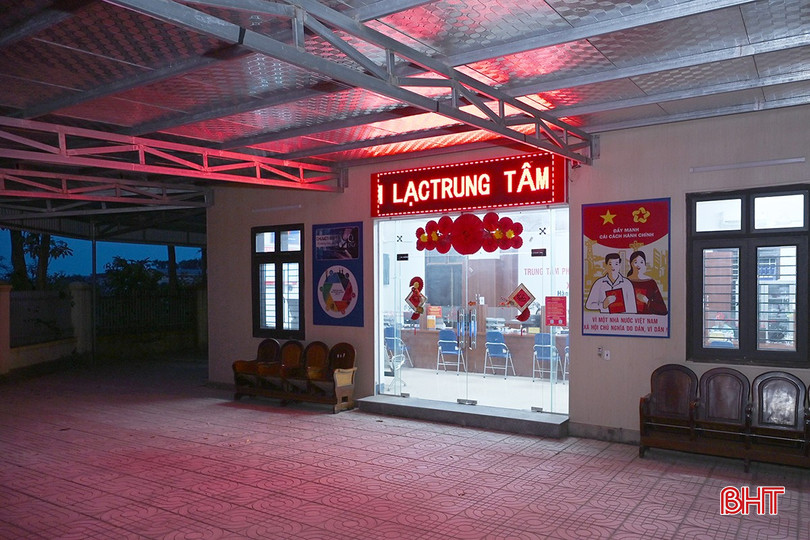
Since the implementation of the two-tiered local government model, in many localities, the new offices are lit up very early and turned off when the people have already lit their lamps. Behind the smooth operation of the system are countless officials and civil servants silently shouldering a larger, more stressful workload and making more sacrifices.
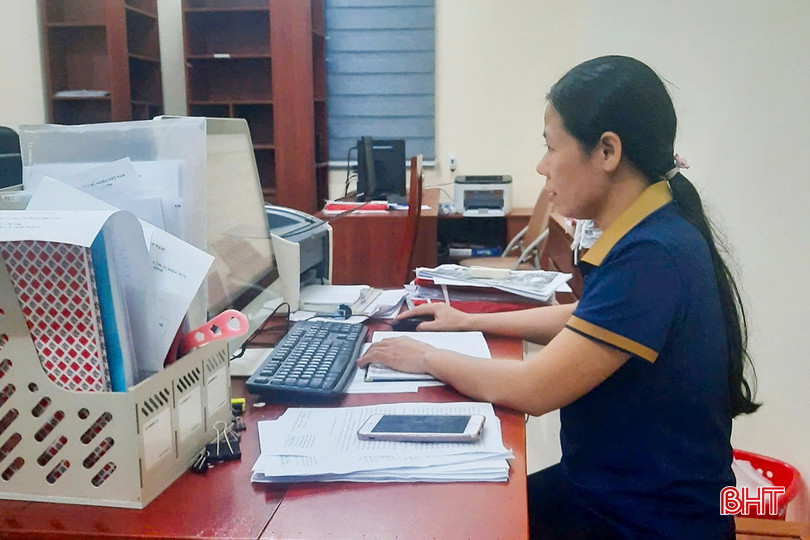
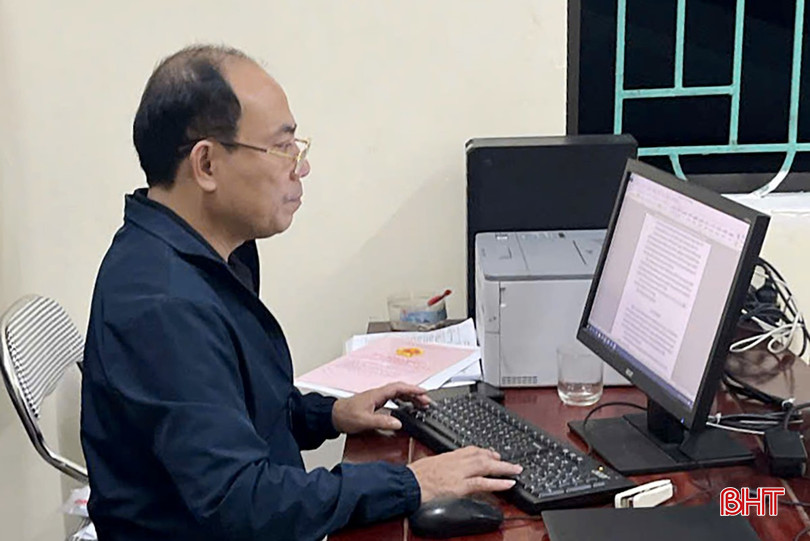
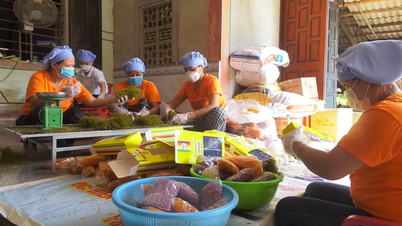
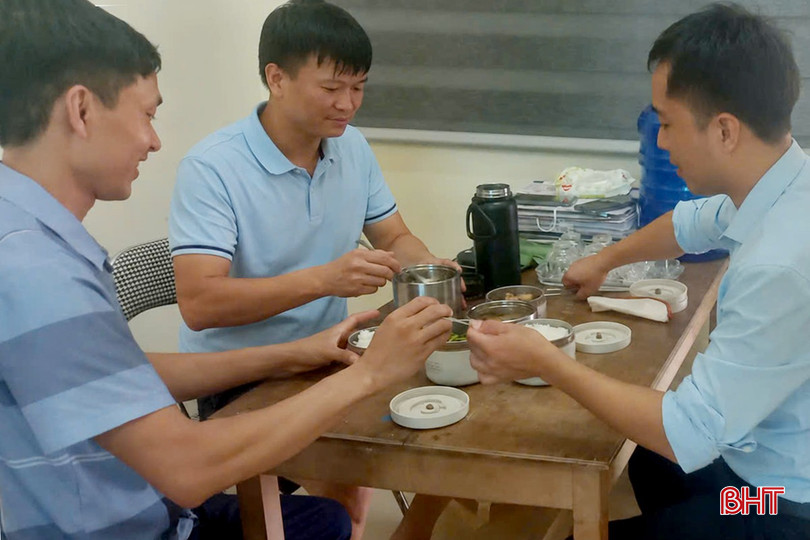
Some people leave home at dawn every morning, traveling dozens of kilometers to get to work. Some take almost an hour to reach their workplace. Because of the long distance, they can no longer go home for lunch as before. Now, their work bags contain a packed lunch, a few bananas, a bottle of water… This simple packed meal is eaten quickly in the office, under a tree, or in a corner of the building, before they rush back to their busy lives of files, documents, meetings, and endless work.
The new model carries high expectations for a streamlined, effective, efficient, and people-friendly administration. However, in the initial phase, the workload of officials and civil servants has increased significantly. They have to simultaneously handle new areas, process a larger volume of documents, quickly adapt to a wider geographical area, a larger population, and higher demands on public service.
The pressure comes not only from professional work but also from responsibility. Every document must comply with regulations; every procedure must be expedited; every citizen's opinion needs to be listened to and addressed promptly. Everyone understands that behind every stamp and signature lies the interests of the people and the development of the locality.
Many officials shared that they have less time for their families. Some leave for work before their children wake up and return home after their children have gone to sleep. Others have gone weeks only seeing their parents, spouses, and children through short phone calls. Yet, they still choose to persevere, understanding that any transition period requires unity and dedication.
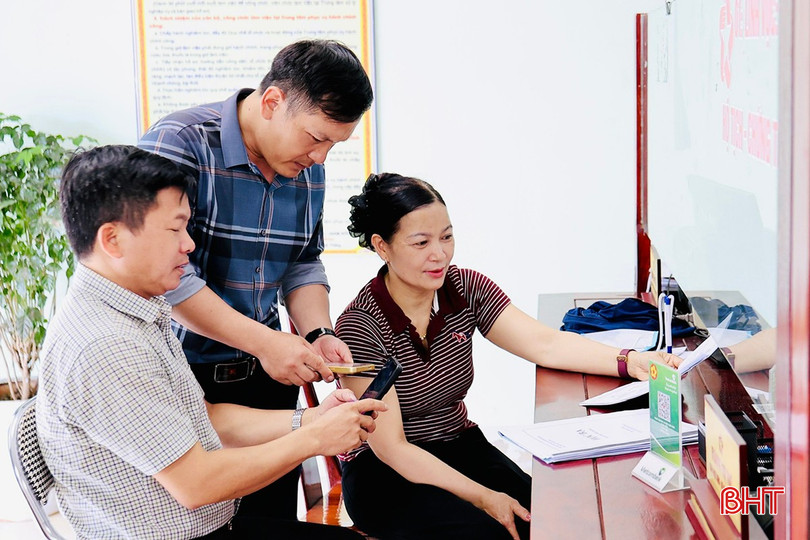
Despite the hardships and pressures, each official always strives their best because they understand that every transitional period requires unity and dedication.
Perhaps the most valuable aspect is the scarcity of complaints, replaced instead by a sense of responsibility and pride in working in the new environment. Despite numerous difficulties regarding working conditions, travel distances, and work pressure, officials and employees maintain a dedicated and responsible attitude, striving to complete their assigned tasks. The simple packed meals, though modest, embody a spirit of dedication to work and service to the people.
Any reform takes time to stabilize. Today's difficulties will gradually be resolved as the system operates more smoothly, processes are improved, and working conditions receive more attention.




We would like to express our gratitude to those who daily bring their lunch boxes to work, carrying out their responsibilities in every task and aspiring to build a service-oriented, professional, effective, and efficient administration. These silent sacrifices, though seemingly simple, are the foundation for building public trust and contribute to the increasingly effective implementation of the two-tiered local government model in practice.
Source: https://baohatinh.vn/phia-sau-nhung-bua-com-dum-post312952.html

![[Photo] A phone-free summer afternoon at the village library](https://vphoto.vietnam.vn/thumb/1200x675/vietnam/resource/IMAGE/2026/06/27/1782551770949_anh-1-jpg.webp)
![[Photo] "Hanoi Lotus Festival" honors the lotus flower that has been associated with Vietnam for thousands of years.](https://vphoto.vietnam.vn/thumb/1200x675/vietnam/resource/IMAGE/2026/06/27/1782516943048_sen-ha-noi-2026-minh-duy-1-jpg.webp)



![[Video] 500-Day Campaign: Intensive Focus on Searching, Gathering, and Identifying the Remains of Fallen Soldiers](https://vphoto.vietnam.vn/thumb/402x226/vietnam/resource/IMAGE/2026/06/27/1782549660130_dung00-05-19-12still003-png.webp)





































![[Infographic] 16 fireworks display locations to celebrate the 50th anniversary of Ho Chi Minh City being honored with the name of President Ho Chi Minh](https://vphoto.vietnam.vn/thumb/402x226/vietnam/resource/IMAGE/2026/06/27/1782539591308_man-ban-phao-hoa-ruc-ro-dem-khai-mac-638jpg-17242995540161175940469.jpeg)