

In 2024, the whole country recorded 183.6 million medical examinations and treatments, an increase of 9.7 million compared to 2023. Of these, approximately 40 million people regularly received medical examinations and treatments covered by health insurance. The burden of medical costs on the people remains significant, with the co-payment rate for some groups estimated at around 21,905 billion VND; the portion not yet covered by the Health Insurance Fund is estimated at 24,800 billion VND.
According to the Ministry of Health , although Vietnam achieved a health insurance coverage rate of 94.2% in 2024, the healthcare network has expanded to every commune; professional capacity at both basic and specialized levels has made significant progress; and the list of drugs and equipment covered by health insurance has expanded; direct costs paid by people still account for more than 40% of total healthcare expenditure. This is still high compared to the recommendations of the World Health Organization. The risk of impoverishment due to illness remains, especially for the poor, vulnerable groups, and those with chronic diseases or long-term treatments; the financial pressure on households will also increase if strong solutions from public policy are not implemented.
To achieve the goal of universal health insurance coverage by 2030, including free basic hospital services, reducing the burden of healthcare costs, and aiming for comprehensive, equitable, and quality healthcare for the people, in addition to increased state budget investment, one of the solutions proposed by the Ministry of Health is to gradually increase health insurance contributions to 6% of the basic salary by 2032. “Regardless of whether or not there is a policy of free hospital services, health insurance contributions must still be increased to meet the treatment needs of the people because the current level is low, while demand is high, and the changing disease patterns are causing the proportion of healthcare spending to increase,” a representative from the Health Insurance Department (Ministry of Health) stated. Currently, the health insurance contribution rate is 4.5% of the basic salary.
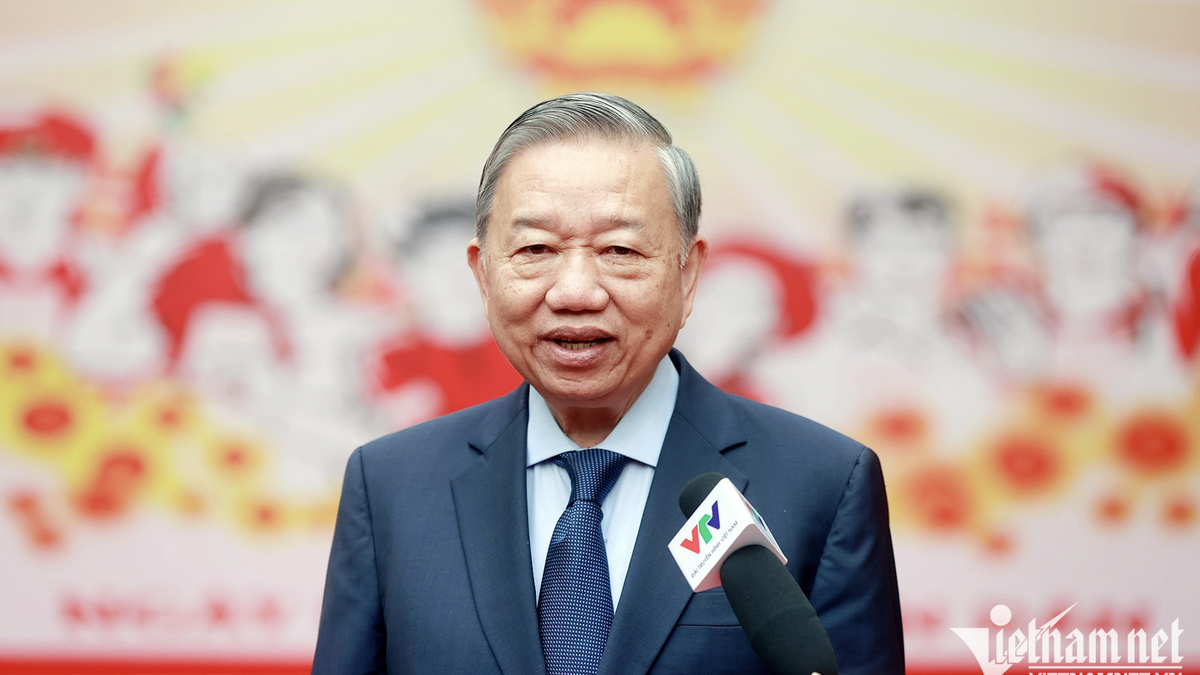
The arguments and solutions proposed by the Ministry of Health are relatively reasonable. However, we also need to remember the issue of "the essence of healthcare is early disease prevention," as General Secretary To Lam noted when commenting on the national target program investment in the health sector. The General Secretary observed that the health sector currently focuses heavily on medical examination and treatment, so we must change, prioritizing improving the quality of primary healthcare and preventive medicine. The General Secretary requested that the program set clear goals to completely eradicate several infectious diseases such as tuberculosis and malaria within five years, diseases that many countries have already eliminated. Maintaining half-hearted prevention and control will only lead to increased costs and burdens on the system.
The General Secretary also emphasized the need to address the root causes of non-communicable diseases, which originate from the living environment, drinking water, and food safety. “Water must be clean enough to drink directly from the tap. Food must be controlled from the source. If we don't address these fundamental issues, building more hospitals or training more doctors will not be enough,” the General Secretary said.
Returning to the proposal to move towards free hospital services, many opinions suggest that it should be based on the fundamental guidelines mentioned above, focusing on both early and long-term disease prevention, as well as mental health care for the people, avoiding neglecting the root cause while only addressing the symptoms.
Source: https://baophapluat.vn/phong-chong-benh-tat-tu-goc.html

![[Photo] The Prime Ministers of Vietnam and Russia witness the signing ceremony on cooperation in building a nuclear power plant.](https://vphoto.vietnam.vn/thumb/1200x675/vietnam/resource/IMAGE/2026/03/23/1774278492322_vna-potal-hai-thu-tuong-viet-nam-va-nga-chung-kien-le-ky-ket-hiep-dinh-ve-hop-tac-xay-dung-nha-may-dien-hat-nhan-8658380-jpg.webp)


![[Photo] Young people of the Dong Thap Border Guard actively participate in "March Border Month" activities.](https://vphoto.vietnam.vn/thumb/1200x675/vietnam/resource/IMAGE/2026/03/23/1774248483508_ndo_tl_dt3-jpg.webp)


































































Comment (0)