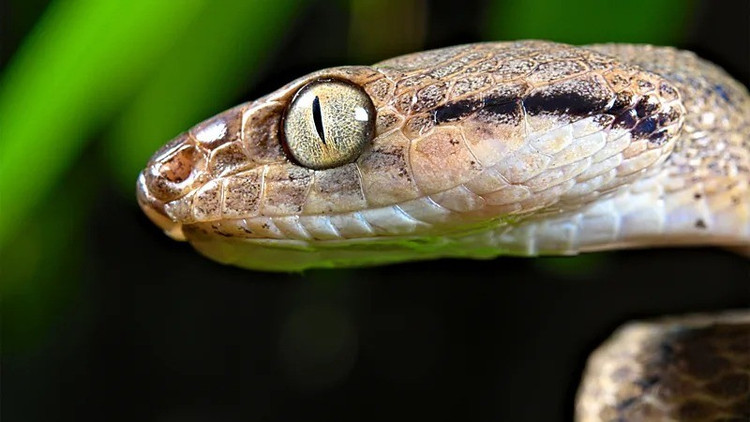
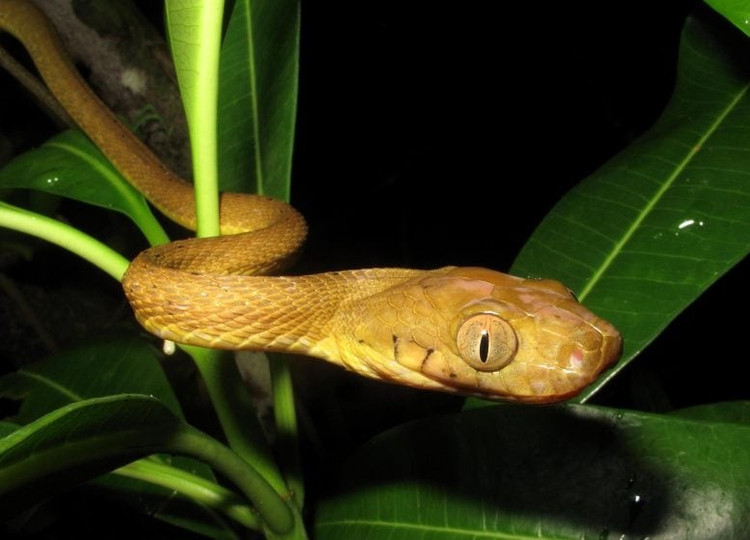
Guam has seen an invasive population of voracious brown tree snakes. An estimated 2 million individuals are distributed across the Pacific island of Guam.
Báo Khoa học và Đời sống•16/09/2025
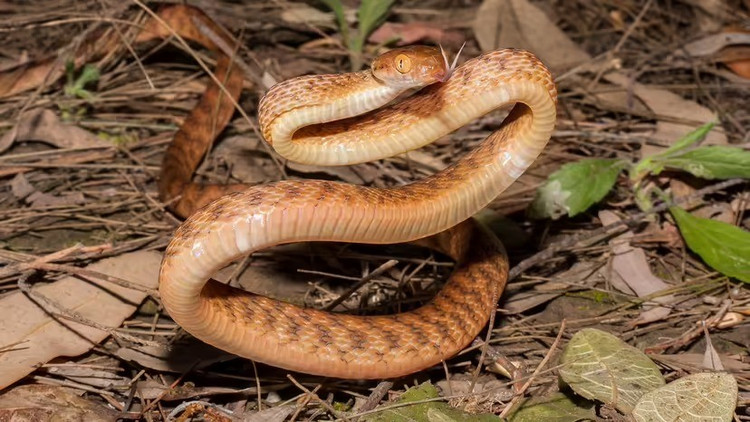
The brown tree snake is an invasive species that arrived on Guam in the 1940s, possibly after sneaking onto cargo ships. Photo: Alamy. Since then, the brown tree snake population has flourished in large numbers. It is estimated that there are now approximately 2 million brown tree snakes on Guam. Photo: Getty Images.
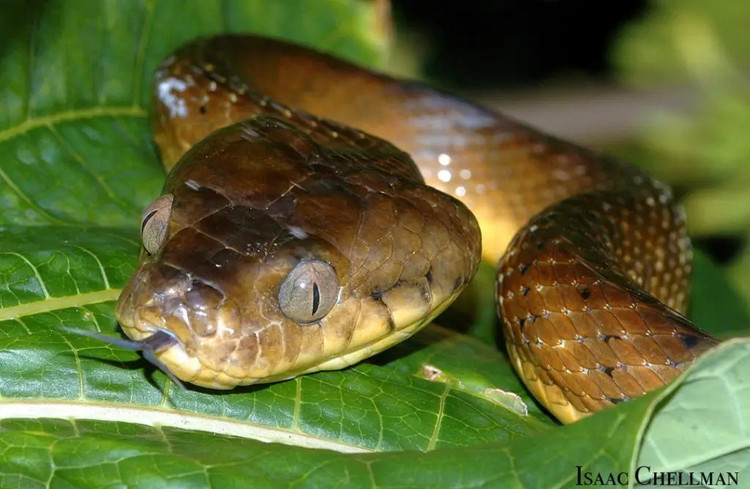
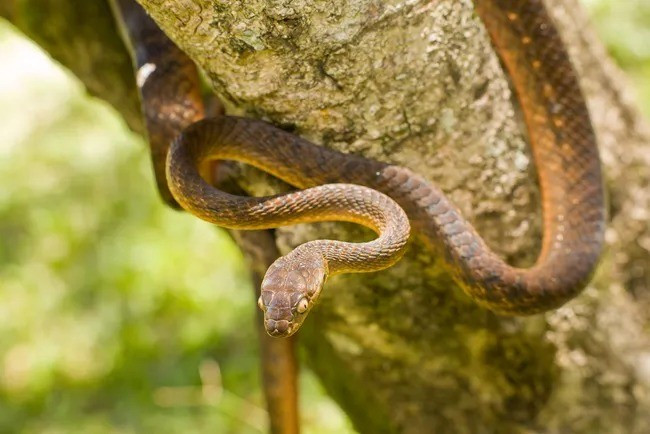
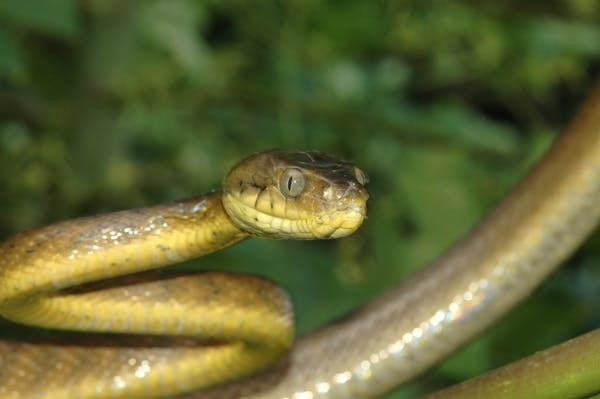
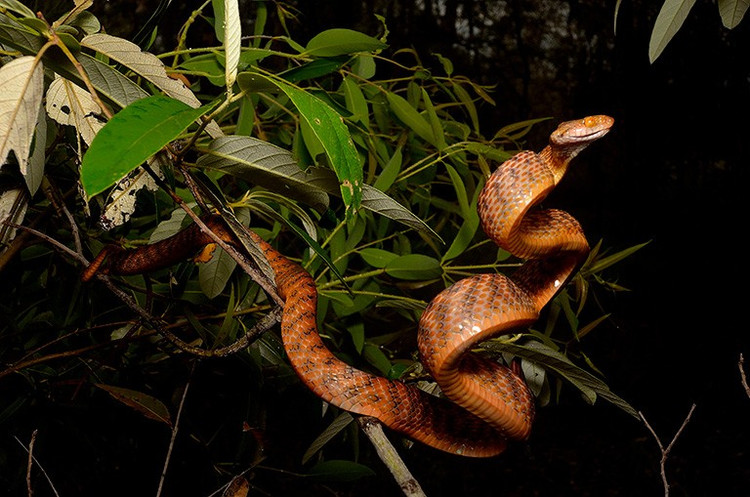
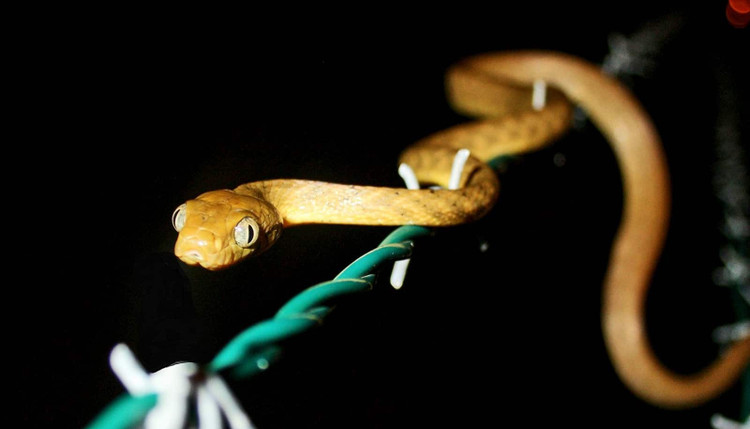
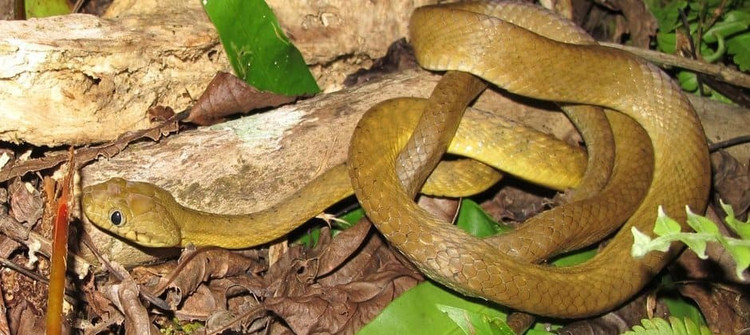
The brown tree snake is incredibly voracious. They eat any prey they can find, such as other snakes, shrews, lizards, and even leftover human food. Photo: Isaac Chellman. As a carnivorous animal, the brown tree snake typically eats animals up to 70% of its body weight. Photo: Janelle Lugge | Shutterstock. Brown tree snakes are incredibly efficient hunters. They can spot and devour prey in the most inaccessible places. Photo: Isaac Chellman.
The voracious population of invasive brown tree snakes is believed to be the primary cause of the extinction of 10 out of 12 bird species on Guam. Two surviving species live in inaccessible caves and urban areas. Photo: Ken Griffiths / Shutterstock. To protect these two bird species, authorities and conservation experts have installed numerous nesting boxes and reinforced smooth metal posts, approximately 0.9 meters long and 15 centimeters wide, to prevent snakes from climbing them. Photo: Bryan Fry. In addition, other solutions implemented to eradicate brown tree snakes include: searching, spraying, irritants, trapping, poisons, and chemicals. Photo: USDA/Flickr.
Experts are even researching and searching for viruses that could be used as biological weapons against brown tree frogs, aiming to eliminate large numbers of this species without affecting other wildlife. Photo: wildlife. However, to date, authorities and experts have been unable to control the brown tree snake population on Guam. Photo: Bjorn Lardner, United States Geological Survey.
Readers are invited to watch the video : More new species discovered in the Mekong River region. Source: THĐT1.


 Báo Khoa học và Đời sống•16/09/2025


























































































Comment (0)