

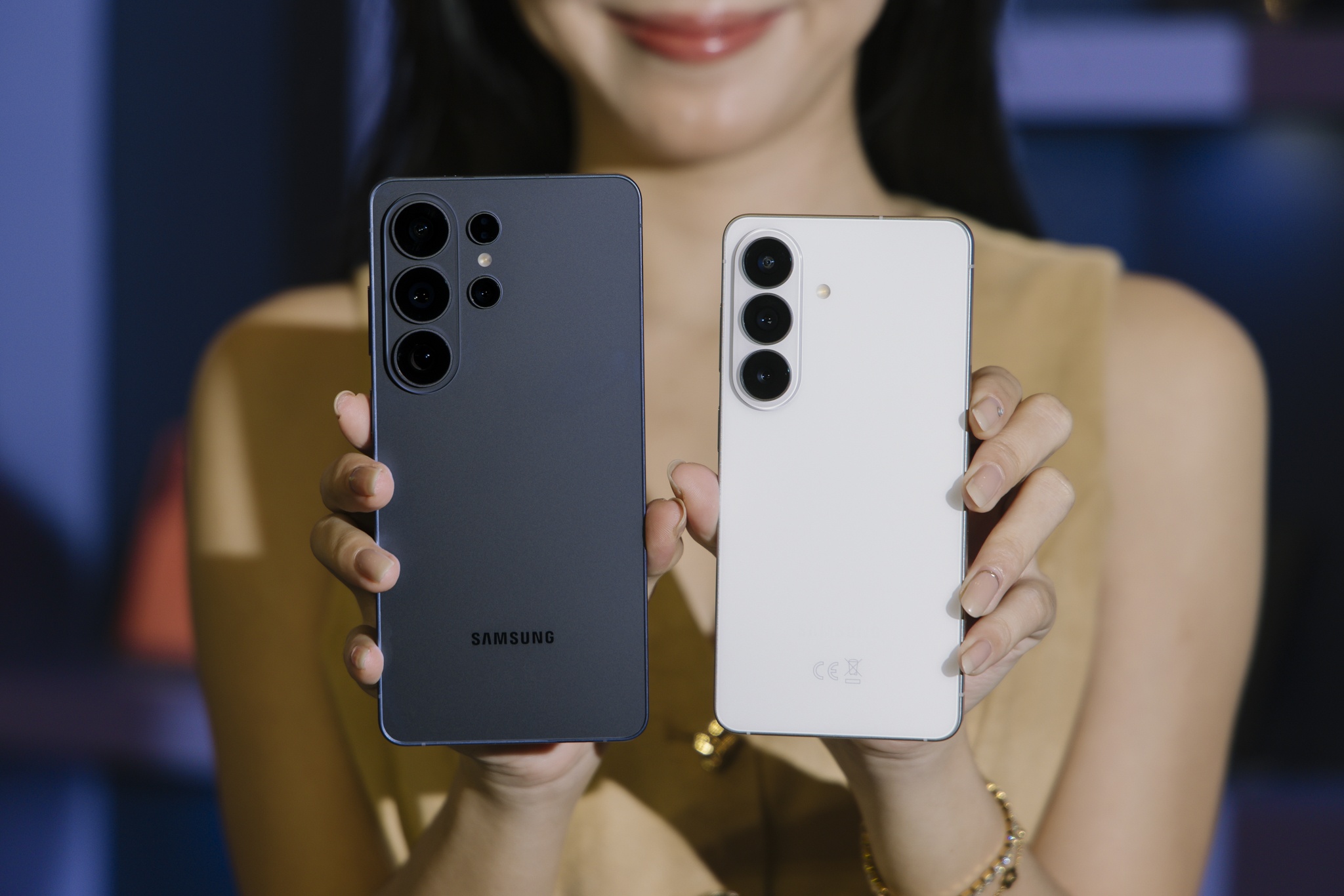
Samsung, as in recent years, has a concise Unpacked event. The company spends about 40 minutes quickly sharing information about its new phones, focusing on features that the South Korean giant thinks customers will be interested in. On the other hand, the Unpacked event ending quickly could also be because the products don't have enough new features to showcase.
It's not just Samsung; Apple and Google are also facing a similar situation.
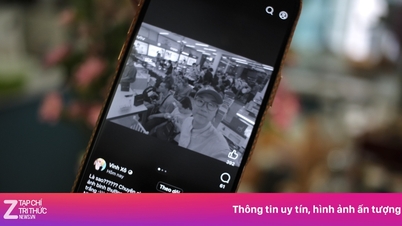
Last week, reviewer Marques Brownlee posted a quick hands-on video of the Pixel 10A with a sarcastic title: ( Never) Seen This Before. The reason stems from the fact that the American company has mostly just changed the color and given a new name to the device they launched last year.
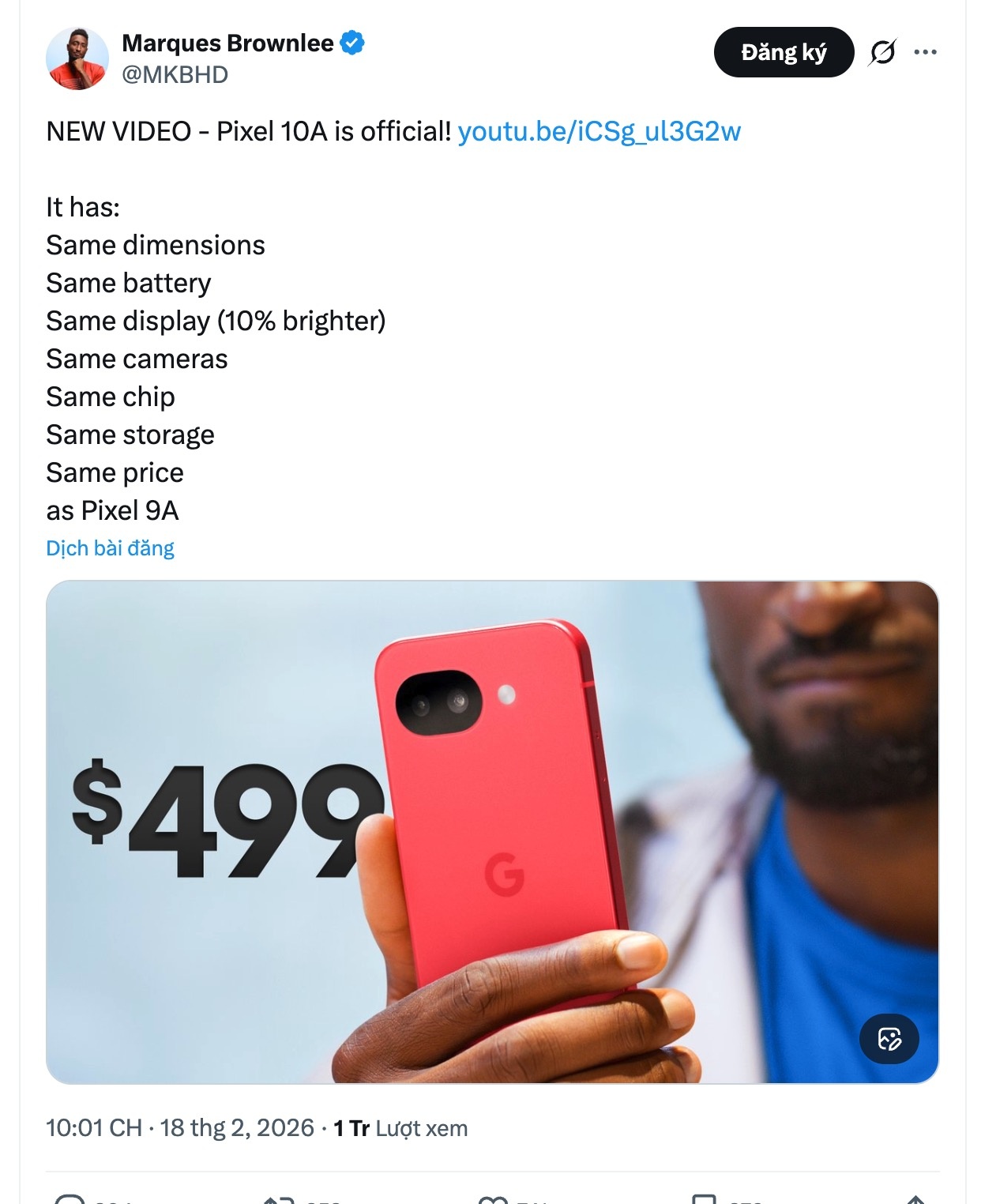 |
Marques Brownlee bluntly pointed out that Google launched a device that was no different from its predecessor. Photo: @MBKHD. |
The pressure is even more intense in the flagship segment. iPhones and Galaxy S models struggle to differentiate themselves at annual events. Since the iPhone X and Galaxy S20, the two leading manufacturers have gradually introduced updates in small increments. Years with major design changes often lack compelling new features, and vice versa.
This gradually reduces users' desire to upgrade their phones. From this, the annual flagship phone cycle, which has existed for nearly 20 years, is being questioned.
The dilemma for Samsung and Apple.
The smartphone industry over the past decade has shifted from a phase of innovation to one of optimization. With the global market reaching saturation, leading manufacturers like Samsung and Apple face a double pressure: maintaining brand presence through annual product launches while managing resources within the physical limitations of their hardware.
From this point on, the incremental upgrade strategy became the standard. Significant changes were strategically distributed across multiple generations instead of being concentrated in a single product lifecycle.
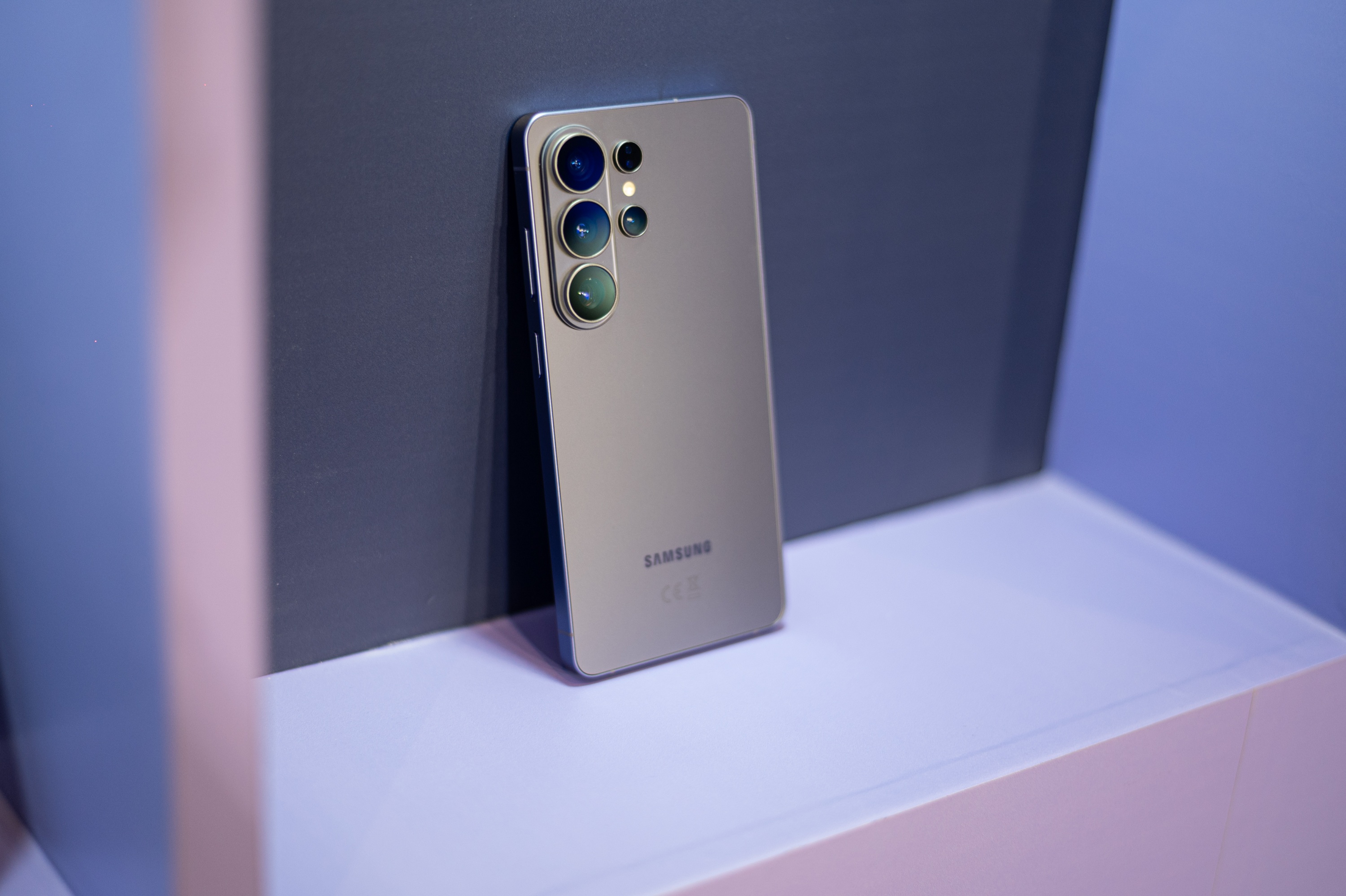 |
Galaxy S26 Ultra. |
Smartphones are made up of hundreds of components. Companies like Apple and Samsung control most of them but still collect the finished product at the end of the process, where they are assembled into a phone. Therefore, each company's upgrades depend heavily on developments in materials technology, manufacturing, and other related fields.
For example, phone performance is no longer groundbreaking. The real-world power differences between chip generations, such as the Snapdragon 8 Elite and Gen 5, or the Apple A17 Pro and A19 Pro, mainly focus on thermal management and AI processing capabilities rather than raw processing speed. This limits the features that Apple or Samsung can include on their phones.
Reaching the technological ceiling forces these companies to be more meticulous when adding features. For example, the iPhone 16 was introduced with a host of attractive AI solutions, but it was virtually identical in appearance to its predecessor. The redesigned iPhone 17 generation almost completely lacks outstanding functionality.
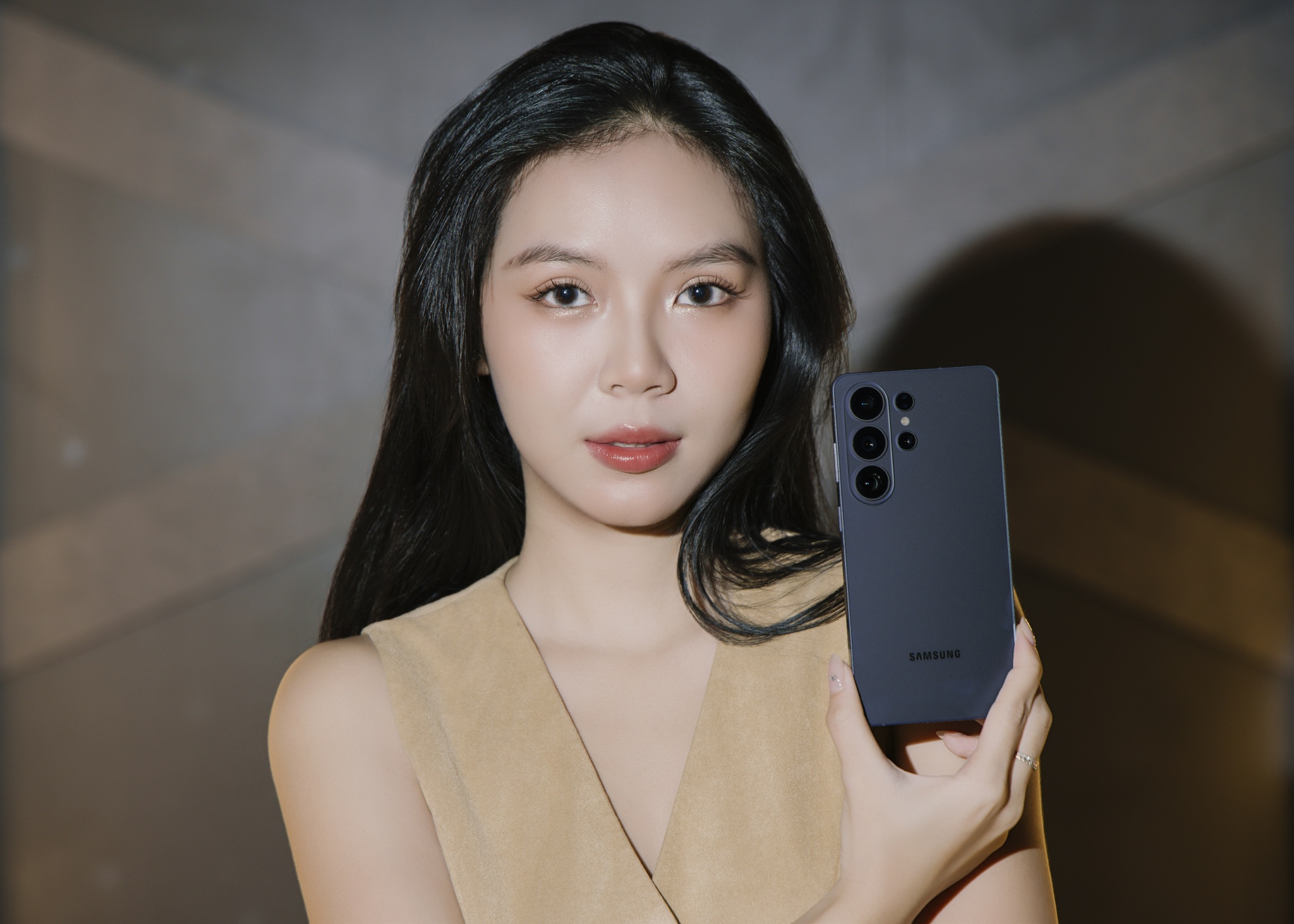 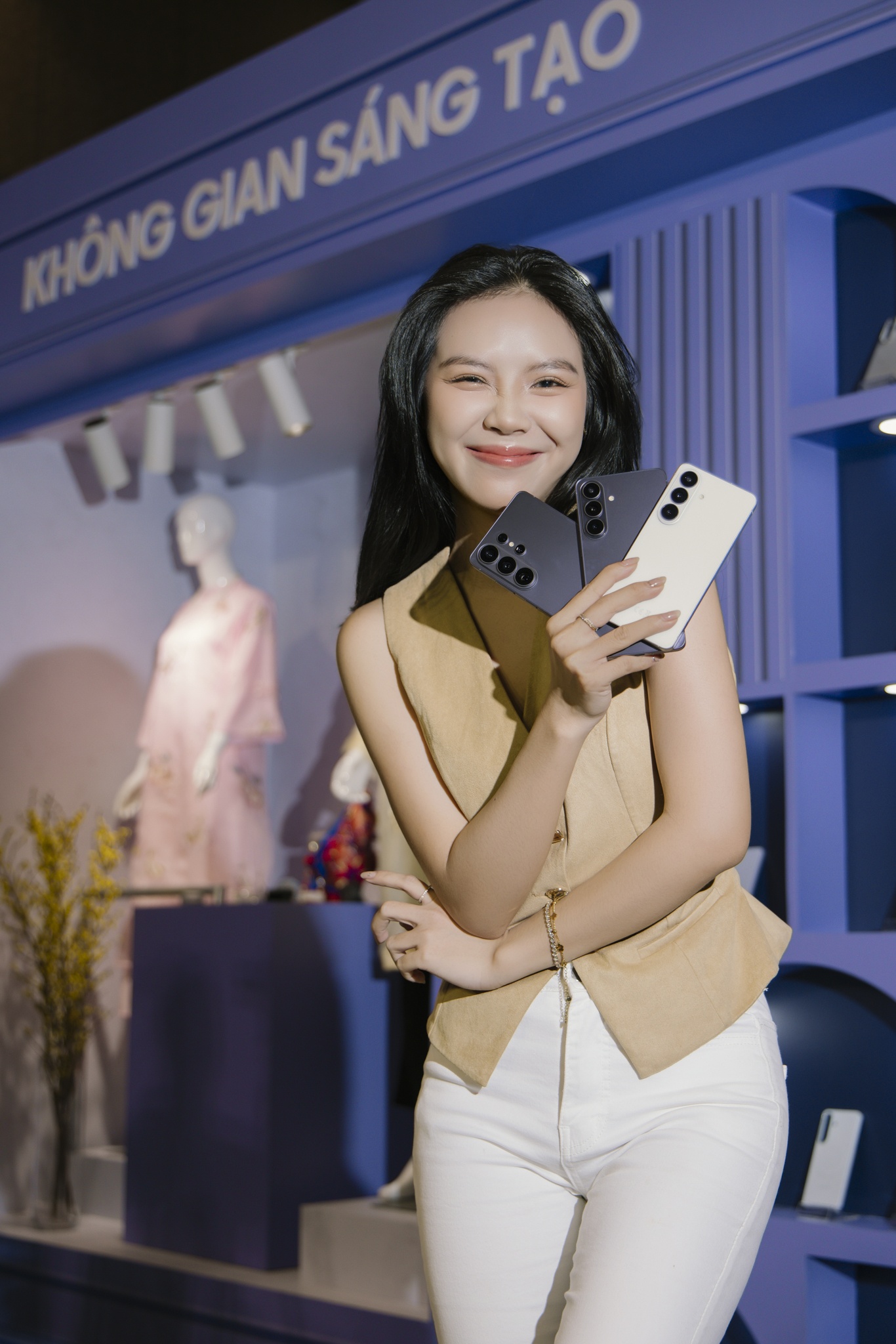 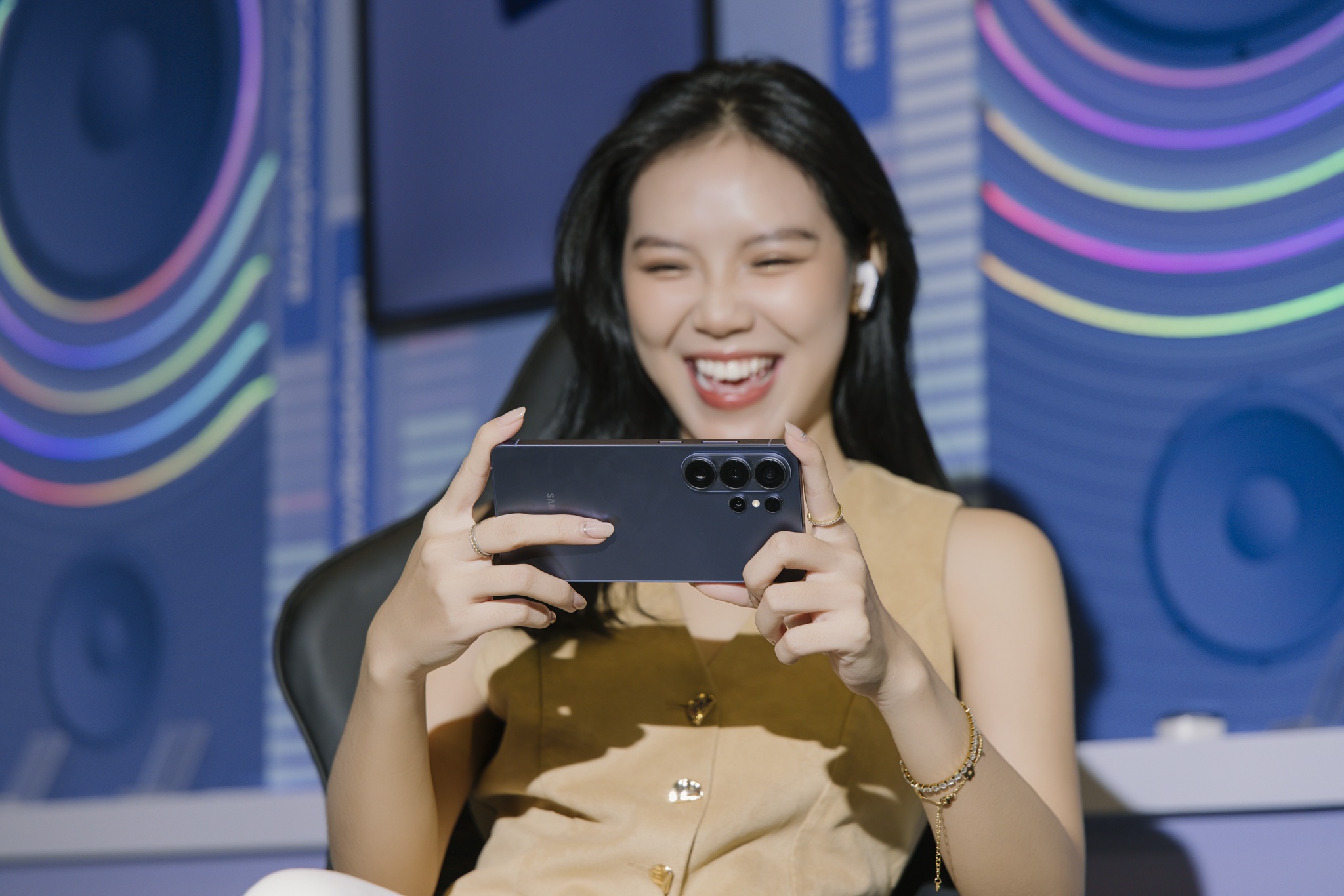 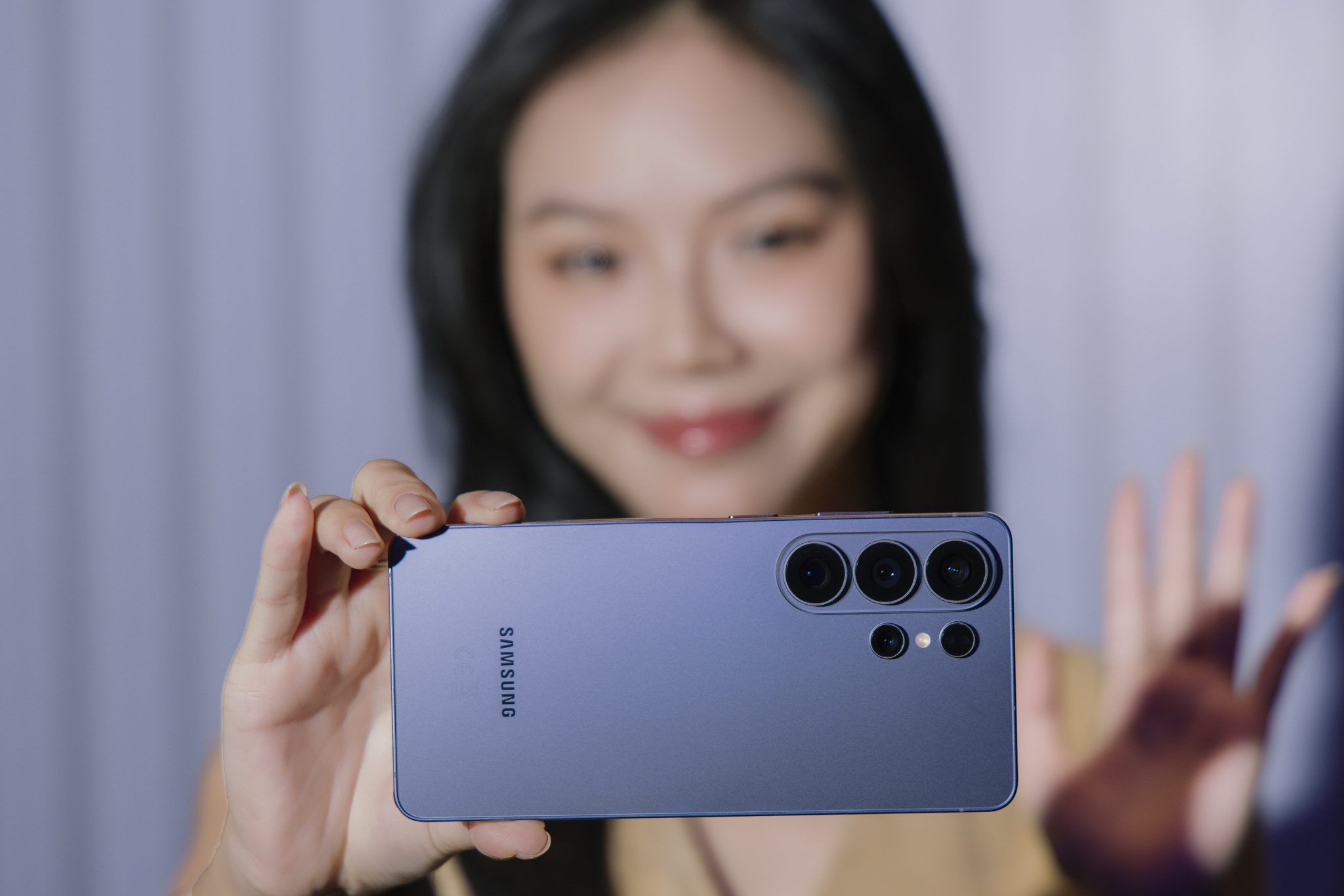 |
The Galaxy S26 Ultra features a redesigned exterior but lacks standout functionality. Photo: Phuong Lam. |
The newly launched Galaxy S26 Ultra features new materials, a redesigned frame, and a redesigned camera module. However, the new AI functions have only been added sparingly, significantly less than the previous two generations. The anti-spy technology is noteworthy, but not enough to become a compelling reason for users to upgrade.
Faced with less attractive products, these manufacturers sought new sales solutions. Trade-in strategies were also intensified to create a reason for customers to upgrade, even if their iPhones or Galaxy S phones were still working perfectly.
Chinese smartphones are more interesting.
In 2025, I attended two phone launch events in China. These were hours-long shows with a plethora of features unveiled, tested on-site, and thousands of spectators applauding non-stop. Compared to Apple's September shows or Samsung's Unpacked event that just ended this morning, these were far more vibrant and entertaining.
This is also directly reflected in the products. Each flagship product from Xiaomi, Oppo, Vivo, or Honor is distinctly different from its predecessor. Some new features are copied from Apple, others from Samsung, or even from domestic brands. However, overall, for the end user, these are innovative products.
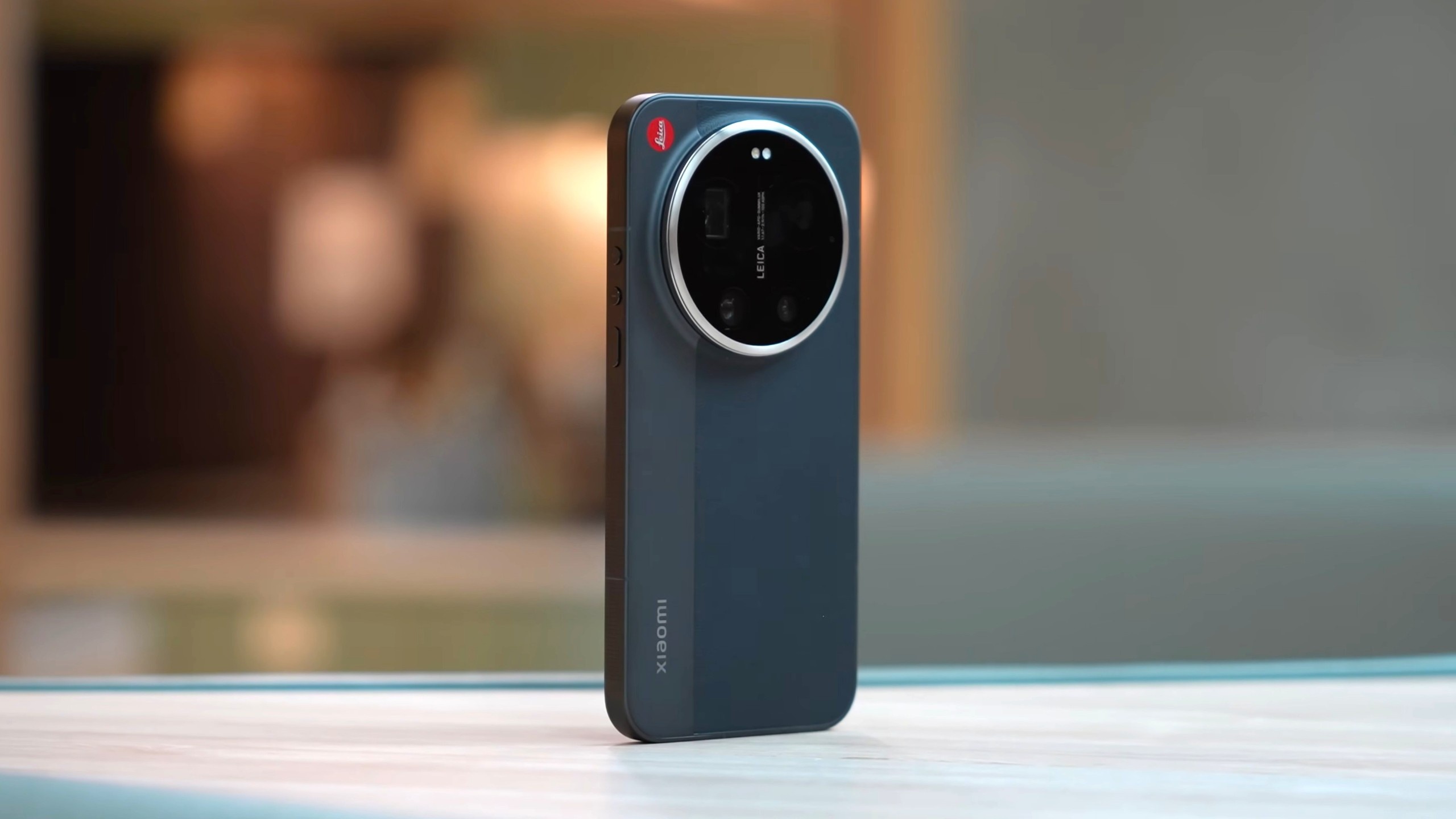 |
Chinese companies are more daring in designing and introducing products. |
Apple, Samsung, and Google cannot adopt the approach of Xiaomi or Oppo. The common point among these three companies, besides not being from China, is that they are global companies. They serve customers in hundreds of countries. Therefore, the characteristics of the users they need to serve are far more diverse. This becomes a burden for their R&D (Research and Development) teams.
This also limits the ability to update features and new technologies due to safety and legal risks in many countries.
Conversely, Chinese companies have over a billion domestic customers. The R&D departments of Xiaomi, Oppo, and Huawei that I visited are located in Shanghai, Shenzhen, or Beijing, instead of being scattered across many countries. Engineers at these companies only need to study the usage habits of Chinese consumers and develop products that meet the needs of this customer segment.
They also don't hesitate to copy and take advantage of the supply chain. The Xiaomi 17 Pro/Pro Max isn't just similar to the iPhone 17 in name. The user interface on the Find X9 significantly borrows from iOS. However, Chinese companies show no sign of stopping their imitation of Apple, even promoting their products as "complementary" devices to the iPhone. At the X300 series launch event, Vivo spent several minutes boasting that their products are easily compatible with the iPhone. Users can easily AirDrop photos, receive notifications via Apple Watch, or check the battery life of their AirPods.
Given Samsung's position, Google doesn't allow them to flaunt such solutions. This is partly why they find it difficult to showcase the innovative features of their products.
Source: https://znews.vn/samsung-apple-doi-dien-bai-toan-qua-suc-post1630361.html



















![[Photo] “Red Journey” 2026: Vietnamese Youth Continue Building the Bridge of Friendship Between Vietnam and China](https://vphoto.vietnam.vn/thumb/1200x675/vietnam/resource/IMAGE/2026/04/20/1776629730866_4055880775670638308-9618-4200-jpg.webp)



































































Comment (0)