This is essential in the roadmap for building smart cities and promoting comprehensive digital transformation. Not only does it help to increase transparency in parking operations, but this policy also brings many conveniences to citizens and contributes to improving urban management efficiency.
As a locality with one of the largest numbers of private vehicles in the country – approximately 8 million cars and motorbikes in circulation – Hanoi is facing immense pressure on parking. For many years, parking operations at numerous locations have suffered from shortcomings such as manual fee collection, revenue loss, difficulty in controlling service prices, or the occurrence of overcharging. Therefore, applying technology to management is considered an effective solution to overcome these limitations.
When license plate recognition cameras, vehicle management software, and electronic payment systems are implemented synchronously, all transactions are recorded, stored, and connected to the management agency. This helps increase transparency, reduce revenue losses, and create a healthy business environment for service providers. Experience from units that implemented these systems early shows that revenue is managed more effectively, and losses are significantly reduced compared to before.



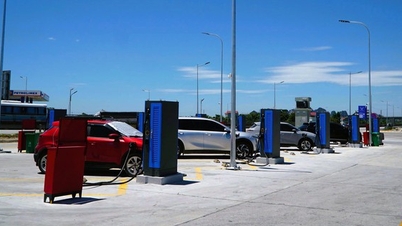
For the public, the most obvious benefit is convenience. Instead of having to prepare cash or wait for paper tickets, those parking their vehicles can pay quickly through bank accounts, e-wallets, or integrated digital platforms. In the context of increasingly popular cashless payments, digitizing parking operations will contribute to the formation of civilized and modern transaction habits, in line with the development trends of the digital society.
However, alongside the obvious benefits, the transition also presents numerous challenges. Elderly people or those unfamiliar with technology may encounter difficulties in the initial stages. Some smaller parking lots have limited resources for investing in technical infrastructure. Furthermore, the risk of system failures, connection loss, or software errors must also be considered to avoid impacting operations.
These difficulties are unavoidable in any digital transformation process. It is crucial that authorities have a suitable roadmap, provide timely technical support, and develop contingency plans to ensure smooth operation. Simultaneously, it is necessary to intensify communication and guidance to familiarize people with the new payment methods, avoiding any hesitation or confusion when using them.
From manual paper tickets to license plate recognition and electronic payment systems, this represents a major shift in urban traffic management. While some obstacles remain, the digitalization of parking fee collection is an inevitable trend. If implemented comprehensively and effectively, this will not only improve service quality but also contribute to building a transparent administration, promoting the digital economy , and gradually realizing the goal of developing a smart and modern capital city.



Source: https://nld.com.vn/so-hoa-viec-thu-phi-giu-xe-196260611153415197.htm


![[Photo] General Secretary and President To Lam attends the 13th National Congress of the Ho Chi Minh Communist Youth Union](https://vphoto.vietnam.vn/thumb/1200x675/vietnam/resource/IMAGE/2026/06/25/1782356968989_ndo_br_1-jpg.webp)











































![[Photo] General Secretary and President To Lam attends the Central Public Security Party Committee Conference](https://vphoto.vietnam.vn/thumb/1200x675/vietnam/resource/IMAGE/2026/06/24/1782302063612_a1-bnd-9302-9166-jpg.webp)