Bringing traditional brocade fabrics "to the streets"
Born in 1996 in Trap hamlet, Cu M'gar commune, Dak Lak province, H'Loang Mlo grew up in the distinctive cultural environment of the Ede people. From a young age, the image of her grandmother and mother diligently working at the loom, their skillful hands weaving threads to create intricate patterns, was deeply ingrained in her mind. For H'Loang, brocade is not just clothing, but a symbol of the patience and spirit of the women of the Central Highlands.
However, with the development of society, the number of looms in the village is decreasing. Young people are gradually moving away from the traditional craft, opting instead for the convenience of ready-made clothing.
“I was born and raised in the village, and the craft of weaving brocade with looms has always been closely associated with the villagers. However, over time, the number of looms has decreased, and so have the brocade weavers. I am very concerned and determined to find a way to revive and rebuild the brocade weaving craft,” H’Loang shared.
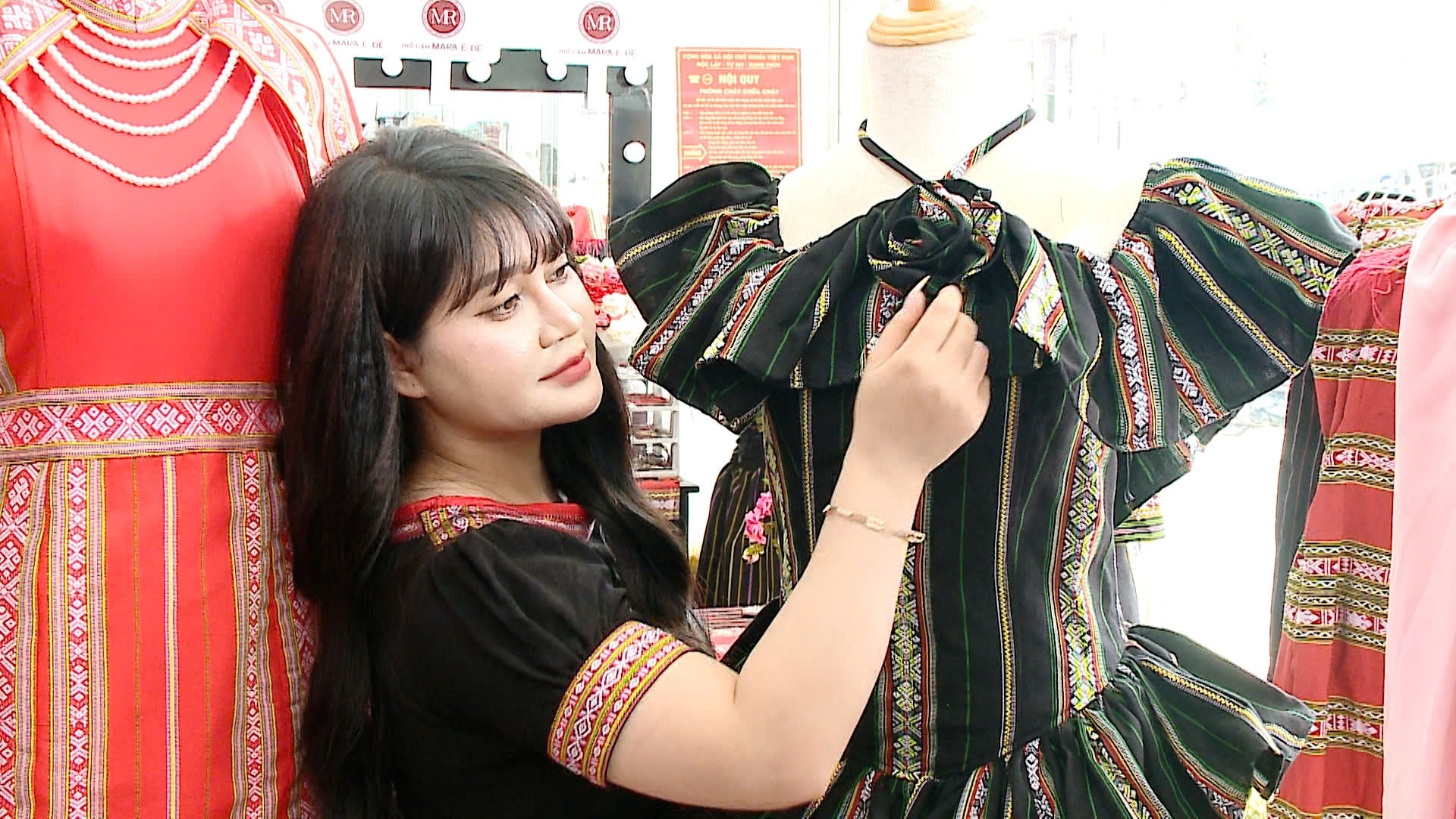
H'Loang's decision to bring brocade to the streets wasn't simply a matter of making a living, but a strategy for preservation. She understood that for brocade to thrive, it needed to be present in the busiest places, reaching the widest range of customers. However, the entrepreneurial journey of a young woman from a remote village wasn't a bed of roses. In the early days of opening her shop in Buon Ma Thuot, the pressure of rent, capital, and sourcing goods sometimes made her struggle. But it was her national pride that became the driving force to keep her going.
To integrate traditional brocade into modern life, H'Loang Mlô chose to innovate the designs to suit contemporary tastes while still preserving the main patterns and colors of the ethnic costumes. At her shop, traditional brocade fabrics, through innovative designs, have been transformed into modernized dresses, jackets, and sophisticated accessories.



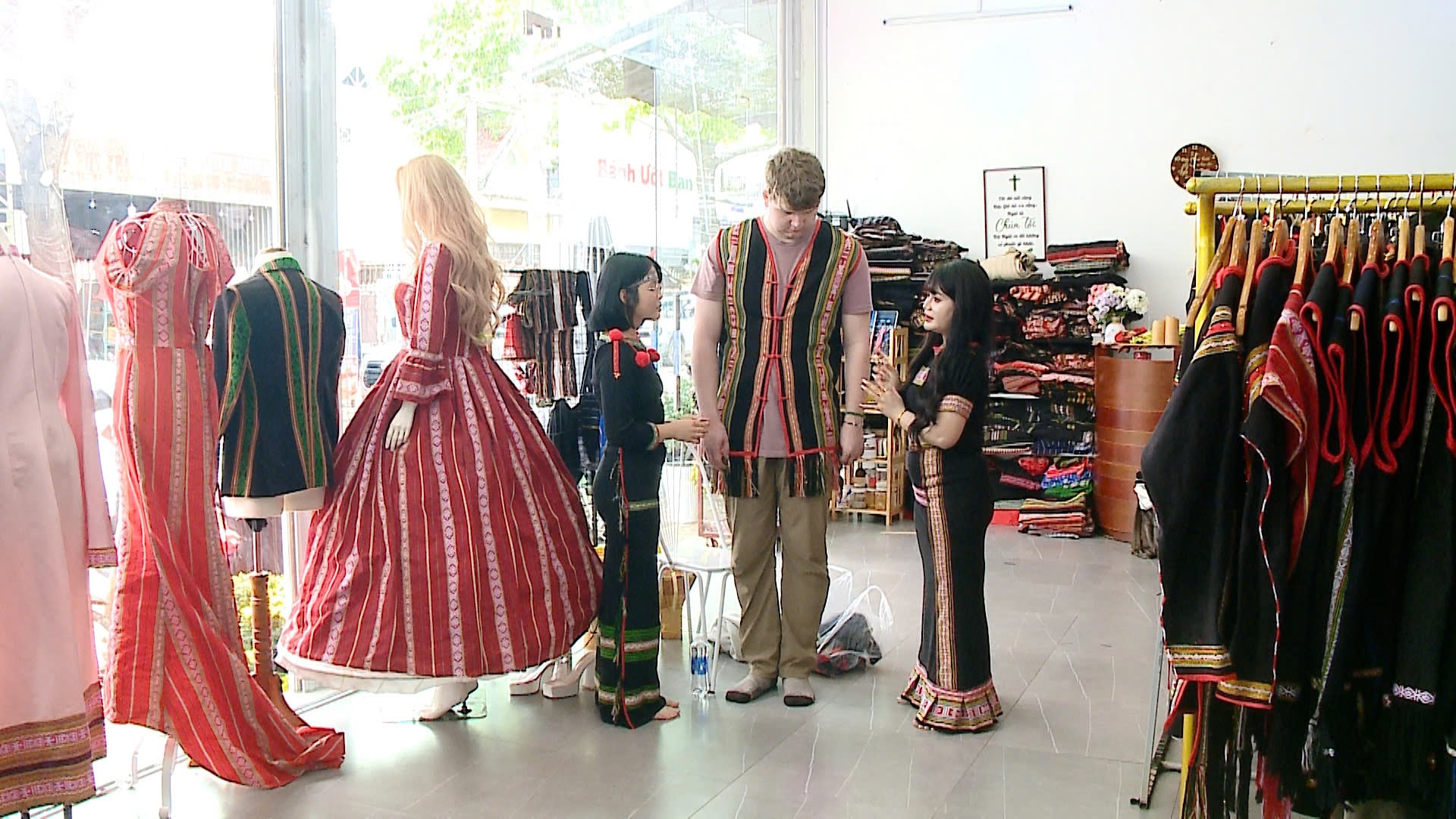
Ms. H'Loang Mlô said: "I designed the costumes myself, creating a variety of styles to suit different occasions and conditions, making them easier to wear. The costumes are not only worn during festivals but also in daily life. When people accept them, I feel very touched that I can do something useful for my people and community."
This " fashionization " helps Ede brocade overcome barriers in terms of practicality. Wearers feel more confident and comfortable while still being proud of the distinctive patterns of the mountains.
Spreading heritage values through tourism bridges.
H'Loang Mlô's business model goes beyond just business; it also contributes to creating stable jobs for local workers. It's a place where young people can work while simultaneously spreading pride in their own cultural identity.
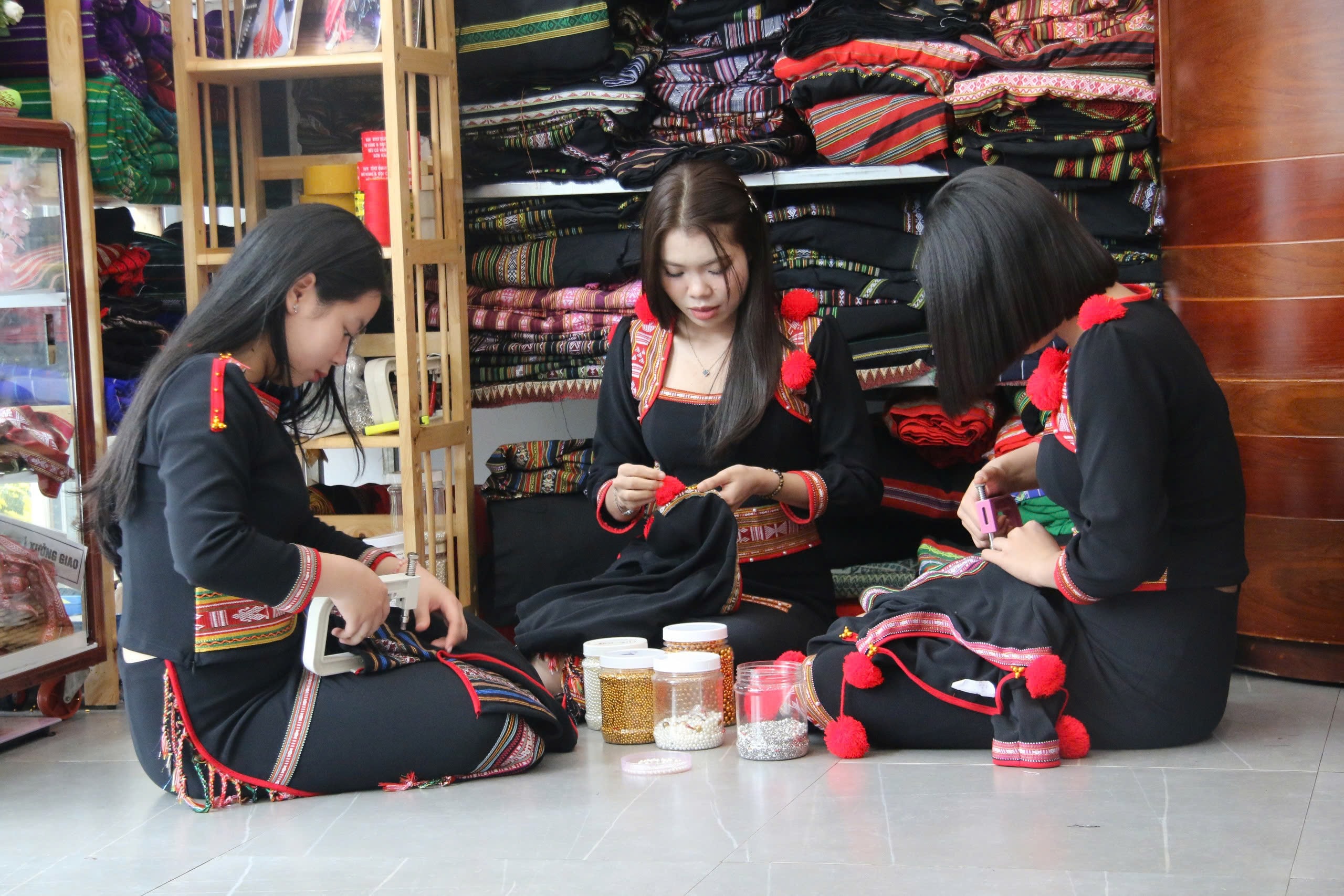
H'Lagi Mlô (from Cư M'gar commune) shared: “I am very proud to do this job. It not only provides me with a stable income but also helps me better understand the traditional cultural identity of my own ethnic group. When introducing the products, I see it not only as promoting the products but also as contributing to spreading and preserving traditional cultural values, helping brocade fabrics reach more people.”
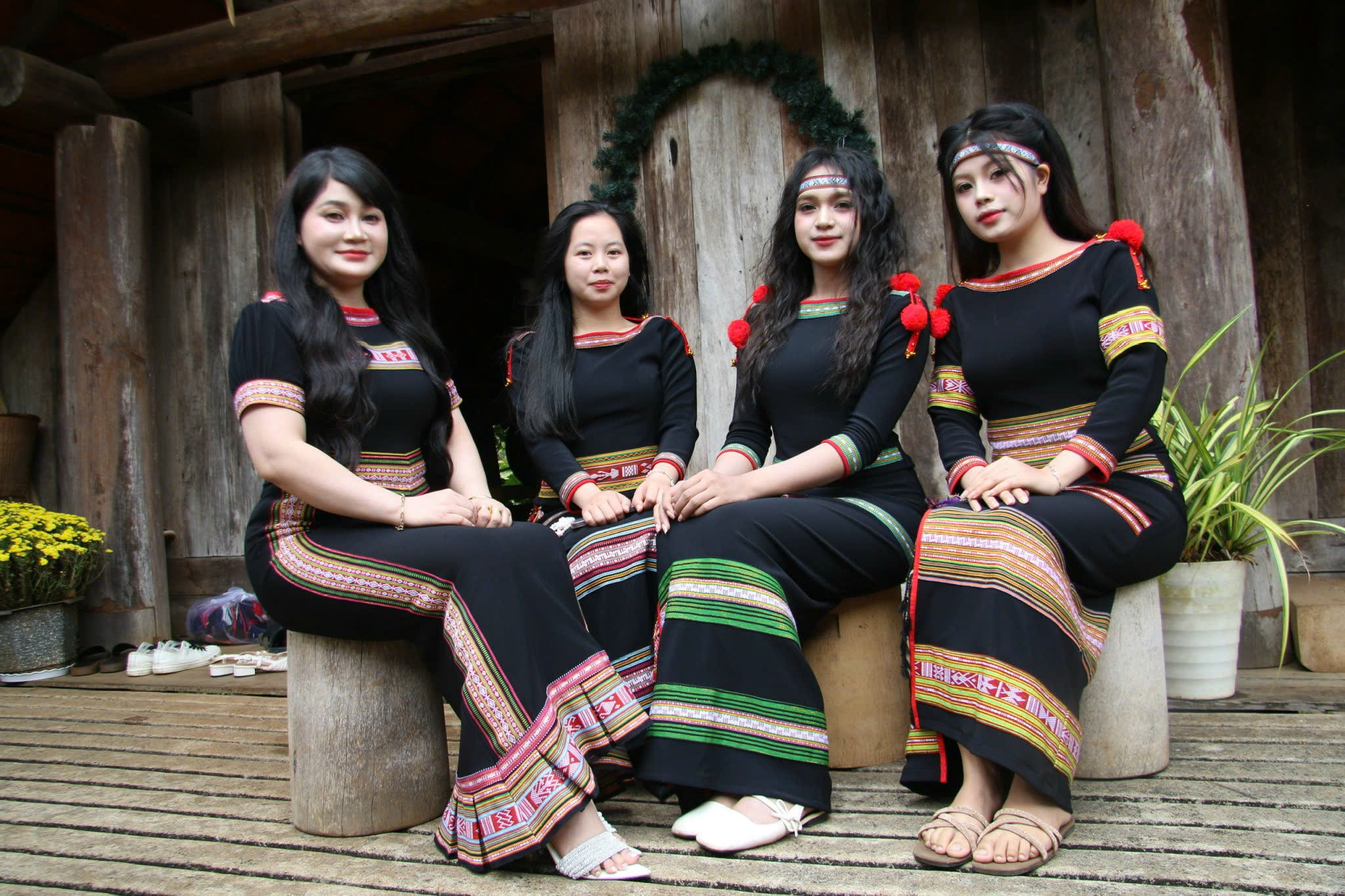
Today, Ede brocade is not only present in daily life but has also become part of the tourism experience. At many tourist attractions in Dak Lak, visitors are delighted to wear the traditional Ede costume to capture memorable moments.
"Wearing the traditional Ede clothing made me feel very comfortable; it's truly beautiful. I also want to buy some as gifts for my family," expressed Donovan Fink, a tourist from the United States.


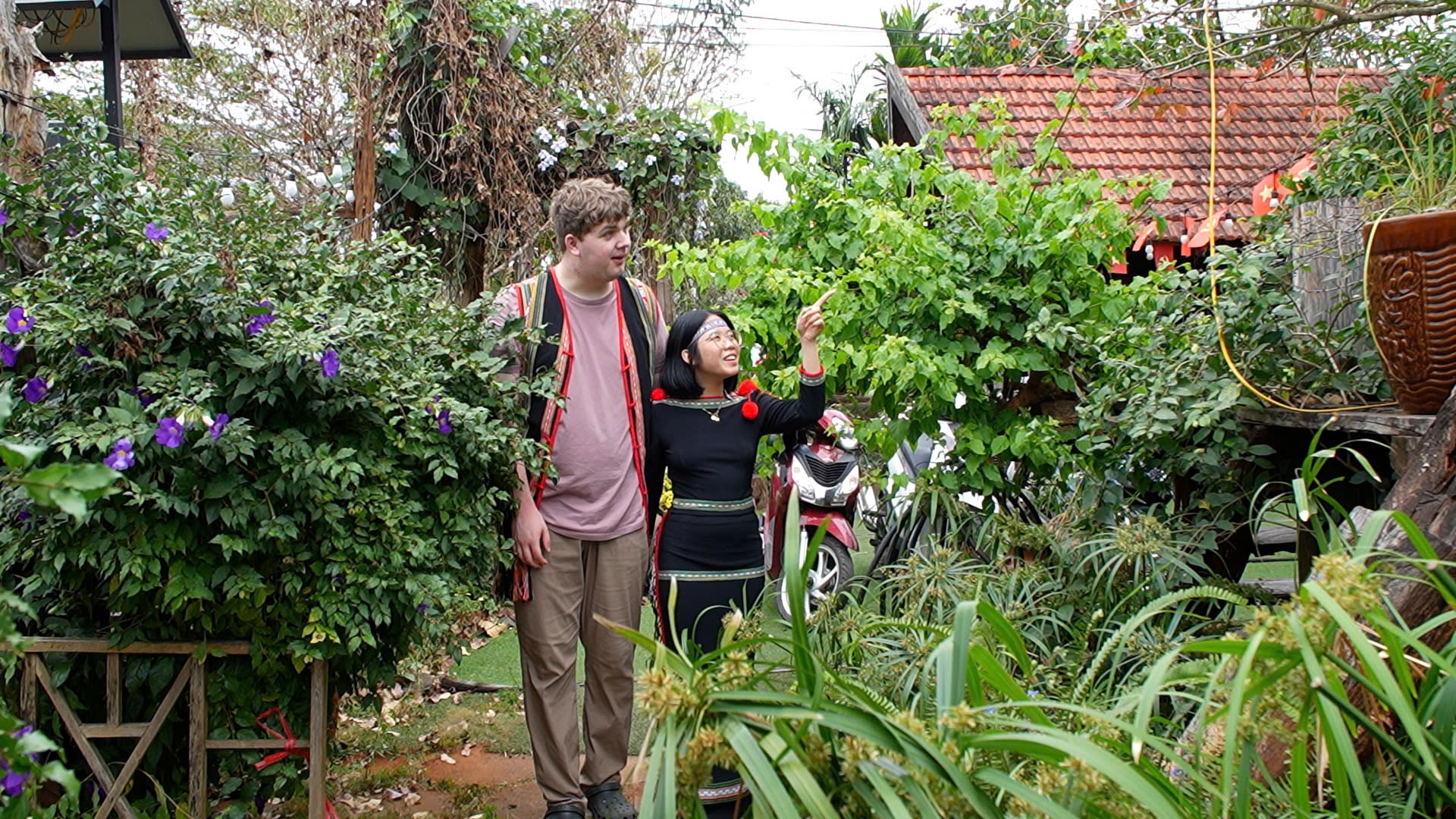
The positive reception from tourists not only brings economic value but also affirms the correct direction taken by young people like H'Loang in integrating brocade into the flow of tourism and cultural life.
From traditional village looms to modern-inspired designs, the journey of "fashionizing" Ede brocade continues, fueled by the enthusiasm of youth. H'Loang Mlô's efforts not only contribute to preserving a traditional craft but also affirm the vitality of cultural heritage in the heart of the city.
Source: https://daibieunhandan.vn/suc-song-moi-cho-tho-cam-e-de-10408080.html