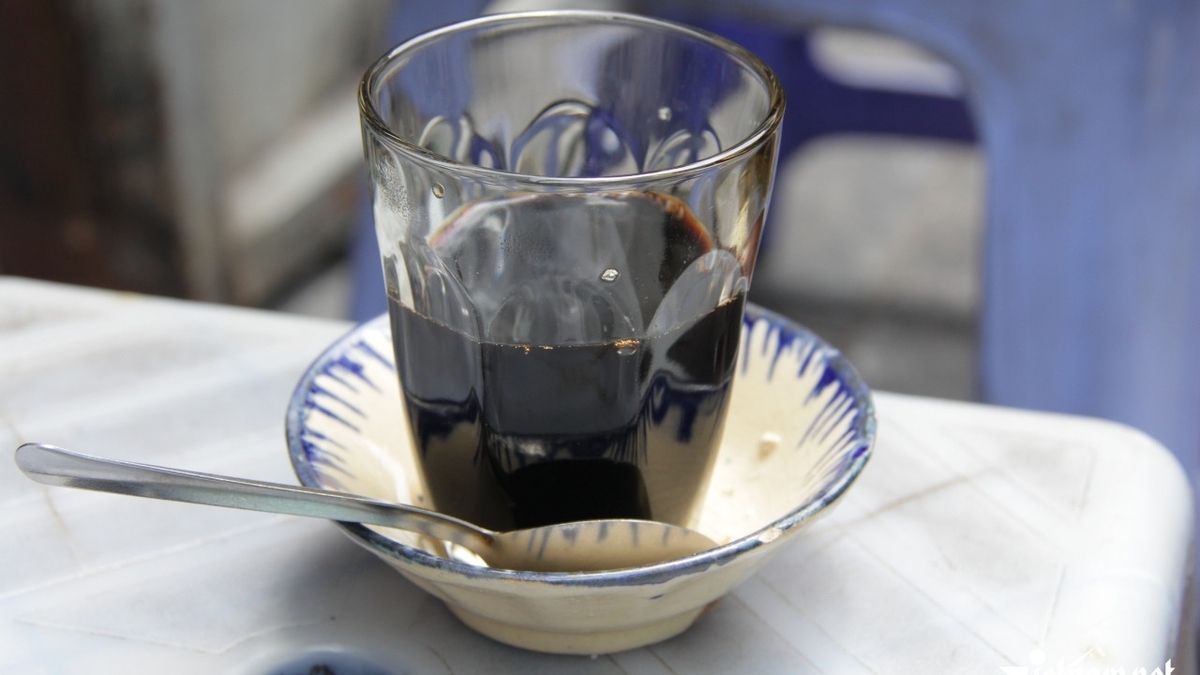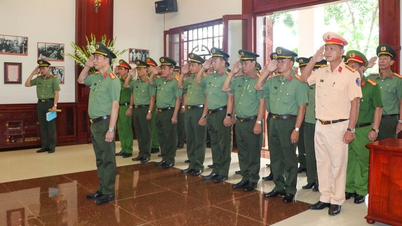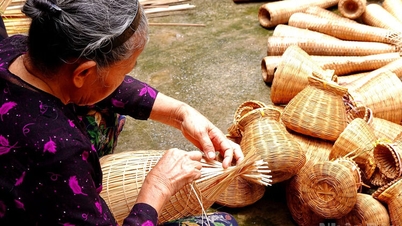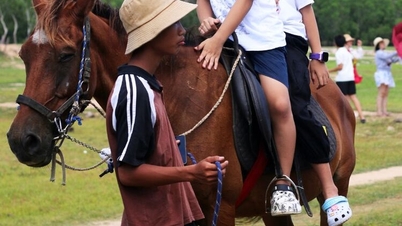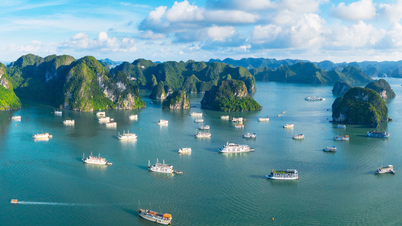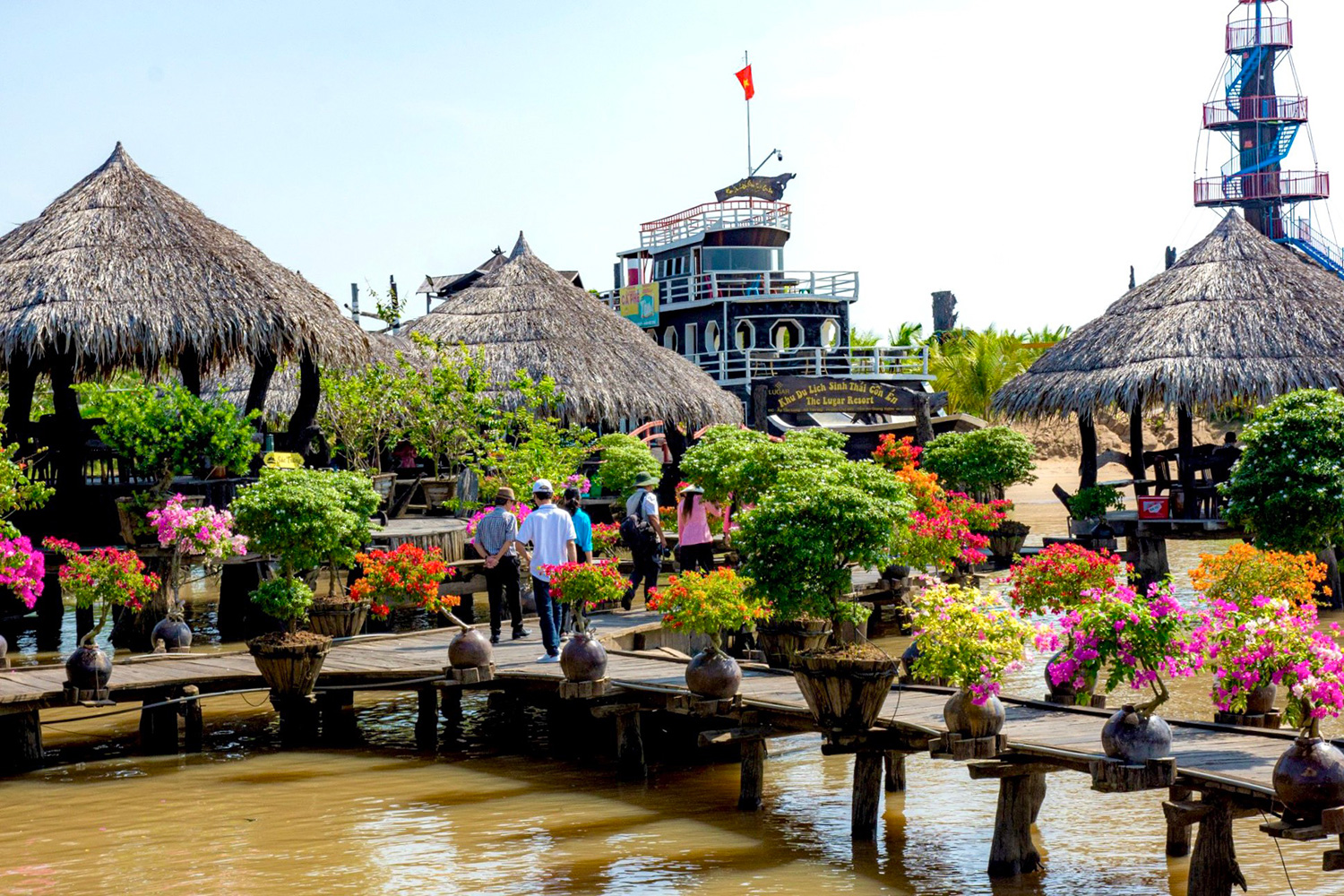
Traveling during the flood season at Con En eco-tourism site. Photo: Hanh Chau
Located in the middle of the Tien River, a branch of the Mekong River, Cu Lao Gieng is 12km long and 7km wide. It has long been known as a "green island," a land rich in the cultural identity of the garden region and the spiritual beliefs of the people of Southern Vietnam, thus contributing to the development of tourism here. The entire commune has 24 religious and spiritual establishments, creating a harmonious and unique cultural and religious landscape. These include the Catholic architectural complex: Cu Lao Gieng Church, built in 1875, one of the oldest churches in Southern Vietnam; the Convent of Divine Providence, built in the 1970s in the Romanesque style, with a large grounds of over 70,000m² ; and the Franciscan Convent, with a 71,000m² grounds, built in 1876, a place for training priests from many regions.
Cu Lao Gieng is also notable for its historical and revolutionary sites such as: Tan My Temple, classified as a provincial-level architectural, artistic, and historical revolutionary relic; the Nguyen Clan Ancestral Temple (also known as Quan Thuong Dang Palace) and the Duong Cong Phu Historical Site (Duong family ancestral temple), both classified as provincial-level historical relics. Many famous Buddhist pilgrimage sites attract tens of thousands of visitors from within and outside the province, such as Thanh Hoa Tu (also known as Ong Dao Nam Pagoda), built in 1953; and Phuoc Thanh Pagoda (Chim Pagoda), which holds the Vietnamese record for the largest complex of Amitabha Buddha statues and 48 Bodhisattva statues…
Vo Minh Nang, Secretary of the Party Committee and Chairman of the People's Council of Cu Lao Gieng commune, shared: “The Party Committee and people of Cu Lao Gieng are proud of this land of outstanding people and glorious history, the homeland of many prominent historical figures: Thu Ngoc Hau Nguyen Van Thu - a military general during the Nguyen dynasty with great strategic talent; the late Minister of Health Nguyen Van Huong (1906 - 1998) - a professor, doctor of microbiology and traditional medicine, a delegate to the 1st National Assembly, Vice Chairman of the Standing Committee of the 2nd and 3rd National Assemblies, Hero of Labor, People's Physician, awarded the First Class Independence Medal and the Ho Chi Minh Prize in the first round in 1996. This is also the homeland of the late Minister of Foreign Affairs Ung Van Khiem (1910 - 1991), a delegate to the 1st, 2nd, and 3rd National Assemblies…; Hero of the People's Armed Forces Huynh Van Trien (1921 - 1964); former Governor of the State Bank of Vietnam Nguyen Van Giau - Chairman The National Assembly's Economic Committee; Professor, Doctor, scientist Nguyen Ngoc Tran, the late musician Hoang Hiep…”.
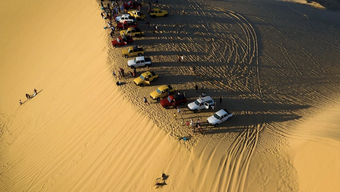
With a dense population and a production base primarily based on agriculture, with 100% of its land dedicated to mangoes, vegetables, and fruit trees, Cu Lao Gieng is known as the "mango billionaire village," with its rows of orchards and warehouses... providing a foundation for the development of ecotourism and spiritual tourism linked to its distinctive agriculture. A prime example is the Con En ecotourism site, nestled beside the tranquil Tien River. "My family and friends really enjoy coming here because of its creativity and uniqueness in the heart of the Mekong Delta. The children have fun taking photos, swimming in the sand dunes, and playing water games; friends enjoy the rustic Western Vietnamese cuisine," said Mr. Huynh Thanh Phong, a resident of Long Xuyen ward.
Comrade Vo Minh Nang proudly stated: “Building on traditions, potential, and advantages, during the 2020-2025 term, the Party Committee, government, and people of Cu Lao Gieng commune will develop a brand for three-colored mangoes, develop a production and consumption chain linked with the application of science, technology, and digital transformation; leverage the advantages of the island region to develop eco-tourism, spiritual tourism, community tourism models, and homestays. All three communes before the merger have achieved advanced new rural standards, with Binh Phuoc Xuan commune achieving model new rural status.”
Visiting Cu Lao Gieng today, cars can easily navigate the fields, reaching even the most remote gardens; the roads are lined with vibrant flowers; and socio-economic infrastructure has been invested in. The lives of the people are gradually improving, with an average per capita income exceeding 82 million VND per year; political security, order, and social safety are maintained... These achievements are important prerequisites and foundations for building the new Cu Lao Gieng commune into a strong administrative unit, comprehensively developing in economy, culture, and tourism in the new era.

Source: https://baoangiang.com.vn/tham-cu-lao-gieng-a461748.html