

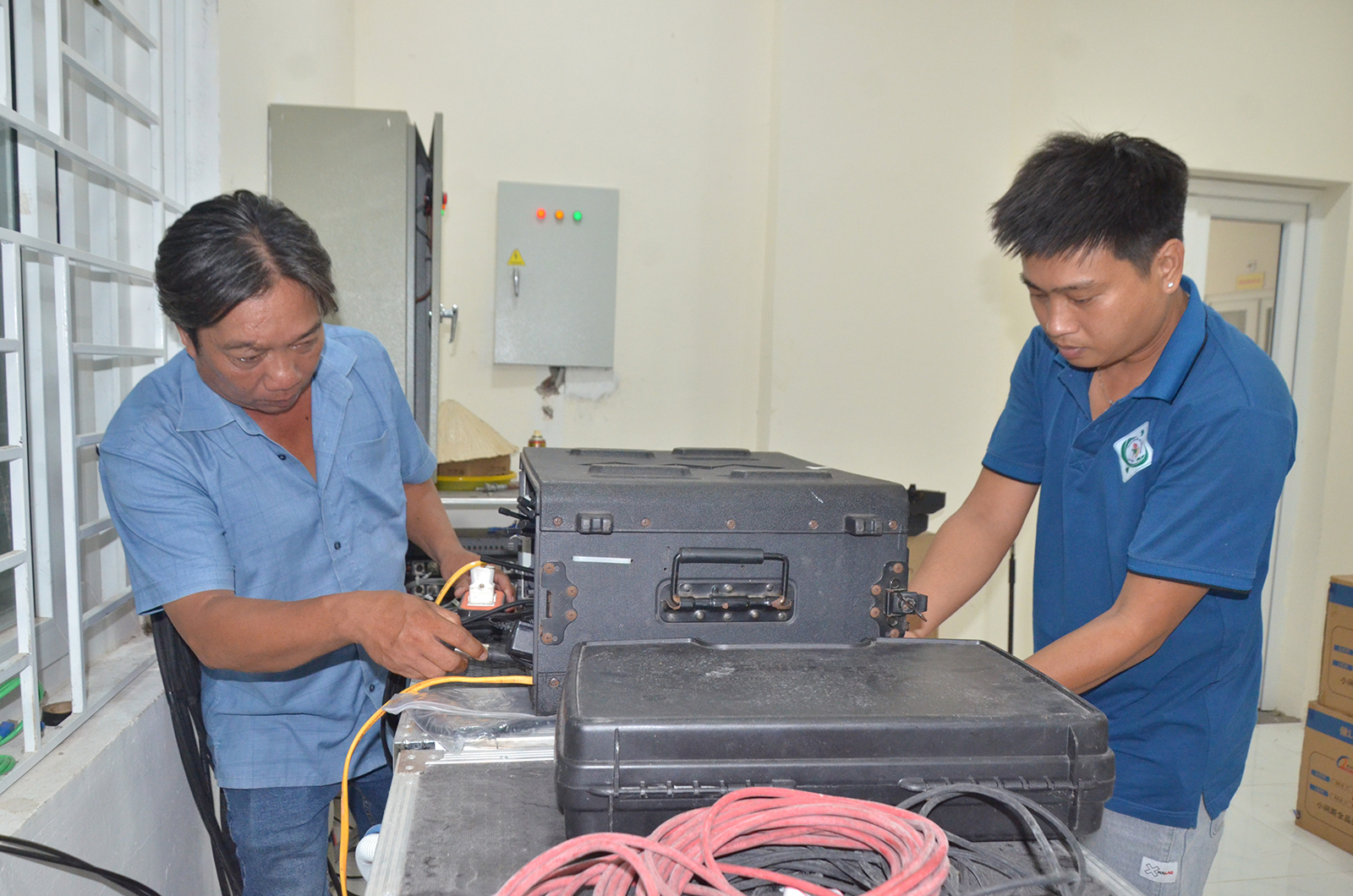
Mr. Do Thanh Tung (left) and Mr. Ly Thai Duong inspect the audio equipment. Photo: MINI
Having worked behind the scenes and been in charge of sound engineering for over 25 years, Mr. Do Thanh Tung - an employee of the Provincial Cultural and Arts Center - has countless memories of his profession, but his greatest joy is seeing programs and events run smoothly until the very last minute.
According to Mr. Tung, to have a formal program lasting several hours, the sound and lighting technical team must arrive at the venue several days in advance to prepare thoroughly. First, they survey the site and calculate options to meet the organizers' requirements. Then, they design the stage blueprints, erect the stage, install the lighting system, position the speaker clusters, and prepare the LED screen effects… “The outdoor stage construction process is very hard, especially in unfavorable weather conditions, with unexpected rain and storms. We prepare while also having contingency plans, covering the equipment to prevent water damage. Every evening, the team sleeps in hammocks on the stage floor to guard the equipment and handle any incidents that may occur,” Mr. Tung shared.
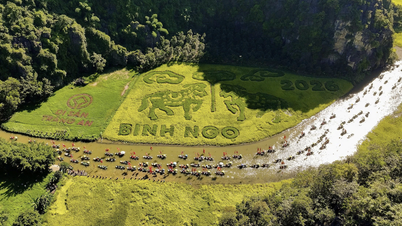
Speaking of outdoor stages, Mr. Tung recounted an unforgettable memory. A few years ago, he and his colleagues brought equipment to the Kien Hai special zone to prepare a stage for the Nghinh Ong festival. When the stage was almost completely erected, a storm swept through, the strong winds causing the stage to collapse and damaging much of the equipment. “At first, we planned to finish it with a little more work, then we could eat, drink, and rest, but unexpectedly, just one storm passed, and we had to start almost everything from scratch. To ensure the program started on time, we had to race against time, quickly eating a bowl of rice and immediately getting back to work. That night, we hardly slept, and by the next morning the stage was completely rebuilt, and the program went smoothly,” Mr. Tung recounted.
The backstage crew's mood is always one of intense anticipation, no less than that of the artists, singers, and actors on stage. Because, during a show, they must closely follow the script to monitor and adjust the rhythm, sound, and lighting to ensure everything is perfect. Even a small malfunction in sound or lighting can affect the entire program, so every minute that passes is a source of pressure for them.
According to Mr. Ly Thai Duong, the lighting director at the Provincial Cultural and Arts Center, a large-scale art program can utilize 200 lights, each with its own function and requiring precise programming for each moment. If even one light malfunctions, the lighting effect can be disrupted, diminishing the highlight of the performance and even affecting the overall emotional flow of the program. Therefore, lighting technicians must meticulously check each piece of equipment, test the program, and be prepared to handle any issues to ensure the stage is always brightly lit and flawless. "Although it's hard work, stressful, and rarely mentioned, for me, the moment the stage lights up perfectly, adding soul to the song and elevating the audience's emotions is the greatest reward of this profession," Mr. Duong expressed.
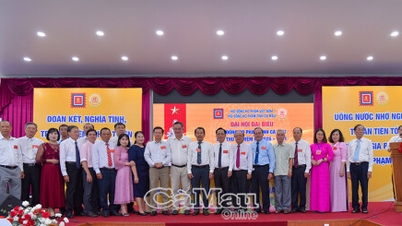
Many sound and lighting technicians share that the most stressful and nerve-wracking moment is when the national anthem is sung. This is a sacred and solemn ritual that requires absolute precision in political events. Even a slight delay, volume imbalance, static, or signal delay can disrupt the ceremony and affect its solemn atmosphere. “During the flag-raising ceremony and the singing of the national anthem, leaders, delegates, and citizens are usually present, with all eyes focused on the stage, so the pressure on sound and lighting technicians is even greater. It’s not just a performance; it’s a responsibility and a matter of honor for those in the profession,” Tùng shared.
Source: https://baoangiang.com.vn/tham-lang-sau-anh-den-san-khau-a470771.html































































































Comment (0)