


 |
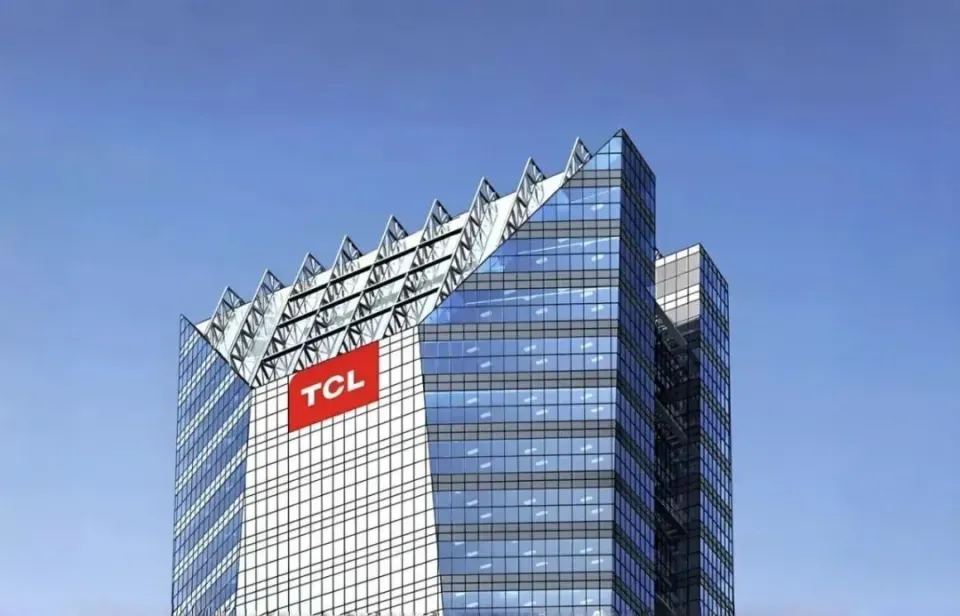
TCL is facing a challenging situation. Photo: QQ News . |
In recent years, the volatility of the panel cycle, coupled with the uncertainty surrounding technological paths, has plunged the display industry into a state of "high turbulence." In this context, choosing the right direction has become a matter of survival, rather than simply following the crowd or general trends.
TCL, a major Chinese technology conglomerate, is facing a cyclical change. In a market with an unpredictable future, investors are watching to see if the company has the courage to forge its own path.
Safe choice
Over the past five years, the display panel industry cycle has generally been in decline. South Korean manufacturers are accelerating the transition from LCD to OLED, causing the industry's overall trend to shift sharply once again. In this context, the industry's main directions are gradually diverging, making the right choices even more crucial, according to QQ News.
TCL's recent choices demonstrate stability, effort, and a degree of risk-taking. The company acquired LGD's 8.5-generation production line capacity in Guangzhou. This decision is seen as living for the present before embracing the future.
The reason LCDs have been unprofitable for so long is due to excessive overproduction capacity. Aside from flagship smartphones switching to OLED, LCDs, with their cost and performance advantages, will continue to dominate the mainstream market in the large-screen segment.
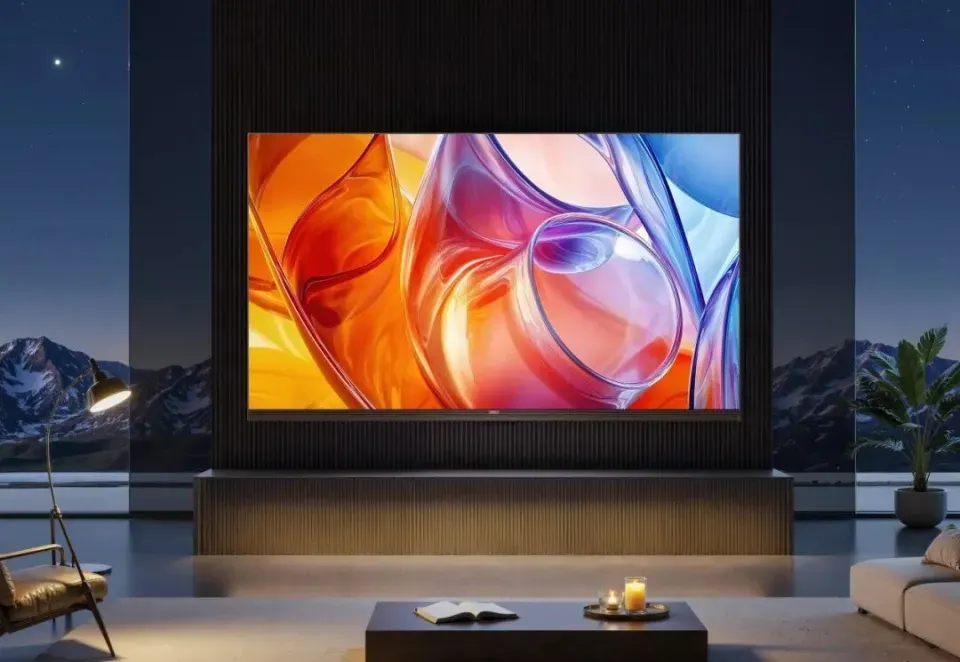 |
LCDs are still widely used in large devices. Photo: TCL. |
However, businesses are being cautious about expanding LCD panel production due to the current uncertainty in the industry. Experts advise against investing in new production lines, suggesting instead that they wait for TV sizes to continue increasing and downstream demand to remain stable, at which point the market will naturally absorb the excess capacity.
Therefore, sticking to LCDs offers security as production only needs to be adjusted according to demand. Photon Planet says demand for this industry will remain strong for at least the next 2-3 years.
On the other hand, with the rapid rise of OLED, TCL is focusing on Mini LED, a technology based on techniques such as enhanced local dimming, which brings the contrast quality closer to that of self-illuminating displays like OLED.
This was once considered a transitional technology, a way to extend the lifespan of LCDs. As a result, OLED's overwhelming advantage in the high-end TV market is no longer absolute. Even Samsung, which was the biggest bet on OLED, has returned to Mini LED in the high-end TV segment.
The gamble of the big screen star.
Manufacturers are constantly pushing research and development, taking LCD technology to a new level. However, Mini LED also has many limitations, such as high power consumption and difficulty in application to mobile devices, thereby limiting its efficiency and scope of application.
For TCL, relying solely on Mini LED and large-screen displays may not be enough to maintain a competitive edge. The company is taking a gamble by investing in printed OLED, a technology that is not yet fully mature but is considered to have greater potential.
The company's approach is also different from its competitors. TCL has undertaken a joint investment project with the Guangzhou government, totaling approximately 29.5 billion RMB, to begin construction of an 8.6-generation printed OLED production line. Upon completion, this will be the world's first large-scale mass production line for printed OLEDs.
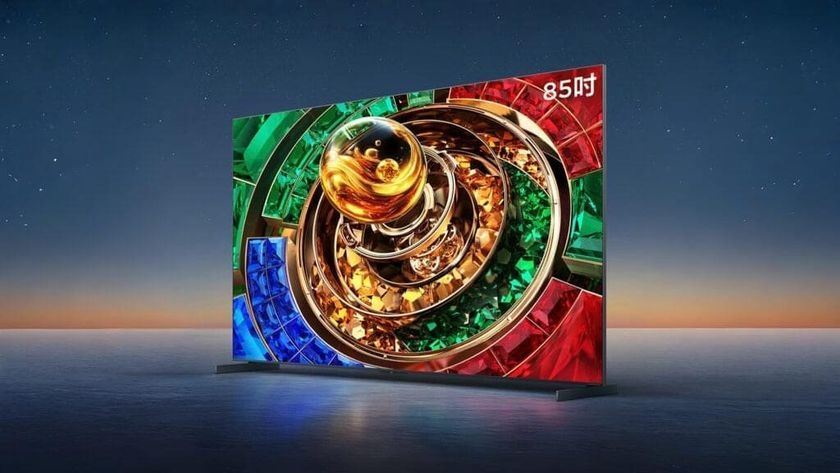 |
OLED inkjet printing technology will help reduce costs. Photo: TCL. |
In theory, compared to traditional vapor deposition methods, printing technology offers advantages in material efficiency and cost structure, and is more suitable for medium and large sizes. However, the biggest challenge lies in translating theory into practice.
According to an industry insider, an OLED pixel is essentially a structure composed of multiple layers stacked on top of each other. However, OLED printing technology faces numerous technical challenges, ranging from film layer accuracy and the problem of damaging layers before printing the next, to consistent quality, pixel density (PPI), and product yield.
If it fails, TCL could fall behind. Conversely, the company will have a chance to overtake, but the advantage is not clearly guaranteed, as even standard OLED technology is already dominated by major players in Japan and South Korea.
In an extremely capital-intensive, rapidly changing industry with no clear standards, TCL is proving to be a testament to courage and strategic thinking. Despite the uncertainty, they are attempting to forge their own path, rather than simply following the crowd or general trends.
Source: https://znews.vn/the-kho-cua-tcl-post1609611.html


































































Comment (0)