The peace agreement between the United States and Iran ended hostilities on all fronts, including the conflict between Israel and Hezbollah in southern Lebanon, and reopened the Strait of Hormuz. At the same time, the United States promised to end the blockade of Iranian ports and allow Iran to export oil, as well as giving both sides 60 days to negotiate on all other necessary issues, aiming for a genuine peace agreement, the key of which would be resolving Iran's nuclear program.
Although still at risk of collapse, this peace agreement is an important first step towards a genuine peace treaty between the United States and Iran. Therefore, it will be another 60 days before the world can determine who has won or lost in the current conflict between the United States and Iran.
If, within the next 60 days, the United States and Iran negotiate to reach an agreement on a solution to Iran's nuclear and missile problems, on the fate of nearly half a ton of uranium enriched to 60%, on the issue of proxy conflicts in the region, on the lifting of US sanctions against Iran, and on the issue of Iranian assets frozen abroad, and even not ruling out war reparations, then a genuine peace agreement between the United States and Iran will be achieved. Otherwise, the conflict will continue.



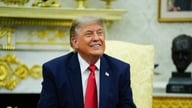
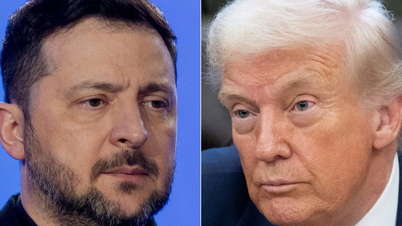
In the recently reached agreement, the United States has failed more than Iran. US President Donald Trump has not achieved the key objectives he set for the war with Iran: unconditional surrender, dismantling of its nuclear and missile programs, relinquishment of its enriched uranium stockpile, and cessation of support for Islamic armed forces and organizations in the region.
President Donald Trump secured Iran's approval to reopen the Strait of Hormuz, but this also officially confirmed the United States' new strategic leverage over Iran. While President Trump hasn't made any concessions on lifting sanctions or returning Iranian assets, he has agreed to allow Iran to continue exporting oil and pledged not to impose new sanctions during the next 60 days of peace talks. Clearly, Tehran has forced the United States to negotiate on equal terms with Iran.
This agreement provides a new starting point for peace talks in the coming days. Both Iran and the United States have more time to prepare for a handshake or a continuation of the war. In effect, it brings the relationship between the United States and Iran, and the political and security landscape in the Middle East, North Africa, and the Gulf region, back to the pre-war period – except for the death and destruction that the war caused. It shows that Iran still retains the tool to pressure the United States, while President Donald Trump's "maximum pressure" and "peace through strength" strategies have not yielded the results he hoped for. Furthermore, this agreement is disadvantageous to Israel in every way, so Israel will certainly not stand idly by.
President Donald Trump needed this agreement to avert the risk of a major Republican defeat in the upcoming US midterm congressional elections. It is clear that President Trump sacrificed his stated foreign policy and security goals for the war in exchange for minimal domestic gains.


Source: https://hanoimoi.vn/thoa-thuan-hoa-binh-de-do-vo-1160645.html



![[Photo] General Secretary and President To Lam attends the 13th National Congress of the Ho Chi Minh Communist Youth Union](https://vphoto.vietnam.vn/thumb/1200x675/vietnam/resource/IMAGE/2026/06/25/1782356968989_ndo_br_1-jpg.webp)































![[Photo] General Secretary and President To Lam attends the Central Public Security Party Committee Conference](https://vphoto.vietnam.vn/thumb/1200x675/vietnam/resource/IMAGE/2026/06/24/1782302063612_a1-bnd-9302-9166-jpg.webp)