 |
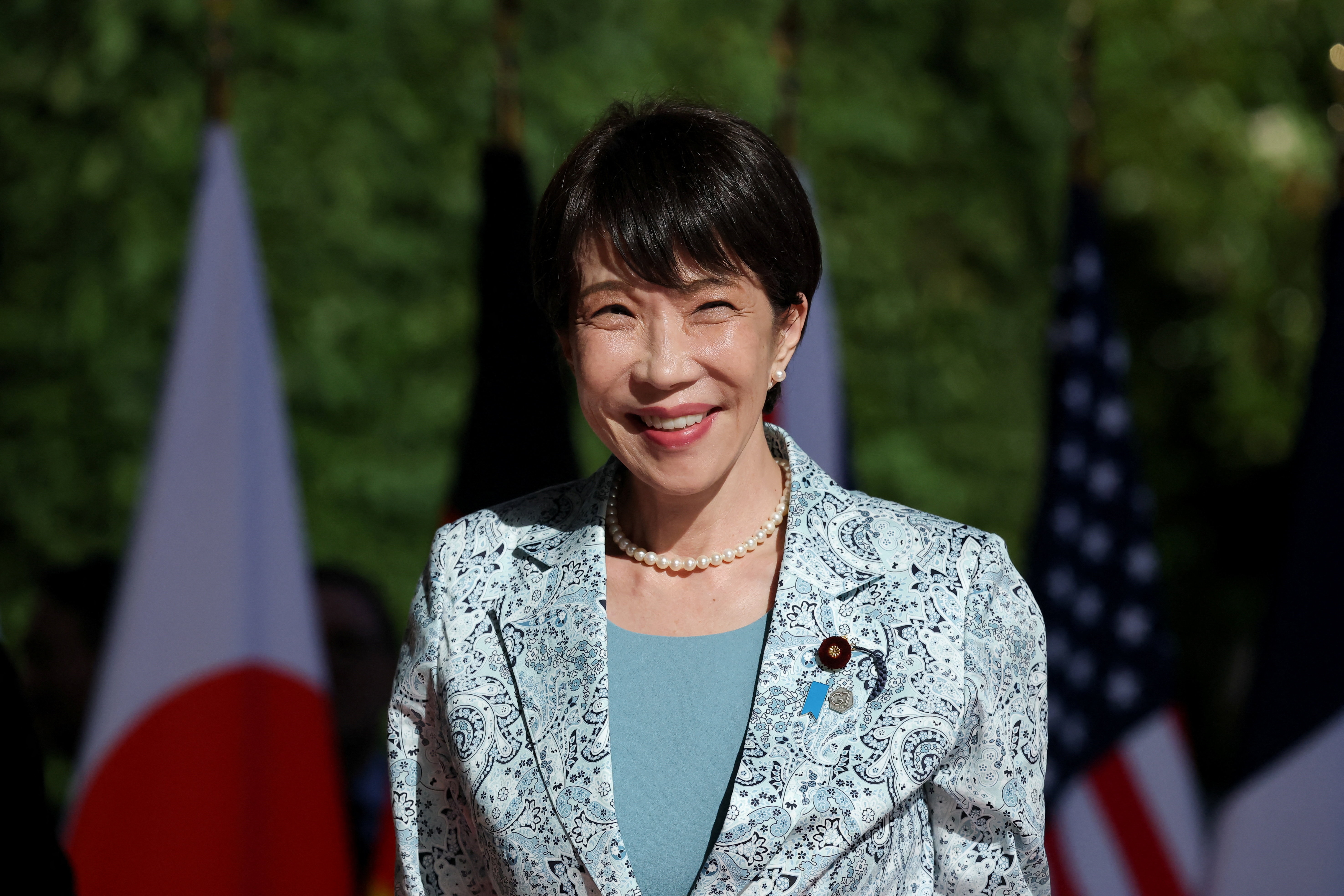
Ms. Takaichi is expected to earn 36.41 million yen (approximately 6 billion VND ) in 2025. Photo: Reuters . |
According to the Japan Times, a report on the publicly disclosed income of Japanese lawmakers in 2025 was released on June 30th. The average income of the nine leading political parties in Japan is currently 24.53 million yen. Ms. Takaichi is the only one whose income exceeds 30 million yen.
Income of Japanese politicians
In 2025, Ms. Sanae Takaichi will receive a salary of 23.59 million yen. In addition, her income from writing and royalties will reach 12.82 million yen, an increase of 3.83 million yen compared to 2024.
Income disclosure is carried out annually under the law on asset disclosure for members of the Japanese Parliament . This latest disclosure applies to 471 members of parliament who will be in office throughout 2025, including 293 members of the House of Representatives and 178 members of the House of Lords.
The average income of lawmakers whose incomes are publicly disclosed is projected to reach 30.03 million yen in 2025, an increase of 4.9 million yen compared to the previous year.
Leading the list is MP Kenji Nakanishi (LDP) with an income of 1.14 billion yen, of which approximately 90% came from stock market gains and dividends. Nakanishi and his colleague Norihisa Tamura are the only two MPs to have recorded incomes exceeding 1 billion yen.
In terms of average income per party, the LDP leads with 35.12 million yen, followed by the DPP (24.38 million), JIP (23.52 million), and SDP (22.66 million).
Within Prime Minister Takaichi's cabinet, the average income reached 28.69 million yen. Leading the way was Foreign Minister Toshimitsu Motegi with 82.58 million yen, followed by Prime Minister Takaichi and Internal Affairs Minister Yoshimasa Hayashi (both at 34.50 million yen). The lowest income belonged to the Chairman of the National Public Safety Commission, Jiro Akama, with 21.49 million yen.
Prime Minister Takaichi pursued an unprecedented economic plan.

According to Bloomberg , Japanese Prime Minister Sanae Takaichi is pursuing an ambitious economic plan aimed at reshaping Japan's industrial foundation for decades to come.
At the heart of Takaichi's strategy is a 370 trillion yen ( US$2.3 trillion ) investment plan, implemented with the participation of private investors. The scale and scope of the plan are considered to far exceed any initiatives undertaken by previous governments, and are no less ambitious than the economic program pursued by the late Prime Minister Shinzo Abe.
Ms. Takaichi's plan is reminiscent of a period when the Japanese government proactively directed capital flows into industries deemed essential to national prosperity.
From the Ministry of International Trade and Industry's leadership of industrial policy after World War II to the recent semiconductor manufacturing subsidy programs, the Japanese government has repeatedly intervened to shape the structure of the country's industrial sector.
The difference this time lies in the scale; the economic strategy will last 14 years, and its focus is on controlling geopolitical risks.
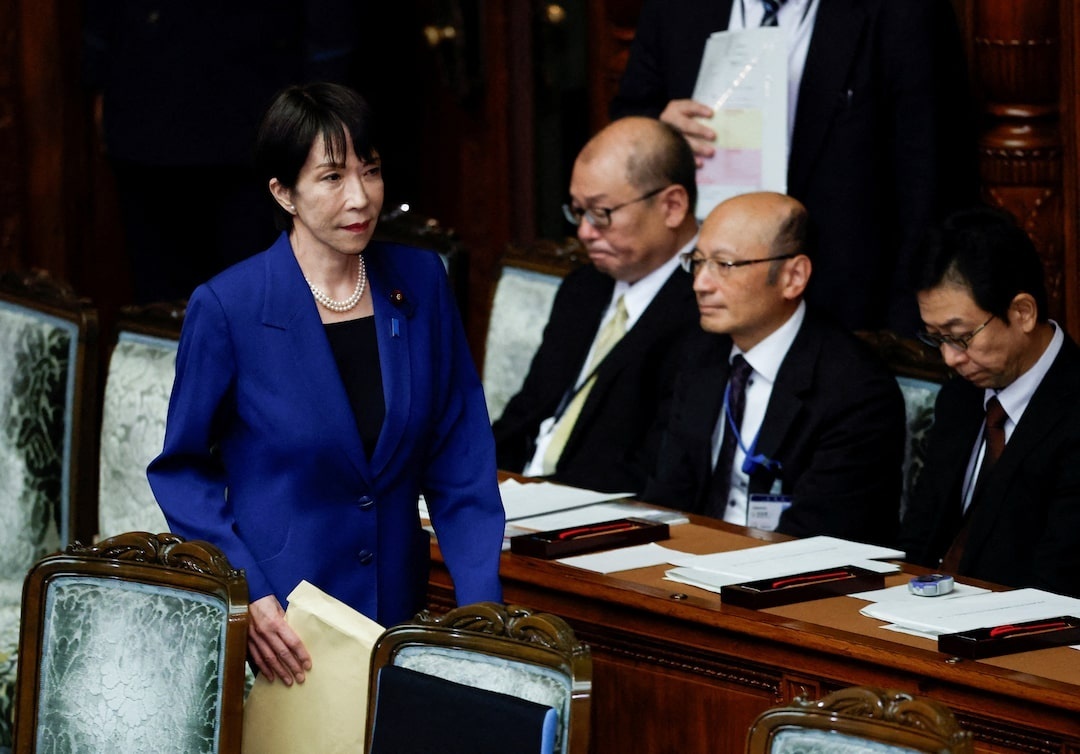 |
Ms. Takaichi continues to pursue ambitious economic policies. Photo: Reuters . |
While Abe focused on structural reforms to boost market demand, Takaichi aimed to strengthen supply-side capabilities through large-scale investments in areas such as artificial intelligence, semiconductors, defense, and shipbuilding.
In total, 17 industries have been identified as having strategic significance for both Japan's economic security and national security.
Masato Kamikubo, a professor at Ritsumeikan University and a researcher of Japanese policies since the 1990s, commented: "Takaichi's policies are completely different from Abe's. The current strategy, if implemented as planned, could help Japan transform."
However, many aspects of the growth strategy remain unclear, with more than half of the projected funding expected to come from the private sector. Ms. Takaichi has not explained how this funding will be raised and has not specified the source of financing for the state-funded portion.



Having served in the cabinet under the late Prime Minister Shinzo Abe (2012-2020) – a period associated with the slogan 'Japan is back' – Ms. Takaichi is believed to be continuing this message. Similar to her predecessor, she is also striving to reform long-standing political practices in Japan.
While Abe increased his control over the administration by taking over the power to appoint high-ranking officials, Takaichi wants to implement far-reaching reforms to the budgeting process overseen by the Ministry of Finance.
In addition to the annual budget bills and supplementary budgets that Japanese Prime Ministers have long used, Ms. Takaichi is developing fiscal frameworks for the coming years. In July, she is expected to announce her first Basic Policy, a document that outlines the Japanese government's annual economic strategy.
The economic policies pursued by Ms. Takaichi were implemented against a backdrop of numerous challenges facing the Japanese economy. Prolonged inflation eroded household purchasing power, and the weakening yen led to sharply increased costs for importing energy, food, and raw materials.
Currently, Takaichi's approval rating remains high. Recent surveys by Japanese media outlets show her cabinet receiving over 60% approval.
Source: https://znews.vn/thu-tuong-takaichi-co-thu-nhap-cao-nhat-post1664797.html





![[Photo] Strengthening character and expertise: Intense training for artillery soldiers.](https://vphoto.vietnam.vn/thumb/1200x675/vietnam/resource/IMAGE/2026/06/30/1782815602541_lu-368-1875-4571-jpg.webp)