

Following the Russia-Ukraine conflict in February 2022, India emerged as a major customer for Russian oil, despite previously importing very little from Russia.
Prior to Western sanctions, Russia drastically reduced prices for India, a country that imports 85% of its fuel needs from Russia. In April 2023 alone, India's imports of Russian oil increased by nearly 530% compared to the same period in 2022.
Over the past year, Indian importers have paid for Russian oil and other goods primarily in rupees, India's domestic currency. However, Russia is hesitant to adopt rupee-denominated transactions because it would leave Moscow with an unwanted rupee reserve of over $40 billion annually, according to Reuters.
Why Russia prefers the yuan
This would be a major setback for India's importers of cheap oil and coal from Russia, who are awaiting a permanent rupee-denominated payment mechanism to help reduce currency conversion costs.
Besides the rupee, India's trade payments with Russia so far have been a combination of the UAE dirham and the Chinese yuan.
“Russia wants a currency that they can use to buy goods essential to their economy . The problem is identifying that currency. Russians would be happy to use the yuan,” said Nandan Unnikrishnan, a Russia expert at the Observer Research Foundation (ORF) in New Delhi.
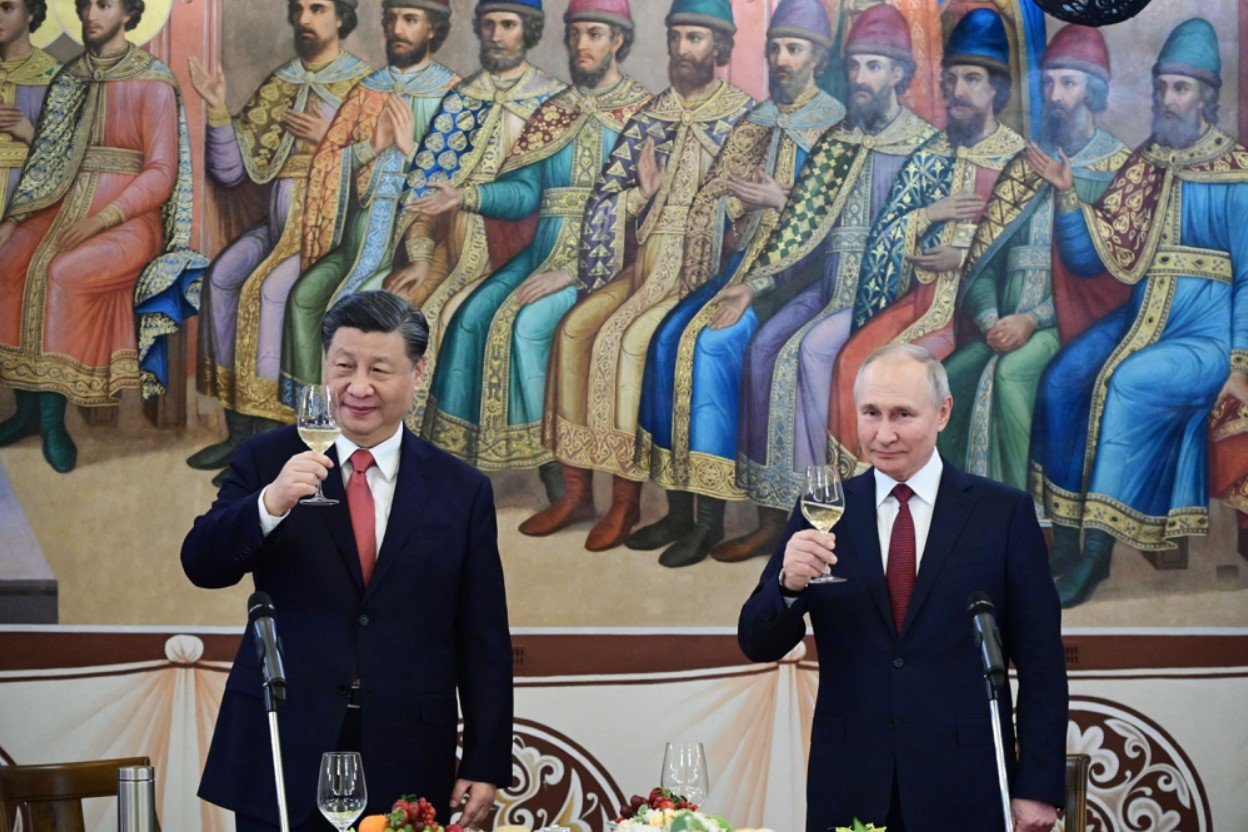
Russia has urged companies and citizens to move assets to rubles or "friendly" currencies such as the rupee and yuan to avoid risks from Western sanctions following the conflict in Ukraine. (Photo: foreignpolicy.com)
Bilateral trade between Russia and China has grown faster and stronger, reaching a record high of $190 billion in 2022, more than five times higher than Russia-India trade at approximately $35.3 billion.
In 2022, the proportion of Russian imports paid for in yuan rose to 23% from 4% before the conflict with Ukraine, according to The Guardian. Russia's partners are increasingly willing to accept the yuan as a method of payment.
Meanwhile, India is trying to promote payments in rupees, but rarely finds acceptance for three reasons: the rupee is not fully convertible, it is weakening, and Russia exports more to India than it imports.
First, India has a very large and growing trade deficit with Russia. According to data from the Indian Ministry of Commerce, India's imports from Moscow in the last fiscal year up to February were nearly 15 times greater than its exports back to Russia.
This makes the rupee-based payment mechanism impractical, because after paying for all imported goods from India in rupees, Russia would have a large surplus of rupees that could not be used in other transactions.
"But these rupees must be converted into another currency, and this is currently being discussed," said Russian Foreign Minister Sergei Lavrov.
Political will is a necessary condition.
According to Unnikrishnan, New Delhi would not be comfortable allowing trade payments in yuan, given the tense relationship between India and China in the border region.
Reuters also quoted Indian officials in March as saying that the Indian government had asked banks and businesses to avoid using the yuan to pay for Russian imports.
Another option is to use the UAE dirham to pay for India's imports from Russia. However, experts believe this may not offer a viable long-term solution due to the currency's sensitivity to Western sanctions.
Unnikrishnan stressed that India and Russia could explore alternative solutions, such as investing rupees in joint ventures producing goods for use in Russia, or possibly exporting them to other parts of the world.
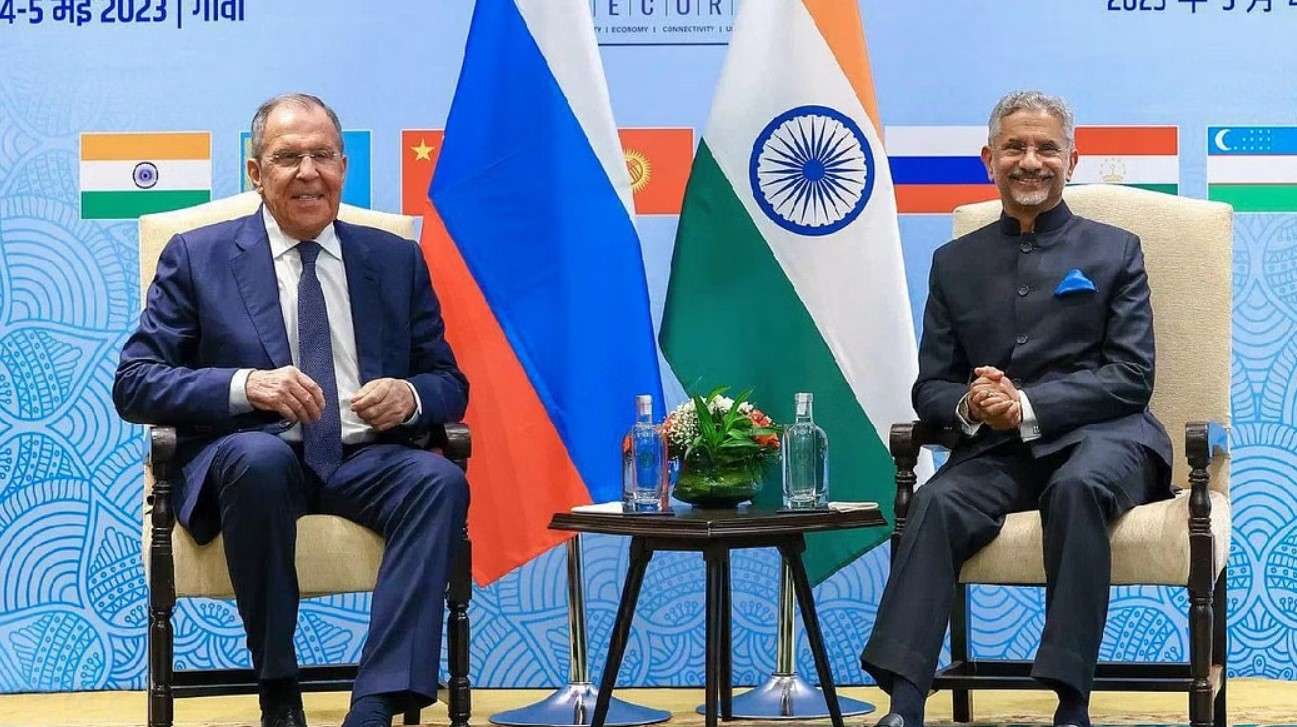
Russian Foreign Minister Sergei Lavrov (left) recently stated that Russia has accumulated billions of rupees in Indian banks that it cannot use. Photo: The Print
Additionally, Russia could use the Indian rupee to invest in government bonds or expand bilateral trade as both sides seek to operate a rupee-based payment mechanism. Both countries are engaged in extensive negotiations to find a more permanent solution for this payment system.
According to a top official at the United Commercial Bank of India (UCO Bank), India's traditional allies are also shifting to paying for unsold non-oil goods using surplus Indian rupees held in Moscow's treasury.
Since January, 20 transactions in Indian rupees have been completed, all related to Indian exports to Russia, said Soma Shankara Prasad, managing director of UCO Bank.
Twenty Russian banks, including Gazprombank, Rosbank, Tinkoff Bank, Centro Credit Bank, and Credit Bank of Moscow, have also opened vostro accounts (accounts with balances in local currency, used for international payments) in special rupees with authorized correspondent banks in India, allowing transactions in rupees between the two countries.
"There are many ways to deploy this money, and both sides just need to demonstrate the political will to reach an agreement," Unnikrishnan stated .
Nguyen Tuyet (According to DW, Quartz, RT)
Source




![[Image] National Assembly discusses the implementation of the socio-economic development plan.](https://vphoto.vietnam.vn/thumb/1200x675/vietnam/resource/IMAGE/2026/04/20/1776696707422_ndo_br_img-20260420-185419-jpg.webp)
![[Photo] General Secretary and President To Lam meets with National Assembly delegates from ethnic minorities.](https://vphoto.vietnam.vn/thumb/1200x675/vietnam/resource/IMAGE/2026/04/20/1776696701056_a1-bnd-8331-3342-jpg.webp)















































































Comment (0)