

However, alongside the achievements, the country's literature and art have not developed in proportion to their potential and are facing numerous severe challenges. Many valuable works have not been properly recognized and appreciated; meanwhile, some deviations from norms easily cause public uproar, creating confusion in the value system. Many works still "revolve around personal stories in a specific region," failing to reflect dynamic urban life or address new issues such as digital transformation, social change, or civic pressure in the context of globalization. The "obsession with superficial achievements" persists, especially in the field of theater. The fundamental reason is that some policies have not truly been implemented; the mechanisms for organizing competitions, festivals, and commissioning works are still cumbersome and heavily bureaucratic…
Stemming from the need to overcome the aforementioned limitations, the Government recently issued Decree No. 350/2025/ND-CP regulating the encouragement of literary development. Accordingly, in the coming time, the State will have policies to create conditions to support, introduce, promote, publish and disseminate literary works of high value in terms of ideological content and art; while promoting digital transformation, applying scientific and technological achievements, developing creative spaces, and innovating thinking about literature. This Decree takes effect from February 15, 2026.
Along with perfecting the legal framework, the need to innovate the management mechanism of literature and art towards a modern, flexible, and market-oriented approach is also urgently needed. The shift from subsidies to open, transparent commissioning based on the quality and social impact of the works will create incentives for genuine creative output. Simultaneously, it is necessary to pilot a model of full autonomy for public art institutions; develop a set of criteria for valuing works of art; and establish an independent appraisal system to ensure objectivity and transparency in management.
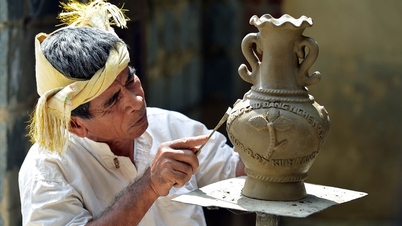
Developing high-quality human resources and protecting the artistic community must also be identified as vital factors. Accordingly, it is necessary to continue innovating art training programs at all levels, strengthening links with the labor market and the international community; and simultaneously implementing specific policies in the selection, treatment, and honoring of artists, especially young talents and folk artisans. Promoting digital transformation in the fields of literature and art is also essential, with the establishment of a national database on works, authors, and intellectual property rights; investment in digital libraries, virtual theaters, and digital museums; and the development of specialized digital platforms to promote works, connect artists with the public, and preserve cultural values in the digital space.
According to the Decree, the authors eligible for support are those whose literary works, written, composed, or translated, adhere to the specified themes and topics, possess high value in terms of ideological and artistic content, are rich and diverse in genre and language, have aesthetic guidance value, and contribute to the formation of personality, morality, lifestyle, and the development of a well-rounded Vietnamese person.
The supported topics and themes include: National history and cultural heritage; the Communist Party of Vietnam and the revolution; the sea, islands, and borders; protecting sovereignty and territorial integrity; ensuring national security and social order; combating "peaceful evolution" and refuting the distorted narratives of hostile forces; building a new type of person in the cause of economic, cultural, and social development; the emulation movement to study and follow the thoughts, ethics, and style of Ho Chi Minh; agriculture, farmers, rural areas, and the cause of building new rural areas…
It can be affirmed that perfecting the institutional framework and policies regarding literature and art should be identified as a central, long-term, systematic, and strategic task. This is not only a solution to remove current bottlenecks, but also aims to proactively create a future where literature and art are not just a specialized field but truly become a driving force for national development in the new era – the era of the creative economy , comprehensive digital transformation, and the aspiration to build a strong and prosperous nation.
Source: https://hanoimoi.vn/tiep-lua-phat-trien-van-hoc-729898.html
![[Image] "Journey of Hope" promotes the organ and tissue donation movement in Vietnam.](https://vphoto.vietnam.vn/thumb/1200x675/vietnam/resource/IMAGE/2026/05/20/1779294400833_1-8910-jpg.webp)
![[Photo] General Secretary and President To Lam works with the Party Committee of the Ministry of Health on the work of Vietnamese traditional medicine.](https://vphoto.vietnam.vn/thumb/1200x675/vietnam/resource/IMAGE/2026/05/20/1779294323718_a1-bnd-2978-3319-jpg.webp)
![[Photo] National Assembly Chairman Tran Thanh Man working with the Standing Committee of the National Assembly's Delegation Affairs Committee.](https://vphoto.vietnam.vn/thumb/1200x675/vietnam/resource/IMAGE/2026/05/20/1779294340023_ndo_br_1-1691-jpg.webp)



















































Comment (0)