

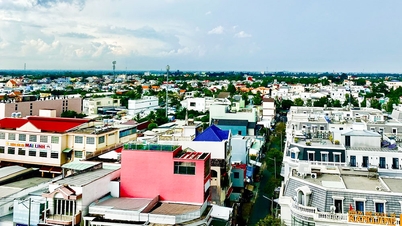
Currently, the banking service infrastructure in Lao Cai has developed strongly with 31 first-level branches, 18 people's credit funds, 20 second-level branches, and 119 transaction offices. The development of the network and modern facilities has promptly met the financial service needs of the people and the business community.
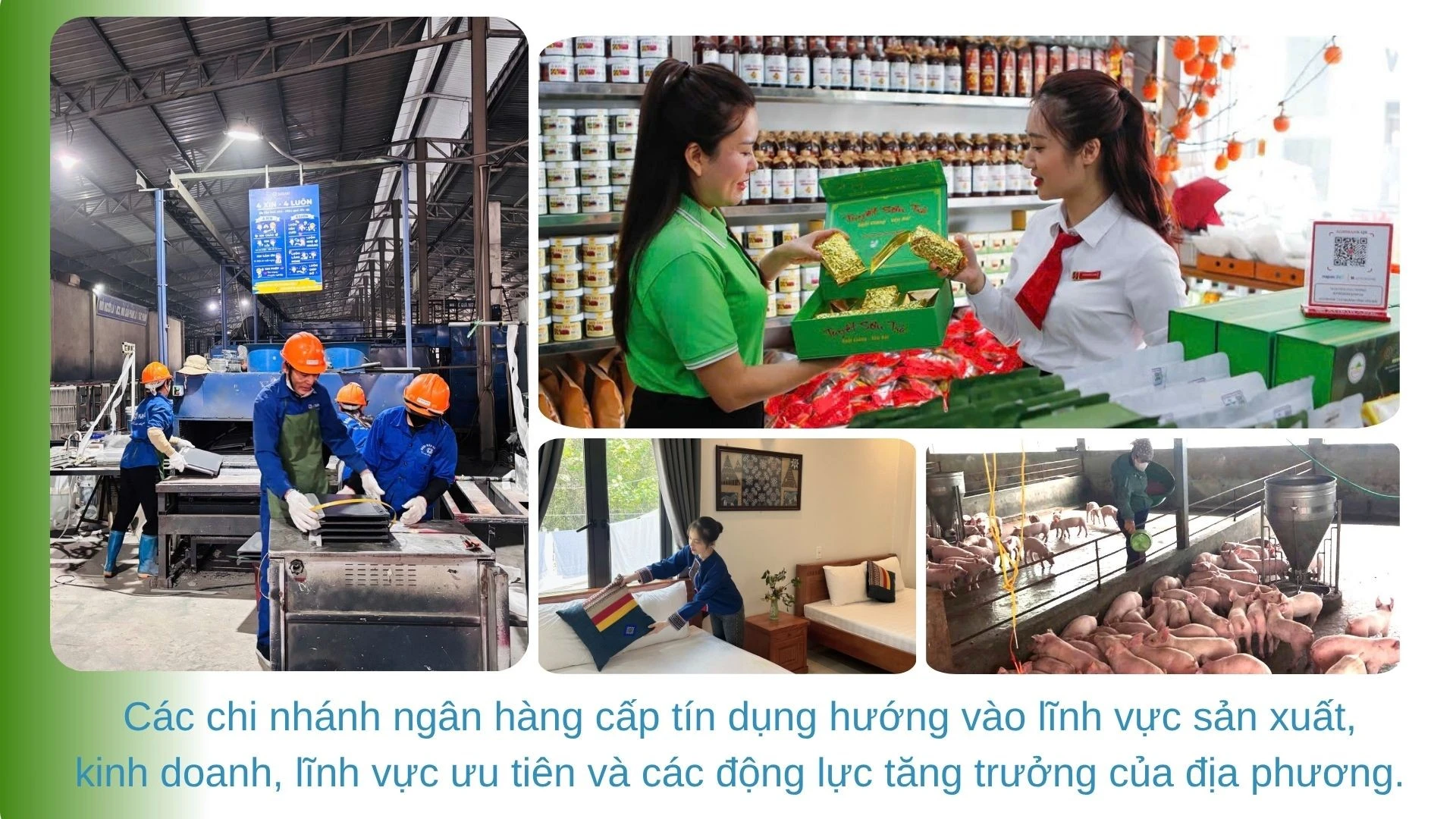
Currently, credit flows are being focused on disbursing funds into production and business sectors, priority areas, and growth drivers in accordance with government policies.
Alongside facilitating access to capital for individuals and businesses, credit institutions in the area are still strictly controlling the flow of funds into potentially risky sectors, ensuring the stability and safety of the system.
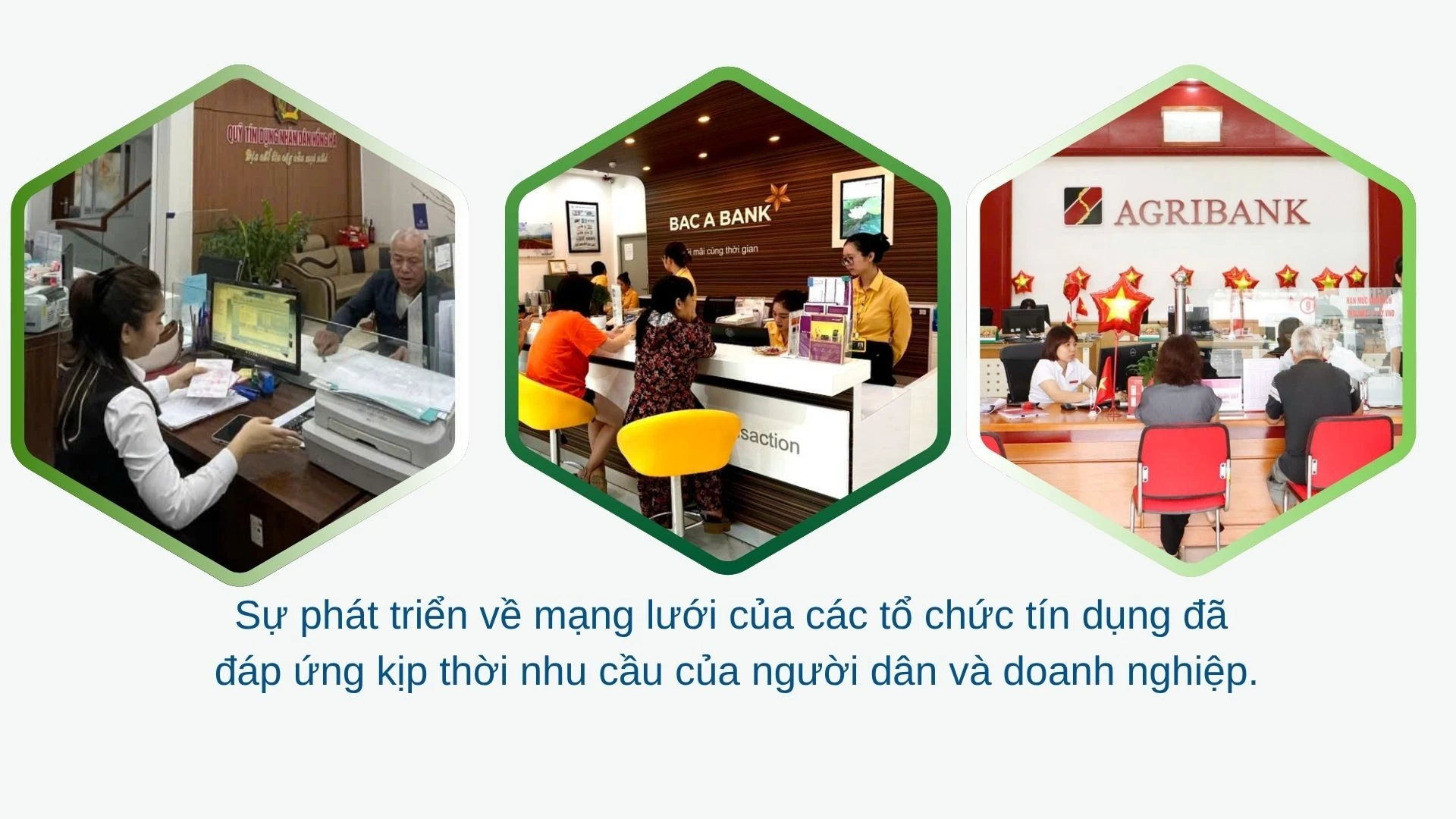
According to the latest report, credit activity in the province has maintained stable growth since the beginning of the year.
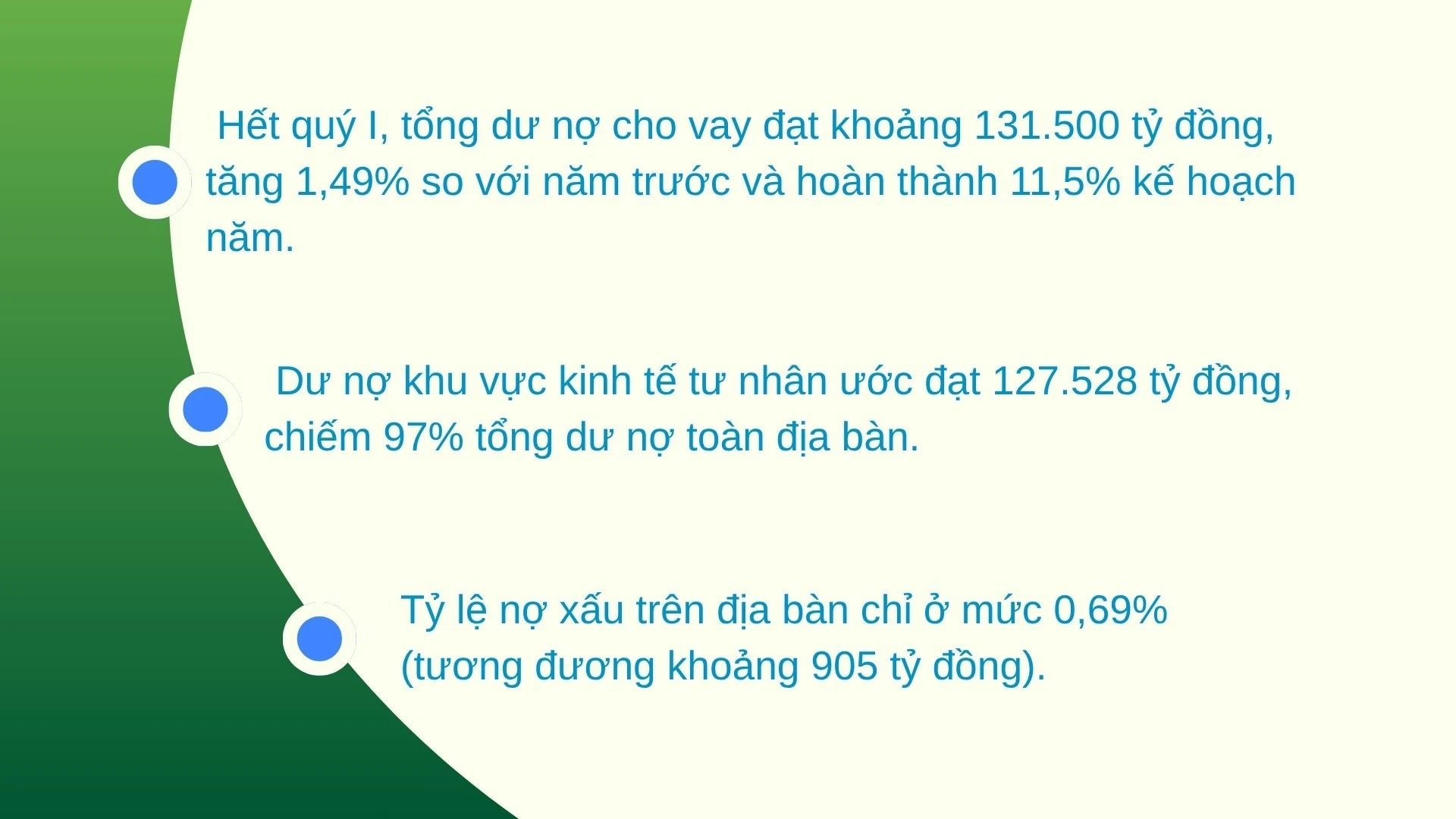
As of February 28, 2026, the total outstanding loan balance reached VND 130,479 billion, an increase of VND 908 billion compared to the end of 2025. By the end of the first quarter, this figure reached approximately VND 131,500 billion, an increase of 1.49% compared to the previous year and achieving 11.5% of the annual plan.
Notably, credit flows are strongly concentrated in the private sector. With outstanding loans estimated at VND 127,528 billion, this sector accounts for 97% of the total outstanding loans in the province, affirming its role as the main driving force for the province's economy .
Alongside facilitating access to capital, the commercial banking system and local people's credit funds are paying particular attention to debt assessment and resolution.
Thanks to regular customer reviews and classifications, credit quality is maintained at a safe level.
As of the end of January 2026, the non-performing loan ratio in the area was only 0.69% (equivalent to approximately 905 billion VND), demonstrating the proactive approach of credit institutions in risk prevention.
The disbursement of funds has been actively implemented by credit institutions, contributing to improving the economy's ability to absorb capital right from the beginning of the year.
As of March 31, 2026, Agribank's Bac Yen Bai Branch had a total outstanding loan balance to the economy of VND 11,432 billion, an increase of 1.5% (equivalent to VND 169 billion) compared to the beginning of the year, serving more than 18,900 customers.
In the debt structure, short-term debt continues to play a dominant role with VND 7,317 billion (accounting for 64% of total outstanding debt), demonstrating the ability to flexibly meet working capital needs for production and business.
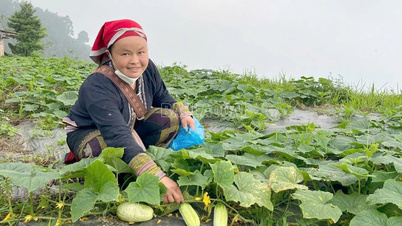
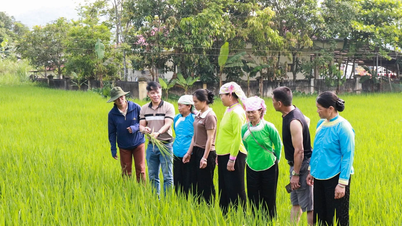
Simultaneously, medium and long-term loans reached VND 4,115 billion, accounting for 36% of total outstanding loans, demonstrating stability in supporting in-depth investment projects. In particular, the branch continued to affirm its pivotal role in "agriculture, farmers, and rural areas" credit, with agricultural and rural loans reaching VND 8,146 billion (an increase of 1.9%), of which loans through group lending reached VND 1,090 billion with over 8,000 members borrowing capital, making a significant contribution to poverty reduction and local economic development.
Over the past three years, the family of Mr. Ha Hai Nam in residential area 3, Au Lau ward, has focused on investing in building a pig farm with a scale of over 1,000 pigs, operating according to a modern, closed-loop process.
However, the required investment capital was considerable. Therefore, he boldly borrowed over 10 billion VND from Agribank's Bac Yen Bai branch.
Mr. Nam said: “The bank staff facilitated the process, simplifying procedures and ensuring quick disbursement. Thanks to this, my family has the capital to expand our livestock farming and operate more efficiently.”
Although the credit outlook shows many positive aspects, the market is beginning to face new challenges. From the beginning of 2026, deposit and lending interest rates have shown signs of a slight upward adjustment compared to the end of the previous year.
Specifically, lending interest rates have increased by an average of about 0.3% - 0.7% per year. This trend is putting certain pressure on the cost of capital, forcing businesses and individuals to be more careful in their production and business plans.
In the coming period, the State Bank of Vietnam's Regional Branch 4 will continue to closely follow the directives of the State Bank of Vietnam and the developments in the socio-economic situation to effectively implement the key tasks of the banking sector in 2026.
In addition, the State Bank of Vietnam's Regional Branch 4 also directed its branches to provide credit to production and business sectors, priority sectors, and local growth drivers such as border trade, commercial agriculture, and the private sector.
The banking sector will accelerate the synchronized implementation of credit packages for the agriculture, forestry, and fisheries sectors; invest in infrastructure and digital technology; and implement policies to encourage organic and circular agriculture in accordance with Government Decree 156 dated June 16, 2025, amending and supplementing some articles of Government Decree 55/ND-CP dated June 9, 2015, on credit policies serving agricultural and rural development.
With synchronized solutions aimed at "unlocking" capital flows into the economy, the banking system not only fulfills its role as the "lifeline" of the economy but also makes a significant contribution to the goal of enabling Lao Cai to make a strong breakthrough in the new development phase.
Source: https://baolaocai.vn/tiep-suc-cho-nen-kinh-te-post898213.html



![[Photo] General Secretary and President visit the China-ASEAN AI Application Cooperation Center](https://vphoto.vietnam.vn/thumb/1200x675/vietnam/resource/IMAGE/2026/04/17/1776404277677_vna-potal-tong-bi-thu-chu-tich-nuoc-tham-trung-tam-hop-tac-ung-dung-ai-trung-quoc-asean-8706616-2286-jpg.webp)














![[Photo] National Assembly Chairman Tran Thanh Man attends the policy seminar to promote Vietnam-Türkiye cooperation.](https://vphoto.vietnam.vn/thumb/1200x675/vietnam/resource/IMAGE/2026/04/16/1776351415367_vna-potal-chu-tich-quoc-hoi-tran-thanh-man-du-toa-dam-chinh-sach-thuc-day-hop-tac-viet-nam-tho-nhi-ky-8705791-jpg.webp)
































































Comment (0)