For many years, the policy of building Ho Chi Minh City into a "civilized, modern, and compassionate" city has been a priority for the city, creating comprehensive, sustainable development and practically improving the lives of its people. In particular, the quality of compassion has become a defining characteristic of the city, deeply rooted in the traditional values of the Saigon - Gia Dinh region.
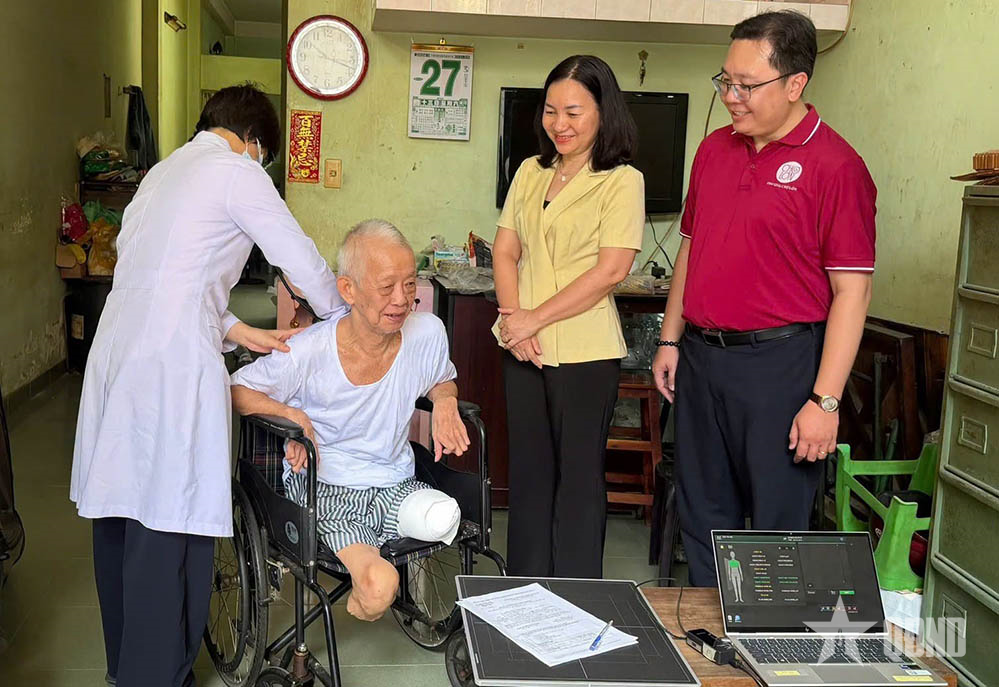 |
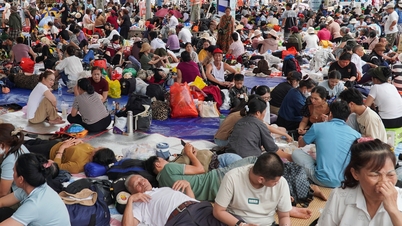
| Providing healthcare for the people of Ho Chi Minh City. |
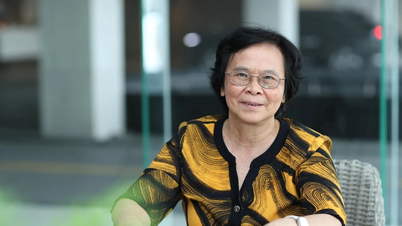
Tracing back through history, the compassionate and loyal nature of the people of Saigon - Gia Dinh - Ho Chi Minh City is inherited from the patriotic and humane spirit, a fine traditional quality of the nation that has been refined over many generations. According to Comrade Than Thi Thu, former Head of the Propaganda Department of the Ho Chi Minh City Party Committee (now the Propaganda and Mass Mobilization Department of the Ho Chi Minh City Party Committee): The quality of compassion flows in the blood and breath of the migrants who followed the expansion of the land, continuing to blend, flourish, and create the qualities of the people of Southern Vietnam: genuine, kind, selfless, valuing loyalty and affection, but also strong, open-minded, and generous.
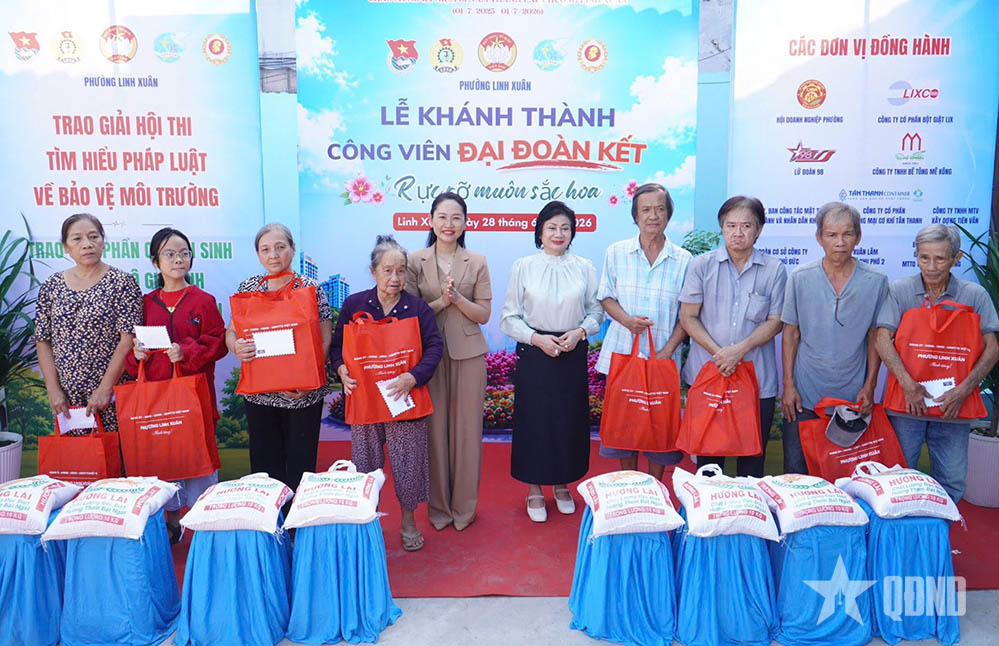 |
| Linh Xuan Ward (Ho Chi Minh City) gives gifts to residents. |
The people of Saigon - Gia Dinh deeply embodied and vividly demonstrated the characteristic qualities of loyalty and compassion of the people of Southern Vietnam, which were even more profoundly portrayed during the revolution, from the time the Party was founded, following the Party and President Ho Chi Minh.
Compassion and solidarity have become a defining characteristic of the cultural behavior and mindset of the people of Ho Chi Minh City, and are also an important driving force for unity and solidarity, especially during difficult times.
According to historical records, in the early years of peace and reunification, the "Steel Land" of Cu Chi was extremely poor due to the severe consequences of the war. At that time, more than 40% of the district's population was living in poverty; among them were tens of thousands of war invalids and families of war veterans who struggled to make a living.
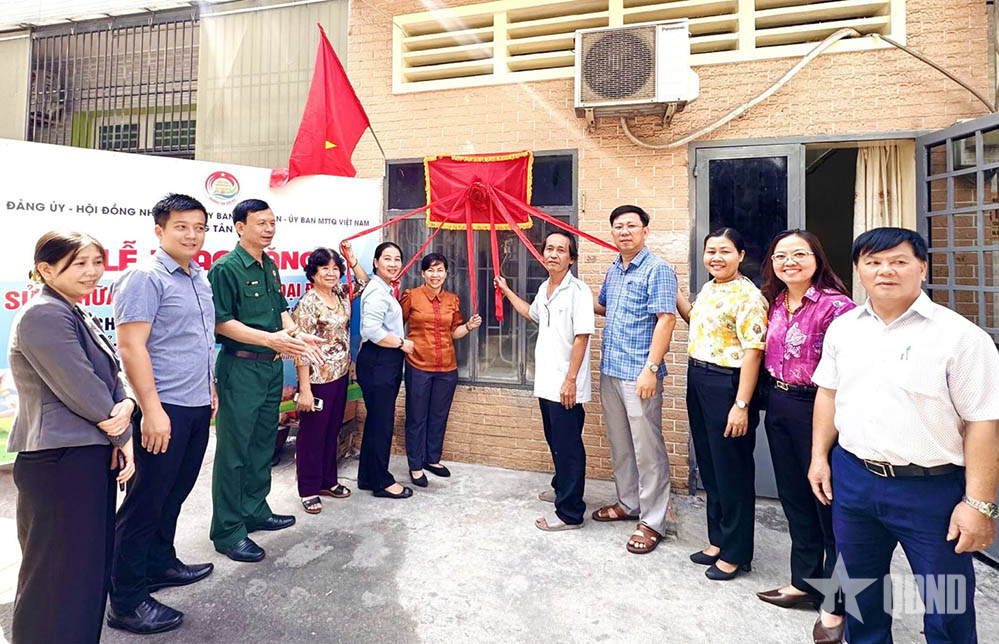 |
| Handing over completed house renovation project to a needy family in Ho Chi Minh City. |
It was in those difficult times that human compassion shone brightly, and charitable movements emerged, practically helping poor households and families of war veterans overcome difficulties and stabilize their lives. According to the memoirs of General Mai Chi Tho, former Politburo member, former Minister of the Interior (now the Ministry of Public Security ), and former Chairman of the People's Committee of Ho Chi Minh City, during the period 1979-1985, having just emerged from the war, Ho Chi Minh City faced countless difficulties and shortages, especially in suburban areas such as Cu Chi, Hoc Mon, and Can Gio… Families of war veterans, wounded soldiers, and sick soldiers faced even greater hardship in terms of economics, living conditions, and housing.
The challenge was how to alleviate the suffering of the people, ensuring that families receiving government assistance had enough food, clothing, and decent housing. City leaders pondered this issue, discussed it, and agreed on a policy to mobilize resources to support the poor. To concretize this policy, in February 1982, the Cu Chi District Party Committee and People's Committee proposed to the City Party Committee and People's Committee that they be allowed to mobilize businesses and philanthropists to jointly care for those receiving government assistance and those who rendered meritorious service. Recognizing this as a new and highly feasible approach, city leaders approved and directed its implementation.
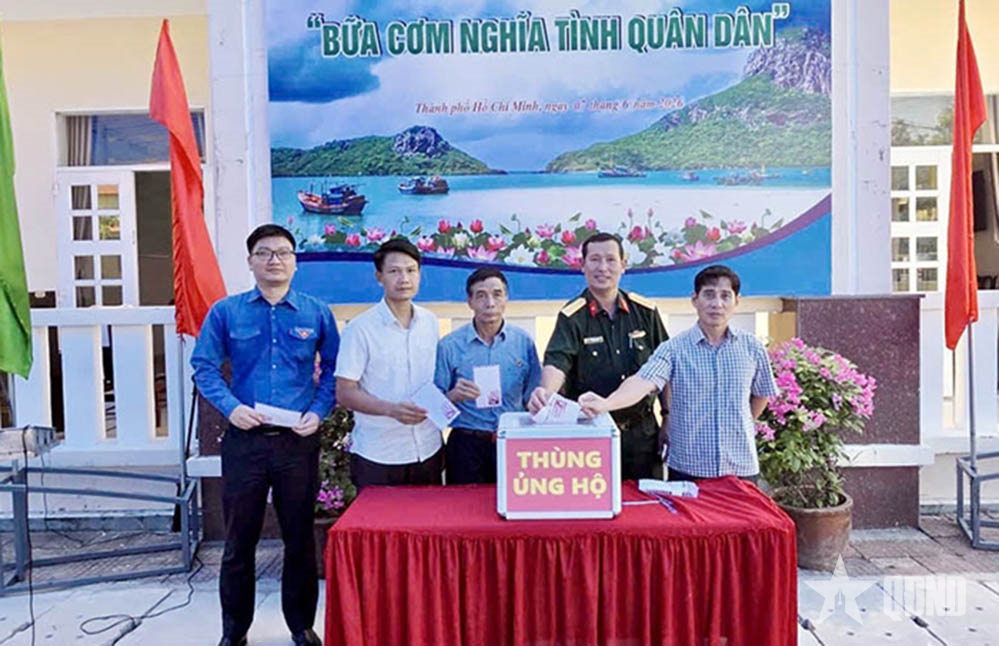 |
| Officials and philanthropists in the Con Dao Special Zone support the implementation of the "Meal of Solidarity between Soldiers and Civilians" model. |
With responsibility, affection, and dedication, the leadership team of Cu Chi district has worked hard to mobilize and call upon businesses and philanthropists to join hands in helping poor households and people with meritorious services. In just a short time, the first 150 houses of compassion have been completed and donated to war invalids, sick soldiers, and families of policy beneficiaries.
In the late 1990s, Ho Chi Minh City still had tens of thousands of poor and hungry households without stable housing. The movement to build charitable houses was launched with the first house being donated to the family of Ms. Le Thi U in Phuoc Hiep commune, Cu Chi district (now Tan An Hoi commune, Ho Chi Minh City) in 1998, and then continued to expand throughout the country.
Comrade Vo Viet Thanh, former member of the Central Committee of the Party and former Chairman of the People's Committee of Ho Chi Minh City from 1997 to 2001, stated: At that time, the city had undergone significant transformation but still faced many difficulties. The city leadership advocated for the socialization of care for war invalids, families of policy beneficiaries, and impoverished households, thus mobilizing a great deal of human and material resources. Just three years later, more than 6,500 charitable houses were built and donated to those who had rendered meritorious service. The lives of the people improved noticeably.
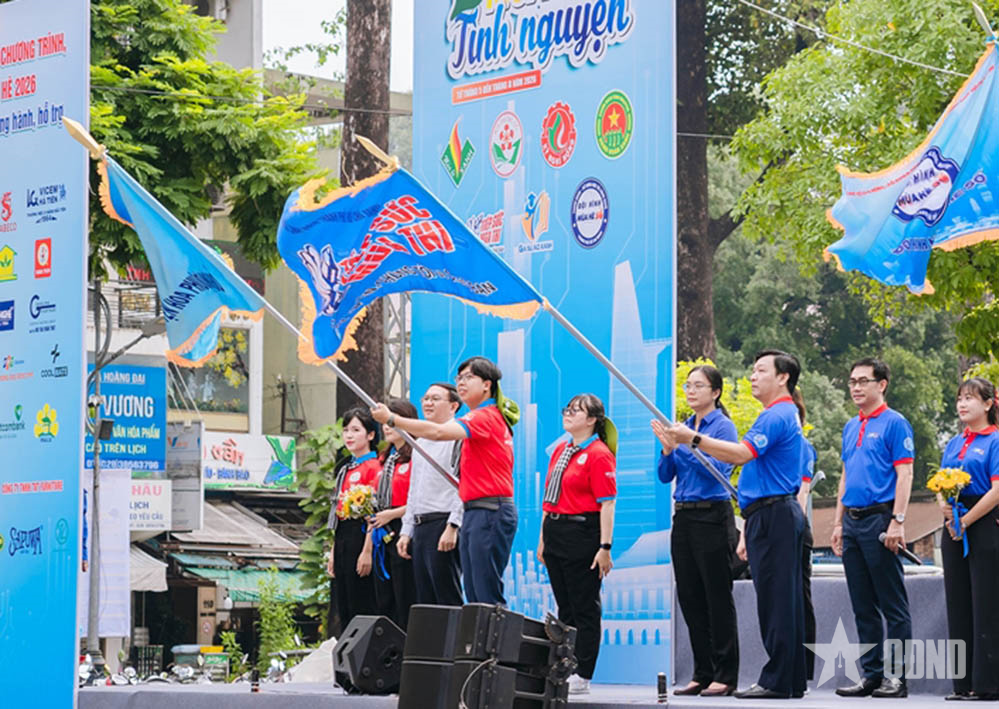 |
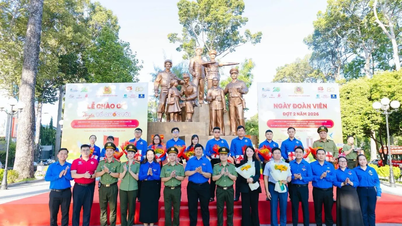
Ho Chi Minh City youth launch volunteer campaign for 2026. |
Starting from charitable housing projects and homes for the needy, the volunteer movement in Ho Chi Minh City has now seen the emergence of many other effective models and approaches, such as: the Spring Volunteer Campaign, Supporting Students During Exams, Supporting Students to School, Supporting Workers, Lighting Up the Dreams of Young People, Red Phoenix Flower Campaign, Green Summer Campaign, and Accompanying Young People in Starting Businesses… Among these, many models have spread throughout the country.
In everyday life, Ho Chi Minh City also has various charitable models, such as: Charity porridge pots, free water dispensers, 2,000 VND charity meals, free clothing cabinets, zero-cost stalls, and meals of solidarity between soldiers and civilians… All of these are enthusiastically supported by all sectors, industries, and classes of people in the city with feelings and a sense of responsibility towards their fellow citizens…



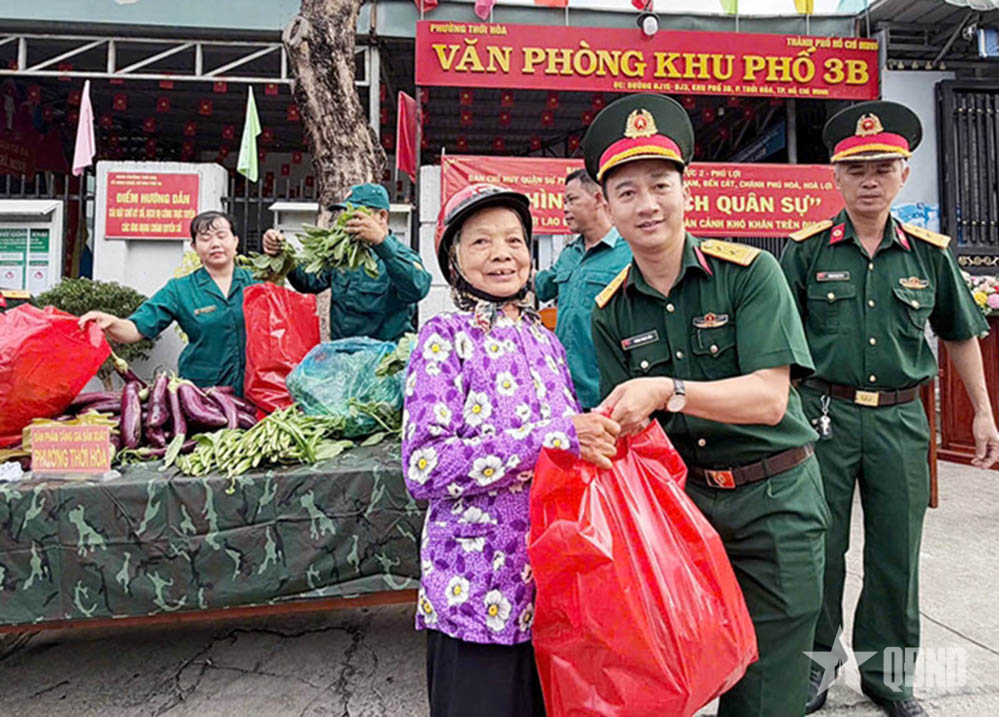 |
| The "Military Clean Vegetable" model is implemented by the Command of Defense Zone 2 - Phu Loi (Ho Chi Minh City). |
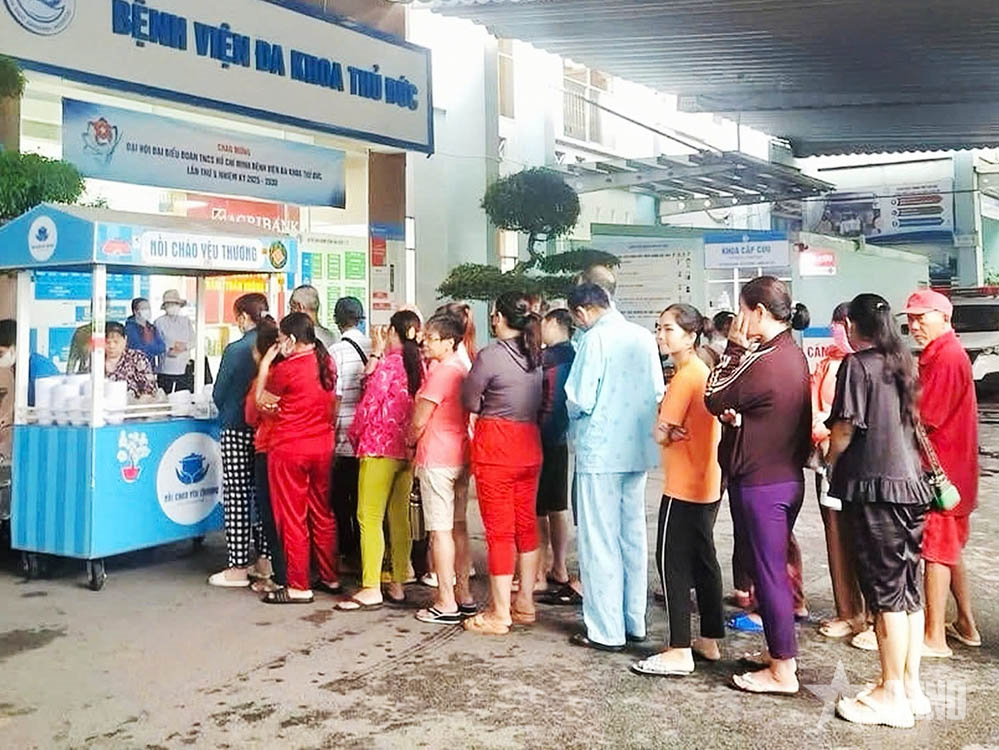 |
| The "Soup Kitchen of Love" model is being implemented at Thu Duc General Hospital. |
Comrade Truong Thi Bich Hanh, Standing Vice Chairwoman of the Vietnam Fatherland Front Committee of Ho Chi Minh City, emphasized: "The tradition of compassion and solidarity is a cultural characteristic and a source of pride for Ho Chi Minh City. Building 'Ho Chi Minh City - A City of Compassion' is essentially about promoting the traditional cultural values of the nation and cultivating qualities that embody the values of cultured people, adapting appropriately to the requirements of the city's development in the new era, enriching the dynamic, creative, compassionate, and heroic tradition of the city named after our beloved President Ho Chi Minh."
Source: https://www.qdnd.vn/van-hoa/doi-song/tp-ho-chi-minh-thanh-pho-nghia-tinh-1046997


![[Image] National conference summarizing one year of operation of the overall organizational model of the political system, the three-tiered government model.](https://vphoto.vietnam.vn/thumb/1200x675/vietnam/resource/IMAGE/2026/07/01/1782882811691_ndo_br_1-jpg.webp)



![[Video] Weather forecast for tonight and tomorrow, July 2nd, 2026: Tropical depression likely to strengthen into a storm; many areas will continue to experience thunderstorms.](https://vphoto.vietnam.vn/thumb/402x226/vietnam/resource/IMAGE/2026/07/01/1782911026600_thumb-dem-png.webp)