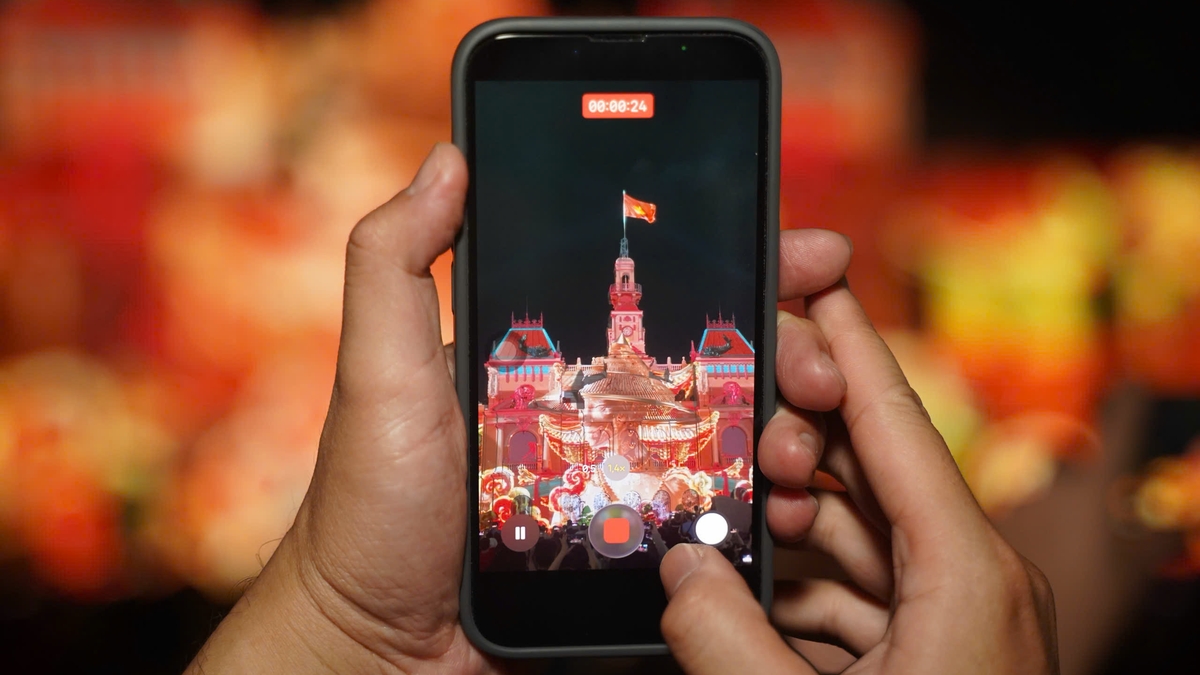
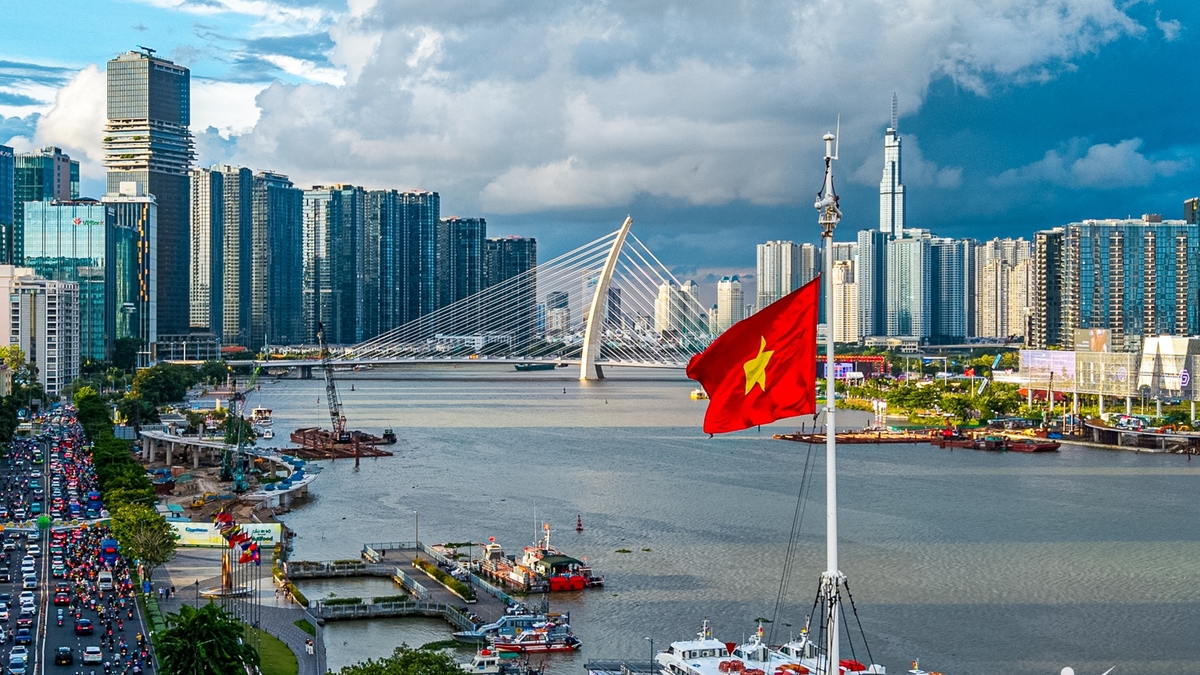
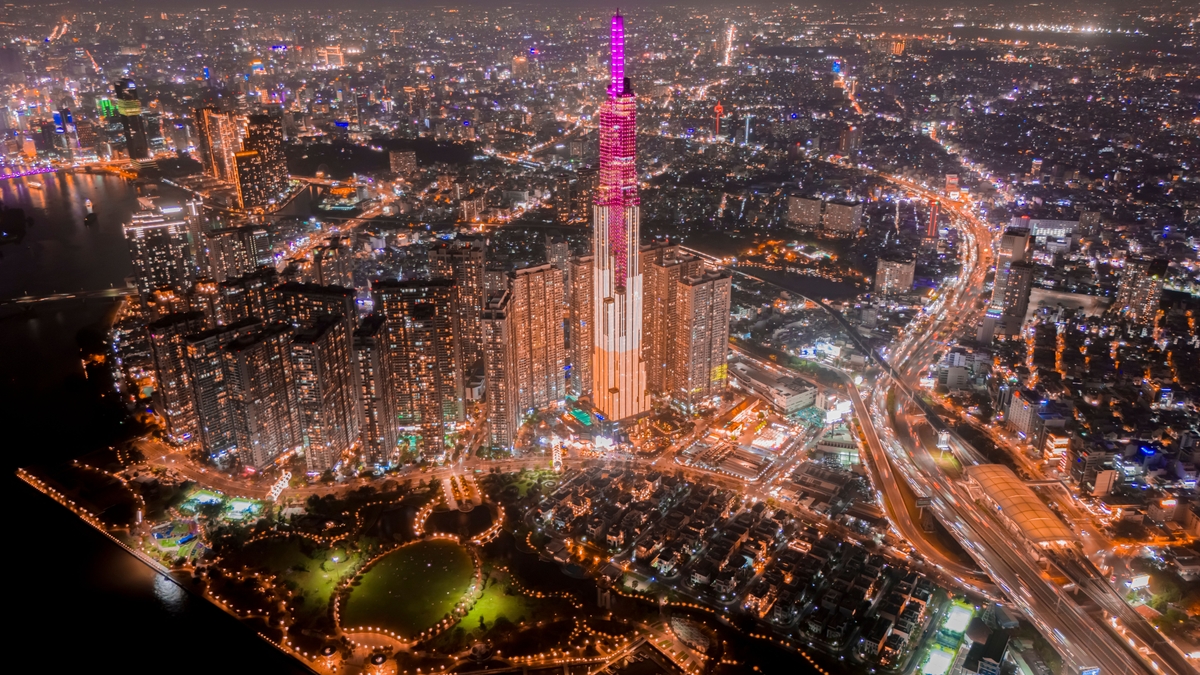
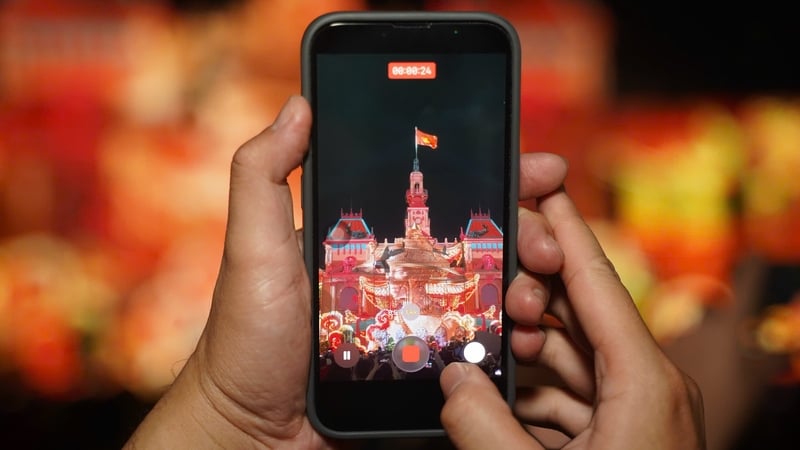
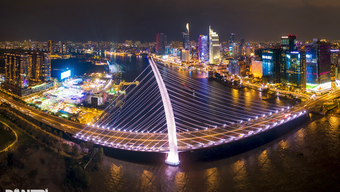
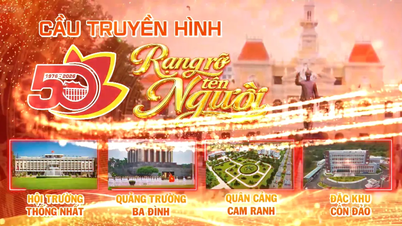
Half a century after the city of Saigon - Gia Dinh was honored with the name Ho Chi Minh City (HCMC), today, in the eyes of international friends, is a dynamic, open, and constantly transforming metropolis. From its economic foundation, human resources, innovative spirit, to increasingly broad cooperative relationships, HCMC is affirming its role as the leading engine of development in Vietnam and a reliable partner in the process of international integration.
Foundation for a new phase of development
Looking back at Ho Chi Minh City's 50-year development, both the Singaporean Consul General in Ho Chi Minh City, Pang Te Cheng, and the Australian Consul General in Ho Chi Minh City, Kate Wallace, acknowledged that the city has undergone a strong transformation, rising to become the economic engine of Vietnam.
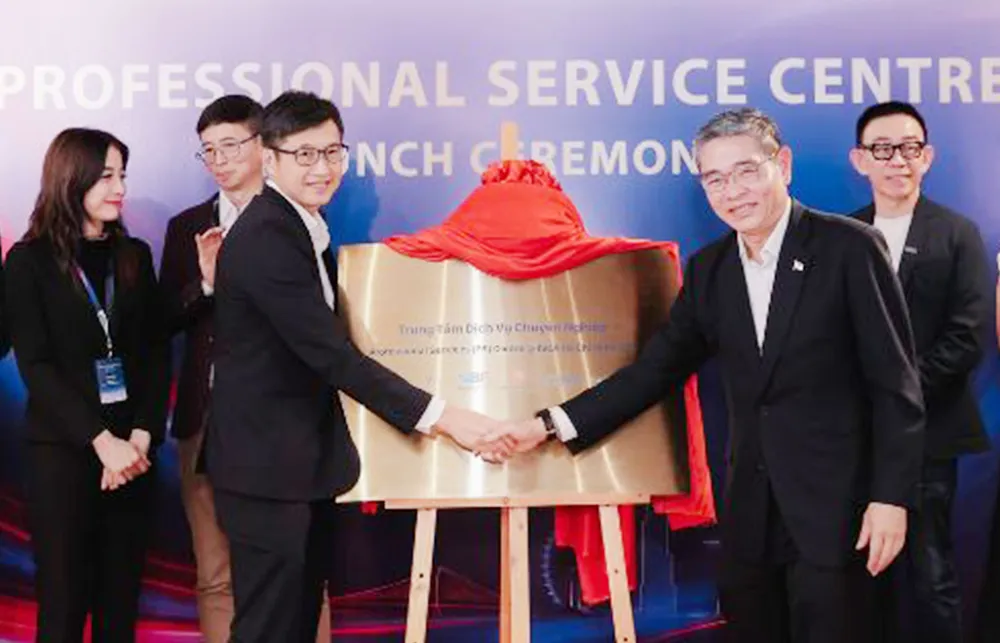
According to Mr. Pang Te Cheng, in 1975, when it was still called Saigon - Gia Dinh, the city emerged from more than two decades of war with dilapidated infrastructure, a fragmented economy, and facing many difficulties in reconstruction. The turning point came with the Doi Moi (Renovation) reforms in 1986, when Ho Chi Minh City became a testing ground, a pioneer, and one of the main driving forces of the transition to a market economy.
Since then, foreign direct investment has increased sharply, the private sector has developed, and the trade network has expanded, gradually transforming Ho Chi Minh City into an important commercial and manufacturing center of Vietnam. Beyond just the scale of growth, the Singaporean Consul General in Ho Chi Minh City believes that the city's outstanding feature lies in its inherent development. The city has a young population, a strong entrepreneurial spirit, accounting for more than half of Vietnam's startups, concentrating approximately 60% of venture capital funds, and is the birthplace of tech unicorns such as VNG , MoMo, and Sky Mavis.
Ms. Kate Wallace also noted that Ho Chi Minh City is benefiting from many specific policies issued by the Vietnamese Government, focusing on institutional reform, infrastructure expansion, and promoting digital innovation. These policy frameworks help the city accelerate its development program, while creating an increasingly open, favorable, and flexible business and investment environment for businesses and investors.
From a personal perspective, Mr. Pang Te Cheng believes that Ho Chi Minh City still faces challenges regarding infrastructure, traffic congestion, housing, and a skilled workforce. However, these very challenges also present opportunities for innovation and business development. The construction of the Vietnam International Finance Centre in Ho Chi Minh City, along with policies to attract talent, is creating a foundation for a new phase of the city's development.
Trusted international partner
Sharing her views on Ho Chi Minh City's attractiveness, Australian Consul General Kate Wallace stated that human resources play a crucial role in shaping the city's development and reputation. Ho Chi Minh City possesses a large, open-minded, youthful, and tech-savvy workforce from all over the country. This is one of the factors that makes Ho Chi Minh City a top destination for foreign partners, especially global technology corporations.
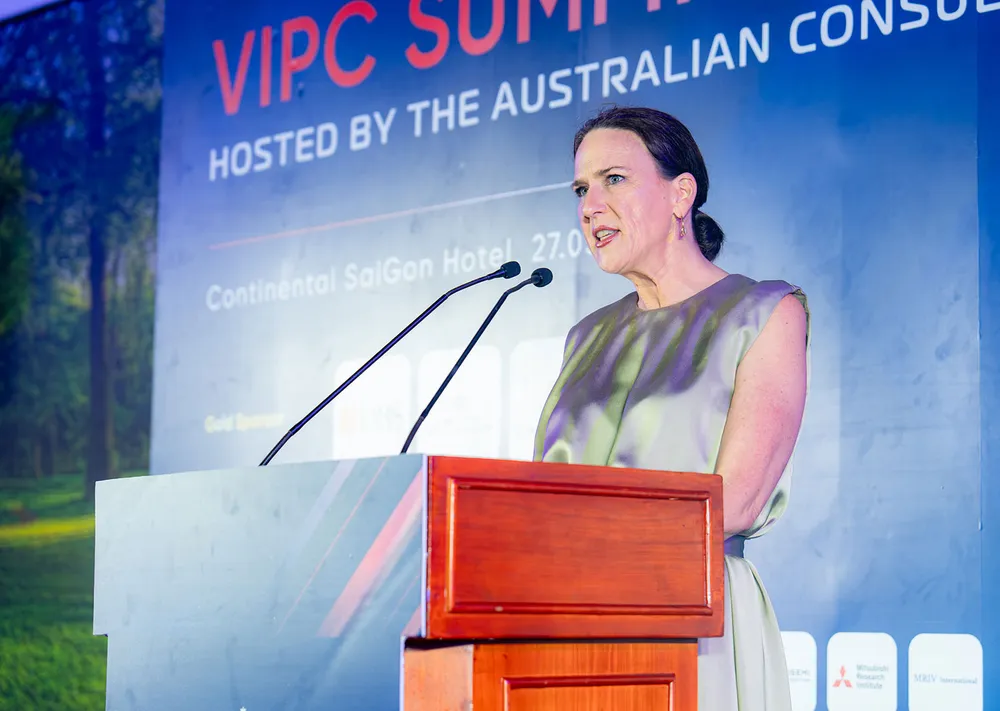
Building on its economic foundation, innovation, and human resources, Ho Chi Minh City continues to expand its cooperation with international partners. Singapore's Consul General, Pang Te Cheng, stated that Singapore is currently one of the largest foreign investors in Vietnam, with a total registered capital of nearly US$100 billion; bilateral trade is projected to reach US$31.8 billion by 2025. Both sides are expanding cooperation through the VSIP 2.0 model, strengthening linkages in supply chains, advanced manufacturing, clean energy, finance, and human resource development.
Regarding Australia, Consul General Kate Wallace affirmed that Ho Chi Minh City continues to be a priority partner thanks to its economic strength, strategic location, and increasingly high-quality workforce. She expressed optimism about the growth of the middle class in Ho Chi Minh City and the rapidly growing digital economy. This creates a significant demand for high-quality goods, services, and education, areas where Australia has many strengths.
Furthermore, Ho Chi Minh City's young and skilled workforce opens up many opportunities for cooperation in vocational training, higher education, and research. According to Ms. Kate Wallace, the city's dynamism, proactive foreign policy strategy, rapid urbanization, reform policies, and innovation ecosystem have helped Ho Chi Minh City build an image of a reliable international partner thanks to its proactive international relations strategy and strong business partnerships.
The Australian Consul General also emphasized that Ho Chi Minh City has established friendly relations and cooperation with nearly 90 localities worldwide, including five Australian states. This demonstrates the city's strong commitment to international integration and cooperation. Ms. Kate Wallace wanted to convey the message that Ho Chi Minh City is a convenient gateway for Australian businesses to access the Vietnamese market thanks to its strategic location, dynamic economy, and skilled workforce.
Travis Mitchell, Executive Director of the American Chamber of Commerce in Vietnam (AmCham Vietnam): One of the most dynamic commercial hubs in Asia.
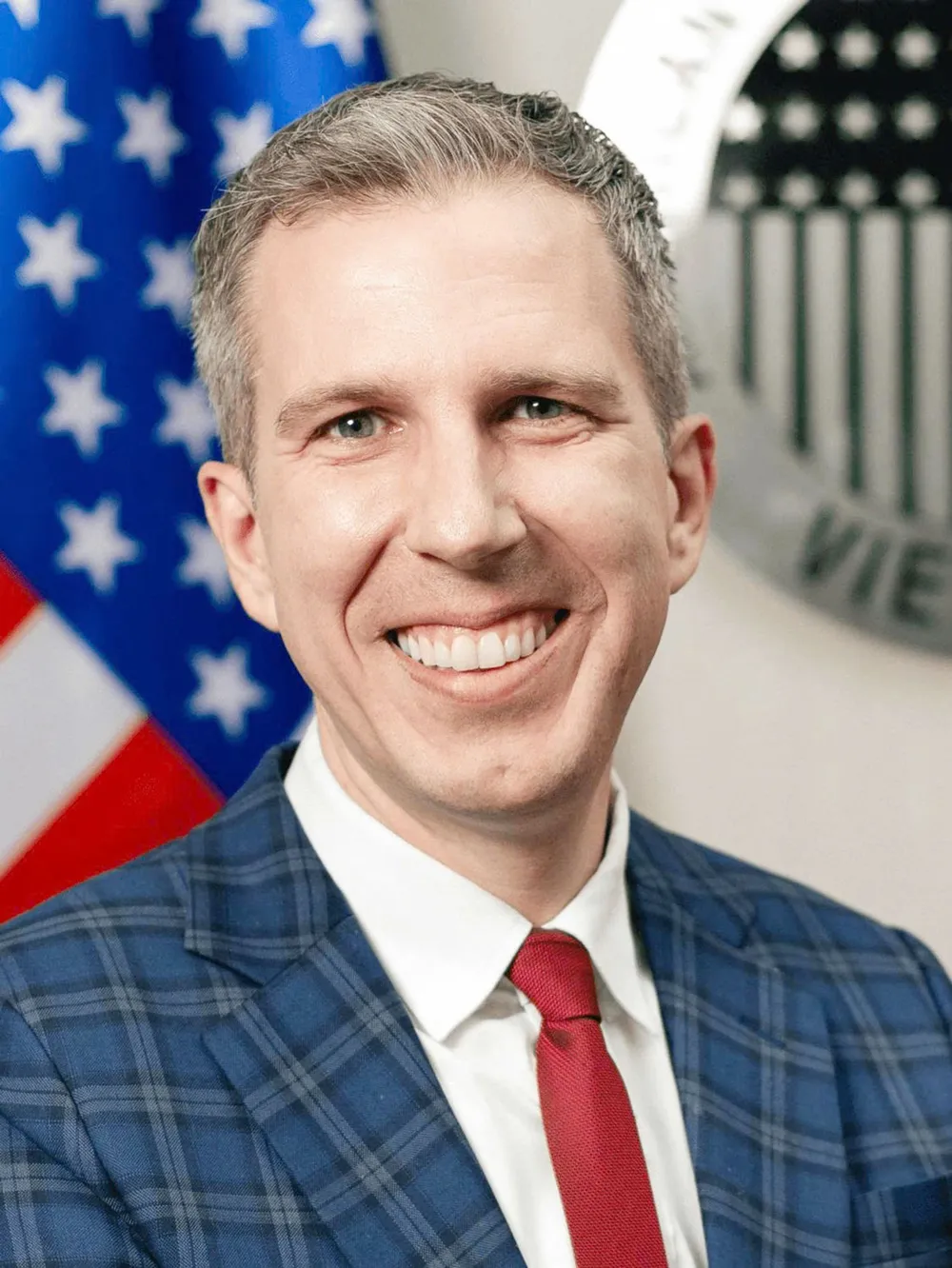
Over the past 50 years, Ho Chi Minh City has transformed into one of Asia's most dynamic commercial hubs and a vital economic engine for Vietnam.
The remarkable growth of U.S.-Vietnam relations is a crucial part of that success. Since the two countries normalized diplomatic relations in 1995, bilateral trade has reached over $209 billion in goods by 2025, making the United States Vietnam's largest export market.
Ho Chi Minh City plays a central role in this transformation. Many leading US companies have invested in Ho Chi Minh City and the surrounding area, bringing not only capital but also world-class standards in manufacturing, healthcare, technology, finance, logistics, consumer goods, and professional services. These companies have created hundreds of thousands of jobs, strengthened local supply chains, transferred knowledge and technology, and helped position Vietnam as a reliable destination for global investment.
Mr. Kume Kunihide, President of the Japan Chamber of Commerce and Industry in Ho Chi Minh City (JCCH) and Director of Mitsubishi Vietnam's Ho Chi Minh City branch: The city has a rapid pace of development.
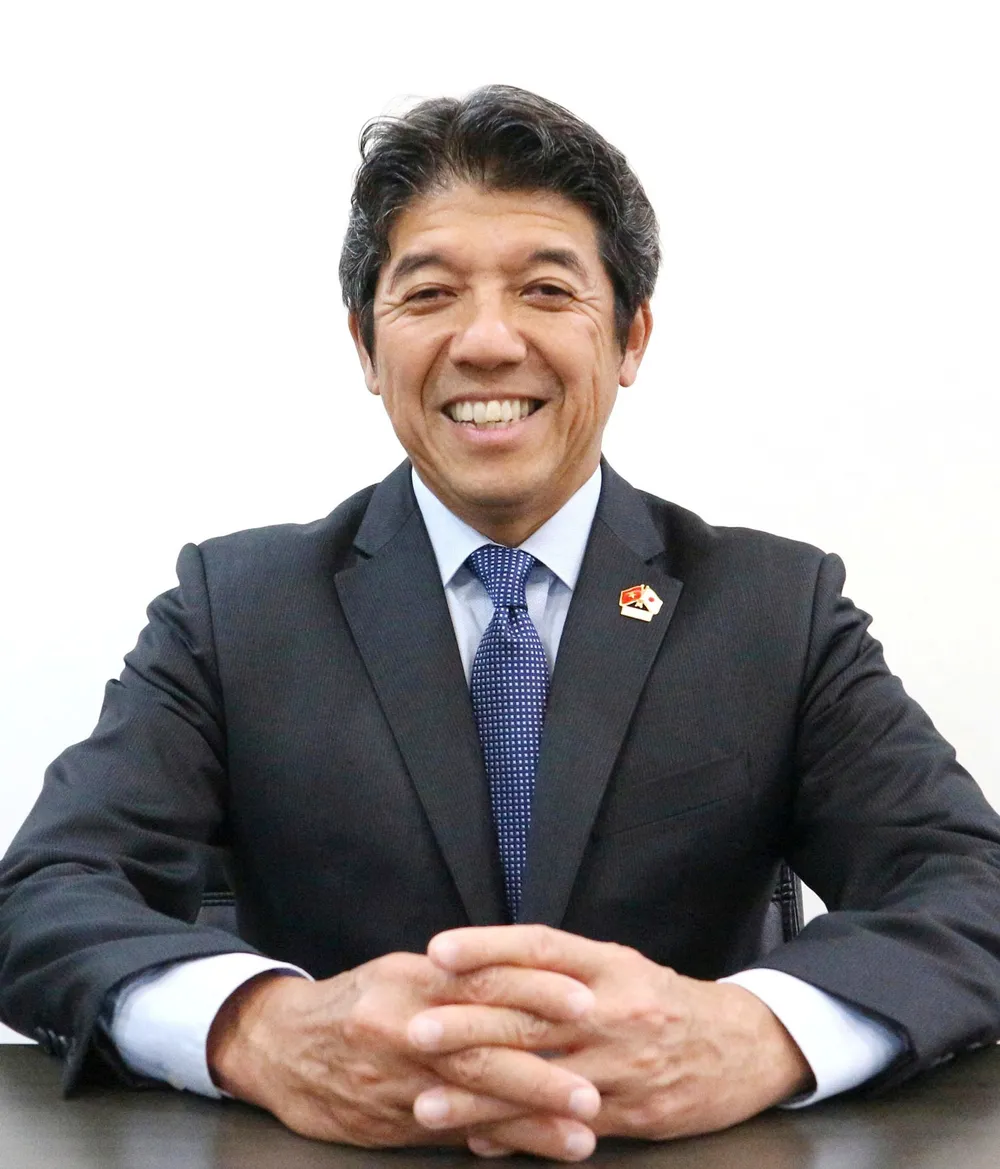
This is my second time working in Vietnam. After nearly 10 years of being associated with this country, I clearly feel that Ho Chi Minh City is currently experiencing strong growth and a faster pace of development than ever before.
Ho Chi Minh City has always been an attractive city for foreigners, including Japanese, thanks to its favorable business environment, high quality of life, diverse range of restaurants and shopping centers, and stable security. Now, with continued infrastructure development, the city's competitiveness will be further enhanced, increasing its appeal as a "typical megacity of Southeast Asia".
Over the years, Japan has been a leader in areas such as energy conservation, environmental protection, and resource reuse. Therefore, we will continue to leverage this experience to contribute to the green transition (GX), smart city development, and sustainable urban construction that Ho Chi Minh City is striving for.
Mr. Gilles Guillot, Director of the French Institute in Vietnam: Cultural cooperation between France and Ho Chi Minh City is vibrant.

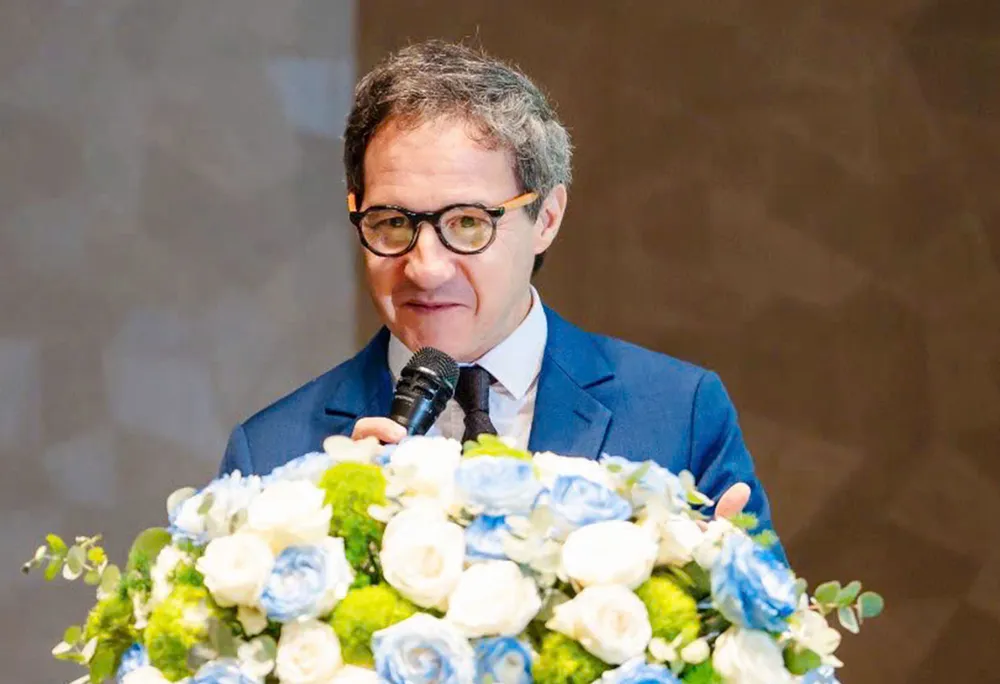
In daily life, Ho Chi Minh City exudes a powerful, vibrant, and inspiring energy. This vitality stems from a young generation that is eager to learn, create, always look to the world, and is ready to embark on bold projects.
The fast-paced lifestyle can sometimes be stressful, but the urban structure itself offers a delightful balance. Even in the heart of the bustling city, you can easily find pleasant, well-maintained cafes – ideal havens to escape the noise, focus on work, creativity, or simply relax and recharge. It is this contrast between the vibrant pace of life and the welcoming hospitality that creates the unique charm and identity of this urban area.
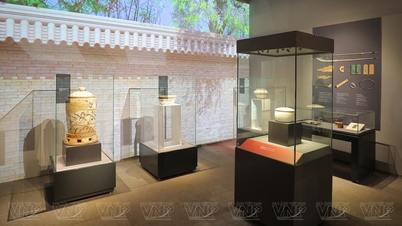
Drawing from this inherent energy, cultural cooperation between France and Ho Chi Minh City has also been vibrant. In just the past few months, the two sides have organized many notable events: the French-Vietnamese Comic Book Festival attracting over 1,500 visitors in a single day; the Francophone Day with over 4,000 participants; concerts and contemporary dance performances at the City Theatre; the 2026 Music Festival at 15 locations throughout the city; and the exhibition “We, the Rivers of Southern Vietnam” at the Ho Chi Minh City History Museum, a result of cooperation with the Confluences Museum (Lyon, France) in the “Living with the River” project.
In the future, I hope to continue developing high-quality projects like this, projects that can touch people's emotions and bring many surprises to the local community.
Source: https://www.sggp.org.vn/tphcm-do-thi-khong-ngung-chuyen-minh-post860235.html