

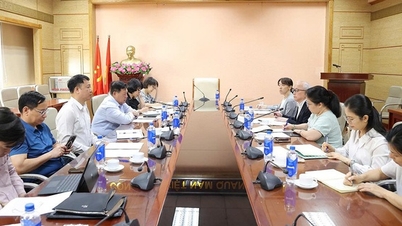
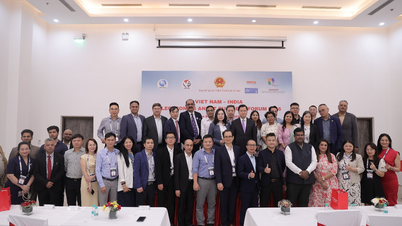
On December 26th, the Ho Chi Minh City Department of Health organized a workshop for experts to develop a plan for the elderly care system in Ho Chi Minh City for the period 2025-2030 and beyond.
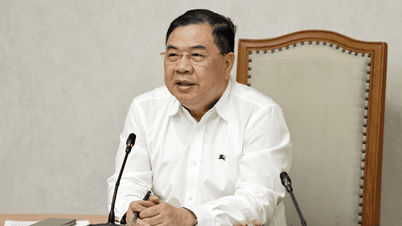
According to Mr. Nguyen Tang Minh, Deputy Director of the Ho Chi Minh City Department of Health, the city currently has about 1.6 million elderly people (60 years and older), and the population is aging very rapidly, but there are only 36 facilities caring for this group.
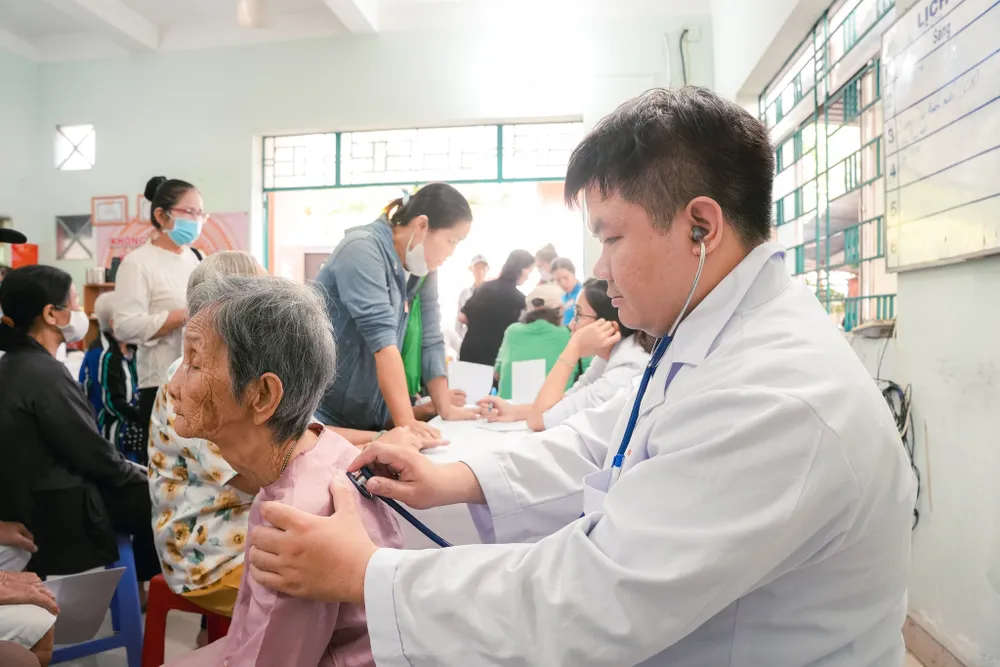
Of these, 10 public facilities play a fundamental role in caring for over 2,200 elderly people, primarily providing long-term care for those with special circumstances or requiring full-time care; 26 non-public facilities participate in socialized activities, operating on a small to medium scale and caring for over 1,300 elderly people.
In reality, the number of nursing home facilities is far too low compared to the demand. The types of care services offered are not diverse enough, especially lacking specialized services such as dementia care, post-stroke rehabilitation, and end-of-life palliative care.
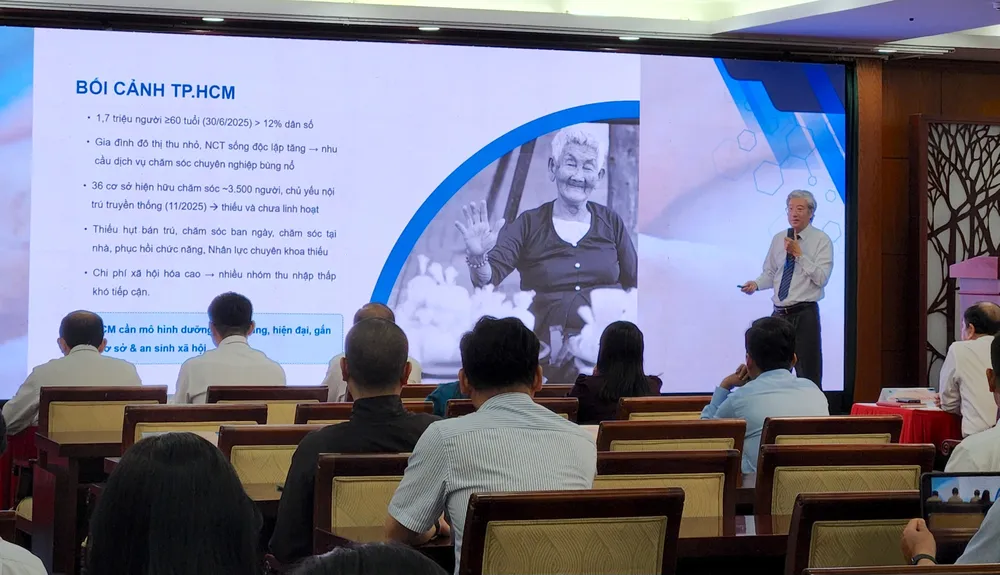
Speaking at the workshop, Mr. Pham Binh An, Deputy Director of the Ho Chi Minh City Institute for Development Research, analyzed that most elderly care facilities in the city still operate on a traditional inpatient model, while the demand for services in urban areas requires a more flexible model.
The shortage of personnel specializing in geriatrics, psychosocial care, and rehabilitation means that many facilities do not meet professional standards. High costs and low coverage make it difficult for the elderly to access aged care services.
"These limitations show that Ho Chi Minh City needs a new care model that can provide broader coverage, leverage the primary healthcare network, and be closely integrated with the social security system," said Master Pham Binh An.
An analysis of international experience in developing elderly care systems reveals that, in South Korea, the most prominent feature is its market-based service delivery strategy: the state acts as the buyer and supervisor, while the private sector is encouraged to invest heavily in care facilities.
Meanwhile, Singapore's aged care ecosystem is highly effective, combining multi-tiered financing, community service networks, employment support, and eco-friendly urban planning. The "Healthier Singapore" initiative focuses on preventative healthcare before diseases arise.
One lesson from the Netherlands that experts believe Ho Chi Minh City could adopt is the innovative service model like the "Dementia Village." Instead of approaching patients as medical clients, this model creates a "normalized" living space in the form of a self-contained residential area.
MSc. Pham Binh An suggested that Ho Chi Minh City could develop a comprehensive model and a multi-tiered financial mechanism for the elderly care system, ensuring financial sustainability. A multi-tiered service network of "Housing - Community - Inpatient Facilities" would help Ho Chi Minh City follow international trends: prioritizing home-based, day-care, and community-based care; with inpatient care as the final stage.
Simultaneously, develop an integrated care model between commune/ward health centers and elderly care facilities; build a digital platform and conduct controlled trials of innovations in aged care; develop human resources, attract investors, and prepare long-term resources...
Source: https://www.sggp.org.vn/tphcm-thieu-co-so-cham-care-nguoi-cao-tuoi-post830663.html





















































































Comment (0)